
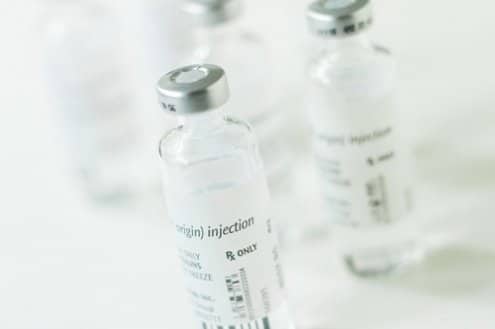
Short-acting insulin is usually regular human insulin used around meals to help control the rise in blood glucose after eating. It typically starts working in about 30 to 60 minutes, peaks a few hours later, and may last up to 8 hours. This timing matters because the injection, meal, activity, and glucose monitoring plan need to fit together.
Most people use this category as part of a wider diabetes plan. Some also use a background insulin to cover glucose between meals and overnight. Your prescriber may adjust timing based on your glucose pattern, meal schedule, kidney or liver function, and risk of low blood sugar.
Key Takeaways
- Main role: Helps cover mealtime glucose rises.
- Usual timing: Often taken before meals.
- Common examples: Regular insulin brands include Humulin R, Novolin Toronto, and Actrapid.
- Key risk: Hypoglycemia can occur if food, dose, or activity timing does not match.
- Important distinction: Rapid-acting analogs start faster than regular insulin.
How Short-Acting Insulin Works Around Meals
Short-acting insulin lowers blood glucose by helping glucose move from the blood into body tissues. In diabetes care, it is often used as prandial insulin, meaning insulin taken for meals. Regular insulin is the classic short-acting insulin formulation.
After a meal, carbohydrates are broken down into glucose. A mealtime insulin dose aims to overlap with that rise. If insulin starts working too late, blood glucose may rise after eating. If it peaks before enough food is absorbed, low blood sugar may occur.
This is why timing is a central teaching point. Many care plans place regular insulin before meals rather than at the first bite. The exact timing should come from the prescriber’s instructions and the product label.
For a broader look at bolus insulin choices, see Prandial Insulin Types. That page explains how mealtime insulin fits with basal insulin and correction dosing concepts.
Why it matters: The same insulin can behave differently when meal size, activity, or injection site changes.
Onset, Peak, and Duration: What the Timeline Means
The usual short-acting insulin timeline has three parts: onset, peak, and duration. Onset is when the insulin begins lowering glucose. Peak is when the effect is strongest. Duration is how long the insulin may keep working.
Typical ranges for regular human insulin are:
| Timing Point | Typical Range | What It Means |
|---|---|---|
| Onset | About 30 to 60 minutes | The glucose-lowering effect begins. |
| Peak | About 2 to 4 hours | The effect is usually strongest. |
| Duration | About 5 to 8 hours | Some effect may continue after the meal. |
These ranges are general. Injection site, skin temperature, blood flow, dose size, and physical activity can affect absorption. Delayed stomach emptying, sometimes called gastroparesis, can also shift when meal glucose appears in the bloodstream.
Short acting insulin duration matters because overlap can occur. If another dose is taken while a previous dose is still active, the risk of hypoglycemia may rise. This is sometimes called insulin stacking. Your diabetes team can explain how they want you to track active insulin and correction doses.
Meal composition also changes the pattern. A meal high in fat or protein may delay glucose rise. A simple carbohydrate meal may raise glucose faster. This does not mean one timing rule fits every meal.
For a focused example of regular insulin timing, see Novolin R Onset. It provides more context for onset, peak, and duration using a regular insulin product example.
Common Short-Acting Insulin Names
Short-acting insulin names usually refer to regular human insulin products. Examples include Humulin R, Novolin Toronto, Novolin R in some markets, and Actrapid in certain regions. Product names can vary by country, so labels and pharmacy documentation matter.
People often ask, is regular insulin short-acting? Yes. Regular human insulin is generally classified as short-acting insulin. It is different from rapid-acting insulin analogs, which were designed to start sooner and finish sooner.
Some products are available as vials, and some markets may have pen presentations. The delivery device can affect teaching needs, but it does not change the basic medication class. Never assume two products are interchangeable without prescriber or pharmacist confirmation.
Relevant product pages can help readers recognize names and formats. Examples include Humulin R 100U/mL and Novolin GE Toronto Vial. Use product labels and clinician instructions for dosing and administration details.
Short-Acting Insulin vs Rapid-Acting Insulin
Short-acting insulin and rapid-acting insulin can both be used at meals, but they do not have the same timing. Regular insulin usually starts later and lasts longer. Rapid-acting analogs, such as insulin lispro, insulin aspart, and insulin glulisine, generally start sooner and have a shorter action window.
This distinction affects practical planning. A person using regular insulin may need a longer pre-meal interval. A person using a rapid analog may have more flexibility near mealtime, depending on their prescribed plan. Neither class is automatically “better” for every person.
Rapid analogs may be used when meals are less predictable or when a prescriber wants a shorter mealtime action profile. Regular insulin may still be appropriate in many care plans. Choice depends on glucose patterns, hypoglycemia history, cost and access factors, device preference, and clinical goals.
For analog-specific timing, compare Humalog Insulin Onset, Insulin Aspart Timing, and Apidra Insulin Peak Time. These resources help separate rapid-acting analog kinetics from regular insulin timing.
Administration Teaching and Practical Safety
Regular insulin medication administration requires consistent technique and clear meal planning. Most products are injected under the skin, called subcutaneous injection. Some clinical settings may use other routes, but those require medical supervision.
Basic teaching often includes site rotation, device handling, and glucose monitoring. Rotate within the same body region when instructed, because switching regions may change absorption. Avoid injecting into areas with lumps, scarring, or lipodystrophy, which means abnormal fat tissue changes under the skin.
Regular insulin patient teaching should also cover missed or delayed meals. If food is delayed after insulin has been taken, hypoglycemia risk can increase. Follow the action plan given by your clinician for low readings, illness, exercise, and meal changes.
Common short-acting insulin side effects include low blood sugar, injection-site irritation, mild swelling, and weight change over time. Serious allergic reactions are uncommon but need urgent care. Symptoms such as trouble breathing, widespread rash, facial swelling, confusion, seizure, or loss of consciousness require immediate medical attention.
Regular insulin contraindications and precautions include active hypoglycemia and known hypersensitivity to the product or its ingredients. Extra caution may be needed with kidney disease, liver disease, pregnancy, alcohol use, changing activity levels, or medications that affect glucose. These situations should be reviewed with a healthcare professional.
Quick tip: Keep a written insulin and meal timing plan where you can check it easily.
Where It Fits Among Other Insulin Types
Short-acting insulin is only one part of the insulin timing spectrum. Other types include rapid-acting, intermediate-acting, long-acting, and ultra-long-acting insulin. Each category serves a different purpose in glucose management.
Intermediate-acting insulin, such as NPH, usually lasts longer than regular insulin and has a later peak. It may be used for background coverage in some plans. Long-acting insulin products are designed to provide steadier basal coverage, often with less obvious peak activity.
The table below gives a general comparison. Timing can vary by product and person, so use it as orientation rather than a dosing tool.
| Insulin Category | Examples | Typical Role | General Timing Pattern |
|---|---|---|---|
| Rapid-acting | Lispro, aspart, glulisine | Meal or correction insulin | Fast onset and shorter duration |
| Short-acting | Regular insulin, Humulin R, Novolin Toronto, Actrapid | Meal insulin | Starts later and lasts longer than rapid analogs |
| Intermediate-acting | NPH insulin | Background coverage in selected plans | Later peak and longer duration |
| Long-acting | Glargine, detemir, degludec | Basal coverage | Extended action with flatter effect for many products |
People with type 1 diabetes often need both basal and mealtime insulin. Some people with type 2 diabetes may use insulin when other treatments do not provide enough glucose control or when clinical needs change. For condition-focused reading, the Type 1 Diabetes Articles and Type 2 Diabetes Articles collections provide related educational topics.
Questions to Review With Your Care Team
Short-acting insulin planning works best when the instructions are specific. Ask your prescriber or diabetes educator how your insulin should align with meals, glucose readings, and physical activity.
- Meal timing: When should insulin be taken before eating?
- Missed meals: What is the plan if eating is delayed?
- Low glucose: What symptoms and thresholds should trigger action?
- Activity changes: How should exercise days be handled?
- Sick days: When should glucose or ketones be checked more often?
- Device technique: Which syringe, pen, or vial steps matter most?
If you use continuous glucose monitoring, ask how to interpret trend arrows with regular insulin. If you use finger-stick checks, ask which times matter most for your plan. The goal is to understand patterns without making unsupervised dose changes.
Some readers also compare access pathways. CanadianInsulin.com is a prescription referral platform, and prescription details may be confirmed with the prescriber when required. Dispensing and fulfilment are handled by licensed third-party pharmacies where permitted, which is separate from the educational information on this page.
Authoritative Sources
For broad insulin category timing and patient education, review the American Diabetes Association insulin basics.
For public-health guidance on insulin types and use, see the CDC diabetes treatment information.
For consumer information on short-acting insulin timing, consult the NHS short-acting insulin overview.
Recap
Short-acting insulin usually means regular human insulin. It is commonly used before meals, starts in about 30 to 60 minutes, peaks a few hours later, and may last up to 8 hours. Examples include Humulin R, Novolin Toronto, Novolin R in some markets, and Actrapid in certain regions.
The main practical issue is matching insulin action with food, activity, and glucose monitoring. Discuss timing, missed meals, hypoglycemia treatment, and device technique with your healthcare team before changing any routine.
This content is for informational purposes only and is not a substitute for professional medical advice.


