

This guide explains human insulin types, how the hormone works, and practical steps for safer use. You will learn where these medicines fit in care plans, how they are manufactured, and what to consider when selecting devices. Examples and cautions help you discuss options confidently with your care team.
Key Takeaways
- Core types: short-acting regular, intermediate NPH, and premixed formulations.
- Manufactured by recombinant DNA, ensuring consistent purity and supply.
- Device choice affects accuracy, convenience, and training needs.
- Safe handling, interactions, and hypoglycemia prevention remain essential.
Understanding Human Insulin Types
Human insulin options include short-acting regular insulin for meals, intermediate-acting NPH for basal coverage, and biphasic premixed combinations. These preparations differ by onset, peak, and duration, which determines when they fit daily routines. Matching action profiles to meals and sleep can improve predictability and reduce swings.
Analog formulations act faster or flatter but remain pharmacologically similar. Where predictability and lower cost matter, human preparations may be preferred. For background on hormone actions, see Function of Insulin, which explains glucose control fundamentals.
Insulin Structure and Function
This hormone is a peptide with two chains linked by disulfide bonds. Its structure enables receptor binding on muscle and fat cells, which promotes glucose uptake and storage. In the liver, signaling suppresses glucose release and lipolysis (fat breakdown). These coordinated effects stabilize blood glucose throughout the day.
Understanding structure supports safe timing and dosing across regimens. It also clarifies why temperature and pH can affect stability. To connect biochemistry with physiology, see Organ That Produces Insulin for a concise overview of pancreatic secretion and feedback.
How Insulin Is Produced Today
Modern products are made with recombinant DNA in cultured cells, enabling controlled purity and consistency. Manufacturers insert the gene, express proinsulin, and then enzymatically process and purify it. This scalable process supports wide access and lowers batch-to-batch variability compared with older methods.
When people ask how is human insulin made, they are usually seeking reassurance about safety and equivalence. Recombinant processes undergo strict quality checks, including potency and sterility testing. For a deeper look at recombinant steps, see Synthetic Insulin Made for process basics and terminology.
Regular Insulin: Classification and Core Pharmacology
Regular formulations are short-acting injectables drawn into syringes or delivered by pens. Onset often occurs within 30 minutes, with peaks around two to four hours, and a total effect lasting up to eight hours. This timing supports pre-meal dosing when predictable peaks are needed.
As a category, regular insulin classification aligns with short-acting prandial therapies. In clinical practice, its slower onset than rapid analogs requires earlier pre-meal administration. For contrast with flatter basal options, see Basaglar Cartridge to compare long-acting behavior and use cases.
Regular Insulin: Mechanism of Action Explained
This therapy binds insulin receptors and initiates signaling that moves glucose transporters to cell membranes. The cascade promotes hepatic glycogen synthesis and suppresses gluconeogenesis (new glucose production). Collectively, these effects lower circulating glucose and limit ketone formation.
Clinicians describe regular insulin mechanism of action in terms of receptor activation and downstream metabolic changes. Those principles inform timing, meal planning, and hypoglycemia prevention. For guideline context on pharmacologic choices, the ADA Standards of Care outline therapy selection across diabetes types.
Human Insulin Regular in Practice
Common uses include pre-meal coverage, intravenous infusions in hospital settings, and substitution when rapid analogs are not available. Timing matters; pre-meal doses are typically given ahead of eating to match the expected peak. Clear instructions on injection sites and rotation can reduce lipodystrophy (fat tissue changes).
In formularies and charts, human insulin regular may appear under concise brand or generic names. It is often paired with an intermediate component for mixed regimens when schedules are fixed. For regimen comparisons, see Premixed Insulin and review Common Diabetes Medications to understand combination strategies.
Delivery Devices: Vials, Cartridges, and Pens
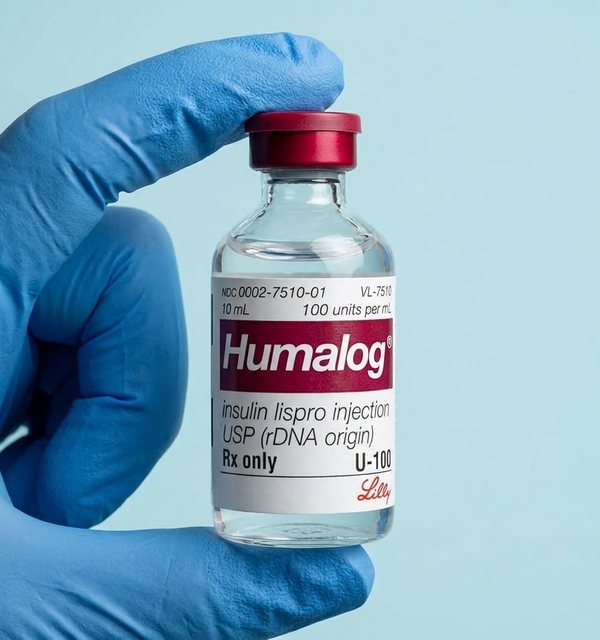
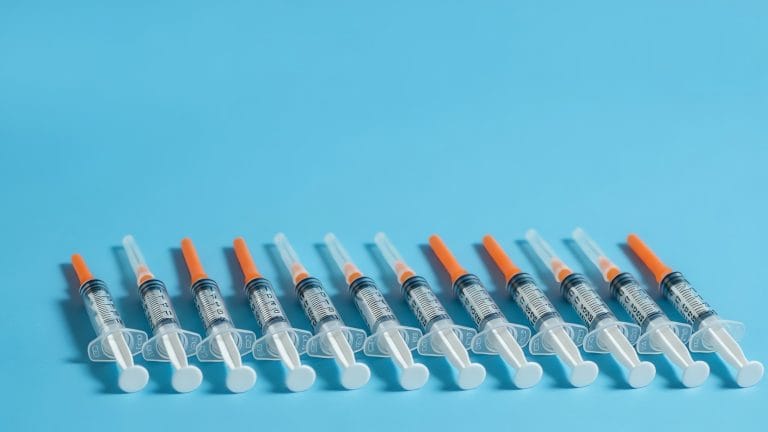
Delivery choices influence accuracy, training needs, and travel convenience. Vials with syringes offer flexibility for dose adjustments. Cartridges and pens simplify setup and can reduce dosing errors, especially for consistent daily routines. Needle gauge and length also affect comfort and absorption.
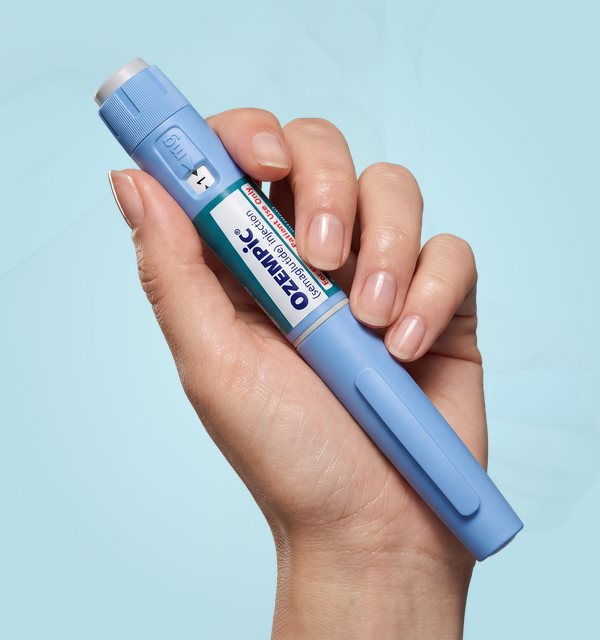
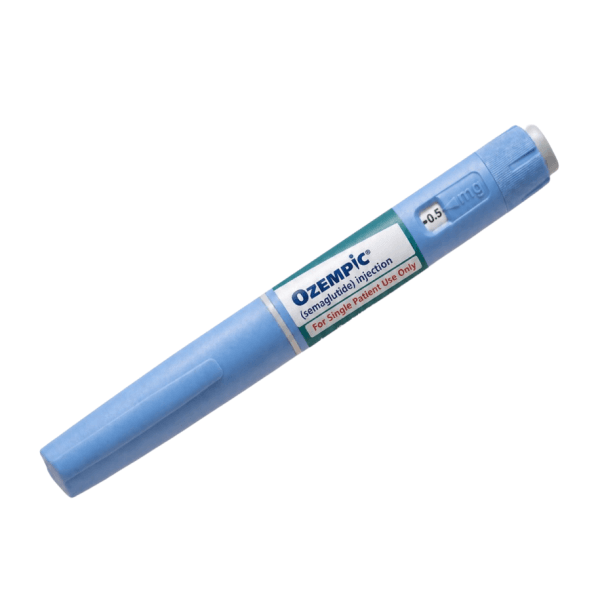
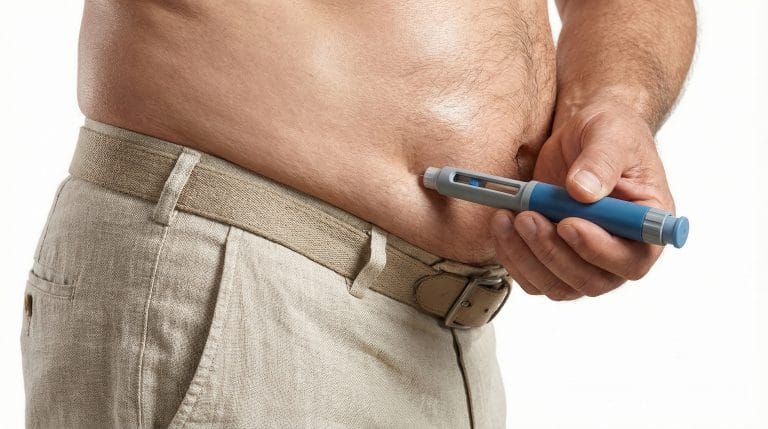
Many patients prefer a reusable insulin pen for durability and lower plastic waste. Cartridges slot into the device, and dialed units help with dose precision. For device-specific details, see Insulin Cartridges to compare formats, and review Insulin Pen Needles to match needle size and technique.
Pen Choices for Type 2 Diabetes
Device selection should consider vision, dexterity, dosing frequency, and adherence patterns. Pen mechanisms differ by dose increments, force to depress, and tactile or audible clicks. These features can improve confidence and reduce errors across daily routines.
When assessing insulin pens for type 2 diabetes, prioritize ease of dialing and readability. Pair the device with education on priming and site rotation. For broader context on therapy planning and lifestyle support, explore Type 2 Diabetes resources, which connect device choices with self-management strategies.
Premixed Options and 30/70 Combinations
Premixed combinations provide both basal and mealtime coverage in one injection. Ratios describe the proportion of intermediate to short-acting components. These products may help people with predictable meals who prefer fewer daily injections and simpler schedules.
Formulations labeled human insulin 30/70 combine NPH with regular to give a single dose pattern. Timing still matters because the regular component has a distinct peak. For scheduling examples and pros and cons, see the guide on Premixed Insulin, which maps dosing patterns to daily routines.
Safety, Contraindications, and Interactions
Hypoglycemia (low blood sugar) is the most common risk. Symptoms include shakiness, sweating, confusion, and in severe cases seizures. Alcohol may increase lows, and certain beta-blockers can mask warning signs. Illness, skipped meals, and unexpected activity also change requirements, so planning is important.
Check labels for specific cautions, including hypersensitivity reactions and ingredient excipients. Interactions can occur with steroids, atypical antipsychotics, and some thyroid medicines, which may raise glucose. For authoritative safety details, see MedlinePlus on regular insulin, and for storage thresholds and expiration guidance, review the ADA insulin storage guidance.
Recap
Regular, NPH, and premixed options provide flexible ways to cover meals and basal needs. Manufacturing by recombinant DNA supports consistent quality, while devices improve everyday use. Combine sound technique, attentive monitoring, and awareness of interactions to reduce risk and improve predictability.
Note: Always use manufacturer instructions and clinical guidance for device setup, timing, and handling. Small adjustments in timing, measurement, or storage can change outcomes.
This content is for informational purposes only and is not a substitute for professional medical advice.