
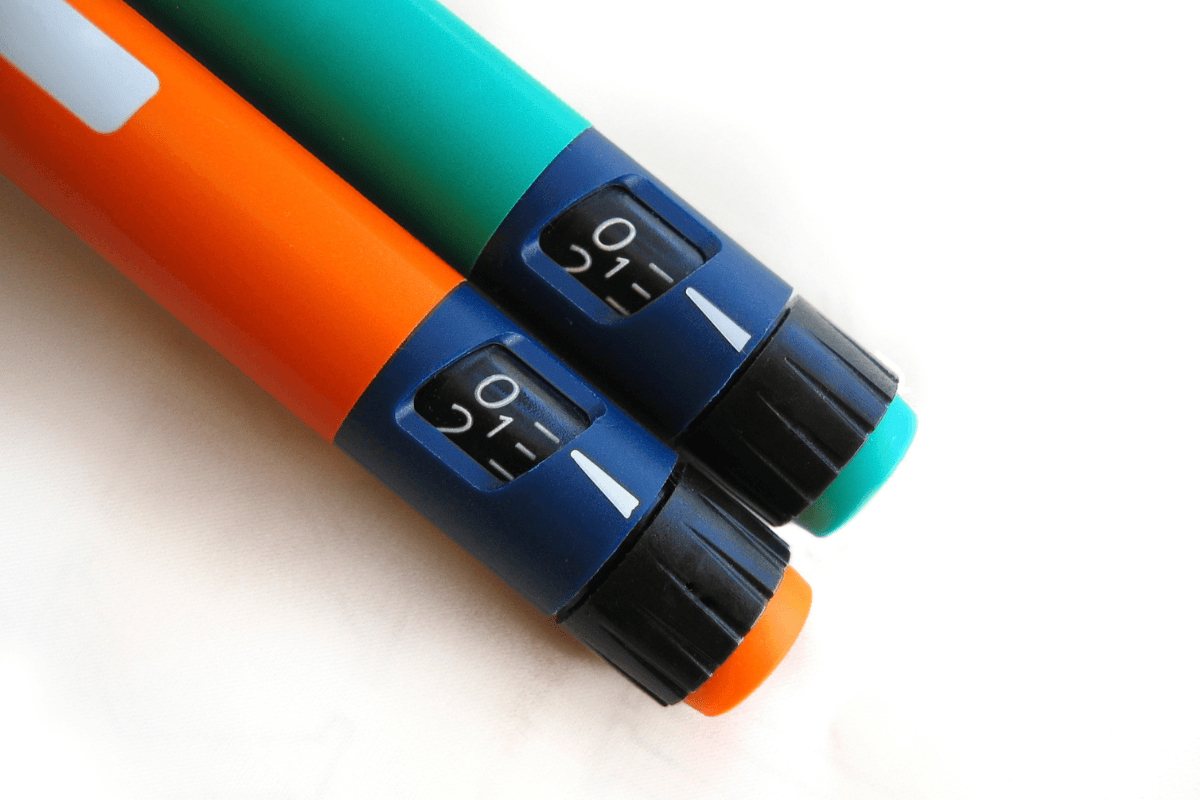
NovoRapid and NovoLog are generally considered clinically equivalent because both contain insulin aspart, a rapid-acting mealtime insulin. The main novorapid vs novolog difference is usually branding, market location, device format, and local product labeling rather than the active insulin molecule. That still matters. A pen, cartridge, vial, or storage rule can affect daily routines and dosing accuracy.
This comparison is for people who already use rapid-acting insulin, caregivers helping with supplies, and anyone discussing a brand or device change with a clinician. It does not replace individualized insulin instructions.
Key Takeaways
- Same active ingredient: both products contain insulin aspart.
- Similar clinical role: both are used as rapid-acting mealtime insulin.
- Device details matter: pens, cartridges, and vials can feel different.
- Switching needs review: confirm timing, dose increments, and monitoring.
- Side effects overlap: low blood sugar is the main safety concern.
Are NovoRapid and NovoLog the Same Insulin?
Yes, in the most important clinical sense, NovoRapid and NovoLog are both insulin aspart. Insulin aspart is a rapid-acting insulin analog, meaning it is modified to work faster than regular human insulin. It is commonly used around meals to help manage post-meal blood glucose rises.
The brand name usually depends on the country and local regulatory labeling. NovoLog is the name commonly used in the United States. NovoRapid is used in Canada and many other markets. Because labels and devices can differ by market, people should not assume every instruction, pen feature, or storage window is identical.
For a broader primer on the molecule itself, the NovoLog Insulin Aspart Uses resource explains how insulin aspart fits into diabetes care. Product-specific pages such as NovoRapid Cartridge can also help readers identify format details before discussing device compatibility with a pharmacist.
Why it matters: A same-molecule switch can still create errors if the device or instructions change.
How Their Action and Timing Compare
The action profile is closely aligned because both products contain the same rapid-acting insulin. In practical terms, clinicians usually think of both as mealtime insulin options, not basal or long-acting insulin. They are intended to cover food-related glucose rises and may also be used for correction dosing when prescribed.
Individual responses can still vary. Injection site, skin thickness, temperature, meal composition, activity, and timing all influence absorption. A high-fat meal, for example, may raise glucose later than a simple carbohydrate meal. That can make a familiar dose feel different even when the insulin product has not changed.
Do not change injection timing or dosing ratios without your diabetes care team. If a switch is planned, ask whether your current carbohydrate ratio, correction factor, and pre-meal timing should stay the same at first. Many clinicians prefer careful monitoring before making adjustments.
People using different glucose units may compare logs from more than one clinic, app, or country. This converter can help translate mg/dL and mmol/L values for discussion; it does not interpret readings or replace clinical guidance.
Blood Glucose Unit Converter
Convert glucose readings between mg/dL and mmol/L without changing the clinical value.
These calculations are for education only and do not replace clinical advice, diagnosis, or treatment. Always confirm medical decisions with a qualified healthcare professional.
Devices, Labels, and Storage Can Be the Real Difference
The practical difference in novorapid vs novolog often comes down to the delivery system. A person may move from a vial to a prefilled pen, from one pen family to another, or from disposable pens to cartridges for a reusable device. Those changes can affect priming, dose dialing, hand strength, needle attachment, and how insulin is carried during the day.
Before switching, compare these everyday details with a pharmacist or diabetes educator:
- Dose increments: confirm how the pen dials units.
- Maximum dose: check the largest single dialed amount.
- Needle fit: verify compatible pen needles.
- Priming steps: follow device-specific instructions.
- In-use storage: review temperature and discard timing.
- Backup supply: know what to do if a pen fails.
Some people prefer cartridges because they use a reusable pen. Others prefer vials because that format fits their established routine or pump-related instructions, when prescribed. If you need format context, NovoRapid Vials and the Diabetes Product Category can help with neutral browsing. Product pages should not replace professional training on how to inject, store, or dispose of insulin.
CanadianInsulin.com functions as a prescription referral platform. When prescription details are required, confirmation may involve the prescriber, while dispensing is handled by licensed third-party pharmacies where permitted.
Side Effects and Safety Points to Review
NovoRapid side effects and NovoLog side effects are expected to overlap because both products contain insulin aspart. The most important risk is hypoglycemia, or low blood sugar. Symptoms can include shakiness, sweating, hunger, confusion, fast heartbeat, dizziness, or weakness. Severe lows can cause seizure, loss of consciousness, or require emergency help.
Other possible issues include injection-site reactions, skin changes where injections are repeated, weight change, and low potassium in certain situations. Allergic reactions are uncommon but can be serious. Seek urgent medical care for trouble breathing, swelling of the face or throat, widespread rash, or severe weakness.
Risk can increase when meals are delayed, carbohydrate intake changes, alcohol is used, activity increases, or insulin is taken too close together. The phrase “3-hour rule” is often used informally to discuss avoiding insulin stacking, but individual insulin-on-board timing varies. Follow the timing rules provided by your clinician or pump settings rather than a general internet rule.
If you are reviewing safety after a dosing error, the NovoLog Dosage Overdose page covers warning signs and response considerations. For side effect context specific to one brand, see NovoLog Side Effects.
Switching Between Brands or Related Rapid-Acting Insulins
A switch between the two aspart brands may be straightforward, but it should still be planned. Confirm the name, format, concentration, device, expiration rules, and whether the insulin is intended for injections or another prescribed use. Keep written instructions visible during the first few days after a change.
When clinicians compare lispro vs aspart, they are comparing two different rapid-acting insulin analogs. Humalog contains insulin lispro, while NovoRapid and NovoLog contain insulin aspart. Unit-for-unit transitions are sometimes considered by clinicians, but lispro vs aspart dosing should not be changed without professional direction. Small timing differences, formularies, and device preferences can influence the plan.
The same caution applies to Apidra, which contains insulin glulisine, and to Fiasp, a faster formulation of insulin aspart. Fiasp includes additional ingredients that can speed early absorption. That can affect pre-meal timing and early post-meal readings. If you are exploring faster aspart formats, Fiasp Insulin Cartridges and Fiasp Insulin FlexTouch provide format context for discussion with a healthcare professional.
For a brand-to-brand comparison outside the aspart family, NovoRapid vs Humalog explains practical differences readers often ask about. It can help frame questions, but it should not be used to self-convert doses.
Where Aspart Fits Among Insulin Types
Insulin aspart is one example within the broader group of insulin types. Rapid-acting products are usually used for meals or corrections. Basal insulin, by contrast, is used for background coverage over a longer period. Some premixed insulins combine mealtime and longer-acting components in fixed proportions.
Understanding these categories helps reduce overlap and confusion. For example, taking a rapid-acting insulin too close to another correction dose can increase low-glucose risk. Missing basal insulin, however, can cause a different pattern of high readings. The right interpretation depends on your prescribed regimen, glucose data, meals, and activity.
People with type 1 diabetes often rely on both basal and rapid-acting insulin, whether by injection or pump therapy. The Type 1 Diabetes Articles collection offers related education, while the Diabetes Medical Condition page is a browseable condition hub for relevant products and categories.
Questions to Ask Before a Switch
A short checklist can prevent avoidable mistakes when the active ingredient looks familiar. Bring the new package, your current device, and recent glucose logs to a pharmacist or diabetes appointment when possible.
- Confirm identity: is this insulin aspart or another analog?
- Check format: vial, cartridge, disposable pen, or pump supply.
- Review timing: ask if meal timing should change.
- Compare devices: practice priming and dialing safely.
- Verify storage: separate unopened and in-use instructions.
- Plan monitoring: know when to report repeated highs or lows.
- Prepare backup: ask what to do for device failure.
Quick tip: Take a photo of the box and label after each refill.
Also ask about availability. Readers sometimes wonder whether NovoRapid is being discontinued or replaced. Availability can vary by country, pharmacy, device, and supply channel. A pharmacist or prescriber can confirm the current local status and whether another rapid-acting insulin is being substituted for clinical or access reasons.
Authoritative Sources
For official Canadian labeling, review the Health Canada NovoRapid product monograph, which describes approved product information and safety details.
For general insulin category education, the American Diabetes Association insulin basics page explains rapid, short, intermediate, and long-acting insulin types.
For patient-facing rapid insulin context, the NHS rapid-acting insulin overview summarizes how this class is commonly used around meals.
Bottom Line
The simplest answer to novorapid vs novolog is that they contain the same active insulin, insulin aspart. Most clinical differences are less about the molecule and more about labeling, device format, storage instructions, access, and training.
Safe switching means checking the exact product, practicing the device, monitoring patterns, and involving your diabetes care team before changing timing or dose settings. If new lows, persistent highs, allergic symptoms, or dosing mistakes occur, seek professional guidance promptly.
This content is for informational purposes only and is not a substitute for professional medical advice.


