
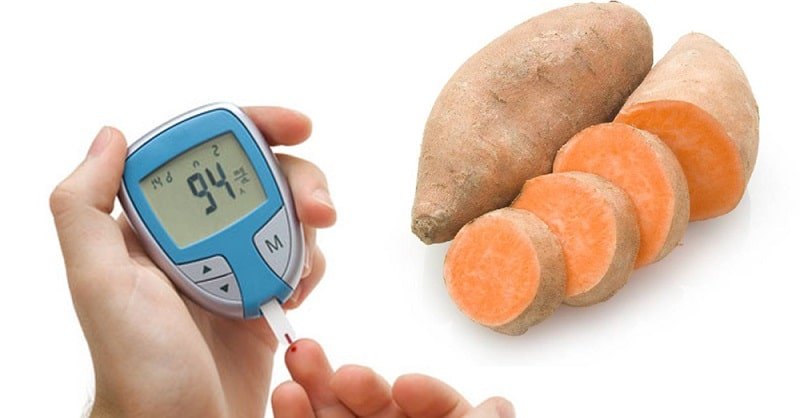
Yes, many people with diabetes can include sweet potatoes as part of a balanced meal. Sweet potatoes and diabetes planning comes down to three factors: the carbohydrate amount, the cooking method, and what else is on the plate. This matters because a food can be nutrient-dense and still raise glucose if the serving is large or eaten by itself.
Key Takeaways
- Sweet potatoes contain starch, so portion size matters.
- Boiling or steaming may have a lower glycemic impact than baking or roasting.
- Glycemic load often explains meals better than glycemic index alone.
- Protein, fiber, and non-starchy vegetables can support steadier meal balance.
- Use glucose patterns and clinician guidance for personal carb targets.
Sweet Potatoes and Diabetes: Why Portion and Preparation Matter
Sweet potatoes are starchy vegetables, not non-starchy vegetables. They provide carbohydrate, fiber, potassium, vitamin C, and beta carotene in orange varieties. In diabetes meal planning, carbohydrate often has the most direct short-term effect on blood glucose. That does not make sweet potatoes off-limits. It means they need a plan.
The more useful question is not whether one food is good or bad. It is how much you eat, how it is prepared, and whether the rest of the meal slows or speeds digestion. A small serving of boiled sweet potato with protein and vegetables may affect glucose differently than a large baked sweet potato topped with sugar, eaten with juice, or paired with other starches.
There is also no single number one worst food for blood sugar. Sugar-sweetened drinks, large servings of refined starches, desserts, and low-fiber snack foods can raise glucose quickly for many people. Still, the pattern matters. Frequency, portion, medication plan, activity, and overall meal quality all shape the result.
Sweet potatoes should not be treated as an A1C-lowering food. A1C reflects average blood glucose over roughly three months, and no single vegetable reliably lowers it by itself. Food choices can support a broader diabetes plan, but medication use, activity, sleep, stress, and weight changes may also affect glucose over time.
If you are building a wider food plan, you can browse the Type 2 Diabetes hub for related educational topics. For broader condition reading, the Diabetes category collects general articles in one place.
Glycemic Index and Glycemic Load in Real Meals
Glycemic index, often shortened to GI, ranks how quickly a carbohydrate-containing food may raise blood glucose compared with a reference food. Glycemic load, or GL, also considers the amount of carbohydrate in the serving. That difference matters because a food with a higher GI may still have a moderate effect if the serving is small, while a large portion of a lower-GI food can still add a lot of carbohydrate.
For sweet potatoes and diabetes, glycemic load is often more useful than glycemic index alone. A GI number can vary by variety, ripeness, cooking method, testing method, and whether the potato is eaten alone. Real meals include protein, fat, fiber, sauces, and other carbohydrates, so the number on a chart is only a starting point.
Cooking changes starch structure. In published testing, boiled sweet potatoes have often produced lower glycemic index values than baked or roasted versions, although results vary by cultivar and method. Baking and roasting remove moisture, concentrate the food, and can make it easier to eat a larger amount. Mashing can also make the texture easier to digest and easier to over-serve.
| Meal Factor | Why It Matters | Practical Planning Note |
|---|---|---|
| Cooking method | Heat, moisture, and texture change starch digestion. | Boiled or steamed portions may be easier to fit into a glucose-conscious meal. |
| Serving size | Total carbohydrate rises as the portion gets larger. | Measure the cooked amount when portions are hard to estimate. |
| Texture | Mashed or very soft foods may digest faster for some people. | Keep toppings simple and watch how quickly you finish the serving. |
| Meal pairings | Protein, fat, and fiber can change the meal response. | Pair the potato with non-starchy vegetables and a protein food. |
| Personal response | Glucose changes differ by person and situation. | Look for patterns instead of judging one reading alone. |
This calculator can estimate glycemic load when you know a food’s GI, available carbohydrate, and serving amount. Use it as a comparison tool, not as a personalized glucose prediction.
Glycaemic Load Calculator
Calculate glycaemic load from glycaemic index and available carbohydrate in a serving.
These calculations are for education only and do not replace clinical advice, diagnosis, or treatment. Always confirm medical decisions with a qualified healthcare professional.
If a reliable GI value is unavailable, do not overinterpret the number. Carb counting, portion consistency, and your own glucose data often give more practical information than a single chart value.
Meal Planning With Sweet Potatoes
In sweet potatoes and diabetes meal planning, treat the sweet potato as the main starch on the plate. If the same meal also includes rice, bread, corn, pasta, juice, or dessert, the carbohydrate load can rise quickly. This is where many people get surprised. The potato may not be the only glucose driver in the meal.
A balanced plate example
- Starch choice: sweet potato as the main carbohydrate.
- Protein food: fish, poultry, eggs, tofu, beans, or lean meat.
- Vegetable base: leafy greens, broccoli, peppers, zucchini, or salad.
- Fat source: avocado, olive oil, nuts, or seeds in modest amounts.
- Flavor add-ons: herbs, cinnamon, garlic, pepper, lemon, or plain yogurt.
Protein foods such as eggs, fish, tofu, unsweetened Greek yogurt, or cottage cheese can help make a meal more filling. Flavored yogurts may contain added sugar, and cottage cheese can be higher in sodium. Check labels when packaged foods become part of the meal.
Fresh sweet potatoes vary widely in size. A small potato and a large restaurant-sized potato can represent very different carb amounts. Instead of memorizing one universal portion size, compare your cooked serving with the carbohydrate target your clinician or registered dietitian has recommended.
People using insulin or medicines that can cause hypoglycemia should be especially cautious about large carb swings. Changing carb intake sharply without guidance can make glucose harder to manage. If weight goals are also part of your care plan, Diabetes Weight Loss covers related planning considerations.
Quick tip: Keep one starch per meal when you are testing glucose response.
Boiled, Baked, Roasted, or Mashed: Preparation Choices
The best cooking method is the one that fits your portion plan, taste, and glucose pattern. Still, preparation can make a meaningful difference. Boiling and steaming keep more moisture in the potato. Baking and roasting concentrate the flesh as water evaporates. Frying adds fat and can turn a simple starch into a more calorie-dense food.
Boiled sweet potato is often the easiest version to portion. You can cool it, slice it, and pair it with vegetables or protein. The skin adds fiber if you tolerate it, though the amount is not enough to cancel out all carbohydrate in the serving.
Baked sweet potatoes can still fit some meal plans, but they often become large servings. Common toppings also matter. Brown sugar, marshmallows, sweet sauces, honey, and candied preparations add fast-digesting carbohydrate. Butter, cream, and cheese add saturated fat and calories, which may matter for heart health and weight goals.
Mashed sweet potatoes need a second look. Mashing makes the texture soft, which can make portions harder to judge. Added sweeteners, sweetened milk, or large amounts of butter can change the meal from a simple side dish into a dessert-like starch.
Why it matters: Preparation changes both the carb effect and how much you are likely to eat.
Sweet Potato vs White Potato in Diabetes Meals
Sweet potatoes are not automatically better for every person with diabetes, and white potatoes are not automatically banned. Both are starchy foods. Both can raise blood glucose. The difference depends on variety, cooking method, portion size, and the rest of the meal.
Sweet potatoes may offer beta carotene in orange-fleshed varieties, along with fiber and potassium. White potatoes also provide nutrients, including potassium and vitamin C. Nutrient value does not remove the need to count carbohydrate. A large sweet potato can still deliver a sizable carb load.
Some people ask which sweet potato is best for diabetes. No color or variety is universally best. Orange, purple, Japanese, and white-fleshed sweet potatoes all contain starch. Choose based on the serving size you can manage, the preparation you enjoy, and the glucose pattern you observe.
Insulin resistance can also change how your body handles carbohydrate. If that topic is part of your health picture, Insulin Resistance and Weight Gain explains the connection in more detail. For related cardiometabolic context, Metabolic Syndrome covers overlapping risk factors.
Who Should Be More Careful With Sweet Potatoes
Some people need a more individualized approach to sweet potato portions. This does not mean sweet potatoes are unsafe for everyone in these groups. It means the meal plan should match medical needs, medication use, and monitoring advice.
- Kidney disease: potassium targets may need clinician review.
- Pregnancy diabetes: carb distribution may require closer tracking.
- Gastroparesis: delayed stomach emptying can make glucose timing unpredictable.
- Eating disorder history: strict food rules can increase harm.
- Repeated highs or lows: patterns deserve professional review.
- Insulin or sulfonylureas: medication-related hypoglycemia risk may matter.
Seek urgent care for severe hypoglycemia symptoms, confusion, fainting, persistent vomiting, dehydration, chest pain, or very high glucose with illness symptoms. Follow the action plan your diabetes care team has given you for urgent readings or ketone concerns.
Weight, insulin resistance, and diabetes can overlap, but they are not the same issue. If you want broader context, Obesity and Type 2 Diabetes reviews how these topics can interact.
Using Glucose Data Without Overreacting
Your glucose response to sweet potato may vary from one day to another. Sleep, stress, recent activity, menstrual cycle changes, illness, medication timing, and the previous meal can all affect the result. One high or low reading after a meal does not prove that one food is always the problem.
A better approach is to compare similar meals under similar conditions. Keep the same portion, cooking method, toppings, and meal timing when possible. If you use a glucose meter or continuous glucose monitor, look for repeated patterns and discuss them with your clinician or diabetes educator.
Do not change medication doses based only on a sweet potato meal experiment unless your prescriber has given you a specific plan. If your readings are repeatedly outside your target range, bring your food notes, medication list, and glucose records to your next visit.
A steady approach to sweet potatoes and diabetes is more useful than strict avoidance. Focus on portion awareness, simple preparation, balanced meals, and your own glucose data.
Authoritative Sources
- CDC explains carbohydrate counting for blood sugar management, including why carbohydrate amount affects glucose.
- USDA research reviews cooking method and glycemic index for tested sweet potato varieties.
- Cochrane review assesses sweet potato for type 2 diabetes and the limits of current evidence.
Sweet potatoes can be a reasonable diabetes meal option when the portion and preparation match your care plan. Focus less on whether a food is good or bad, and more on how the whole meal affects your glucose pattern.
This content is for informational purposes only and is not a substitute for professional medical advice.


