
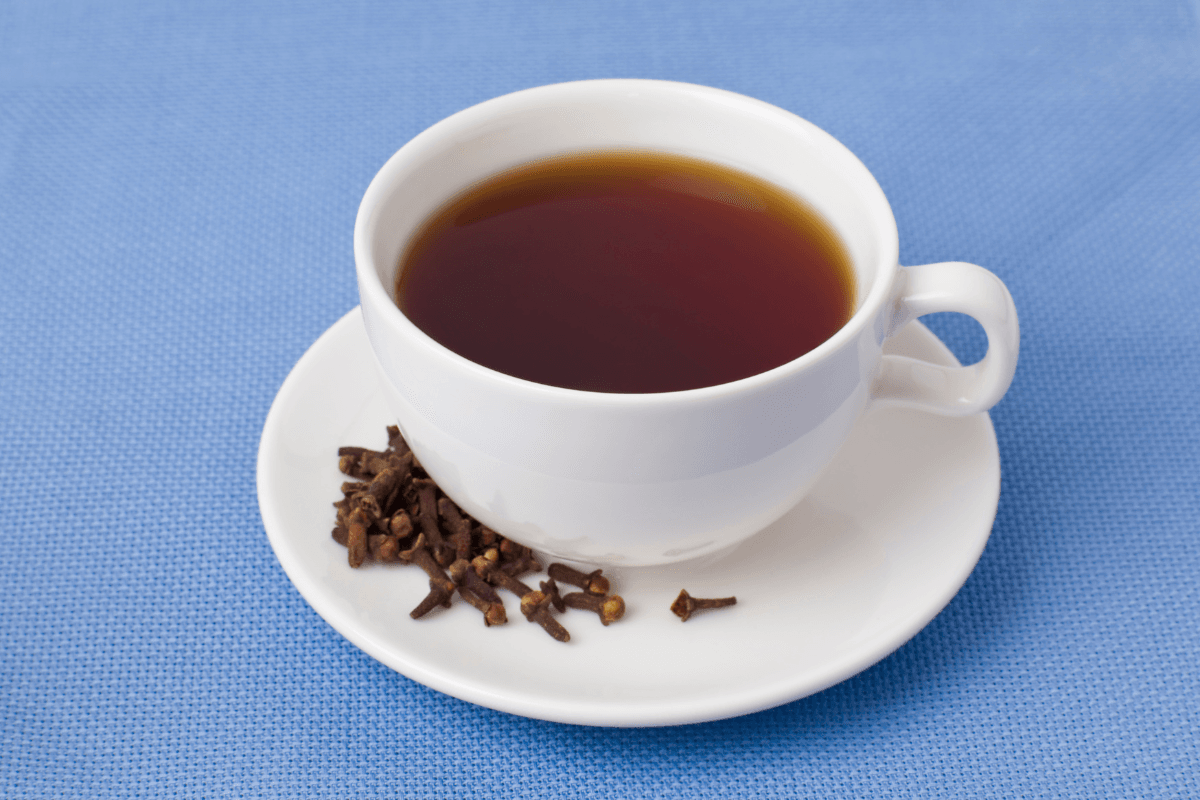
Plain, unsweetened black tea can usually fit into a diabetes-friendly routine, but it is not a treatment for diabetes. The phrase black tea good for diabetes is best understood as a beverage question: brewed tea has little or no carbohydrate, while sugar, honey, sweet milk, syrups, and bottled tea drinks can raise blood glucose much more than the tea itself.
Why this matters is simple. Tea is part of many daily routines, so small changes can affect glucose patterns, caffeine intake, sleep, reflux, and blood pressure. For many people, the biggest benefit comes when plain tea replaces a sweet drink.
Key Takeaways
- Plain black tea is usually very low in carbohydrate.
- Research suggests possible modest effects on after-meal glucose, but findings are limited.
- Sugar, honey, condensed milk, and sweet bottled teas can change the glucose effect quickly.
- Caffeine can affect sleep, reflux, anxiety, heart rhythm, and blood pressure in some people.
- No tea replaces glucose monitoring, nutrition planning, or prescribed diabetes treatment.
Is Black Tea Good for Diabetes? What the Evidence Says
Unsweetened black tea appears reasonable for many adults with diabetes, especially when it replaces sugar-sweetened drinks. Black tea contains polyphenols, including theaflavins and thearubigins. These plant compounds have been studied for possible effects on carbohydrate digestion, insulin sensitivity, inflammation, and postprandial glucose, which means blood sugar after a meal.
Some small human studies suggest black tea may modestly improve after-meal glucose handling in people without diabetes or with prediabetes. Population studies have also reported links between regular tea drinking and lower type 2 diabetes risk. Those findings are interesting, but they do not prove that black tea prevents diabetes or lowers A1C by itself.
The limits matter. Studies vary by tea type, brewing strength, serving size, meal composition, and participant health status. Some studies use questionnaires, which can miss details about sugar, milk, and cup size. Others test short-term glucose response rather than long-term diabetes control. So the safest interpretation is moderate: plain black tea may be neutral to modestly helpful, but it should not be treated like medication.
Why it matters: A better drink choice can help, but it cannot cancel out the rest of the meal.
How Black Tea May Affect Blood Sugar
Black tea is unlikely to raise blood sugar when it is brewed without carbohydrate-containing additions. On its own, plain tea contributes little usable carbohydrate. That makes it different from juice, sweet tea, soda, boba drinks, and many ready-to-drink bottled teas.
The possible metabolic effects come from compounds in the tea leaves, not from caffeine alone. Polyphenols may influence how quickly carbohydrates are broken down and absorbed. They may also affect oxidative stress and vascular function. These mechanisms remain areas of study, and the effects seen in real life are usually small compared with food portions, activity, medication timing, and sleep.
Readers often ask whether black tea can lower blood sugar quickly. It should not be used for that purpose. If your readings are repeatedly high, or if you have symptoms such as unusual thirst, frequent urination, nausea, confusion, or weakness, review your plan with a clinician. Beverage changes are not a substitute for medical assessment.
If you compare readings in different units, a glucose converter can help you translate mg/dL and mmol/L values. It is a general conversion tool, not a way to interpret whether your diabetes plan is working.
Blood Glucose Unit Converter
Convert glucose readings between mg/dL and mmol/L without changing the clinical value.
These calculations are for education only and do not replace clinical advice, diagnosis, or treatment. Always confirm medical decisions with a qualified healthcare professional.
The Preparation Usually Matters More Than the Tea
For most people, the practical answer to black tea good for diabetes depends on what goes into the cup. A plain mug of brewed tea is very different from sweet milk tea, bottled sweet tea, or a tea latte made with syrup. The tea leaves may be the same, but the carbohydrate load is not.
Sugar, honey, and syrups
Tea with sugar behaves like any other sweetened drink. A teaspoon may fit into some meal plans, but it is no longer a near-zero-carbohydrate beverage. Honey and agave are often described as natural, yet they still contribute sugars that can raise glucose. Flavored syrups can add even more carbohydrate because servings are often larger than people realize.
Milk, creamers, and milk tea
Plain milk adds lactose, a natural sugar, along with protein, fat, and calories. A small splash is different from a large milk tea or sweetened latte-style drink. Condensed milk, powdered creamers, and boba toppings can turn tea into a dessert-like beverage. If you are counting carbohydrate, the label or recipe matters more than the name of the drink.
Bottled and ready-made teas
Ready-made tea drinks can be misleading. Some look lighter than soda but still contain added sugar. Check the serving size, total carbohydrate, and added sugars. If the bottle contains more than one serving, the full drink may provide more carbohydrate than the front label suggests.
Quick tip: Test one change at a time, such as plain tea versus your usual sweetened version.
Black Tea, Green Tea, and Herbal Tea: Which Fits Best?
No single tea is universally the best tea for diabetes. Unsweetened black, green, and some herbal teas can all fit into a diabetes-friendly eating pattern. The best choice often depends on caffeine tolerance, taste, medication routines, other health conditions, and whether the drink replaces a higher-sugar option.
Black tea is fully oxidized and tends to contain theaflavins and thearubigins. Green tea is less oxidized and is known for catechins such as EGCG. Both types contain polyphenols, and both are commonly studied for metabolic health. If you want a closer comparison, see Diabetes and Green Tea for related context.
Herbal teas are a broad group. Cinnamon, ginger, turmeric, chamomile, hibiscus, peppermint, and many other infusions differ widely. Some are caffeine-free, which may help people who avoid late-day stimulants. Others can interact with medications or may not be suitable during pregnancy, kidney disease, liver disease, or bleeding-risk conditions. For related nutrition topics, you may also review Cinnamon and Diabetes, Ginger and Diabetes, and Turmeric and Diabetes.
Another common confusion involves black tea and dark tea. In tea classification, dark tea may refer to post-fermented teas, such as some pu-erh styles. That is not the same as standard black tea. Research on dark tea should not automatically be applied to every black tea bag.
Benefits and Side Effects to Weigh
The main benefit of black tea for many people is practical, not dramatic. It can provide a flavorful, low-carbohydrate drink when it is unsweetened. It may also support hydration, offer polyphenols, and help reduce intake of sugary beverages. These benefits depend on preparation and overall diet.
Black tea side effects usually relate to caffeine, acidity, and tannins. Caffeine can cause jitteriness, anxiety, palpitations, headaches, or sleep disruption in sensitive people. Poor sleep can indirectly affect appetite, insulin sensitivity, and glucose patterns. If you already drink coffee, energy drinks, or cola, tea adds to your total caffeine intake.
Reflux and stomach irritation can also occur. Strong tea, tea on an empty stomach, or late-day intake may worsen symptoms in some people. Tannins in tea can reduce iron absorption when tea is taken with iron-rich meals or iron supplements. This matters more for people with iron deficiency, anemia, heavy menstrual bleeding, or diets low in iron.
Blood pressure needs nuance. Some people have a temporary rise in blood pressure after caffeine, especially if they rarely use it or are sensitive to stimulants. Others tolerate moderate tea intake without a clear issue. If you track blood pressure at home, look at patterns rather than one isolated reading.
People who are pregnant, trying to conceive, highly caffeine-sensitive, prone to arrhythmias, or managing kidney disease should ask a clinician or registered dietitian how tea fits their situation. The same applies if you take medicines that can cause hypoglycemia, such as insulin or some insulin-stimulating medications, and you are changing meal or beverage routines.
How Much Black Tea Is Reasonable?
There is no universal cup limit that fits every person with diabetes. A reasonable amount depends on caffeine tolerance, other caffeine sources, sleep, reflux, blood pressure, pregnancy status, kidney health, and medication schedule. For many adults, moderate intake is easier to tolerate than heavy daily use.
Instead of chasing a specific number, look at your response. Does tea replace a sugary beverage? Does it make you want sweet snacks? Does it disturb sleep? Does it worsen heartburn? Does your glucose pattern change when the recipe changes? Those answers are more useful than a general rule.
If you monitor at home, keep the cup size, brewing strength, and add-ins consistent when comparing readings. Also separate the drink from the meal. A high reading after tea may reflect breakfast, stress, illness, poor sleep, medication timing, or a sweetener rather than the tea alone.
- Start plain first; add ingredients deliberately.
- Check labels; bottled tea varies widely.
- Watch timing; late caffeine can affect sleep.
- Track symptoms; include reflux and palpitations.
- Review patterns; bring repeated changes to appointments.
If you need broader diabetes education, the Diabetes Articles collection groups related reading. The Diabetes condition page is a browsing page for related items and should not replace medical guidance.
Where Tea Fits in Diabetes Care
Tea can support a diabetes plan when it helps you reduce added sugar and choose drinks more intentionally. It cannot replace carbohydrate planning, movement, sleep, medication use, glucose monitoring, or regular follow-up. That is especially important for people with repeated highs or lows, pregnancy, kidney disease, gastroparesis, eating disorders, or medication-related hypoglycemia risk.
If you are considering tea extracts or concentrated supplements, treat them differently from brewed tea. Extracts can contain higher amounts of active compounds and may carry different interaction risks. L-theanine supplements are also not the same as a cup of tea, even though L-theanine occurs naturally in tea leaves.
For readers interested in why plant compounds are discussed in diabetes nutrition, Polyphenols and Diabetes offers related background. Keep the same standard for any food, drink, or supplement: look at the evidence, check the full ingredient list, and review unusual glucose changes with a qualified professional.
Authoritative Sources
- For a randomized human study, see this PubMed record on post-meal glucose.
- For population-level evidence, review this NIH-hosted article on tea intake.
- For broader diabetes lifestyle guidance, see NIDDK healthy living with diabetes guidance.
The balanced answer is that black tea good for diabetes usually means plain, unsweetened tea can be a sensible beverage choice. Its value depends on what you add, how you tolerate caffeine, and how the drink fits into your broader diabetes care plan.
This content is for informational purposes only and is not a substitute for professional medical advice.