
There is no single answer to what is the best injection for weight loss. The best choice is the prescription option that matches your indication, health history, side-effect risk, other medicines, pregnancy plans, and ability to follow up with a clinician. For many eligible adults, GLP-1 or dual GIP/GLP-1 medicines are the main injection options. The safest decision is not based on speed alone.
That distinction matters because these medicines are not cosmetic shortcuts. They affect appetite signals, stomach emptying, glucose regulation, and sometimes other prescriptions. A careful comparison should start with approved use and safety, then move to practical access and monitoring.
Key Takeaways
- There is no universal best weight-loss injection.
- Approved use matters as much as expected weight change.
- Semaglutide, tirzepatide, and liraglutide products differ.
- Digestive side effects are common and can affect treatment.
- Urgent symptoms need medical review, not home dose changes.
How to Decide What Is the Best Injection for Weight Loss
The right injection depends on two separate questions: which medicine has strong weight-management evidence, and which one is appropriate for you. Those answers can differ. A medication may look promising in studies but still be a poor fit because of digestive disease, pancreatitis concerns, gallbladder history, pregnancy plans, medication interactions, or cost and access limits.
Most current prescription injections for weight management work through incretin pathways. GLP-1 stands for glucagon-like peptide-1, a gut hormone involved in fullness, appetite, stomach emptying, and insulin release. Some newer medicines also affect GIP, or glucose-dependent insulinotropic polypeptide, another hormone involved in metabolic signaling.
For a broader foundation, see GLP-1 Drugs for Weight Loss. That background helps explain why appetite may fall for some people, while nutrition, activity, sleep, and follow-up still matter.
Why it matters: A strong average result does not prove a medicine fits one person.
A good comparison also starts with the reason for treatment. Some people have obesity with weight-related conditions. Others have type 2 diabetes and want weight reduction as part of metabolic care. Some people do not have diabetes but meet criteria for chronic weight management. These groups may be offered different products, even when the active ingredient or drug class sounds similar.
When people ask which GLP-1 is best for weight loss, they often mean which option produces the largest average weight reduction. That is only one decision factor. Prescribers also weigh tolerability, contraindications, glucose-lowering medicines, past response to treatment, and whether the product is approved for that person’s situation.
Injection Options and Where They May Fit
Prescription weight-loss injections are not interchangeable. Product names, approved uses, dosing schedules, and warnings vary by country and label. The following comparison gives practical orientation, not a personal ranking.
| Injection type | Where it may fit | Key caution |
|---|---|---|
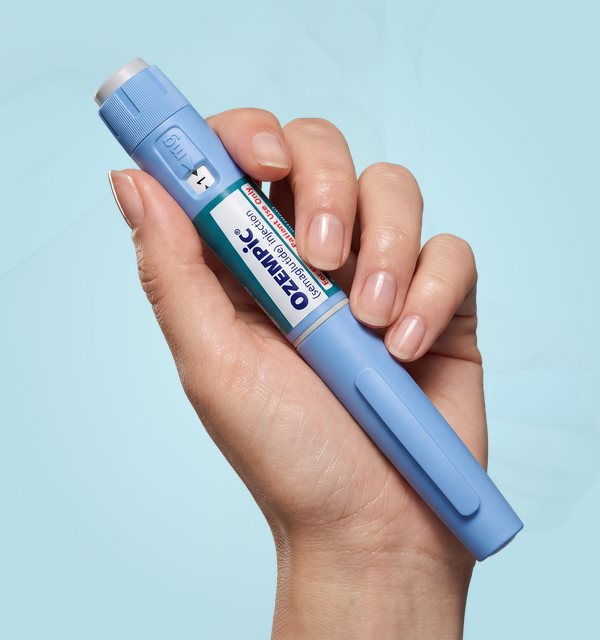
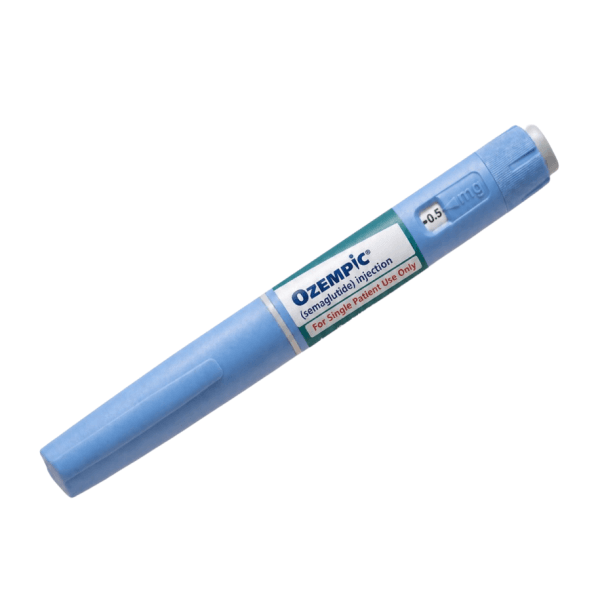
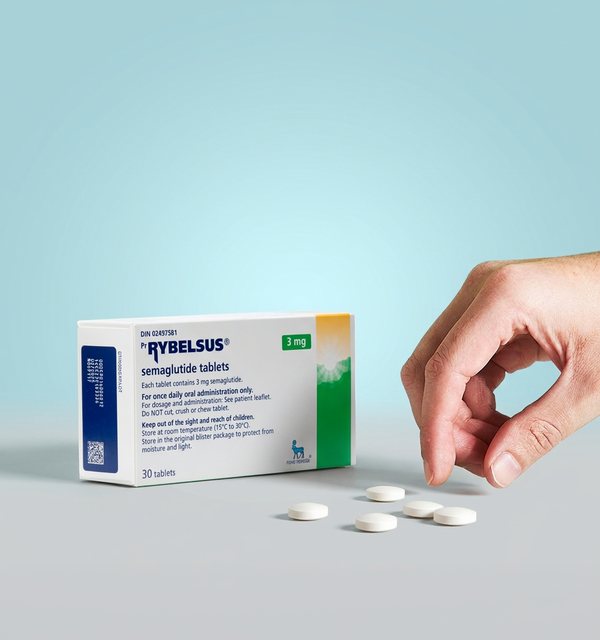
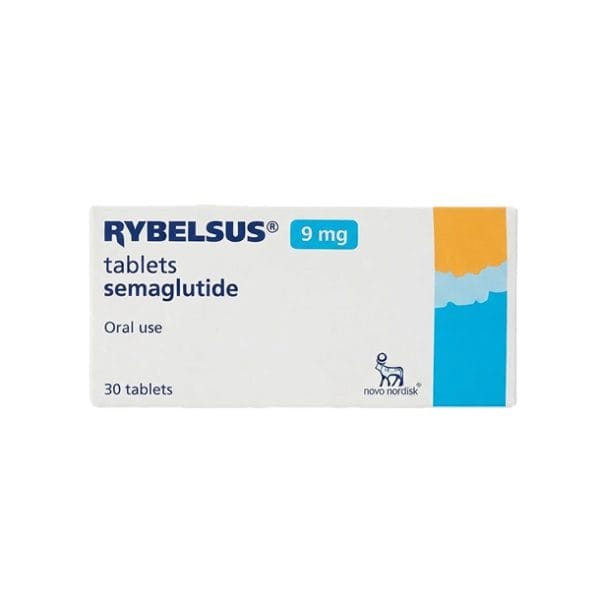
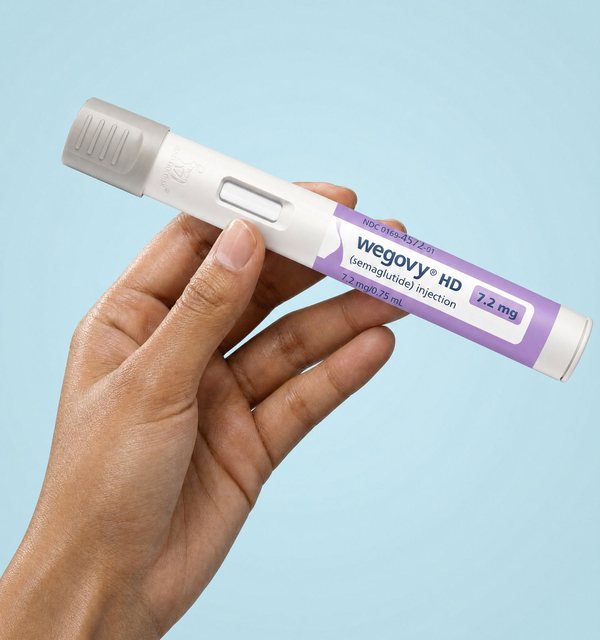
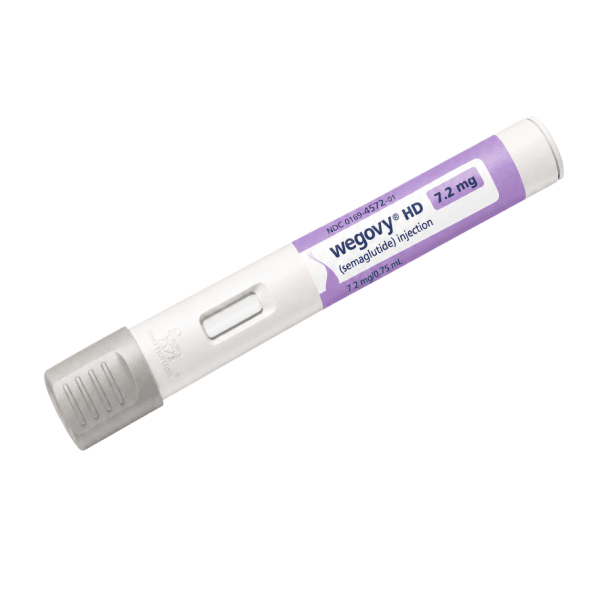
| Semaglutide products | Wegovy is a semaglutide product used for chronic weight management in specific patients. Ozempic is a semaglutide product used for type 2 diabetes, with weight loss sometimes discussed off-label. | Digestive side effects are common. Product indication matters, so diabetes and weight-management versions should not be treated as identical. |
| Tirzepatide products | Zepbound is a tirzepatide product used for chronic weight management in specific patients. Mounjaro is used for type 2 diabetes in many settings. | Tirzepatide acts on both GIP and GLP-1 pathways. Side effects and glucose-lowering combinations still need review. |
| Liraglutide products | Saxenda is a liraglutide product used for weight management in eligible patients. It is an older GLP-1 option. | Some people consider it when other options are unsuitable, but tolerability and injection burden still matter. |
| Other or emerging agents | Research continues on oral medicines and multi-receptor agents. Some products may not be approved for weight management. | Research status is not the same as approved clinical use. Confirm current approval and safety information. |
For readers comparing two commonly discussed options, Wegovy vs Zepbound reviews major practical differences. For a mechanism-based comparison, Tirzepatide vs Semaglutide explains how these active ingredients differ.
Some readers also compare semaglutide with liraglutide. Saxenda vs Wegovy can help frame that older-versus-newer GLP-1 discussion without treating either medicine as automatically better for every person.
Effectiveness, Speed, and Realistic Expectations
The most effective weight-loss injection for one person is not always the fastest one on paper. Trial averages, real-world adherence, side effects, access, and ongoing lifestyle support all influence results. A medicine that causes difficult nausea or vomiting may be hard to continue, even if it appears effective in a study population.
Weight change is usually gradual. Some people notice appetite changes before visible weight loss. Others have side effects first, or need time to adjust meals around lower hunger. Early scale movement also does not show hydration status, muscle preservation, glucose stability, or mental health effects.
Ask your prescriber how progress will be measured beyond weight. Useful markers may include waist changes, blood pressure, A1C, lipids, mobility, sleep symptoms, medication needs, or quality of life. These measures can give a fuller picture than a single weigh-in.
The calculator below can help estimate percentage body-weight change and progress toward a stated goal. It is a tracking aid only. It does not confirm eligibility, predict results, or replace clinical judgment.
Weight-Loss Progress Calculator
Track percentage body-weight change and progress toward a target weight.
These calculations are for education only and do not replace clinical advice, diagnosis, or treatment. Always confirm medical decisions with a qualified healthcare professional.
Tracking should be consistent, not obsessive. Weighing at the same time of day and using the same scale can reduce noise. If the scale affects your mood or eating patterns, ask your care team about another monitoring plan.
Side Effects Can Decide the Best Fit
Side effects of weight loss shots often involve the gastrointestinal tract. Nausea, vomiting, diarrhea, constipation, abdominal discomfort, reflux, and reduced appetite can occur. These effects may be mild for some people and disruptive for others.
More serious concerns are less common but important. Labels for GLP-1 and related medicines describe warnings that may include pancreatitis, gallbladder problems, kidney problems related to dehydration, severe allergic reactions, and thyroid C-cell tumor warnings for certain products. People using insulin or sulfonylureas may also need careful monitoring because hypoglycemia, or low blood sugar, can be more likely when medicines are combined.
Seek urgent medical help for severe or persistent abdominal pain, repeated vomiting, signs of dehydration, trouble breathing, swelling of the face or throat, fainting, or symptoms of very low blood sugar. Do not stop, restart, or change a prescription dose without medical guidance.
Safety also includes nutrition. Appetite suppression can make it easier to undereat protein, fluid, fibre, or micronutrients. People with diabetes, kidney disease, pregnancy plans, eating disorder history, gastroparesis, or repeated blood sugar highs or lows should involve a clinician or registered dietitian before making major nutrition changes.
Who May Be a Candidate and Who Needs Extra Caution
Prescription anti-obesity medicines are usually considered for adults who meet specific body mass index criteria, often with weight-related health conditions. Exact criteria depend on the medicine, country, age group, and clinical situation. A clinician may also check whether weight gain relates to another condition, a medication, sleep problems, mental health, or major life changes.
People without diabetes may still be candidates for certain weight-management medicines if they meet approved criteria. The key point is product indication. A diabetes medicine discussed for weight loss is not automatically the same as an approved obesity treatment.
Extra caution is usually needed for people with a personal or family history covered by thyroid tumor warnings, prior pancreatitis, significant gallbladder disease, severe gastrointestinal disease, kidney problems, pregnancy, or plans to become pregnant. This does not mean every person in these groups can never use these medicines. It means the risk review must be individualized.
Age also matters. Some products have adolescent indications in certain jurisdictions, while others do not. Youth treatment should involve clinicians experienced in pediatric obesity care, growth, nutrition, mental health, and family support. Weight-loss medicines should never be used to chase social pressure or celebrity results.
At-Home Use, Monitoring, and Access Questions
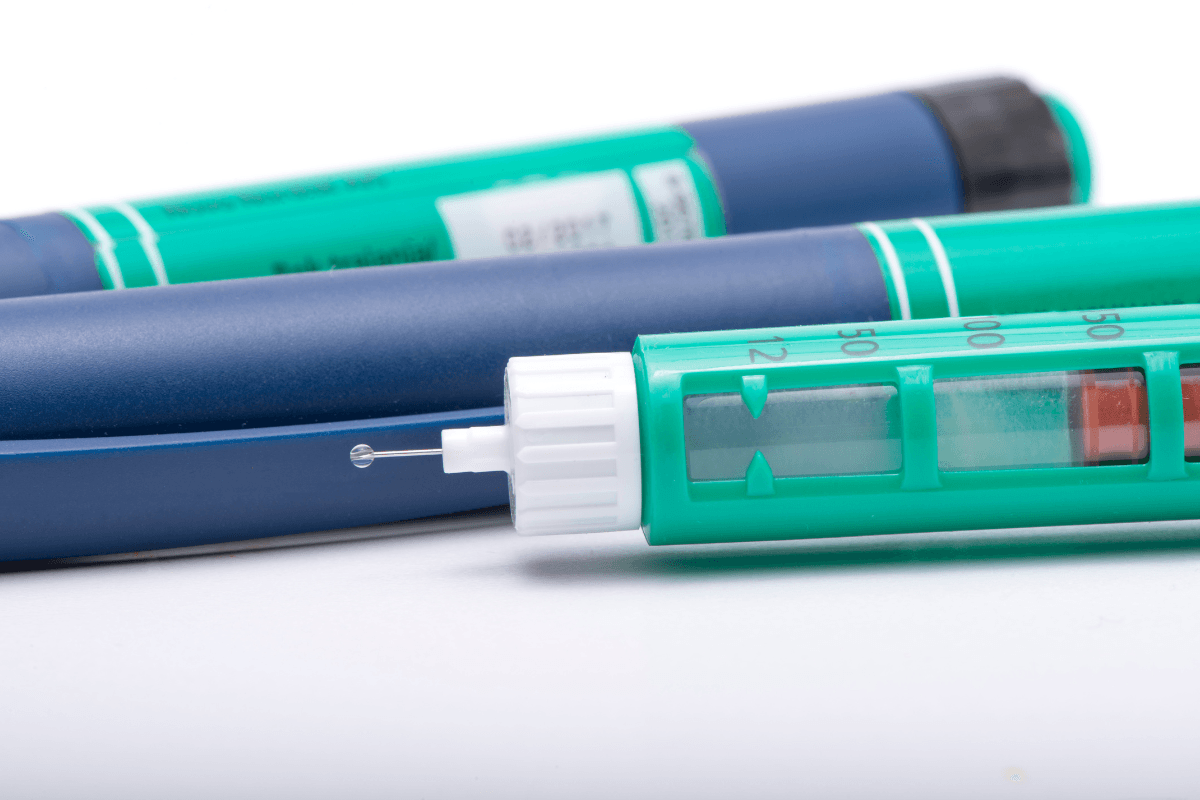
Many weight-management injections are designed for subcutaneous use, meaning they go under the skin rather than into a muscle. If a prescriber chooses an at-home medicine, training usually covers injection-site rotation, pen handling, storage, missed-dose instructions, and sharps disposal. Product instructions should be followed exactly.
At-home use should not mean unsupervised care. Monitoring may include side effects, weight trends, blood pressure, glucose readings for people with diabetes, pregnancy planning, and lab work when clinically appropriate. People taking insulin or other glucose-lowering medicines should ask how blood sugar changes will be handled.
If you are comparing product types, the Weight Management Products category can help with navigation. Treat product listings as browsing support, not as a substitute for prescription review.
CanadianInsulin.com functions as a prescription referral platform, not as your prescribing clinician. Where required, prescription details may be confirmed with the prescriber, and dispensing is handled by licensed third-party pharmacies where permitted.
Some patients explore cash-pay options and cross-border fulfilment depending on eligibility and jurisdiction. Access questions are practical, but they should not override medical fit. You can also browse related education in the Weight Management article category.
Questions to Bring to a Prescriber
A short list of questions can make the visit more useful. It also keeps the conversation focused on safety rather than hype.
- Approved use: Which product is indicated for my situation?
- Medical history: Which risks matter most for me?
- Other medicines: Could blood sugar or digestion change?
- Side effects: Which symptoms should prompt a call?
- Nutrition: Should I meet a registered dietitian?
- Monitoring: What markers will define progress?
- Stopping plans: What happens if treatment is not tolerated?
Bring a medication list, supplement list, allergy history, pregnancy plans, prior weight-loss attempts, and any blood sugar data if relevant. If you have had gallbladder disease, pancreatitis, severe reflux, gastroparesis, kidney disease, or eating disorder symptoms, mention them early.
In practice, the best question is not which shot works fastest. Ask which option has an approved role for your situation, acceptable risks, realistic monitoring, and a plan for follow-up. That is the clearest way to answer what is the best injection for weight loss in a medically useful way.
Authoritative Sources
- FDA announcement on tirzepatide for chronic weight management
- NIDDK overview of prescription weight-management medicines
- FDA information about GLP-1 receptor agonists
This content is for informational purposes only and is not a substitute for professional medical advice.