
Comparing toujeo vs basaglar helps patients and clinicians make safer choices. Both are long-acting insulin glargine products, but they differ in strength, pens, and pharmacology. This review translates label facts into practical, clinic-ready guidance. It highlights dosing, conversions, and when to consider alternatives.
Key Takeaways
- Different strengths: U-300 for Toujeo, U-100 for Basaglar.
- Do not convert unit-for-unit without clinical oversight.
- Titrate gradually to fasting glucose goals; monitor hypoglycemia.
- Pen devices, priming, and timing affect dose reliability.
- Consider patient factors: kidney function, meals, and variability.
Toujeo vs Basaglar: Pharmacology and Formulations
Toujeo is insulin glargine U-300, while Basaglar is insulin glargine U-100. The higher concentration in Toujeo forms a smaller subcutaneous depot, leading to a flatter, more prolonged profile. Basaglar mirrors Lantus pharmacology but is not a generic; it is a follow-on insulin glargine with its own device and label. These distinctions matter when switching or titrating doses.
Label data support meaningful differences in onset and duration. Toujeo’s effect can extend beyond 24 hours in many users. Basaglar’s duration generally approaches 24 hours, with some variability. For authoritative details, review the Toujeo prescribing information from the FDA (official label information) and the Basaglar FDA label (reference labeling).
Dosing, Titration, and Safety
Start and adjust doses based on fasting glucose patterns, hypoglycemia history, and concurrent therapies. Move in small steps, often 2–3 units every few days, if fasting readings remain above target. Avoid large, rapid adjustments after one high reading; look for a pattern. When you need structured guidance, a toujeo dosage chart can provide helpful ranges, but individual response still governs.
Safety hinges on consistent injection technique, site rotation, and awareness of delayed effects. Toujeo may need several days to show full impact after a dose change. Track readings and symptoms closely for one to two weeks after adjustments. For deeper titration advice, see Toujeo Dosage Complete Guide for step-by-step principles, and review Common Toujeo Side Effects for mitigation strategies.
Switching and Conversions Between Basal Insulins
Conversions require care. Switching from Toujeo (U-300) to Basaglar (U-100), or vice versa, is not a simple unit-for-unit move. Pharmacodynamic differences mean some patients need dose reductions or gradual uptitration to avoid hypoglycemia. Use patterns from several days, not single readings, to judge the new dose. If prandial insulin or GLP-1 therapy also changes, adjust even more cautiously.
Many clinicians consult an insulin conversion calculator to frame initial estimates. Still, calculators cannot replace clinical judgment, patient education, and close monitoring. For background on related basal options, see Difference Between Basaglar Vs Lantus for label contrasts, and Half-Life of Lantus Insulin for duration context that informs switching intervals.
Devices, Pens, and Injection Timing
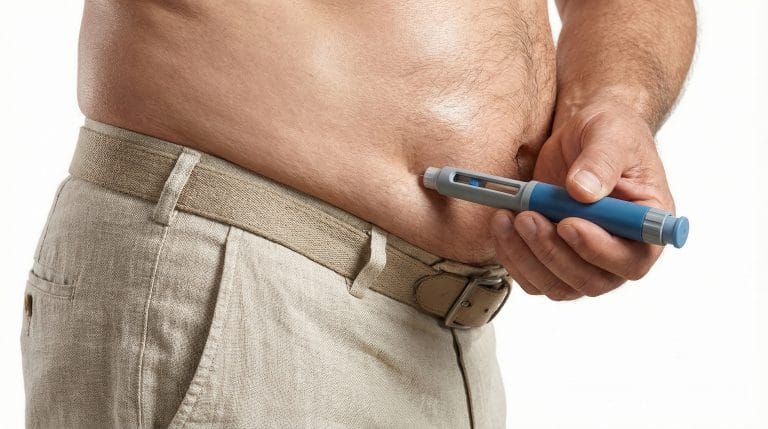
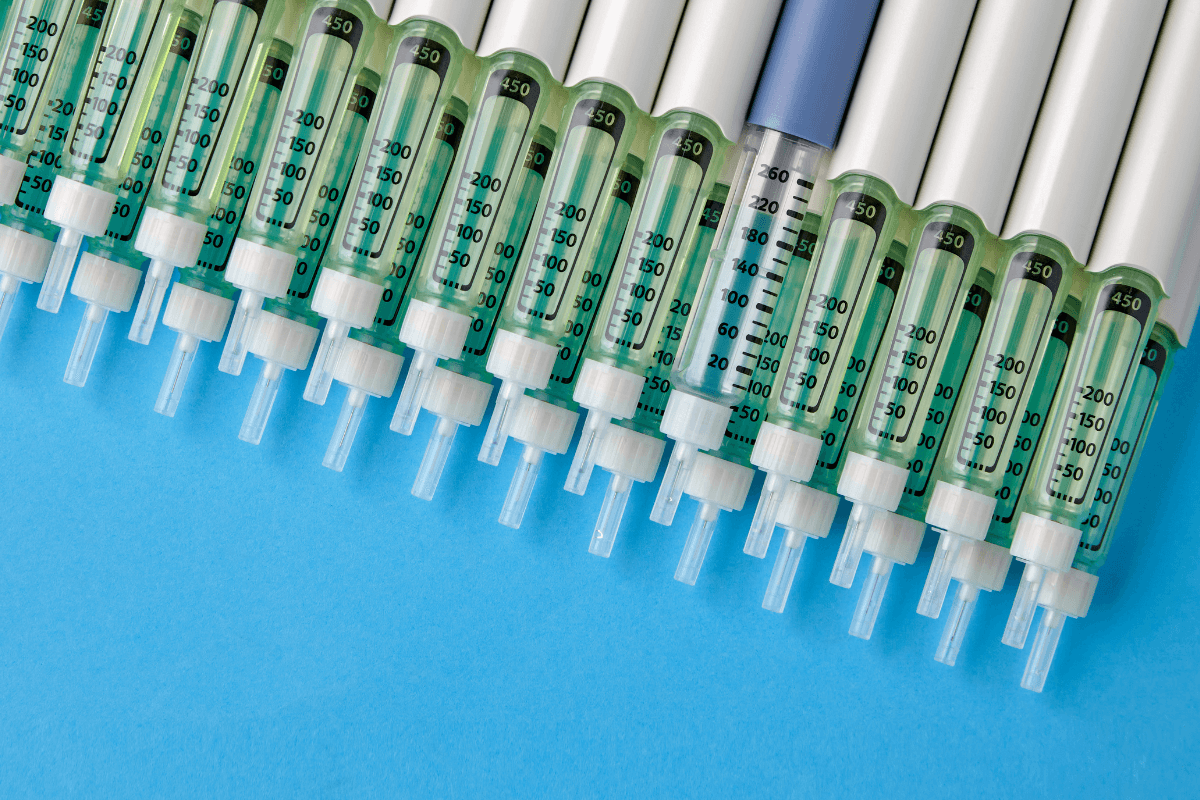
Delivery devices differ, and those differences matter. Toujeo pens deliver smaller injection volumes for the same labeled units because of the U-300 strength. Basaglar pens deliver U-100. Learn priming steps, dose dial accuracy, and maximum dose per click on the device you use. For a device overview, see the Toujeo Doublestar Prefilled Pen page for pen capacity notes and daily-use considerations.
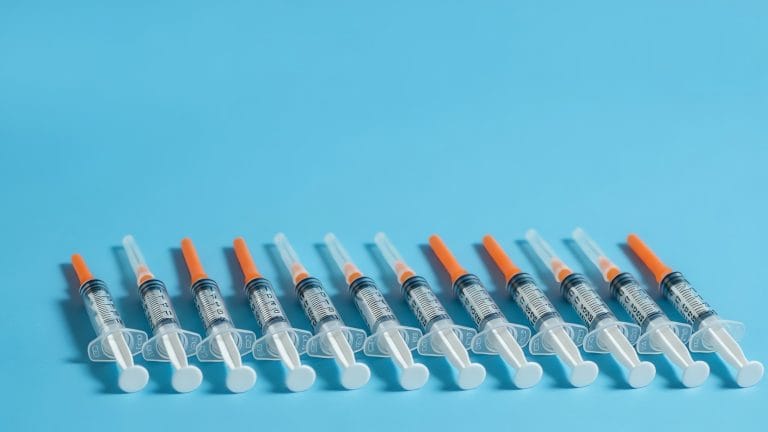
Basal insulin is typically given once daily at the same time. Food does not alter absorption much, yet routines help adherence. Patients often ask about toujeo before or after meals because routines anchor behavior. Choose a consistent time connected to a daily habit. If technique is a concern, reviewing needle and priming details on BD Ultrafine II Syringes can reinforce best practices for reliable injections.
Weight, Hypoglycemia, and Special Populations
Both insulins may contribute to weight gain when overall insulin exposure rises. Behavioral strategies, nutrition support, and careful titration can mitigate this tendency. Avoid reactive stacking after high readings; adjust methodically instead. If nocturnal lows occur, consider small dose reductions or shifting injection timing. Document changes, and reassess fasting and pre-meal patterns after a few days.
Clinicians frequently hear, is 40 units of basaglar a lot. The answer depends on body mass, insulin sensitivity, and concurrent therapies. A lower dose may be excessive for a lean, insulin-sensitive adult but insufficient for a larger individual with insulin resistance. For counseling around adverse effects and practical safeguards, see Managing Basaglar Side Effects, and for context on weight change with basal glargine, review Lantus and Weight Gain to understand mechanisms that may also apply.
Drug Class and Mechanism Clarified
Insulin glargine is a basal insulin analog designed for slow, steady absorption. It is not a GLP-1 receptor agonist. Patients sometimes ask, is toujeo a glp-1, because combination products exist. Clarifying the class helps set realistic expectations about weight, glucose variability, and hypoglycemia risk. If post-meal control is the problem, address mealtime insulin or non-insulin agents rather than increasing basal indefinitely.
Combination therapy can be appropriate in select cases. For example, insulin glargine plus lixisenatide is available as a fixed-ratio product; see Soliqua SoloStar Pens for device and combination details. For broader context on how insulin products differ by formulation and action, review Insulin Products Are Not Equal for classification and storage nuances.
How They Compare With Lantus and Tresiba
Basaglar is a follow-on to Lantus, and their pharmacology is closely aligned. Toujeo, being U-300, provides a flatter and often longer action profile. When comparing across classes, degludec (Tresiba) offers ultra-long activity and flexible timing. Keep the patient’s schedule, hypoglycemia risk, and injection comfort in view before switching. No single basal option fits every scenario.
When weighing toujeo vs tresiba, consider duration, dosing flexibility, and prior hypoglycemia. If you need a refresher on the Lantus lineage and follow-ons, read Basaglar vs Lantus for clinical trade-offs. For a look at degludec delivery specifics, the Tresiba FlexTouch Pens page outlines pen features that may affect adherence.
Naming, Labeling, and Generics
Both Toujeo and Basaglar use the nonproprietary name insulin glargine. While Basaglar is highly similar to Lantus, it is not a generic substitution in the traditional sense. Device mechanics, label instructions, and post-marketing experience differ. In clinical documentation, spell out the brand and strength to avoid confusion, especially when coordinating refills or transitions between care settings.
Patients often search for basaglar generic name when comparing options. Clarify that it is insulin glargine U-100 in a distinct pen platform. For practical explanations about naming, device, and substitution rules, see Basaglar Generic Name Guide. For mechanism background on the higher-strength product, read What Is Toujeo Insulin to understand why concentration affects volume and kinetics.
Recap
Toujeo (U-300) and Basaglar (U-100) are both insulin glargine, yet they behave differently in real life. Safe practice favors small titration steps, consistent timing, and careful conversion plans. Use label guidance and patient patterns to refine dosing. For clinical standards on insulin use and titration strategies, the American Diabetes Association provides annually updated guidance (Standards of Care insulin therapy). Also, consult the FDA-approved product labels for final authority on dosing, indications, and safety.
Note: Store and handle pens exactly as labeled to protect dose reliability. For detailed thresholds, see Insulin Storage Temperature for practical temperature ranges and time limits.
This content is for informational purposes only and is not a substitute for professional medical advice.