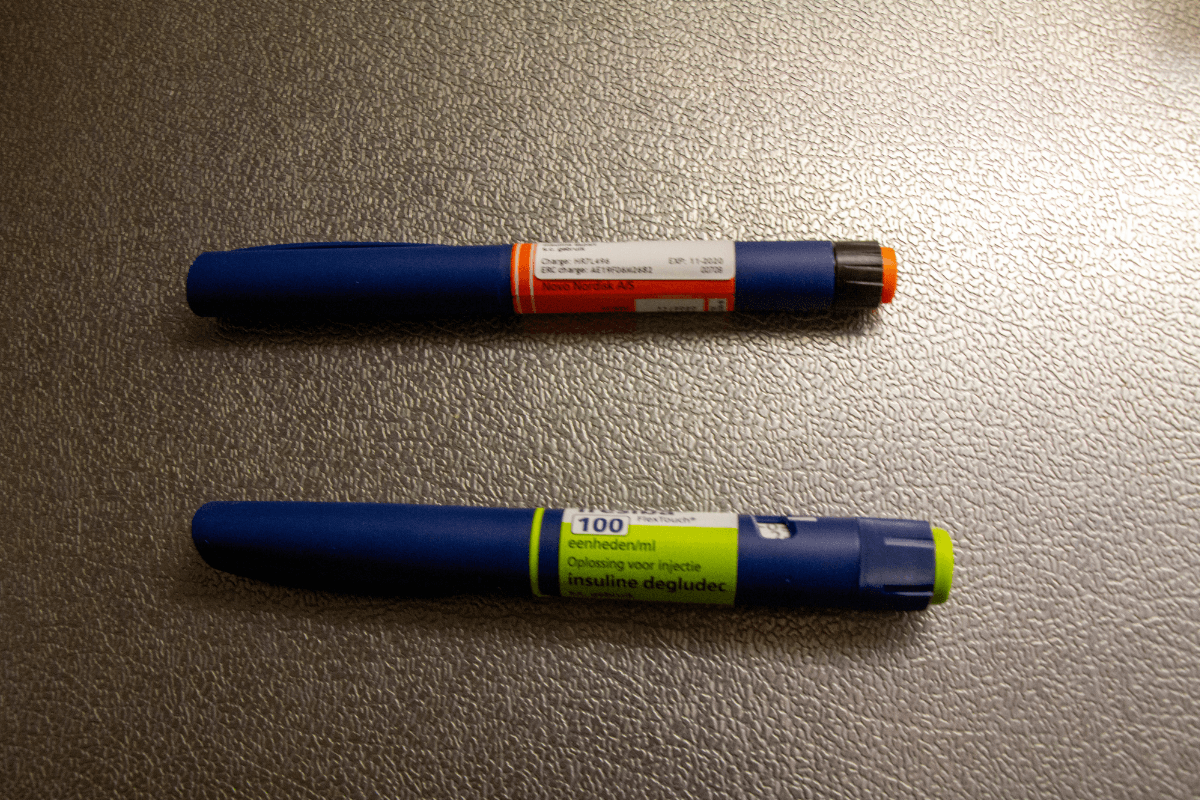
Tresiba is a long-acting basal insulin used to help control high blood sugar in people with diabetes. The main tresiba uses are background insulin coverage in type 1 diabetes, where it is usually paired with mealtime insulin, and basal insulin support in type 2 diabetes, where it may be used alone or with other diabetes medicines. It is not a weight-loss drug and is not the same type of medicine as Ozempic.
Why this matters: basal insulin affects fasting and overnight glucose, so dosing, timing, missed-dose plans, and low-blood-sugar prevention need careful review with a clinician.
Note: Do not change, skip, split, or restart insulin without medical guidance. Product labels and local prescribing standards may differ.
Key Takeaways
- Primary role: provides steady basal insulin coverage.
- Diabetes types: used in type 1 and type 2 diabetes care.
- Dosing approach: individualized and adjusted gradually.
- Main risk: hypoglycemia, especially with dose errors.
- Technique matters: prime pens and rotate injection sites.
Understanding Tresiba Uses and Indications
Tresiba insulin is insulin degludec, an ultra-long-acting insulin analog. It is used to improve glycemic control in people with diabetes. In plain terms, it helps supply the background insulin your body needs between meals and overnight.
In type 1 diabetes, basal insulin does not replace rapid-acting insulin for meals. It works alongside bolus insulin to cover different glucose patterns. In type 2 diabetes, it may be added when non-insulin therapies do not provide enough fasting glucose control, or when a clinician decides basal insulin is appropriate.
Tresiba uses do not include weight loss. Some people gain weight after starting insulin because glucose is used and stored more effectively. If weight change is a major concern, discuss nutrition, activity, other medicines, and hypoglycemia prevention with your care team rather than adjusting insulin on your own.
Tresiba is also different from GLP-1 receptor agonists such as semaglutide. Ozempic is a GLP-1 medicine, while Tresiba is insulin. They work through different mechanisms and may be used for different reasons in diabetes care. Some treatment plans include both types, but only under clinician supervision.
For a broader medication profile, see Tresiba Uses, Dosage, and Side Effects. For condition-level browsing, the Diabetes collection lists related diabetes treatment pages.
How Basal Insulin Works in Daily Care
Basal insulin covers background insulin needs rather than meal spikes. After subcutaneous injection, insulin degludec forms a depot under the skin and releases slowly. This creates a long, relatively steady glucose-lowering effect for many users.
This steady profile can help reduce gaps between daily doses. It may support fasting and overnight glucose control when the dose matches the person’s needs. However, no basal insulin removes the need for monitoring, meal planning, and sick-day instructions.
The Tresiba FlexTouch pen is a common delivery option. Users set the dose with a dial, attach a new needle, prime the pen, and inject into recommended subcutaneous sites. The abdomen, thigh, and upper arm are common areas, but site rotation helps lower the risk of lipodystrophy, which means changes in fatty tissue under the skin.
For pen-format details, see Tresiba FlexTouch Pens. Product pages can help identify the format being discussed, but dosing and suitability should come from your prescription and care team.
Dosing Basics, Titration, and Missed Doses
Tresiba dosage is individualized because insulin needs vary widely. Clinicians consider diabetes type, current medicines, glucose readings, hypoglycemia history, kidney function, activity level, diet patterns, illness, and pregnancy status when planning a regimen.
Many basal insulin plans start conservatively and adjust in small steps. Fasting glucose trends often guide titration. A single high or low reading may not reflect the full pattern, so clinicians usually review several days of data when possible.
A Tresiba dose calculator or dosage chart may help organize numbers, but it cannot replace prescribing judgment. Online tools may not account for recent hypoglycemia, missed meals, steroid use, alcohol, kidney changes, or changes in rapid-acting insulin. Use them only as general discussion aids if your clinician approves.
If you track readings in different units, a converter can reduce transcription errors before appointments. This tool converts blood glucose between mg/dL and mmol/L; it does not recommend insulin doses.
Blood Glucose Unit Converter
Convert glucose readings between mg/dL and mmol/L without changing the clinical value.
These calculations are for education only and do not replace clinical advice, diagnosis, or treatment. Always confirm medical decisions with a qualified healthcare professional.
Missed-dose instructions should follow the product label and your clinician’s plan. The official label describes minimum spacing between doses for adults and advises extra glucose monitoring after changes. If a dose is missed, do not double up unless a healthcare professional specifically instructs you.
Quick tip: Keep a written missed-dose plan with your meter, CGM app, or insulin supplies.
Questions about the maximum dose of Tresiba should go to the prescribing clinician. Higher insulin needs can occur with insulin resistance, infection, steroid therapy, or other factors. Pen delivery limits and daily dose changes require careful review to avoid underdosing or accidental overdose.
Safety Profile and Side Effects to Watch
The most important safety issue with Tresiba is hypoglycemia, or low blood sugar. Symptoms may include shakiness, sweating, hunger, headache, palpitations, confusion, blurred vision, or weakness. Severe hypoglycemia can cause seizures, loss of consciousness, or require help from another person.
Common side effects can include injection-site reactions, itching, rash, weight gain, and swelling. Repeated injections into the same area can cause lipodystrophy, which may affect insulin absorption. Rotating sites and using a fresh needle each time helps reduce this risk.
Rare but serious reactions can include severe allergic reactions, significant potassium changes, or severe hypoglycemia. Seek urgent care for trouble breathing, swelling of the face or throat, fainting, severe confusion, seizure, or low blood sugar that does not improve with standard rescue steps.
Some medicines can change insulin needs. Examples include corticosteroids, certain blood pressure medicines, GLP-1 receptor agonists, SGLT2 inhibitors, and thiazolidinediones. Alcohol, vomiting, reduced food intake, and unplanned exercise can also shift glucose patterns.
Tresiba uses in pregnancy require individualized medical review. Insulin is often part of diabetes care during pregnancy, but insulin needs can change quickly. People who are pregnant, planning pregnancy, or breastfeeding should follow a clinician-led plan and monitor as directed.
People sometimes ask whether Tresiba affects the kidneys. Insulin degludec is not usually described as a direct kidney-damaging medicine, but kidney function can affect insulin requirements and hypoglycemia risk. If kidney disease is present, dose decisions and monitoring need closer clinical oversight.
For a deeper safety discussion, see Tresiba Side Effects. For broader basal insulin context, Basal Insulin Types and Dosing explains how long-acting options fit into treatment plans.
Using the Pen Correctly and Avoiding Dose Errors
Correct pen technique improves dose accuracy and lowers preventable risk. Always confirm the insulin name and strength before injecting. This is especially important if more than one insulin pen is stored at home.
Before each injection, attach a new needle and prime the pen as directed. Priming confirms insulin flow and helps remove air from the needle. After dialing the dose, inject into clean skin and hold the needle in place for the time stated in the instructions.
Rotate injection sites within a broader area. Do not repeatedly inject into lumps, thickened skin, bruises, scars, or tender areas. These areas may absorb insulin unpredictably.
Showering after insulin is usually not the key issue. The practical concern is avoiding irritation, contamination, or heat exposure around the injection site. Let alcohol dry before injecting, avoid rubbing the area aggressively, and follow the instructions you received from your care team.
What happens if you take a double dose of Tresiba depends on the amount, timing, food intake, activity, and other medicines. Because this insulin lasts a long time, extra insulin may increase hypoglycemia risk for an extended period. Check glucose more often, follow your prescribed low-glucose plan, and contact a healthcare professional or poison control service for individualized guidance.
Comparing Basal Insulin Options
Basal insulins differ in duration, timing flexibility, concentration, device design, and how they fit a person’s routine. Tresiba, Lantus, Basaglar, Toujeo, and Levemir are examples within the long-acting insulin category, but they are not interchangeable without a clinician’s plan.
People often compare Tresiba vs Lantus when they need a once-daily basal option. Both are long-acting insulins, but they use different insulin molecules and may have different timing and device considerations. Switching between them can affect glucose patterns, so conversion should be supervised.
For a focused comparison, see Tresiba vs Lantus. For a generic comparison of degludec and glargine, see Insulin Degludec vs Insulin Glargine.
Tresiba vs Levemir is another common discussion. Levemir may require different timing or dosing frequency for some people, while degludec has a longer action profile. The best option depends on glucose patterns, hypoglycemia risk, device preference, cost, and clinician judgment.
When comparing alternatives, bring specific questions to your appointment:
- Timing fit: how dosing aligns with your schedule.
- Hypoglycemia history: when lows usually occur.
- Device needs: pen style, dexterity, and vision.
- Glucose patterns: fasting, overnight, and post-meal trends.
- Other medicines: agents that may change insulin needs.
Readers reviewing access options may also browse the Diabetes Product Category. CanadianInsulin.com is a prescription referral platform; where required, prescription details may be confirmed with the prescriber, while dispensing is handled by licensed third-party pharmacies where permitted.
Authoritative Sources
The official U.S. prescribing information provides label-backed details on indications, administration, contraindications, warnings, and missed-dose guidance.
The FDA-approved label document is another regulatory reference for insulin degludec safety and use information.
The ADA Standards of Care summarize current clinical guidance on diabetes management, insulin use, and hypoglycemia prevention.
Recap
Tresiba uses center on basal insulin coverage for people with diabetes. It can support fasting and overnight glucose control, but it must be matched to the person’s overall regimen, monitoring data, and safety risks.
Before changing any insulin plan, review glucose logs, missed-dose questions, side effects, pregnancy status, kidney concerns, and other medications with a healthcare professional. Careful technique and a clear hypoglycemia plan are just as important as the prescription itself.
This content is for informational purposes only and is not a substitute for professional medical advice.