
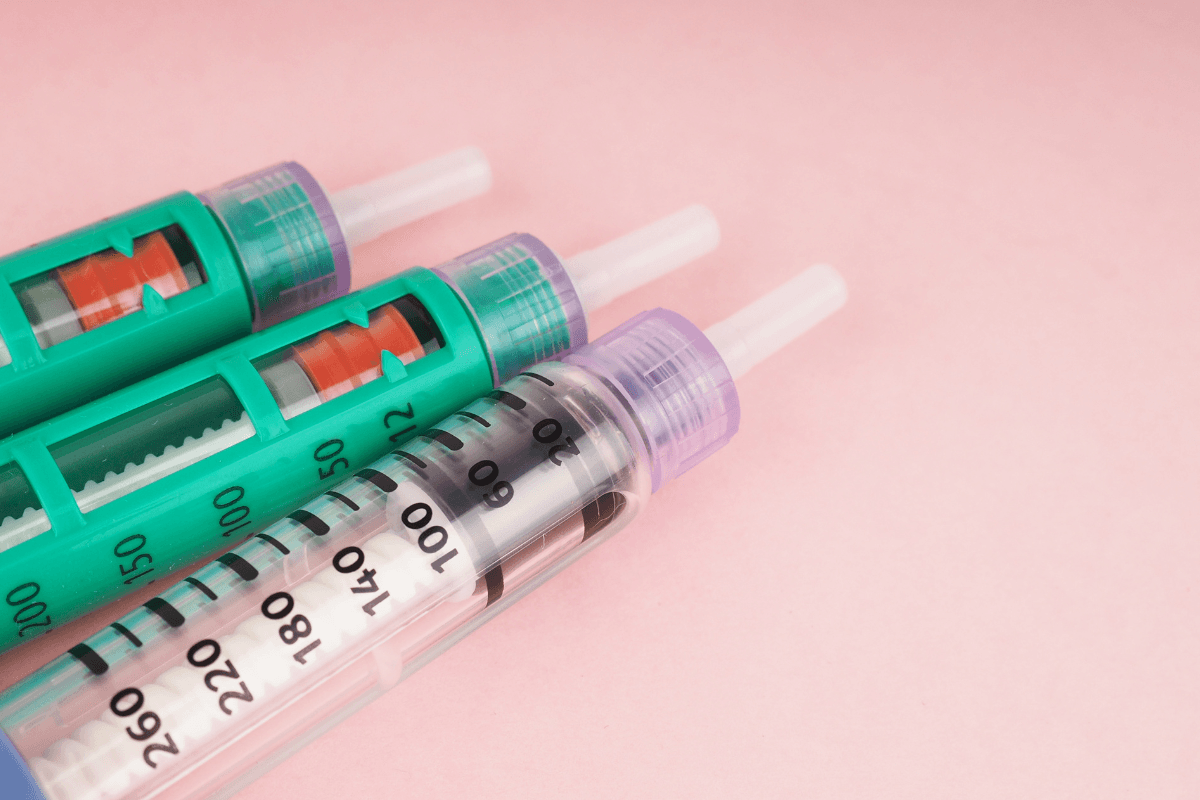
Trulicity vs Mounjaro is mainly a comparison between two once-weekly injectable medicines for type 2 diabetes that work in different ways. Trulicity contains dulaglutide, a GLP-1 receptor agonist. Mounjaro contains tirzepatide, which acts on both GIP and GLP-1 receptors. That difference can affect blood sugar response, weight change, side effects, and switching decisions.
Neither medicine is automatically better for every adult. The right fit depends on treatment goals, tolerability, medical history, other diabetes medicines, and access. People comparing these drugs should review the choice with the prescribing clinician rather than switching or combining injections on their own.
Key Takeaways
- Different active drugs: Trulicity uses dulaglutide; Mounjaro uses tirzepatide.
- Different receptor targets: Trulicity acts on GLP-1; Mounjaro acts on GIP and GLP-1.
- Average effects differ: Mounjaro may lead to larger A1C and weight reductions in many adults.
- Side effects overlap: nausea, diarrhea, vomiting, constipation, and appetite changes are common.
- Switching needs planning: these medicines are not typically used together.
Prescription details may need confirmation with the prescriber before any access or dispensing pathway can proceed.
Trulicity vs Mounjaro at a Glance
Both medicines are used in type 2 diabetes care, but they are not interchangeable versions of the same drug. Trulicity is dulaglutide, a GLP-1 receptor agonist. Mounjaro is tirzepatide, a dual GIP and GLP-1 receptor agonist. In plain language, both support meal-related insulin response, but tirzepatide affects two incretin pathways rather than one.
This matters because the mechanism can shape both benefit and tolerability. Many people ask what is stronger, what causes fewer side effects, and whether one supports more weight loss. Those are reasonable questions, but they do not replace a personal review of safety history and current treatment goals.
| Feature | Trulicity | Mounjaro |
|---|---|---|
| Active ingredient | Dulaglutide | Tirzepatide |
| Drug class | GLP-1 receptor agonist | Dual GIP and GLP-1 receptor agonist |
| Typical use | Weekly injectable for type 2 diabetes | Weekly injectable for type 2 diabetes |
| Weight context | Weight loss may occur | Weight loss may be more pronounced on average |
| Common side effects | Nausea, diarrhea, vomiting, constipation, reduced appetite | Similar gastrointestinal effects, often during titration |
| Used together? | Not typically | Not typically |
| Switching | Possible with clinician guidance | Possible with clinician guidance |
Why it matters: Similar weekly injections can differ in mechanism, expected response, and switching approach.
For broader browsing, the Type 2 Diabetes collection groups relevant diabetes-related options. Educational reading is also available in the Type 2 Diabetes Articles section.
How the Two Medicines Work
The core difference is receptor activity. GLP-1 and GIP are incretin hormones, which means they help coordinate the body’s response to food. They can influence insulin release, glucagon control, appetite signaling, and stomach emptying. Glucagon is a hormone that raises blood glucose when the body needs more available sugar.
Trulicity activates the GLP-1 receptor. This can help the body release insulin in a glucose-dependent way, reduce excess glucagon, slow stomach emptying, and reduce appetite in some people. Mounjaro activates both GIP and GLP-1 receptors. That broader receptor activity helps explain why tirzepatide often receives attention in discussions about A1C and weight change.
Still, mechanism is not the whole decision. A person may respond well to dulaglutide and tolerate it comfortably. Another person may need a different approach because A1C remains above target, weight goals are part of the care plan, or side effects make treatment hard to continue.
The Choosing Between Trulicity And Mounjaro page offers another practical comparison for readers who want a broader decision framework.
Benefits for Blood Sugar and Weight
For diabetes care, the main benefit question is usually whether the medicine helps move A1C toward the person’s target without unacceptable side effects. A1C reflects average blood glucose over roughly the past two to three months. Published clinical data suggest tirzepatide may produce larger average A1C reductions than dulaglutide in many adults, but individual results vary.
Weight is another common reason people compare these medications. Both can reduce appetite and may support weight loss in some people. Mounjaro may lead to greater average weight change than Trulicity, but weight response is not guaranteed. Food intake, activity level, other medicines, baseline weight, side effects, and adherence all affect real-world outcomes.
If you are reviewing A1C results, a simple conversion tool can help compare A1C with estimated average glucose. It does not interpret your treatment plan or replace medical guidance.
HbA1c & eAG Calculator
Convert between HbA1c percentage and estimated average glucose using the ADAG relationship.
These calculations are for education only and do not replace clinical advice, diagnosis, or treatment. Always confirm medical decisions with a qualified healthcare professional.
Weight-related expectations also need context. Mounjaro is the diabetes brand of tirzepatide. Tirzepatide also appears in a separate weight-management context under another brand. Readers focused mainly on weight may find the Trulicity And Weight Loss discussion useful, while the Mounjaro Vs Ozempic comparison covers another common adjacent question.
When Trulicity may still fit well
Trulicity is not simply the weaker choice in every situation. It has a longer routine-use history for many patients and clinicians. It also has a labeled cardiovascular risk-reduction role in certain people with type 2 diabetes and established cardiovascular disease or multiple cardiovascular risk factors. That broader context can matter when treatment goals extend beyond A1C alone.
Example: one adult may have stable glucose readings, acceptable A1C, and manageable digestion on dulaglutide. In that case, switching may not offer a clear practical benefit. Another adult may have persistent A1C elevation and a strong need to revisit weight-related goals. That person may have a different discussion with the prescriber.
Why weight loss may not happen
Some people do not lose much weight on Trulicity or Mounjaro. That can happen even when blood sugar improves. Appetite effects vary, and some people cannot reach or tolerate higher doses. Other medicines, fluid shifts, eating patterns, sleep, activity, and medical conditions can also affect body weight. If weight is central to the plan, the prescriber may review whether the current medicine, dose path, and treatment goal still match.
Side Effects, Warnings, and Cautions
Trulicity vs Mounjaro side effects overlap because both affect incretin pathways. The most common problems are gastrointestinal, meaning stomach and bowel related. Nausea, diarrhea, vomiting, constipation, stomach pain, indigestion, and reduced appetite may occur. These effects are often more noticeable when starting treatment or after dose increases.
For some people, symptoms settle as the body adjusts. For others, they interfere with eating, hydration, work, sleep, or glucose management. Vomiting and diarrhea can also raise dehydration risk. This is especially important for people who already have kidney disease, take medicines affected by hydration status, or have trouble maintaining fluid intake.
- Nausea: often worse early in treatment.
- Diarrhea: can affect hydration and routines.
- Vomiting: may require prompt review if repeated.
- Constipation: can be persistent and uncomfortable.
- Low appetite: helpful for some, difficult for others.
- Hypoglycemia risk: higher with insulin or sulfonylureas.
Both medicines carry a boxed warning about thyroid C-cell tumors seen in animal studies. They are generally avoided in people with a personal or family history of medullary thyroid carcinoma or in people with multiple endocrine neoplasia syndrome type 2. Serious allergic reactions, pancreatitis symptoms, gallbladder problems, severe dehydration, and persistent abdominal pain need medical assessment.
People with significant stomach-emptying problems, complex insulin regimens, prior pancreatitis, or severe gastrointestinal disease may need a more cautious review. Pregnancy, planned pregnancy, breastfeeding, kidney concerns, and other medication interactions should also be discussed with a clinician.
The Side Effects Of Mounjaro resource covers tirzepatide tolerability in more detail. For another diabetes injection comparison, see Trulicity Vs Ozempic.
Can You Take Them Together or Switch?
You should not assume Mounjaro and Trulicity can be taken together. Combining them is not standard practice because their effects overlap. Taking both may increase the chance of gastrointestinal side effects and other tolerability problems without a clear routine benefit.
Switching can be possible, but it should be planned by the prescribing clinician. The plan usually considers the last injection date, current dose, starting point for the new medication, side-effect history, and whether insulin or sulfonylureas need closer monitoring. A clinician may also consider recent A1C, home glucose readings, kidney function, hydration issues, and previous adverse reactions.
There is no universal Trulicity-to-Mounjaro conversion chart that safely applies to every person. Dose strength, timing, and titration depend on the individual plan. This is one reason people should not copy another person’s switch schedule, even when the two medicines seem similar.
Quick tip: Bring your current medication list, last injection date, and recent A1C result to the visit.
Questions worth preparing include:
- Goal of switch: A1C, weight, tolerability, or access.
- Last dose timing: when the current injection was used.
- Other medicines: insulin or sulfonylurea use.
- Side-effect history: nausea, vomiting, constipation, dehydration.
- Warning history: thyroid cancer, pancreatitis, gallbladder disease.
- Monitoring plan: glucose checks and symptoms to report.
Fulfillment is handled by licensed third-party pharmacies where permitted, and medication changes still require appropriate prescription review. If access is part of the discussion, the Diabetes Products category can help readers understand how related items are organized for browsing.
Cost, Access, and Related Alternatives
There is no single answer to Trulicity vs Mounjaro cost. Out-of-pocket expense depends on insurance design, formulary rules, deductibles, prior authorization, pharmacy pathway, and local availability. The medicine with the higher list price is not always the one that costs more for a specific person.
Access can also influence continuity. Some people compare these medicines because one is not covered, unavailable, or difficult to refill. Others compare them because weight management has become a larger part of the care plan. CanadianInsulin.com is a prescription referral platform, and some patients explore cash-pay options and cross-border fulfilment depending on eligibility and jurisdiction.
Related options may include other GLP-1 receptor agonists or medications used in weight-management care. Ozempic contains semaglutide and is often discussed in type 2 diabetes comparisons. Wegovy contains semaglutide in a weight-management context. Zepbound contains tirzepatide and is used in a different treatment context than Mounjaro. These distinctions matter because the same or related active ingredients can appear under different brand names and indications.
For neutral navigation, readers can browse the Diabetes Articles section or the Weight Management Articles collection. Product pages such as Mounjaro KwikPen or Trulicity Pens may provide product-specific context, but they should not replace a prescribing discussion.
How to Frame the Decision With a Clinician
The practical comparison is less about picking a winner and more about matching treatment to the person. A clinician may weigh blood sugar targets, weight-related goals, cardiovascular history, kidney status, gastrointestinal tolerance, medication interactions, and access stability.
Trulicity may remain a reasonable choice when glucose control is adequate, side effects are manageable, and cardiovascular labeling is relevant to the care plan. Mounjaro may be discussed when stronger average A1C lowering or more weight change is a priority, provided the person can tolerate it and has no reason to avoid it. Neither option should be started, stopped, or combined without clinical guidance.
Example: a person taking insulin and a sulfonylurea may need closer hypoglycemia planning when adding or switching incretin therapy. Another person with frequent vomiting on a GLP-1 medicine may need a safety review before trying a different option in the same general treatment area. These are different problems, even if the brand comparison looks the same online.
What to do next is simple: prepare your recent labs, glucose patterns, current medicines, side-effect history, and access concerns before the appointment. That information helps the prescriber focus on the safest and most relevant comparison.
Authoritative Sources
- See the official prescribing information for Trulicity safety and use details.
- Review the official prescribing information for Mounjaro safety and use details.
- Read the American Diabetes Association’s Standards of Care in Diabetes for broader diabetes treatment context.
For most adults, Trulicity vs Mounjaro is a discussion about mechanism, expected benefit, safety, and practical access. Mounjaro may offer larger average A1C and weight effects, while Trulicity may still fit well for people who tolerate it and meet treatment goals. A planned conversation with the prescriber is the safest way to compare these options.
This content is for informational purposes only and is not a substitute for professional medical advice.


