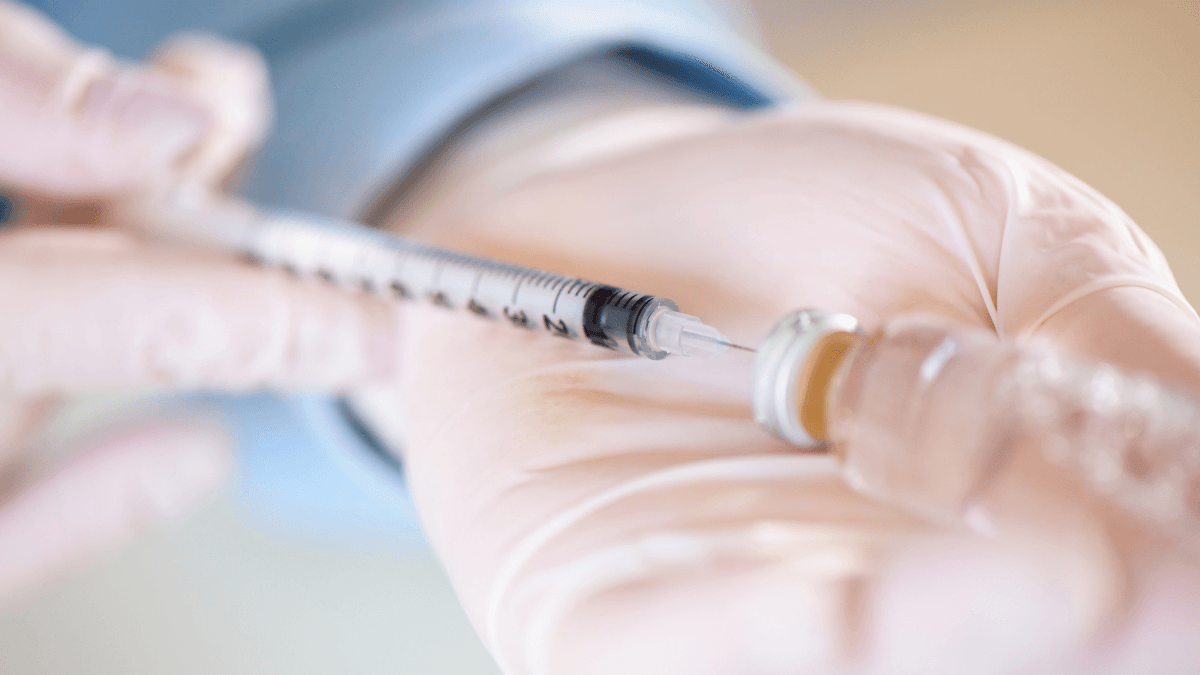
Insulin products are prescription medicines and delivery formats used to replace or supplement the insulin the body cannot make or use well. The main differences are how quickly they work, how long they last, how they are delivered, and how they fit meals, activity, and glucose patterns. These details matter because two products can share the same purpose but behave very differently in daily life.
This page explains the major insulin categories, common device choices, and practical comparison points. Use it to prepare questions for your healthcare team, not to change therapy on your own.
Key Takeaways
- Action profile matters: onset, peak, and duration shape timing.
- Devices affect use: pens, cartridges, syringes, and pumps differ.
- Concentration needs care: always verify the label before dosing.
- Storage protects potency: avoid heat, freezing, and direct sunlight.
- Safety planning helps: track lows, site reactions, and technique issues.
For broader background on diabetes care topics, the Diabetes Articles collection can help you continue reading across related subjects.
How to Compare Insulin Products
Compare insulin products by matching their action profile to the job they need to do. Some insulins cover meals or corrections. Others provide background coverage between meals and overnight. A third group combines meal and background effects in a premixed format, which may simplify routines but can reduce flexibility.
The first comparison point is timing. Onset describes when insulin starts lowering glucose. Peak describes when the effect is strongest. Duration describes how long the effect may last. These ranges are general, and your response can vary with injection site, activity, illness, food composition, and technique.
The second point is the formulation and concentration. Many products are U-100, but some concentrated versions exist. Concentrated insulin is not interchangeable with standard concentration unless the prescriber and device instructions support that use. Always read the carton, pen, vial, or cartridge label before each dose.
The third point is delivery. A disposable pen may be simple to carry. A reusable insulin pen uses replaceable cartridges and may reduce waste for some people. A syringe can be useful for certain vial-based regimens. A pump can deliver programmable basal rates and meal boluses when clinically appropriate.
Why it matters: The right comparison starts with the glucose pattern, not the brand name.
If you want a deeper discussion of product differences, see Insulin Product Differences for related context.
Types of Insulin With Examples
Most insulin products fall into groups based on speed and duration. These categories help clinicians match a medicine to fasting glucose, meals, snacks, correction doses, or simplified daily schedules. Brand and generic names can vary by country, so labels and prescriber instructions matter.
Rapid-Acting and Ultra-Rapid Options
Rapid-acting insulin is usually used around meals or for correction dosing under a clinician’s plan. Examples include insulin lispro, insulin aspart, and insulin glulisine. Some newer formulations are designed to start working faster than older rapid-acting options, but timing still depends on the label and the individual treatment plan.
Products in this group may be supplied in pens, cartridges, or vials. Examples of product pages that show common delivery formats include Humalog KwikPen, Apidra SoloStar Pens, and Fiasp Insulin Cartridges. These links are for product-format context, not a recommendation.
Short-Acting and Intermediate-Acting Options
Short-acting regular insulin works more slowly than rapid-acting analogs and may be used in certain meal or correction strategies. Intermediate-acting insulin, often called NPH insulin, provides longer coverage but has a more noticeable peak than many long-acting analogs. These older human insulin formulations remain important in some care plans.
The key issue is predictability. A stronger peak can be useful in some schedules, but it can also require careful meal timing and monitoring. People using these products should understand when the effect is likely to be strongest and what to do if meals, activity, or illness disrupt the usual routine.
Long-Acting and Ultra-Long Options
Long-acting insulin is used for background, or basal, coverage. Common examples include insulin glargine and insulin detemir. Ultra-long options include insulin degludec. These medicines aim to reduce fasting and between-meal glucose rises, although each product has its own label and clinical considerations.
Examples of long-acting pen formats include Lantus SoloStar Pens and Tresiba FlexTouch Pens. Your clinician can explain whether a basal product fits your glucose pattern and how it should be timed.
For a fuller breakdown of categories, names, and timing concepts, see Different Types of Insulin.
Delivery Choices: Pens, Cartridges, Syringes, and Pumps
Delivery choice affects accuracy, convenience, and adherence. It does not make an insulin automatically better, but it can make the regimen easier or harder to use correctly. Dexterity, vision, dose increments, travel habits, and privacy needs can all influence the best fit.
Disposable insulin pens come prefilled and are discarded when empty or expired. They can be convenient for people who dose away from home. Reusable insulin pen systems use an insulin cartridge pen design, where the pen body is kept and cartridges are replaced. This setup may appeal to people who prefer a durable pen device, but compatibility is product-specific.
Syringes are usually used with vials. They may allow flexibility in some dosing situations, but they require comfort with drawing up insulin accurately. Pumps use rapid-acting insulin to provide programmed basal delivery and boluses. Pump therapy also requires training, device maintenance, and a plan for infusion-site problems.
Needle technique matters across all injection types. Rotate sites within recommended areas, avoid injecting into lumps or thickened skin, and use supplies as directed. Lipohypertrophy (thickened fatty tissue from repeated injections) can make absorption less predictable. If glucose readings become erratic, injection sites and technique deserve review.
A browsable Diabetes Products category can help readers see common diabetes supply and medication formats in one place.
Which Insulin Fits Type 1 or Type 2 Diabetes?
The fit depends on physiology, glucose data, and the treatment plan. People with type 1 diabetes usually need insulin because the pancreas produces little or none. Many use a basal-bolus approach, which separates background insulin from meal insulin. Some use pumps instead of multiple daily injections.
People with type 2 diabetes may use insulin when other therapies do not meet glucose goals, during illness, during pregnancy-related care, or when insulin deficiency becomes more pronounced. Some start with basal insulin. Others need meal insulin, premixed insulin, or more intensive regimens. The decision depends on glucose patterns, A1C, hypoglycemia risk, other medicines, and personal routines.
There is no single best insulin pen for type 2 diabetes. The better question is whether the device supports the prescribed insulin, the required dose increments, and safe daily use. For example, someone with hand stiffness may value a pen that is easier to grip and dial. Another person may need a cartridge system, a particular dose increment, or a device that works with their prescribed formulation.
Non-insulin medicines can also lower A1C for some people with type 2 diabetes, but they are not substitutes for insulin when insulin is clinically required. Your prescriber can explain where tablets or non-insulin injectables fit, especially if kidney disease, heart disease, pregnancy, cost, or hypoglycemia risk affects the plan.
For condition-level browsing, the Diabetes Condition page groups related product categories and options.
Monitoring, Dosing Frameworks, and Pattern Review
Insulin regimens usually rely on pattern review rather than one isolated glucose reading. Clinicians may look at fasting values, pre-meal readings, post-meal changes, overnight trends, activity patterns, and low-glucose events. Continuous glucose monitor data can add time-in-range and trend information when available.
Two common frameworks are basal-only therapy and basal-bolus therapy. Basal-only therapy focuses on background coverage. Basal-bolus therapy uses separate background and meal doses. Premixed insulin combines components in fixed proportions, which can reduce the number of injections but usually requires more consistent meal timing.
People using insulin should know their hypoglycemia plan. Hypoglycemia means low blood glucose. Symptoms may include shakiness, sweating, confusion, hunger, or weakness, although some people have fewer warning signs. Severe symptoms, loss of consciousness, seizures, or breathing problems require urgent medical help.
Glucose readings may appear in mg/dL or mmol/L depending on the device or country. This converter can help with unit conversion for record review, but it does not interpret your results or replace clinical guidance.
Blood Glucose Unit Converter
Convert glucose readings between mg/dL and mmol/L without changing the clinical value.
These calculations are for education only and do not replace clinical advice, diagnosis, or treatment. Always confirm medical decisions with a qualified healthcare professional.
Quick tip: Bring dates, times, meals, activity, and symptoms to insulin reviews.
Storage, Handling, and Travel Safety
Insulin products can lose potency if exposed to heat, freezing temperatures, or direct sunlight. Unopened and in-use storage instructions differ by brand and formulation. Always follow the package insert, carton, and pharmacy label for temperature limits and discard timing.
Do not use insulin that looks unusual unless the label says it should appear cloudy and you have prepared it as directed. Some suspensions need gentle mixing before use. Clear insulin that becomes cloudy, clumped, discolored, or contains particles should be checked with a pharmacist or clinician before use.
Travel adds extra handling risks. Keep insulin with you rather than in checked luggage when flying, because cargo holds can become too hot or too cold. Use an insulated case when temperatures may swing. Do not place insulin directly against ice packs unless the storage system is designed to prevent freezing.
Online access decisions also require caution. If you compare sources, check prescription requirements, pharmacy licensing, product identity, and temperature handling information. CanadianInsulin.com functions as a prescription referral platform, and dispensing is handled by licensed third-party pharmacies where permitted. Some patients also explore cash-pay options and cross-border fulfilment depending on eligibility and jurisdiction.
For practical access-safety context, see Online Insulin Risks and Insulin From Canada.
Adverse Effects and When to Seek Help
The most common clinical safety concern with insulin is low blood glucose. Risk can rise when doses, meals, activity, alcohol intake, illness, kidney function, or other medicines change. Repeated lows, overnight lows, or lows without warning symptoms should be discussed promptly with a healthcare professional.
Local injection reactions can include redness, mild swelling, itching, or bruising. These are often limited, but persistent or worsening reactions need review. Rotating sites and using proper technique may reduce irritation. Do not keep using a site that is painful, infected, or unusually thickened without asking a clinician.
Allergic reactions are less common but can be serious. Seek urgent care for trouble breathing, widespread hives, swelling of the face or throat, fainting, or severe dizziness. Also seek urgent medical help for symptoms of diabetic ketoacidosis, such as vomiting, abdominal pain, fruity-smelling breath, deep breathing, or confusion, especially when glucose is high or ketones are present.
Medication changes should be supervised. Starting, stopping, or adjusting insulin without guidance can cause dangerous highs or lows. If a product is unavailable or a device fails, contact your prescriber or pharmacist for a safe substitution plan.
Authoritative Sources
For plain-language federal information on insulin and diabetes, review the FDA consumer insulin resource.
For an overview of insulin medicines and treatment context, see the NIDDK insulin medicines page.
For practical insulin basics and storage reminders, visit the American Diabetes Association insulin basics.
Recap
Insulin products differ by timing, concentration, delivery system, storage rules, and safety considerations. A useful comparison starts with the treatment goal: meal coverage, fasting control, correction dosing, or a simpler daily routine. Device choice should support accurate use, not just convenience.
Before changing any insulin routine, review glucose records, low-glucose episodes, injection sites, storage conditions, and device issues with your healthcare team. Clear notes help separate a product mismatch from a technique, timing, or handling problem.
This content is for informational purposes only and is not a substitute for professional medical advice.