

Trulicity vs Ozempic is mainly a comparison between two once-weekly GLP-1 receptor agonists used in type 2 diabetes care. Both can lower A1C and may reduce appetite, but they differ in active ingredient, dose range, average weight effects, side-effect patterns, and access. The better fit depends on your treatment goals, medical history, tolerability, and coverage.
Trulicity contains dulaglutide. Ozempic contains semaglutide. They are in the same drug class, but they are not interchangeable dose-for-dose. That point matters when people compare weight loss, side effects, or switching options after a supply, cost, or response issue.
Key Takeaways
- Same class: Both are weekly GLP-1 receptor agonists for type 2 diabetes.
- Different ingredient: Trulicity uses dulaglutide; Ozempic uses semaglutide.
- Weight trends: Semaglutide often shows greater average weight reduction in studies.
- Side effects: Nausea, vomiting, diarrhea, and constipation are common with both.
- Switching needs care: There is no simple dose-equivalent conversion chart.
How These Weekly GLP-1 Medicines Compare
Both medicines mimic GLP-1, an incretin hormone that helps regulate blood sugar after meals. In plain language, they help the pancreas release insulin when glucose rises, reduce glucagon when appropriate, and slow stomach emptying. Slower gastric emptying can make some people feel full sooner.
That shared mechanism explains why both medicines can improve A1C, a three-month marker of average blood glucose. It also explains the gastrointestinal side effects. The same appetite and stomach-emptying effects that help some people eat less can also cause nausea or fullness during dose increases.
Trulicity and Ozempic differ in their molecules, approved populations, dose schedules, and clinical trial results. Ozempic has become more visible because semaglutide is also used in other products, including obesity-focused formulations. Trulicity remains a widely used option for type 2 diabetes, especially when a person tolerates dulaglutide well or has coverage for it.
Why it matters: Popularity does not decide which medicine is safer or more suitable for you.
For a broader look at another GLP-1 comparison, see Victoza Vs Ozempic. Daily versus weekly dosing can affect adherence, comfort, and expectations.
Blood Sugar, Weight, and Treatment Goals
Ozempic often produces larger average reductions in A1C and body weight than Trulicity in head-to-head and comparative evidence, especially at higher semaglutide doses. That does not mean every person responds the same way. Baseline A1C, appetite, diet pattern, kidney function, other medicines, and side-effect tolerance all influence results.
For diabetes care, the primary treatment target is usually glycemic control. Weight change may be an important secondary goal, particularly when excess weight affects insulin resistance, blood pressure, sleep apnea, or joint symptoms. However, Ozempic is not the same product as Wegovy, even though both contain semaglutide. Wegovy is formulated and approved for chronic weight management in specific patients, while Ozempic is used for type 2 diabetes and certain cardiovascular risk-reduction indications.
When people search for Trulicity vs Ozempic weight loss, they often want a simple winner. The more useful question is whether the expected benefit outweighs side effects, cost, and treatment burden. Some people lose more weight with semaglutide. Others stop or reduce therapy because nausea, reflux, constipation, or food aversion becomes hard to manage.
The A1C and estimated average glucose relationship can help you understand lab reports in context. This calculator converts between HbA1c and estimated average glucose for general education only.
HbA1c & eAG Calculator
Convert between HbA1c percentage and estimated average glucose using the ADAG relationship.
These calculations are for education only and do not replace clinical advice, diagnosis, or treatment. Always confirm medical decisions with a qualified healthcare professional.
Weight-focused comparisons may also lead to tirzepatide, sold under brands such as Mounjaro for type 2 diabetes. Tirzepatide activates both GIP and GLP-1 receptors, so it is not the same class as dulaglutide or semaglutide alone. For a related comparison, review Trulicity Vs Mounjaro.
Dosing, Titration, and Why Equivalence Is Tricky
Trulicity vs Ozempic dosage comparisons can be confusing because the milligram amounts do not translate directly. Dulaglutide and semaglutide are different molecules, so a higher number on one pen does not mean it is clinically stronger than a lower number on another. Prescribers compare approved starting doses, titration steps, response, and tolerability instead.
Both medicines are usually started at a lower weekly dose and increased gradually when needed. This stepwise approach helps reduce stomach-related side effects. A person who had severe nausea on one GLP-1 medicine may need a slower plan, a different agent, or more monitoring if switching.
There is no universal Trulicity to Ozempic dose-equivalent chart that can safely replace clinical judgment. The same is true for switching to or from Mounjaro. Prescribers consider the last dose, time since the last injection, current glucose readings, other diabetes medicines, and the reason for switching.
Quick tip: Bring your last injection date and current pen strength to any medication review.
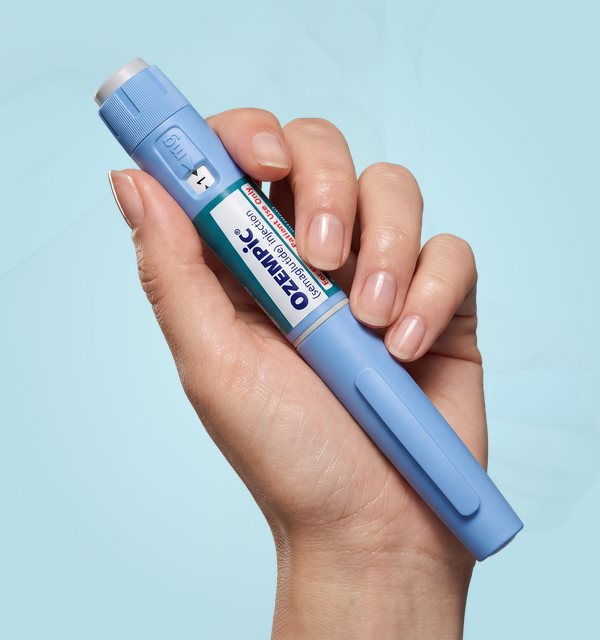
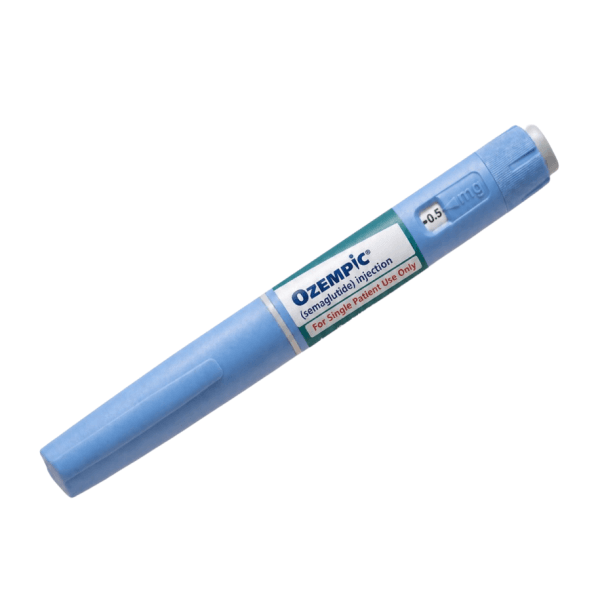
Device preference also matters. Some people value a familiar injector. Others prioritize fewer dose changes or more room for dose escalation. Product pages such as Ozempic Semaglutide Pens and Trulicity Pens can help readers identify product names and forms, but prescribing decisions still belong with a clinician.
Side Effects, Warnings, and When to Seek Care
Trulicity vs Ozempic side effects overlap because both act on the GLP-1 receptor. Common side effects include nausea, vomiting, diarrhea, constipation, abdominal discomfort, reduced appetite, and indigestion. These effects often appear when starting treatment or increasing the dose.
Food choices can influence tolerability. Large, greasy, or very rich meals may worsen nausea for some people. Smaller meals, slower eating, and adequate fluids may help. People with diabetes should be careful with reduced intake if they also use insulin or sulfonylureas, because those medicines can increase hypoglycemia risk.
Serious but less common concerns include pancreatitis, gallbladder problems, kidney injury related to dehydration, and allergic reactions. Both medicines carry a boxed warning about thyroid C-cell tumors observed in rodent studies. They are generally contraindicated in people with a personal or family history of medullary thyroid carcinoma or multiple endocrine neoplasia syndrome type 2.
Seek urgent medical care for severe abdominal pain, persistent vomiting, signs of dehydration, trouble breathing, swelling of the face or throat, or symptoms of very low blood sugar. People with diabetic retinopathy, kidney disease, gastroparesis, pregnancy, or planned pregnancy should discuss risks and monitoring before using or changing these medicines.
Cost, Coverage, and Access Considerations
Trulicity vs Ozempic cost can vary widely by country, insurance plan, pharmacy, dose, and supply conditions. A medicine that looks clinically appropriate may still be difficult to continue if coverage changes or prior authorization is denied. Shortages can also push people to ask about alternatives.
Some patients explore cash-pay options without insurance, depending on eligibility and jurisdiction. CanadianInsulin.com is a prescription referral platform, and dispensing is handled by licensed third-party pharmacies where permitted. If a prescription is required, prescription details may need confirmation with the prescriber.
Access questions should not be separated from safety questions. A cheaper alternative to Ozempic is not automatically equivalent, and a covered medicine is not automatically the best fit. Metformin, SGLT2 inhibitors, DPP-4 inhibitors, insulin, other GLP-1 receptor agonists, and tirzepatide may all enter the discussion, depending on the person’s health profile.
For browsing by condition, the Type 2 Diabetes collection lists related products. The Weight Management article category can help readers explore adjacent education without treating weight loss as the only goal.
Switching Between GLP-1 Options
Switching from Trulicity to Ozempic may be considered when A1C remains above target, weight goals are not being met, side effects differ, or access changes. Switching from Ozempic to Trulicity may also happen because of tolerability, coverage, or personal preference. Neither direction should be handled as a direct milligram conversion.
A careful switch usually starts with the reason for changing. If nausea was the problem, the new medicine may need a conservative start. If glucose was rising, the care team may review diet, other medications, injection technique, and adherence before assuming the GLP-1 medicine failed.
People sometimes ask whether they can switch from Ozempic to Trulicity for weight loss. That question needs careful framing. Trulicity is used for type 2 diabetes, and any weight change is usually considered alongside diabetes management. If the primary goal is chronic weight management, a clinician may discuss obesity-labeled options, lifestyle support, and medical eligibility instead.
Related comparisons can help you prepare better questions. See Ozempic Vs Bydureon and Trulicity Vs Bydureon for other once-weekly GLP-1 contexts.
How Mounjaro, Wegovy, and Other Options Fit In
Many searches around Trulicity vs Ozempic also include Mounjaro or Wegovy. These comparisons matter because the medicines overlap in public discussion but differ in active ingredient, receptor activity, labeled use, and coverage rules.
Mounjaro contains tirzepatide, a dual GIP and GLP-1 receptor agonist. Some studies show substantial A1C and weight effects with tirzepatide, but side effects, contraindications, access, and personal medical history still matter. It is not accurate to say Mounjaro is simply better for everyone.
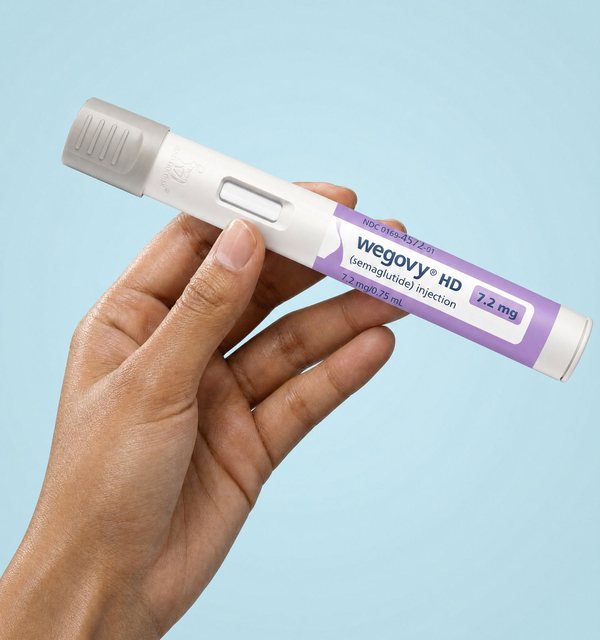
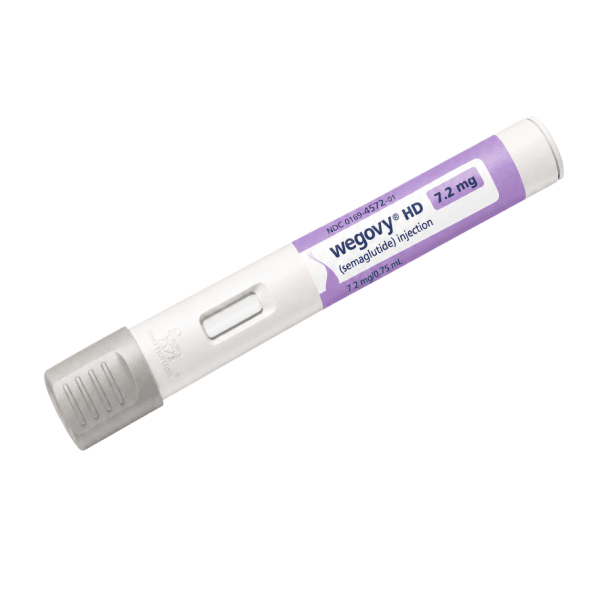
Wegovy contains semaglutide and is used for chronic weight management in eligible patients. Ozempic also contains semaglutide, but it is not the same product. Dose schedules, indications, and payer rules can differ. That distinction is important when people compare Wegovy vs Ozempic for weight loss.
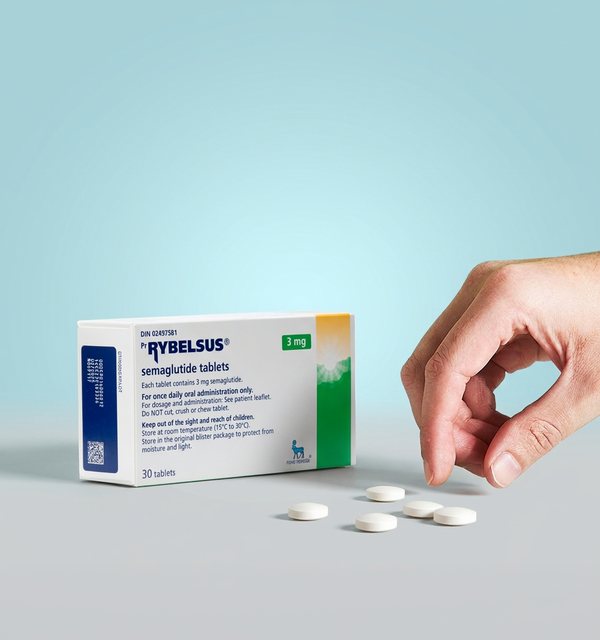
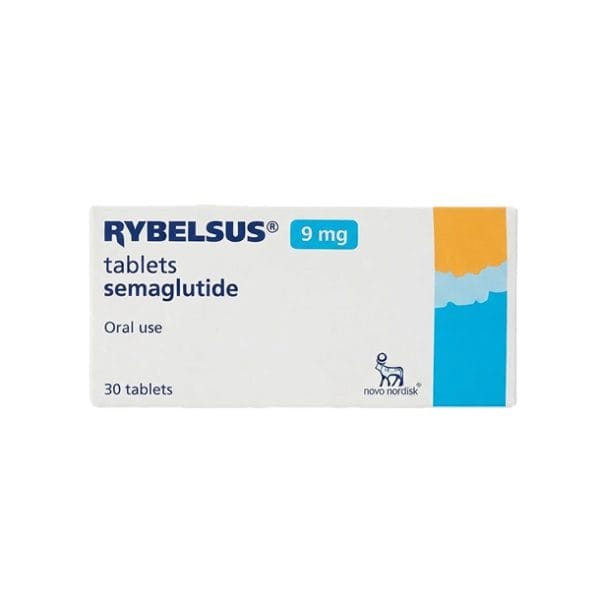
For device context, readers can review Mounjaro KwikPen. For another GLP-1 medication format, Rybelsus Semaglutide Pills may be relevant because it uses oral semaglutide rather than a weekly injection.
Questions to Bring to Your Clinician
A focused medication visit works best when you bring concrete information. Your clinician can interpret goals and risks more accurately when they know what has happened on the current treatment.
- Current goals: A1C target, weight goal, or both.
- Side-effect history: Nausea, vomiting, constipation, reflux, or appetite changes.
- Glucose pattern: Fasting readings, post-meal spikes, or CGM trends.
- Other medicines: Insulin, sulfonylureas, blood pressure drugs, or diuretics.
- Medical history: Pancreatitis, gallbladder disease, kidney disease, or retinopathy.
- Access concerns: Coverage changes, supply issues, or cash-pay limits.
This list does not replace medical advice. It helps organize the conversation so dosing, safety, and expectations stay connected.
Authoritative Sources
The ADA Standards of Care discuss obesity and weight management in diabetes care. These standards help frame medication choice alongside cardiovascular, kidney, and weight-related factors.
The FDA dulaglutide label provides official Trulicity prescribing details, including warnings, contraindications, and adverse reactions. The official Ozempic prescribing information provides label-backed details for semaglutide injection.
Recap
Trulicity and Ozempic are both weekly GLP-1 receptor agonists, but they are not the same medicine. Ozempic often has stronger average weight and glucose effects in comparative evidence, while Trulicity may remain suitable for people who tolerate dulaglutide well or have better access to it.
The safest comparison considers your A1C, weight goals, side effects, contraindications, other medications, and coverage. If switching is being discussed, ask about the starting dose, timing, glucose monitoring, and what side effects should prompt medical review.
This content is for informational purposes only and is not a substitute for professional medical advice.