
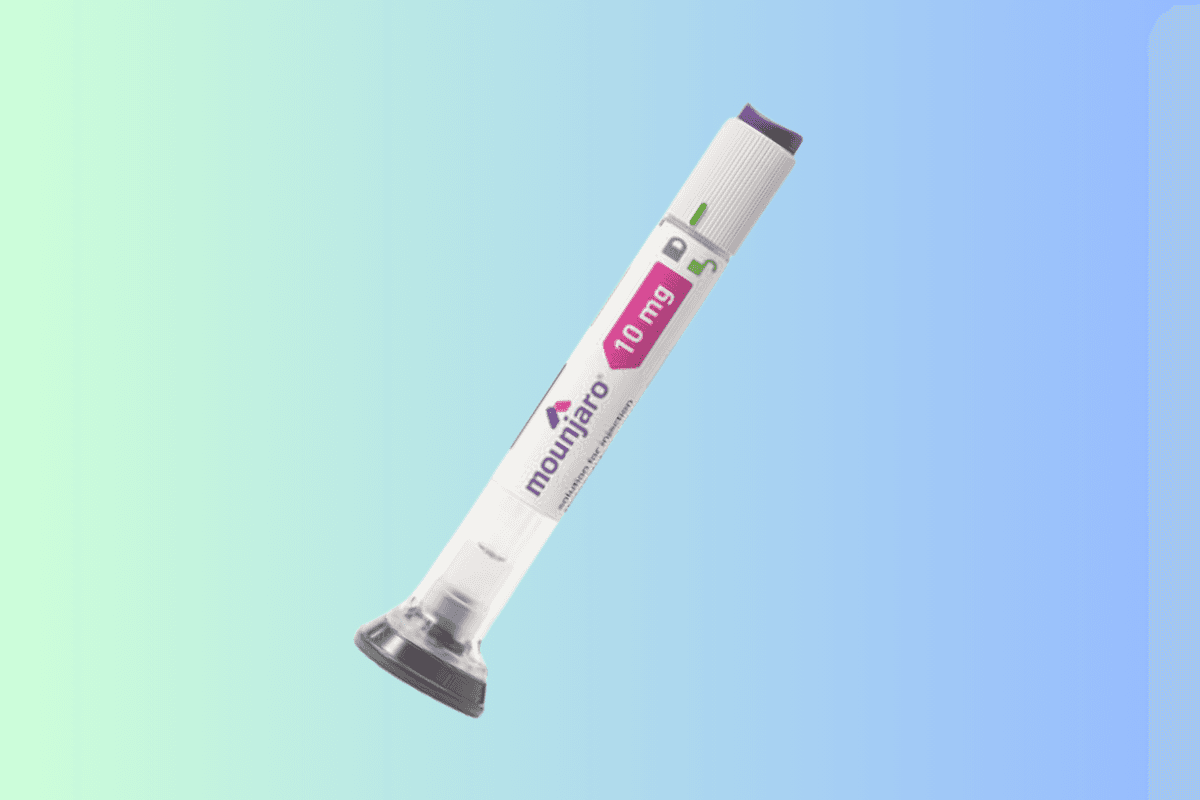
Mounjaro dosage usually starts low and increases slowly, typically after at least 4 weeks on each step if it is tolerated. This gradual approach, called titration, helps reduce gastrointestinal side effects while your clinician checks glucose response, appetite changes, weight trends, and safety concerns.
The labeled schedule is not a self-adjustment plan. Your prescriber may hold a dose longer, delay an increase, or reassess treatment if side effects become difficult to manage. This matters because nausea, vomiting, dehydration, low blood sugar with certain diabetes medicines, and other warning signs need prompt attention.
Key Takeaways
- Start low: The usual starting strength is 2.5 mg once weekly.
- Increase gradually: Dose changes are generally spaced by at least 4 weeks.
- Use fixed pens: Each pen delivers its labeled mg strength in 0.5 mL.
- Watch tolerability: Persistent nausea, vomiting, or dehydration can delay titration.
- Confirm changes: Do not change your schedule without your clinician.
How Mounjaro Dosage Works
Mounjaro is the brand name for tirzepatide, a once-weekly injectable medicine used for glycemic control in adults with type 2 diabetes. Tirzepatide activates GIP and GLP-1 receptors, which are involved in insulin release, glucagon regulation, gastric emptying, and appetite signaling. In plain terms, it can help blood sugar patterns and may reduce appetite for some people.
The starting dose is mainly for adjustment, not full maintenance effect. Many people begin at 2.5 mg once weekly, then move to 5 mg once weekly after 4 weeks if appropriate. Later increases may occur in 2.5 mg steps after at least 4 weeks on the current strength. The highest labeled weekly dose is 15 mg.
This stepwise plan answers a common question: why increase the dose at all? The goal is to find a dose that supports treatment targets while remaining tolerable. More medication is not automatically better for every person. Some people do well at a lower maintenance strength, while others need further titration under supervision.
Why it matters: The right maintenance dose balances benefits, side effects, and your broader diabetes plan.
Mounjaro Dosage Chart: Strengths, Timing, and Pen Volume
A Mounjaro dosage chart can help you understand the labeled strengths, but it should not replace your prescription directions. The important points are simple: the medicine is injected once weekly, each strength is delivered as a fixed dose, and the injection volume is 0.5 mL across labeled pen strengths.
People often ask about a Mounjaro dosage chart in units. Standard insulin units do not apply to these pens. The pen is not a dial-a-dose insulin device. It delivers the full labeled amount in milligrams, so you do not convert 2.5 mg, 5 mg, or any other strength into insulin units.
| Weekly Strength | Typical Role in Titration | Injection Volume |
|---|---|---|
| 2.5 mg | Starting dose, usually for at least 4 weeks | 0.5 mL |
| 5 mg | Common first maintenance step | 0.5 mL |
| 7.5 mg | Possible next step if more effect is needed and tolerated | 0.5 mL |
| 10 mg | Possible maintenance strength after adequate time on prior dose | 0.5 mL |
| 12.5 mg | Higher-step option when clinically appropriate | 0.5 mL |
| 15 mg | Maximum labeled weekly dose | 0.5 mL |
The table is a label-reading aid, not a dosing instruction. Your prescriber may recommend staying at a dose longer than the minimum interval. They may also avoid further escalation if side effects are significant or if treatment goals are already being met.
If you want device-specific context, the Mounjaro KwikPen page provides product navigation for the pre-filled pen format. For injection technique and site rotation, see Mounjaro Injection Sites.
When Dose Increases Usually Happen
Dose increases usually happen only after at least 4 weeks on the current weekly strength. This waiting period gives your body time to adjust and gives your care team a clearer view of tolerability and response. Moving faster can make side effects harder to interpret.
Readers often ask whether they can increase Mounjaro after 2 weeks. Label-based titration generally uses 4-week intervals between increases. If symptoms are difficult or your glucose readings remain outside your target range, the safest next step is to document the pattern and contact your clinician rather than adjusting early.
Several factors can affect when to increase a dose:
- Glucose trends: Fasting, post-meal, and A1C patterns may guide changes.
- Side effects: Nausea, vomiting, diarrhea, or poor intake may delay escalation.
- Other medicines: Insulin or sulfonylureas can raise hypoglycemia concerns.
- Medical history: Pancreatitis, gallbladder issues, or severe gastrointestinal disease may require caution.
- Treatment goals: Diabetes control, weight trajectory, and tolerability all matter.
Example: A person feels mild nausea for a few days after each injection but eats and hydrates normally. Their clinician may decide the current schedule remains reasonable. Another person has repeated vomiting and dizziness. Their clinician may hold the dose, delay the next increase, or assess for dehydration and other causes.
For a deeper patient-focused discussion of individualized titration, see Personalizing Your Mounjaro Dose.
Diabetes Goals, Weight Changes, and Maintenance Doses
Mounjaro dosage for type 2 diabetes is usually assessed through glucose control, A1C, tolerability, and overall health status. Weight change may occur during treatment, but the diabetes treatment goal remains glycemic control alongside nutrition, activity, and other parts of the care plan.
Some people search for the best Mounjaro dose for weight loss. That question needs context. Higher weekly strengths may be associated with greater appetite effects for some people, but they may also increase gastrointestinal side effects. A lower or intermediate maintenance dose can be reasonable when goals are being met and side effects are manageable.
Questions such as “Can I stay on 2.5 mg?” or “Can I stay on 5 mg?” are common. The answer depends on why the medicine is being used, how you are responding, and whether side effects limit further titration. The 2.5 mg dose is generally described as a starting dose in labeling, while maintenance decisions should be individualized by the prescriber.
For people comparing tirzepatide use across weight-focused and diabetes-focused discussions, Zepbound is a related tirzepatide product page. Keep in mind that product names, indications, and prescribing decisions should be reviewed with a licensed clinician.
Broader condition browsing is available through the Type 2 Diabetes Articles collection and the Type 2 Diabetes condition hub.
Side Effects That Can Affect Titration
Gastrointestinal symptoms are the most common reason to slow or pause titration. Nausea, vomiting, diarrhea, constipation, stomach discomfort, and early fullness can occur, especially during early treatment or after dose increases. These effects may improve, but persistent or severe symptoms need clinical review.
Practical steps may help some people tolerate treatment. Smaller meals, slower eating, adequate fluids, and avoiding very high-fat meals can reduce discomfort for some users. These steps are supportive, not a substitute for medical evaluation when symptoms are significant.
More serious concerns are less common but important. Seek urgent care for severe or persistent abdominal pain, especially if it spreads to the back or occurs with vomiting. Contact your care team promptly for signs of dehydration, repeated vomiting, severe diarrhea, symptoms of gallbladder disease, allergic reactions, or low blood sugar if you also use insulin or a sulfonylurea.
Quick tip: Track symptoms by injection day, meal pattern, and dose strength.
If increasing Mounjaro dose side effects become difficult, do not take extra medication, skip doses repeatedly, or change the strength without guidance. Your clinician may review your eating pattern, hydration, other medicines, kidney function risk from dehydration, or whether the current dose should be held longer.
For more detail on tolerability, review Mounjaro Side Effects. For pen handling and practical use points, see Mounjaro KwikPen Usage.
Missed Doses and Weekly Scheduling
A missed dose should be handled according to the product label and your prescriber’s instructions. In general, once-weekly medicines work best when they are taken on a consistent day. Consistency makes it easier to track side effects, glucose changes, and appetite patterns.
If you miss an injection, avoid doubling up unless the label or your clinician specifically instructs you to do so. The next step depends on how much time has passed and when your next scheduled dose is due. When in doubt, call your pharmacist or prescriber before taking the missed dose.
Simple routines can reduce missed doses. Use a calendar reminder, keep the medication schedule separate from mealtimes, and write down each injection date. If travel, illness, procedures, or poor oral intake disrupt your routine, ask your care team how to handle timing safely.
Using the Pen Safely
The Mounjaro pen is designed to deliver one fixed weekly dose. You do not dial units, split the pen, or measure a separate volume. Before injection, check that the label matches your prescribed strength and that the medicine appears as directed in the official instructions.
Injection sites commonly include the abdomen, thigh, or upper arm, depending on the device instructions and whether another person is helping. Rotate sites to reduce local irritation. Do not inject into skin that is tender, bruised, hard, scarred, or damaged unless your clinician gives specific guidance.
Store the pens according to the label. Avoid heat, freezing, and direct light. If the pen has been stored outside recommended conditions or looks unusual, ask a pharmacist before using it. Device errors, damaged pens, or uncertainty about whether the dose was delivered should be discussed with a healthcare professional.
Because CanadianInsulin.com is a prescription referral platform, prescription details may need confirmation with the prescriber where required. Dispensing and fulfillment are handled by licensed third-party pharmacies where permitted, and eligibility can depend on jurisdiction.
Questions to Bring to Your Clinician
Good dose discussions are specific. Instead of asking only whether the dose should go up, bring information that helps your clinician judge response and safety. This is especially useful before moving from one dose step to the next.
- Current dose: Note the strength and injection day.
- Glucose pattern: Bring fasting and post-meal readings if you track them.
- Side effects: Record timing, severity, and hydration concerns.
- Weight trend: Share changes without focusing on one week alone.
- Other medicines: List insulin, sulfonylureas, and digestive medicines.
- Missed doses: Note dates and how they were handled.
Ask whether your current strength is considered a temporary step or a maintenance dose for your situation. Also ask what symptoms should prompt a call before the next injection. Clear thresholds reduce guesswork during titration.
If alternatives are being discussed, Trulicity and Mounjaro offers a related comparison for shared decision-making context. For broader medication browsing, the Diabetes Products category can help readers locate relevant product listings without replacing clinician advice.
Authoritative Sources
For label-based dosing, titration, missed-dose instructions, contraindications, and warnings, review the official Mounjaro prescribing information.
The FDA drug label also provides regulator-posted details on tirzepatide strengths, administration, and safety warnings in the FDA prescribing information for tirzepatide.
For general diabetes treatment context and medication safety discussions, the American Diabetes Association provides patient education and professional standards resources.
Recap
Most new users start with a low weekly dose and increase gradually only after enough time to assess response and side effects. The labeled strengths are fixed-dose pen strengths, each delivered in 0.5 mL, so insulin-style unit conversions do not apply.
Mounjaro dosage decisions should be individualized. Stay alert for persistent gastrointestinal symptoms, dehydration, low blood sugar risk with certain diabetes medicines, and other warning signs. Bring dose timing, glucose data, side effects, and missed-dose details to your clinician before making changes.
This content is for informational purposes only and is not a substitute for professional medical advice.


