
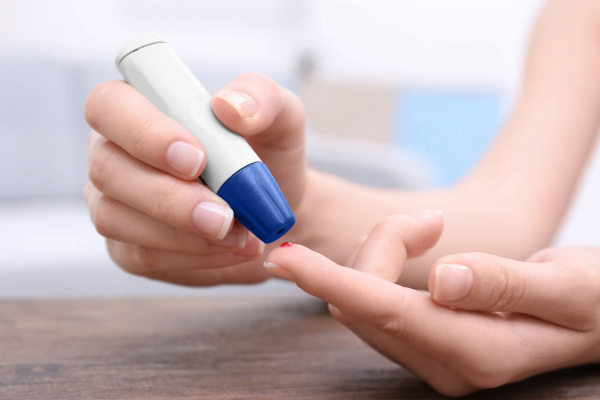
A delica lancing device is a spring-loaded fingerstick tool used to obtain a small blood sample for glucose testing. It works best when the lancet fits the exact device, the depth is set low enough for comfort, and a fresh lancet is used for each test.
The device does not read your blood sugar. It only creates the fingerstick. The meter and test strip measure the sample. This distinction matters because many problems, such as painful sticks or too little blood, come from the lancing step rather than the meter itself.
Key Takeaways
- Match the lancet to the exact lancing device model.
- Use a new lancet for every test.
- Start with a lower depth, then adjust gradually.
- Use warm, dry hands for better blood flow.
- Never share a lancing device, even with a new lancet.
What the Delica Lancing Device Does
The delica lancing device holds a disposable lancet and moves it quickly into and out of the skin. The goal is to make a small, controlled puncture that produces enough blood for a test strip without causing unnecessary soreness.
People often confuse three parts of the testing system. The lancing device holds and releases the lancet. The lancet is the small needle. The glucose meter reads the blood sample on the strip. If you are new to home testing, What Is a Lancing Device gives broader background on how these tools fit into blood sugar monitoring.
Fit depends on the lancing device, not just the meter name. A OneTouch Verio meter kit may include a Delica-family fingerstick tool, but the meter name alone does not confirm which lancets fit. Check the wording on the lancing device, package, or insert before choosing supplies.
Why it matters: A wrong-fit lancet can misfire, feel loose, or prevent the cap from closing properly.
Before First Use: Setup Checks That Prevent Problems
Good setup reduces pain, failed samples, and wasted strips. Before loading a lancet, identify the exact model and place the meter, strip, lancet, and sharps container within reach.
- Wash and dry hands: moisture can dilute the blood drop.
- Check the model name: match supplies by device name.
- Inspect the cap: avoid cracked or loose parts.
- Use good lighting: small loading errors are easier to spot.
- Start low: increase depth only when needed.
- Prepare disposal: do not leave used lancets exposed.
Soap and water are usually enough before testing. Dry the finger completely because leftover water can smear the drop. If your hands are cold, warm them first with gentle movement or warm water, then dry them well.
Read the insert for your specific model before the first use. OneTouch Delica lancing device instructions and OneTouch Delica Plus lancing device instructions can differ in cap removal, cocking, release, and lancet ejection. If the lancet does not seat easily, do not force it. Recheck compatibility first.
For a fuller home-testing routine, see How to Check Sugar Level at Home. That resource explains how the fingerstick, strip, and meter steps work together.
How to Use the Device Step by Step
Most Delica-family devices follow the same general sequence: load a compatible lancet, set the depth, lance the side of the fingertip, apply the blood to the strip, and discard the lancet safely.
- Wash your hands, then dry them fully.
- Prepare the meter and test strip as directed by the meter instructions.
- Remove the lancing device cap according to the insert.
- Insert a new compatible lancet until it sits securely.
- Remove the lancet protective cover if your lancet has one.
- Replace the cap and choose a starting depth.
- Cock the device if your model requires that step.
- Press the tip against the side of the fingertip and release.
- Apply the blood drop to the strip, then eject the used lancet.
Use the side of the fingertip when possible. The centre of the fingertip is often more tender. Rotate fingers and sites so one area does not become sore or thickened from repeated testing.
If you do not get enough blood, avoid making several quick sticks in the same spot. Check whether the lancet is new, the cap is seated, your hands are warm, and the depth is appropriate. A small adjustment often works better than pressing harder.
Heavy squeezing can mix extra tissue fluid with the blood drop. A gentle motion from the base of the finger toward the tip is usually enough. For more practical technique detail, How to Use Delica Lancing Device focuses on the fingerstick process.
Depth Settings, Gauge, and Comfort
The best depth setting is the lowest setting that reliably gives enough blood for the strip. Too shallow may cause repeated sticks. Too deep can increase soreness, bruising, or irritation.
Lancet gauge also affects comfort, but it does not prove compatibility. A higher gauge number means a thinner needle. For example, a 33G lancet is thinner than a 30G lancet. Some people find thinner lancets more comfortable, but skin thickness and blood flow also matter.
Use these signs to adjust carefully:
- Usable small drop: keep the current setting.
- No blood drop: move up one step later.
- Frequent bruising: try a lower setting.
- Repeated soreness: rotate sites and change lancets.
- Misfires: check fit, cap, and device condition.
Quick tip: Warm hands often improve blood flow more than squeezing harder.
A lancet is intended for single use. Reusing it may dull the tip and make fingersticks more painful. It can also irritate the skin, especially when testing several times a day.
For broader selection and safety points, Lancets for Blood Sugar Testing explains gauge, fit, and disposal in more detail.
Delica, Delica Plus, and Meter Kit Compatibility
Compatibility follows the exact lancing device model, not the brand family printed on the meter kit. This is one of the most common sources of confusion.
Delica and Delica Plus refer to related but distinct lancing device and lancet lines. Verio usually refers to a meter family. A Verio kit may include a Delica-family device, but OneTouch Verio lancets is not a precise way to confirm fit. Use the device name and the package instructions instead.
If the package says OneTouch Delica Plus lancing device, use lancets named for that device family. If it says OneTouch Delica lancing device, confirm the matching lancet family on the insert or box. Do not assume older and newer parts interchange because the names look similar.
Availability and packaging can change by market. If you are comparing diabetes supplies by category, the Diabetes Products collection can help you browse related items without using it as compatibility proof. For condition-level browsing, the Diabetes Hub groups diabetes-related product categories and resources.
Cleaning, Storage, and Replacement Basics
Routine care helps the device fire consistently. Keep the exterior clean, store it dry, and follow the model-specific insert for any cleaning instructions.
- Store dry: moisture can affect moving parts.
- Keep the cap on: this protects the tip area.
- Remove used lancets: do not store them inside.
- Check for cracks: damaged caps can change contact pressure.
- Replace worn devices: sticking triggers need attention.
Avoid soaking or rinsing the whole device unless the insert specifically allows it. Liquid inside the spring mechanism may affect how the device fires. If blood is visible on the device, follow the manufacturer’s cleaning directions and consider replacement when contamination or sharing has occurred.
Used lancets should go into an approved sharps container or another container allowed by local rules. Keep sharps sealed, upright, and away from children and pets. Do not place loose lancets in household trash.
Common Problems and When to Ask for Help
Most day-to-day problems come from a dull lancet, cold hands, a low depth setting, or a mismatched lancet. Start with those basics before assuming the spring has failed.
Common issues at home
- No blood drop: warm hands and check depth.
- More pain: replace the lancet and rotate sites.
- Cap will not close: recheck lancet compatibility.
- Device will not fire: inspect cap seating and cocking.
- Repeated misfires: stop using a damaged device.
When to get outside help
Ask a clinician, diabetes educator, or pharmacist for technique help if testing becomes painful enough that you avoid it, or if you often cannot get enough blood. Contact a clinician promptly if a fingerstick site becomes red, swollen, warm, draining, or increasingly painful.
Replace the device if it has been shared. Changing the lancet does not remove all blood-exposure risk. Also replace or review the device if the cap is cracked, the trigger sticks, or lancets no longer seat securely.
Authoritative Sources
- For model-specific preparation and removal steps, see OneTouch support for the Delica Plus device.
- For general diabetes self-management context, browse the Diabetes Articles collection.
- For glucose meter workflow basics, see How to Use a Glucometer.
In short, a delica lancing device works best when the lancet fits, the depth is modest, the hands are warm and dry, and the needle is changed every time. Small technique changes can make daily checks more consistent and more comfortable.
This content is for informational purposes only and is not a substitute for professional medical advice.


