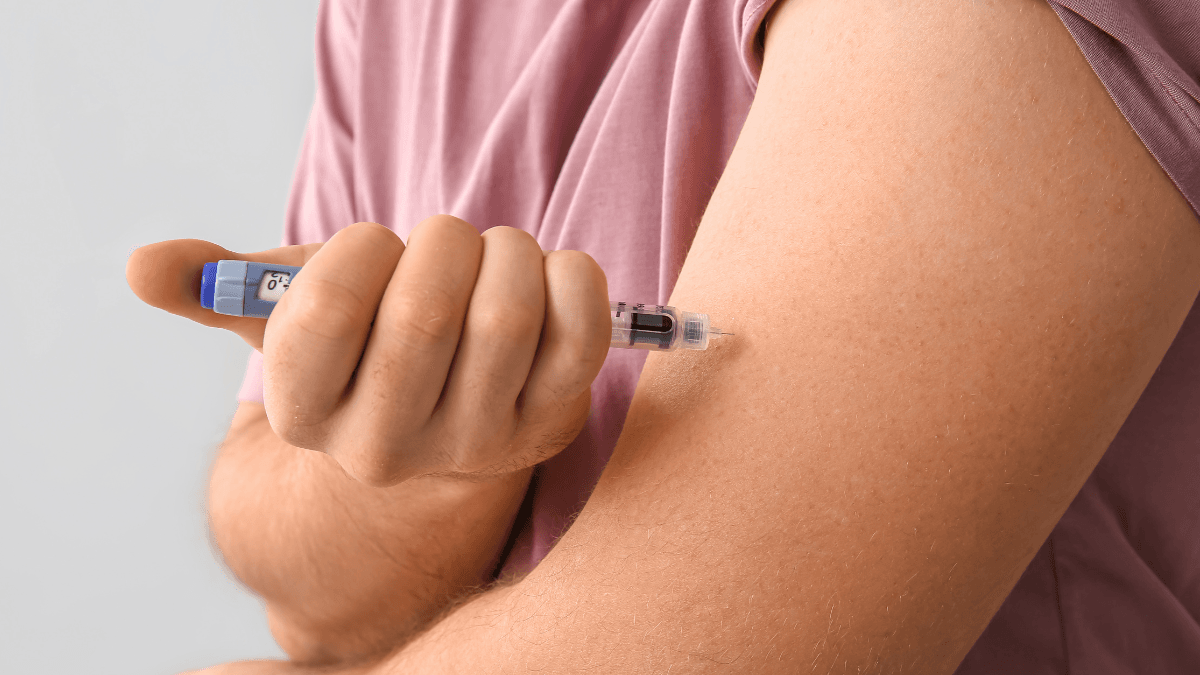
Victoza is injected under the skin in the abdomen, thigh, or upper arm. The main safety rule is to rotate within these areas and avoid using the exact same spot twice in a row. This Victoza Injection Sites: Rotation, Technique, and Safety Guide explains how site choice, clean technique, new needle use, and sharps disposal may help reduce common problems such as soreness, bruising, or small lumps.
Key Takeaways
- Approved areas include the abdomen, thigh, and upper arm.
- Rotate within an approved area rather than reusing one puncture point.
- Use a new needle for each injection, then discard it safely.
- Avoid bruised, scarred, infected, tender, or thickened skin.
- Ask for urgent help with breathing trouble, facial swelling, or spreading infection signs.
Victoza Injection Sites and Why Rotation Matters
The approved Victoza injection sites are chosen because they contain subcutaneous tissue, which means the fatty layer just under the skin. Liraglutide, the medicine in Victoza, is not meant for injection into a vein or muscle. Your prescriber, pharmacist, or diabetes educator should show you the technique before you use the pen independently.
Rotation matters because repeated punctures in the same small spot can irritate tissue. Over time, repeated injections into one point may contribute to tenderness, bruising, or lipohypertrophy, which is thickened or rubbery fatty tissue. The goal is not always to switch to a completely different body area each day. It is to use a different point within an approved area, then move methodically.
For medication-specific context, the Victoza Pens page can help you confirm the product name before discussing instructions with your clinician. Product pages should not replace the patient leaflet or hands-on training from a health professional.
CanadianInsulin.com functions as a prescription referral service, not the dispensing pharmacy.
Choosing Between Abdomen, Thigh, and Upper Arm
Each approved site can work when used correctly, but comfort and access vary by person. Some people can see and reach the abdomen more easily. Others prefer the thigh because it feels more stable when seated. The upper arm may be harder to inject on your own because the recommended tissue area is on the back or outer part of the arm.
| Injection Area | Practical Considerations | What To Avoid |
|---|---|---|
| Abdomen | Often easy to see and reach. Many people find it simple for routine rotation. | Avoid the navel area, scars, bruises, rashes, and tender skin. |
| Thigh | The front or outer thigh can be easier when seated and relaxed. | Avoid areas that rub tightly against clothing or feel hard after prior injections. |
| Upper arm | The back or outer upper arm may need help from a trained person. | Avoid twisting awkwardly or injecting where you cannot inspect the skin. |
A Victoza stomach injection should still rotate within the abdomen. Do not keep returning to the same favorite spot because it feels convenient. For a thigh injection, pick a reachable area with enough soft tissue and inspect it first. For an upper arm injection, ask your care team whether you can safely do it yourself or need help.
Do not inject through clothing. Bare skin lets you check for redness, bruises, lumps, or irritation before placing the needle. If you use alcohol or another skin-cleaning step as directed, let the area dry before injecting. Wet alcohol can sting and may make the injection feel sharper.
Quick tip: Keep a simple rotation map on paper or in a medication app.
A Safe Pen Routine From Preparation To Disposal
A safe routine starts before the needle touches the skin. Check the pen label, expiration information, and appearance according to the patient leaflet. Do not use a pen that looks damaged, frozen, contaminated, or different from what the leaflet describes. If you are unsure, ask a pharmacist or prescriber before injecting.
- Wash your hands and gather the pen, a new needle, and a sharps container.
- Attach a new needle as directed in the Instructions for Use.
- Select a clean point in an approved area and rotate from the last site.
- Inject under the skin using the method taught by your care team.
- Keep the needle in place for the time stated in the leaflet, then remove it.
- Remove the needle safely and discard it in a sharps container.
Needle habits matter. Use a new needle for each injection, and do not store the pen with a needle attached. A left-on needle can leak, clog, or allow contamination. Never share a pen, even if the needle has been changed.
Pen needle supplies, such as BD Nano Pro Pen Needles Ultrafine, should match the device and your clinician’s instructions. If a needle bends, blocks, or feels unusually painful, do not force it. Follow the device leaflet and ask your pharmacy team about replacements or technique review.
Storage and handling also affect safety. Follow the product leaflet for refrigeration before first use, in-use storage, and the discard date after opening. Keep pens away from heat, freezing temperatures, and direct sunlight. Keep all needles and pens out of reach of children and pets.
When required, prescription details may be checked with the prescriber before referral processing.
Injection Site Reactions: Common Signs And Care Triggers
Mild injection site reactions can happen with injectable medicines. Short-lived stinging, pinpoint bleeding, light bruising, redness, or tenderness may occur, especially when technique is new or a sensitive spot is used. These symptoms are different from medication side effects such as nausea, reduced appetite, or stomach upset, which are not caused by the puncture site itself.
Watch changes across several injections. A small lump at a Victoza injection site may reflect local irritation, but a growing, warm, very painful, or draining area needs medical review. The same is true for spreading redness, fever, or red streaks. Do not inject into skin that is already inflamed, infected, thickened, or injured.
Allergic reactions need urgent attention. Seek emergency help for widespread hives, swelling of the lips, tongue, throat, or face, wheezing, or trouble breathing. Severe or persistent abdominal pain, with or without vomiting, also needs prompt medical assessment because liraglutide has important medication-level warnings beyond the injection site.
People managing diabetes may also need to think about skin healing. For background, see Can Diabetes Affect Wound Healing Process and Insulin Allergic Reaction Symptoms if you want to understand allergic-pattern symptoms in a broader injectable-medicine context.
Technique Details That Often Prevent Problems
Good technique is consistent, not forceful. If injections often hurt, it is worth reviewing your method with a trained professional rather than switching sites at random. The issue may be needle angle, tense skin, cold medication, repeated punctures in one zone, or injecting into irritated tissue.
- Skipping rotation: Mark used areas so you do not return too soon.
- Reusing needles: Reuse can dull the tip and increase contamination risk.
- Injecting through clothing: Bare skin allows cleaner placement and better inspection.
- Using damaged skin: Avoid bruises, scars, rashes, lumps, or tender points.
- Rushing disposal: Put used needles directly into an approved sharps container.
Do not change your prescribed dose or schedule to solve an injection problem. Instead, document the site, symptom, needle details, and timing. Bring that record to your clinician, pharmacist, or diabetes educator. If you use other glucose-lowering medicines, ask whether your blood glucose monitoring plan should change when routines change.
For general monitoring context, Blood Sugar Monitoring explains how testing frequency can vary by treatment plan and clinical risk. That topic is separate from pen technique, but it often comes up during medication reviews.
Why it matters: A site diary can reveal patterns that memory often misses.
How Site Technique Fits Into Type 2 Diabetes Care
Victoza injection technique is one practical part of a broader diabetes plan. It does not replace meal planning, activity, monitoring, follow-up visits, or other medicines. Some people use liraglutide with medications from different classes. Decisions depend on medical history, kidney function, cardiovascular risk, side effects, and goals set with a prescriber.
The Type 2 Diabetes editorial hub and broader Diabetes hub collect educational material on monitoring, medications, and daily care. For browsing condition-related options rather than reading an article, the Type 2 Diabetes Condition Hub organizes related product listings.
Medication comparisons should stay specific. Oral semaglutide is not injected, so injection site rotation does not apply; the Rybelsus Semaglutide overview explains that different format. Other injectable GLP-1 medicines can have their own device instructions, so do not transfer pen steps from one product to another without checking the correct leaflet.
If more than one diabetes medication is involved, the discussion becomes broader than technique. The guide to Acceptable Combinations Of Diabetes Medications can help frame questions for a prescriber, but it should not be used to change treatment on your own.
Some patients compare cash-pay options when insurance access is limited, but eligibility and jurisdiction matter. Licensed third-party pharmacies handle dispensing where allowed by applicable rules.
Authoritative Sources
- FDA Victoza label and Instructions for Use: official prescribing, warnings, injection areas, needle use, and handling details.
- FDA guidance on household sharps disposal: safety information for used needles and approved sharps containers.
- MedlinePlus information on liraglutide injection: patient-oriented information from the U.S. National Library of Medicine.
Further Reading And Recap
Victoza injection sites are limited to approved subcutaneous areas, and rotation is the habit that keeps the routine safer and more comfortable. Choose an approved area you can see and reach, inspect the skin, use a new needle, follow the pen leaflet, and dispose of sharps right away. If pain, bruising, lumps, or redness keeps recurring, bring a site diary to your next technique review.
This content is for informational purposes only and is not a substitute for professional medical advice.