
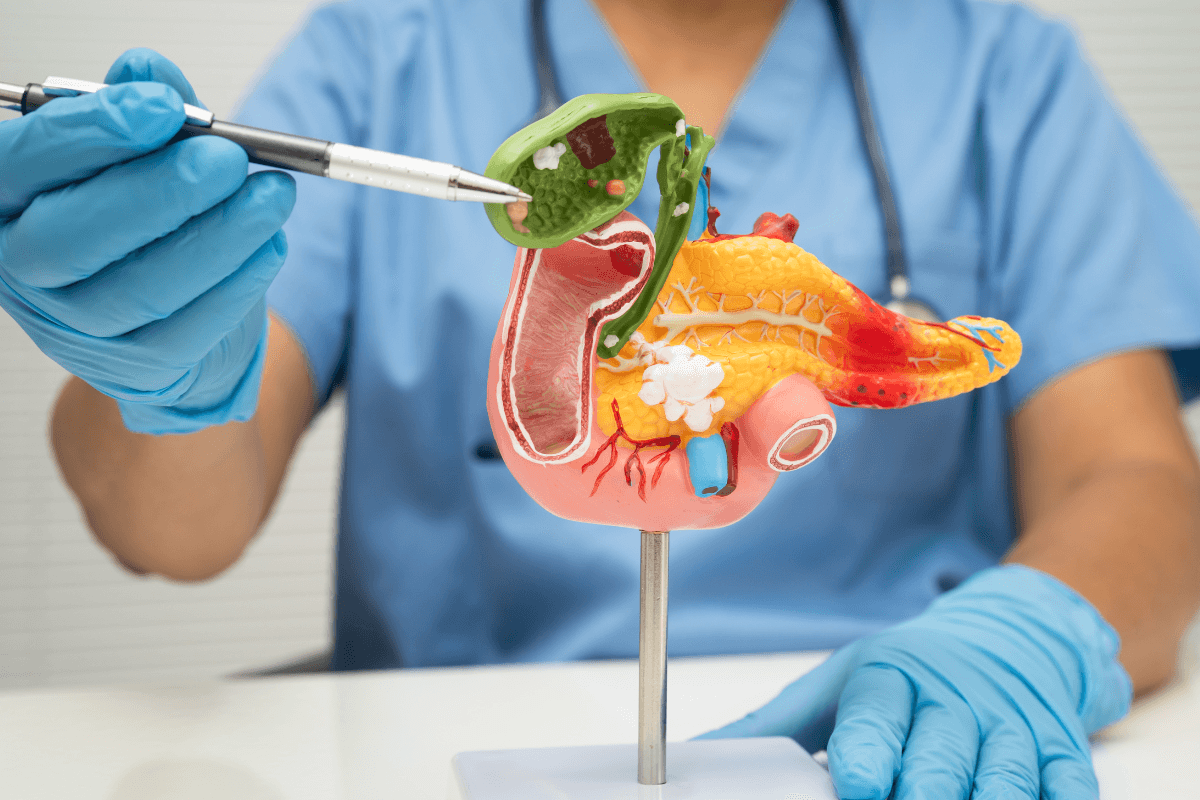
Insulin secretagogues are diabetes medicines that prompt the pancreas to release more insulin. The main types of insulin secretagogues are sulfonylureas and meglitinides, both used in selected people with type 2 diabetes when some beta-cell function remains. This matters because these drugs can lower glucose, but they can also cause low blood sugar if meals, activity, kidney function, or other medicines are not considered.
Key Takeaways
- Two main families: Sulfonylureas and meglitinides are the usual clinical groups.
- Shared action: Both stimulate pancreatic beta cells to release insulin.
- Meal timing matters: Missed or delayed meals can raise hypoglycemia risk.
- Different duration: Meglitinides act shorter and are usually meal-focused.
- Not for everyone: Suitability depends on diabetes type, safety risks, and care goals.
What Insulin Secretagogues Mean in Diabetes Care
The word secretagogue means a substance that promotes secretion from a gland or cell. In diabetes care, insulin secretagogues are medicines that stimulate insulin release from pancreatic beta cells. People may also hear them called insulin-releasing pills, although not every medication in this category is used the same way.
These medicines are mainly discussed in type 2 diabetes. They need working beta cells to have an effect. They are not a substitute for insulin in type 1 diabetes, where the body produces little or no insulin. They also may be less useful when insulin deficiency has become advanced.
Clinicians weigh these medicines against many other options, including metformin, DPP-4 inhibitors, GLP-1 receptor agonists, SGLT2 inhibitors, and insulin. The choice depends on glucose pattern, hypoglycemia risk, kidney function, cardiovascular history, weight goals, cost, and daily routine. For broader context across drug families, the site’s Type 2 Diabetes Articles category can help readers explore related education.
Why it matters: A medicine that increases insulin release can lower glucose even when food intake is low.
Types of Insulin Secretagogues and Common Examples
The two main types of insulin secretagogues are sulfonylureas and meglitinides. Both increase insulin secretion, but they differ in onset, duration, and how closely they are tied to meals. That difference affects how clinicians think about safety and daily fit.
Sulfonylurea insulin secretagogues
Sulfonylureas are older oral diabetes medicines. Common examples include glipizide, glyburide, gliclazide, and glimepiride. They work for a longer period than meglitinides, so they may affect fasting and between-meal glucose. This longer action can also increase concern for hypoglycemia, especially with missed meals or reduced kidney function.
Some sulfonylureas are still widely used because they are familiar and often inexpensive. Yet they require careful review of eating patterns, low-glucose history, and other prescriptions. Readers comparing medicines within this family may find Glimepiride vs Glipizide useful for understanding how individual agents can differ. For a practical orientation to starting this class, see Taking Sulfonylureas Drugs.
Meglitinide insulin secretagogues
Meglitinides are shorter-acting insulin secretagogues. Examples include repaglinide and nateglinide. They are often described as meal-related agents because they act relatively quickly and do not last as long as many sulfonylureas. This profile can be helpful when post-meal glucose is the main concern, but use still requires a clinician’s direction.
Repaglinide is one example of this group. Readers who need product-specific navigation can review the Repaglinide page, while keeping clinical decisions with a prescriber. Product pages should not replace individualized medical advice, especially when low blood sugar risk is relevant.
Are there three groups?
Some resources describe three groups by separating older sulfonylureas, newer sulfonylureas, and meglitinides. In everyday clinical education, however, the simpler grouping is usually two families: sulfonylureas and meglitinides. Incretin-based medicines, such as GLP-1 receptor agonists, can increase insulin secretion in a glucose-dependent way, but they are usually discussed as a different drug class rather than traditional oral secretagogues.
How These Medicines Trigger Insulin Release
Insulin secretagogues work by stimulating beta cells in the pancreas to release stored insulin. At a high level, many act on ATP-sensitive potassium channels on beta-cell membranes. Closing these channels changes the cell’s electrical state, opens calcium channels, and allows insulin granules to be released.
This mechanism can reduce fasting glucose and post-meal glucose in suitable people. It also explains the main safety issue. If insulin release increases when food intake is delayed, blood glucose can fall too low. The risk is not only about the medicine; it also depends on meals, alcohol intake, exercise, kidney function, liver function, age, and other glucose-lowering therapies.
The effect depends on remaining beta-cell capacity. If the pancreas cannot produce enough insulin, these medicines may not provide adequate control. That is one reason clinicians reassess therapy over time, especially when A1C or home glucose patterns change.
For home monitoring discussions, unit conversion sometimes creates confusion. This tool converts glucose values between mg/dL and mmol/L; it does not interpret results or replace clinical guidance.
Blood Glucose Unit Converter
Convert glucose readings between mg/dL and mmol/L without changing the clinical value.
These calculations are for education only and do not replace clinical advice, diagnosis, or treatment. Always confirm medical decisions with a qualified healthcare professional.
Benefits and Limits in Type 2 Diabetes
Insulin secretagogues benefits include oral administration, familiar use in type 2 diabetes, and the ability to lower glucose when the pancreas can still respond. They may be considered when glucose remains above target despite lifestyle measures or other medicines, depending on the person’s health profile.
These benefits have limits. Secretagogues do not directly treat insulin resistance, which is common in type 2 diabetes. They also do not preserve beta-cell function in a guaranteed way. Over time, diabetes may progress, and a medicine that once worked well may become less effective. Regular review helps determine whether the current plan still fits.
Another practical limit is meal regularity. A person who often skips meals, has unpredictable appetite, or does shift work may need extra counseling if a secretagogue is used. This does not mean the class is always unsuitable. It means the safety plan needs to match real life.
Side Effects, Cautions, and Low Blood Sugar
The most important insulin secretagogues side effects are hypoglycemia and weight gain. Hypoglycemia means blood glucose has fallen below a safe range. Symptoms can include shakiness, sweating, hunger, confusion, dizziness, weakness, fast heartbeat, or headache. Severe episodes can cause fainting, seizures, or require help from another person.
Low blood sugar risk can rise with missed meals, unexpected exercise, alcohol, higher doses, older age, kidney impairment, or combining several glucose-lowering medicines. Glyburide is often discussed with particular caution in people at higher hypoglycemia risk. For more detail on this specific concern, see Glyburide and Hypoglycemia.
Weight gain can occur because higher insulin levels encourage the body to store energy. The amount varies by person and by overall care plan. Other possible side effects include nausea, stomach upset, headache, dizziness, skin reactions, and changes in liver or blood tests. Serious reactions are uncommon, but new rash, severe low-glucose symptoms, yellowing of the skin, or unusual bleeding should prompt medical attention.
Quick tip: Keep a written low-glucose plan where family or caregivers can find it.
Secretagogues Versus Insulin Sensitizers
Insulin secretagogues and insulin sensitizers address different problems. Secretagogues increase insulin release. Sensitizers improve how the body responds to insulin that is already present. This distinction helps explain why medicines may be combined, switched, or avoided in different situations.
Metformin is an insulin sensitizer, not an insulin secretagogue. It mainly reduces liver glucose production and improves insulin sensitivity. Thiazolidinediones, such as pioglitazone and rosiglitazone, also improve insulin sensitivity through a different pathway. These medicines do not usually cause hypoglycemia by themselves in the same direct way as traditional secretagogues, although risk can change when therapies are combined.
Other oral classes work differently again. DPP-4 inhibitors affect incretin hormones and are often discussed separately from classic secretagogues. For readers comparing daily expectations with that class, Taking DPP-4 Inhibitors provides related background.
Questions to Review With a Clinician
A safe conversation about types of insulin secretagogues should focus on daily patterns, not only drug names. The same medicine can fit one person’s routine and create problems for another person with irregular meals or frequent low-glucose episodes.
- Meal routine: Ask how missed meals should be handled.
- Low-glucose history: Share any recent symptoms or readings.
- Kidney function: Review whether monitoring affects medicine choice.
- Other medicines: Include insulin, antibiotics, anticoagulants, and supplements.
- Driving or work: Discuss safety-sensitive tasks and hypoglycemia planning.
- Pregnancy plans: Ask before starting, stopping, or changing therapy.
People with repeated lows, severe symptoms, pregnancy, kidney disease, liver disease, eating disorders, or major appetite changes should seek individualized review. Do not stop or change a diabetes medicine without professional guidance, unless emergency instructions have already been provided for a specific situation.
For browsing product categories rather than clinical advice, the Type 2 Diabetes Products collection lists diabetes-related items by condition. CanadianInsulin.com functions as a prescription referral platform, and dispensing is handled by licensed third-party pharmacies where permitted. That service context does not replace a prescriber’s assessment of whether a secretagogue is appropriate.
Authoritative Sources
For drug-label and medication safety details, official product information remains the best reference. The DailyMed drug label database provides U.S. labeling for many medicines, including warnings and adverse reactions.
For broader diabetes standards and treatment goals, the American Diabetes Association medication overview explains major non-insulin drug classes in patient-facing language.
For Canadian medication and safety information, the Health Canada Drug Product Database can help locate approved product information and regulatory status.
Recap
Insulin secretagogues stimulate the pancreas to release insulin. The main groups are sulfonylureas and meglitinides, with differences in onset, duration, meal timing, and hypoglycemia risk. They can help selected people with type 2 diabetes, but they require careful attention to meals, monitoring, and safety factors.
The next useful step is to compare the medicine class with your actual glucose pattern and routine. If you are reviewing options, bring home readings, meal timing, low-glucose symptoms, and a complete medication list to your clinician. For wider diabetes education, the Diabetes Articles category offers related reading across treatment and daily management topics.
This content is for informational purposes only and is not a substitute for professional medical advice.


