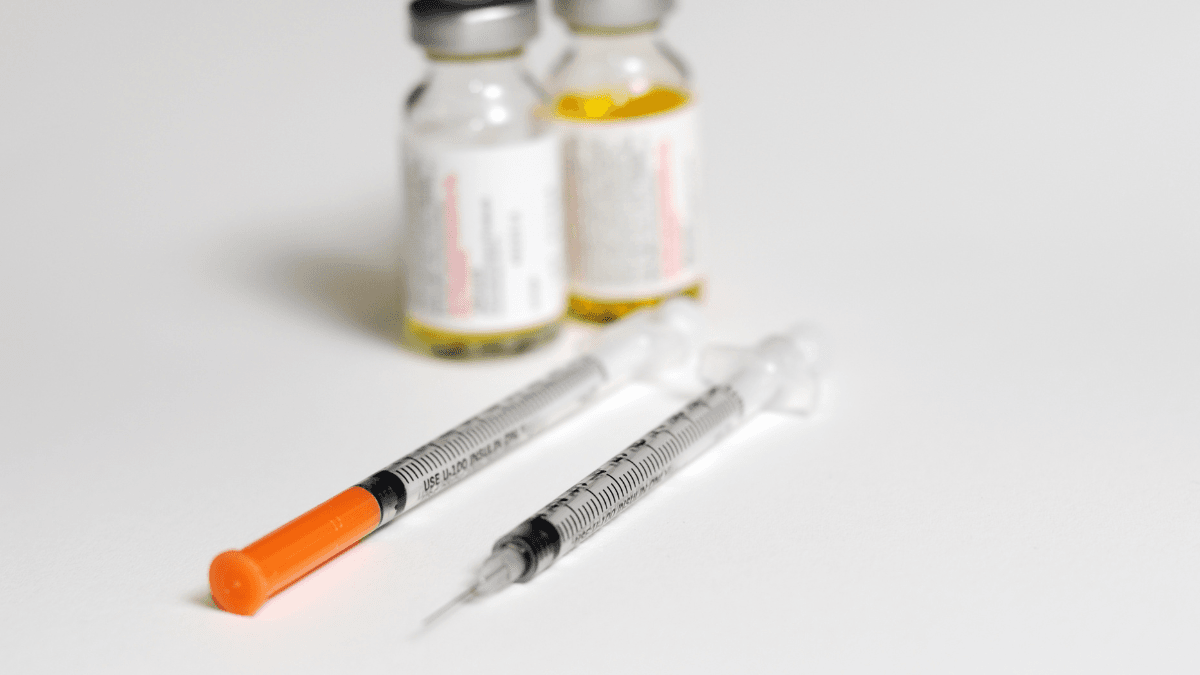
Choosing between novolin r vs novolog starts with understanding how each insulin behaves. Novolin R is human regular insulin, while Novolog is insulin aspart. Both lower blood sugar, but they work at different speeds and suit different dosing strategies. This guide clarifies timing, delivery options, and safe switching basics.
Key Takeaways
- Different speeds: Regular insulin acts slower than insulin aspart.
- Meal timing: Regular often needs earlier dosing than rapid-acting.
- Pumps favor rapid-acting; vials and pens work for both.
- Switching insulins requires careful stepwise adjustments and monitoring.
Novolin R vs Novolog
Novolin R (regular human insulin) and Novolog (insulin aspart) both reduce post-meal glucose, yet their pharmacokinetics differ. Regular insulin typically starts working later and lasts longer. Insulin aspart begins sooner and fades faster. These differences influence pre-meal timing, hypoglycemia risk profiles, and suitability for pumps or multiple daily injections.
According to official product information, insulin aspart has a rapid onset suitable for mealtime boluses, while human regular insulin has a slower onset and longer duration. For authoritative details on indications and safety, consult the insulin aspart prescribing information (insulin aspart label). Comparable safety and dosing fundamentals appear in the regular human insulin documentation (human regular insulin label).
Pharmacology: Onset, Peak, and Duration
Regular insulin generally starts working about 30 to 60 minutes after injection, peaks around 2 to 4 hours, and can last 6 to 8 hours. Insulin aspart typically starts within 10 to 20 minutes, peaks at roughly 1 to 3 hours, and lasts 3 to 5 hours. These ranges can vary by dose, injection site, and individual absorption. Knowing the shape of the curve helps match insulin action to meals and activity.
For a deeper look at timing ranges and practical scheduling examples, see Novolin R Onset Peak for additional context on regular insulin kinetics. Broader comparisons across insulin types and their action profiles are summarized in Insulin Onset and Duration, which can help you visualize how different preparations overlap.
Dosing and Meal Timing
Because insulin aspart acts quickly, many people dose closer to the first bite. Regular insulin often needs an earlier lead time before meals to offset its slower start. Matching dose timing to carbohydrate content and expected absorption can reduce post-meal spikes and late lows. Individual responses vary, so patterns over days matter more than one reading.
Many wonder is novolin r fast acting compared with rapid insulins. Clinically, it is fast relative to older basal insulins, but slower than modern rapid-acting analogs. For a refresher on rapid insulins and how they match meal patterns, review Short Acting Insulin for practical timing basics and examples.
Switching Safely Between Insulins
Switching between regular and rapid-acting insulins involves more than a simple unit-for-unit change. Action curves, meal timing, and hypoglycemia risk all shift. A prudent approach uses small, stepwise adjustments with frequent glucose checks or CGM review. This staged method helps identify whether changes should focus on dose size, dose timing, or both.
Before making any switch, align expectations with your prescriber and review recent glucose patterns. When moving between products, confirm vial, pen, or pump concentrations and device settings. For general frameworks and terminology, the guide on Insulin Conversions outlines common principles and cautions across different insulin classes.
From Rapid-Acting to Regular
Moving from insulin aspart to regular insulin changes both meal timing and duration. The earlier onset of rapid-acting will be replaced by a slower start and a longer tail. That shift may require dosing earlier before a meal and watching for later hypoglycemia. Some clinicians adjust the bolus timing first, then fine-tune units as patterns emerge. If you are considering a novolog to novolin r conversion, build in extra monitoring for several days and avoid major dose jumps all at once. For background on how different fast insulins compare to regular, see Lispro vs Regular for mechanisms and timing contrasts.
Delivery Methods: Vials, Pens, and Pumps
Rapid-acting analogs like insulin aspart are often favored in pumps because their quick onset and shorter tail help fine-tune basal and bolus delivery. Regular insulin may be used with syringes or pens for people who benefit from a slower onset or prefer fewer injection timing constraints. Device choice also affects convenience, dose accuracy, and needle changes.
For vial users comparing formats and concentrations, see Novolin GE Toronto to review human regular options, and NovoRapid Vials to contrast a common rapid analog; these pages help you compare packaging and strengths. Pen users may prefer Novolin GE Penfill or NovoRapid Cartridge to understand cartridge formats and compatible devices before selecting supplies. People debating novolog flexpen vs novolin r should consider onset needs, daily routine, and device handling.
Special Cases: Premixed and Basal Pairings
Premixed insulins combine rapid or regular with an intermediate basal component. These products may simplify dosing for some routines but reduce flexibility around variable meals and exercise. When meals are predictable, premixed options can reduce daily injections. When schedules vary, separate basal and bolus components often allow more precise adjustments.
People comparing novolog vs novolin 70/30 should consider the different mealtime components and how they influence post-meal control. For a structured overview of when premixes help and when they constrain flexibility, see the Premixed Insulin Guide for pros, cons, and typical use cases. If NPH-based strategies are under consideration, Novolin GE NPH Vials can help you review intermediate components used in certain premixed regimens.
Safety, Storage, and Side Effects
All insulins can cause hypoglycemia, weight changes, and injection site reactions. Timing errors are a common source of low blood sugar, especially when switching to faster or slower options. Rotating injection sites may reduce local skin reactions. Keep glucagon or fast carbs available if you are adjusting doses or timing.
Store unopened insulin in the refrigerator per labeling, and avoid freezing. Opened pens and vials typically have room-temperature use windows; check the specific product insert. For authoritative handling and adverse reactions information, review the manufacturer-prescribed details in the insulin aspart label and the human regular insulin label. The novolog manufacturer lists storage and stability instructions that may differ slightly by device.
Note: Insulin potency depends on proper storage. Discard pens or vials exposed to extreme temperatures, even if they look normal.
Related Comparisons and Alternatives
Some people evaluate rapid-acting analogs together before choosing a mealtime insulin. If comparing humalog vs novolog, keep in mind minor differences in timing and device options. Your past response patterns and schedule flexibility often matter more than brand switching alone. Continuous glucose monitoring can clarify whether timing or dose size is the limiting factor.
For deeper comparisons, see Novolog vs Humalog Insulin for a side-by-side overview and practical scenarios. Device considerations and automation features are outlined in the Diabetes Tech Guide, which can help align insulin selection with pens, pumps, and CGMs.
Tip: Log meal timing, carb estimates, and pre-/post-meal readings for a week when changing products. Short notes accelerate safe adjustments.
Recap
Regular insulin and insulin aspart meet similar goals with different timing. Faster onset favors pump use and just-in-time bolusing, while slower onset may suit earlier pre-meal dosing. When switching, adjust gradually, confirm device settings, and track patterns. Use official labeling and evidence-based guides to support safe, informed choices.
This content is for informational purposes only and is not a substitute for professional medical advice.