

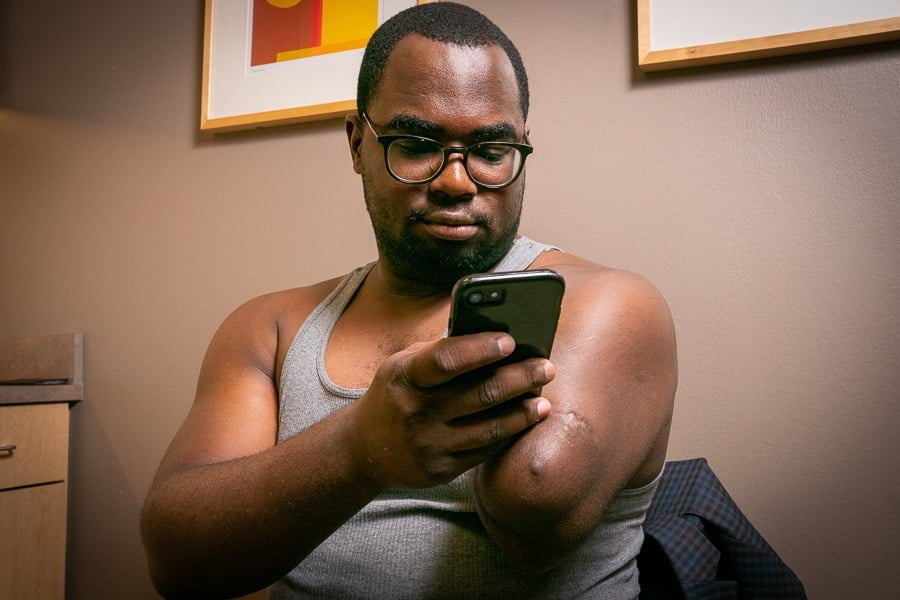
People with diabetes can lose limbs when nerve damage, poor blood flow, infection, and slow wound healing overlap. The shortest answer to why do diabetics lose limbs is that small foot injuries can become serious before they are felt, seen, or treated. This matters because many diabetes-related amputations start with preventable problems, such as pressure sores, cracked skin, calluses, or infected ulcers.
Limb loss is not inevitable. Most people with diabetes never need an amputation. Risk rises when high glucose levels, peripheral neuropathy (nerve damage), peripheral artery disease (narrowed leg arteries), smoking, kidney disease, or past foot ulcers are present. Early foot checks, fast wound care, pressure relief, and vascular assessment can change the outcome.
Key Takeaways
- Nerve damage hides injury.
- Poor blood flow slows healing.
- Foot ulcers can deepen quickly.
- Infection may reach bone.
- Daily checks reduce delays.
Why Diabetes Can Lead to Limb Loss
Diabetes raises amputation risk because it can damage nerves, blood vessels, immune response, and skin integrity at the same time. That combination is most dangerous in the feet, where pressure, footwear, dryness, and minor trauma are common.
Peripheral neuropathy reduces protective sensation. A person may not feel a blister, stone in a shoe, hot pavement, or a tight seam rubbing the toes. Without pain as an alarm, the injury can keep worsening. Over time, pressure under a callus can break down deeper tissue and form an ulcer.
Peripheral artery disease lowers blood supply to the foot. Less blood flow means less oxygen reaches tissue. It also becomes harder for immune cells and antibiotics to reach infected areas. This can turn a small wound into a non-healing ulcer, especially near the toes, heel, or ball of the foot.
High glucose can also impair white blood cell function and slow repair. Skin may become dry or cracked, creating openings for bacteria. If you want more detail on skin changes that can precede wounds, see Diabetes Skin Problems.
Why it matters: A painless sore in diabetes can still be urgent.
How a Foot Ulcer Becomes an Amputation Risk
Most diabetes-related amputations begin with a wound that fails to heal. The pathway often starts with a callus, blister, cracked heel, ingrown toenail, burn, or unnoticed cut. Sustained pressure keeps the area open, and bacteria can enter the tissue.
Clinicians usually assess four linked problems: wound depth, blood flow, infection, and pressure. A shallow ulcer with good circulation may heal with offloading and wound care. A deeper ulcer with poor circulation, spreading infection, or exposed bone carries higher risk.
Osteomyelitis (bone infection) is one serious turning point. It can develop when infection spreads from a chronic ulcer into nearby bone. Treatment may involve imaging, cultures, antibiotics, surgical cleaning, or removal of nonviable tissue. The goal is to control infection while preserving as much function as possible.
Another turning point is critical limb ischemia, sometimes called chronic limb-threatening ischemia. This means blood flow is too low to support healing. Vascular specialists may consider testing and possible revascularization, which aims to improve blood supply. Not every person is a candidate, so decisions depend on anatomy, overall health, infection severity, and personal goals.
For a deeper look at wounds that often precede amputation due to diabetes, review Diabetic Foot Ulcer Warning Signs and Diabetic Foot Ulcer.
Warning Signs That Need Prompt Attention
Diabetes limb loss symptoms are often subtle at first. Pain may be absent because neuropathy dulls sensation. That is why visual inspection matters, especially after walking, exercise, new shoes, or nail trimming.
Contact a clinician promptly for a new ulcer, drainage, spreading redness, increasing warmth, swelling, foul odor, black or blue skin, fever, chills, or sudden foot color change. Seek urgent care if there are signs of severe infection, rapidly worsening skin changes, confusion, or a cold, pale foot.
Watch for these common early changes:
- New callus: pressure may be building.
- Cracked skin: bacteria can enter.
- Drainage: infection may be present.
- Warmth difference: inflammation may be developing.
- Reduced pulses: circulation needs assessment.
Swelling and fluid leakage can also complicate skin care. If leg swelling, weeping skin, or open areas appear, see Diabetes Swollen Feet for related context. If redness is spreading or the skin feels hot and tender, Cellulitis and Diabetes explains why infection can require quick evaluation.
When Doctors Consider Amputation
Doctors consider amputation when tissue cannot survive, infection threatens the person’s health, or the foot cannot heal despite appropriate care. This decision is usually not based on diabetes alone. It reflects the condition of the wound, circulation, infection, and the person’s overall medical status.
A diabetic foot amputation indication may include dead tissue, uncontrolled infection, severe gangrene, extensive bone infection, or a wound that cannot heal because blood flow is too poor. In some cases, surgery removes only a toe or part of the forefoot. In others, a below-knee or above-knee procedure may be needed to control infection or create a limb shape that can heal and support mobility.
The level of amputation matters. Toe and partial-foot procedures preserve more limb length but still need careful offloading and footwear planning. Higher-level amputations may be more physically demanding and often require more intensive rehabilitation. Clinicians balance infection control, healing potential, walking goals, and surgical risk.
Second opinions are reasonable when time allows, especially for major surgery. A multidisciplinary team may include primary care, endocrinology, podiatry, vascular surgery, infectious disease, wound care, rehabilitation, and prosthetics. In urgent infection or sepsis, decisions may need to happen quickly.
Who Is at Higher Risk?
Risk is highest when several problems occur together. Long-standing diabetes, frequent high glucose levels, prior foot ulcer, previous amputation, smoking, kidney disease, vision problems, foot deformity, and limited mobility can all raise risk. Type 2 diabetes can lead to limb loss, but the risk depends more on complications than on the diabetes label itself.
Foot shape also matters. Bunions, hammertoes, Charcot foot, and uneven pressure points can make skin breakdown more likely. Shoes that are too tight, worn out, or poorly fitted add friction. Walking barefoot increases exposure to cuts, burns, and puncture wounds.
Kidney disease and cardiovascular disease often travel with severe foot complications. Reduced kidney function can impair healing and increase infection risk. Heart and vascular disease can limit blood flow and reduce the body’s reserve during surgery or recovery.
Social factors also affect outcomes. People may delay care because of cost, transportation, work demands, limited access to podiatry, or lack of protective footwear. These delays matter because diabetic foot infections can advance faster than they appear on the surface.
For broader diabetes education and related condition topics, you can browse the Diabetes Articles collection. The Diabetes condition page is a browsing resource for related treatment categories, not a substitute for clinical care.
How to Prevent Diabetes-Related Amputations
Prevention focuses on finding small problems before they become limb-threatening. The most useful routine is simple: inspect, protect, report, and follow up. This does not replace clinic care, but it can reduce dangerous delays.
Daily inspection means checking the tops, bottoms, heels, and between the toes. A mirror or caregiver can help if bending is difficult. Look for cuts, blisters, redness, drainage, nail problems, color changes, and new calluses. Check inside shoes before wearing them.
Protection means wearing well-fitting shoes and clean socks, avoiding barefoot walking, moisturizing dry skin while avoiding lotion between the toes, and trimming nails safely. People with poor vision, thick nails, neuropathy, or prior ulcers may need professional foot care.
Reporting means contacting a clinician early for any wound that does not improve, any sign of infection, or any new black, blue, cold, or numb area. Waiting for pain is not safe when neuropathy is present. Pain may never arrive.
Follow-up means keeping scheduled foot exams, vascular checks, and diabetes visits. Glucose management, blood pressure control, lipid management, smoking cessation, and kidney care all support lower risk. These decisions should be individualized with the care team.
Quick tip: Put foot checks beside an existing habit, such as brushing teeth.
Some readers ask whether socks should be worn to bed. Warm, loose, clean socks may protect feet from cold or friction, but tight socks can restrict circulation or leave pressure marks. Avoid heating pads or hot water bottles, especially with neuropathy, because burns may go unnoticed.
Survival, Recovery, and Why Some People Die After Amputation
People may die after amputations because limb loss often signals advanced blood vessel disease, infection burden, kidney disease, or heart disease. The surgery is one event, but the larger risk comes from the underlying health problems that made the amputation necessary.
Risk of death after leg amputation is higher when there is severe peripheral artery disease, heart failure, kidney impairment, sepsis, poor nutrition, or limited mobility. Major amputations, such as below-knee or above-knee procedures, usually carry more strain than toe procedures. However, outcomes vary widely.
Questions about how long diabetics live after amputations cannot be answered with one timeline. Survival depends on age, amputation level, circulation, infection control, kidney function, heart health, rehabilitation access, and whether new ulcers are prevented. Toe amputations often involve less functional loss than major leg amputations, but healing can still fail if blood flow is poor or pressure is not controlled.
Recovery usually includes wound monitoring, swelling control, physical therapy, safe transfers, footwear or prosthetic planning, and emotional support. Depression, grief, and fear are common after limb loss. Psychological care is part of recovery, not an optional extra.
Recurrent ulcers are a major concern after any procedure. The remaining foot and the opposite foot may face new pressure patterns. Regular footwear review, gait training, and prompt treatment of new skin changes help reduce repeat injury.
What Statistics Can and Cannot Tell You
Diabetes amputations statistics help show the scale of the problem, but they cannot predict one person’s outcome. Rates vary by country, region, access to preventive care, vascular services, income, race, age, kidney disease, and smoking patterns.
Statistics also differ by definition. Some reports count any toe, foot, or leg amputation. Others separate minor amputations from major lower-extremity amputations. This distinction matters because a toe procedure and an above-knee amputation have very different recovery needs and risks.
For a reader asking what percentage of diabetics lose limbs, the safest practical answer is that limb loss affects a minority of people with diabetes, but the risk is much higher in those with neuropathy, poor blood flow, prior ulcers, or delayed wound care. Prevention remains the more useful focus than a single percentage.
Current public-health guidance emphasizes early foot care, vascular evaluation, and rapid treatment of ulcers. The CDC overview on preventing diabetes-related amputations describes the role of nerve damage, poor circulation, and early care.
Authoritative Sources
The ADA Standards of Care in Diabetes outline foot screening, cardiovascular risk reduction, and multidisciplinary follow-up for people with diabetes.
The NIDDK diabetes foot problems resource explains neuropathy, circulation problems, ulcers, and prevention steps in patient-friendly language.
The IDSA diabetic foot infection guideline provides clinician-focused recommendations for diagnosis and treatment of diabetic foot infections.
Recap
Why do diabetics lose limbs? The main pathway is nerve damage plus poor blood flow, followed by wounds that do not heal and infections that spread. The process often begins quietly. A blister, callus, crack, or nail injury can become serious when pain is absent and circulation is limited.
Do all diabetics lose limbs? No. Many amputations are preventable with regular foot checks, protective footwear, early wound care, vascular assessment, and careful management of glucose and cardiovascular risk factors. The most important next step is to treat any new foot wound, color change, drainage, or spreading redness as a reason to seek timely clinical review.
This content is for informational purposes only and is not a substitute for professional medical advice.