
Key Takeaways
A well-structured Zepbound diet plan can help you feel satisfied, protect lean muscle, and reduce nausea risk. Start with protein-forward meals, controlled portions, and steady hydration. Adjust meal timing to appetite changes while keeping nutrients balanced.
- Protein first: anchor meals with lean protein.
- Slow carbs: use fiber-rich grains, beans, vegetables.
- Healthy fats: small amounts for fullness.
- Hydration: steady fluids to support tolerance.
Zepbound Diet Plan: Core Principles
Tirzepatide is a dual GIP/GLP-1 receptor agonist (incretin-mimicking drug) that slows gastric emptying and reduces appetite. That can help you eat less, but it also raises the stakes for food quality. Build meals around lean protein, produce, and fiber-rich carbohydrates. This combination improves satiety and supports stable energy, which helps you stay consistent.
Nausea and GI symptoms can occur early or when doses change. The medication’s prescribing information notes common gastrointestinal effects, so gradual food texture and portion adjustments are wise. For dose timing and titration context, see the Zepbound Dosage Guide to align meals with your schedule. If you want a broader overview of appetite changes, this Zepbound Weight Loss explainer outlines hunger-curbing mechanisms to consider while planning meals.
Macros and Protein Targets
Set protein to protect lean mass while losing weight. A practical range is 1.2–1.6 g/kg of goal body weight per day, split across meals. Higher protein helps fullness, supports recovery, and maintains resting energy expenditure. Choose lean sources such as poultry, fish, eggs, Greek yogurt, tofu, tempeh, legumes, or protein shakes.
Use simple math and adjust to tolerance. If you prefer a modest target, try 25–35 grams at each main meal, with optional 10–20 gram snacks. The NIH provides accessible guidance on protein needs; see this concise protein fact sheet for baselines. For medication comparisons that can influence macro planning, review Tirzepatide vs Semaglutide to understand appetite and GI differences.
Meal Timing and Breakfast Ideas
Hunger patterns may shift with therapy. Try smaller, more frequent meals if large plates feel overwhelming. A light, protein-forward breakfast can stabilize energy and reduce grazing later. Aim for steady carbs from fruit, oats, or whole-grain toast, plus a little fat for staying power.
Here are options for what to eat for breakfast on zepbound: Greek yogurt with berries and walnuts; tofu scramble with spinach and salsa; cottage cheese with pineapple and chia; overnight oats with whey and sliced pear; smoked salmon, cucumber, and whole-grain crispbread. Adjust textures on low-appetite mornings by choosing smoothies, soft eggs, or yogurt bowls.
What To Eat When Appetite Is Low
On light-appetite days, favor soft, simple foods with reliable protein. Smoothies with milk or soy beverage, protein powder, fruit, and oats are easy to sip. Scrambled eggs, mashed beans, or lentil soup provide gentle textures. Keep portions small to improve tolerance, then repeat a small meal two hours later if needed.
If you wonder what to eat on zepbound when not hungry, try a 250–350 calorie mini meal: 20–25 grams protein, slow carbs, and some fluid. Examples include cottage cheese and melon, hummus with soft pita and tomatoes, or a ready-to-drink shake and a banana. For daytime energy considerations, the Zepbound And Fatigue guide offers pacing and nutrition strategies that pair well with small meals.
Foods and Habits to Limit
Large, greasy, or highly processed meals can worsen reflux, nausea, or fatigue. Start with smaller portions and eat slowly. Highly carbonated beverages may cause bloating; consider non-carbonated options instead. Alcohol can undermine appetite regulation and recovery, so keep it limited and hydrate well.
Prioritize simple, whole-food meals most days, and keep treats planned and portioned. A practical list of zepbound foods to avoid includes heavy fried entrees, ultra-sugary drinks, oversized fast-food combos, and high-fat desserts before bed. For relapse prevention insights, see Ozempic Rebound to understand behavior patterns that also matter on tirzepatide. Explore the Weight Management collection for structured nutrition strategies across therapies.
Nausea Prevention and Hydration
Nausea often improves with portion control and gentler textures. Keep foods mild, lower in fat, and without heavy spices until symptoms ease. Ginger tea, crackers, bananas, applesauce, rice, and broth-based soups can be easier to manage. Avoid lying down right after meals, and take small sips of fluids throughout the day.
To clarify what to eat on zepbound to avoid nausea, start with bland starches, lean protein, and non-acidic fruits. The CDC’s overview of water and healthier drinks supports using low-sugar fluids for hydration. For travel days that disrupt routines, see Travel With Zepbound for packing and timing tips that help you keep sipping and snacking consistently.
Movement and Strength: Put Food to Work
Pair nutrition with activity to preserve muscle and mobility. Start with low-impact cardio like brisk walking or cycling, then add two brief resistance sessions weekly. Use bands, dumbbells, or bodyweight moves. Eat a protein-containing meal within a few hours of training to support muscle repair.
Create a zepbound diet and exercise plan that fits your week: 3–4 short cardio bouts, 2 strength sessions, and daily steps. If you are comparing options for long-term support, the balanced overview in Best GLP-1 For Weight Loss can frame expectations. For medication comparisons tied to training comfort, see Zepbound vs Mounjaro to understand differences that may influence workout timing.
Simple Day Template and Grocery List
Use a straightforward template and repeat it on busy days. A sample zepbound meal plan could include four small eating occasions and steady fluids. Adjust portion sizes to tolerance, and scale protein up or down as needed. Keep flavors simple if you feel queasy, then reintroduce variety as symptoms settle.
Example day: Breakfast—Greek yogurt, berries, and granola. Snack—protein shake and kiwi. Lunch—lentil soup and whole-grain toast. Snack—cottage cheese and cucumbers. Dinner—grilled salmon, quinoa, and roasted broccoli. Fluids—water, herbal tea, or diluted juice. For reference material and medication basics, the Zepbound page offers a concise overview to pair with meal planning. If you need a non-tirzepatide comparator for meal structure ideas, the Mounjaro listing provides context you can translate to similar eating patterns.
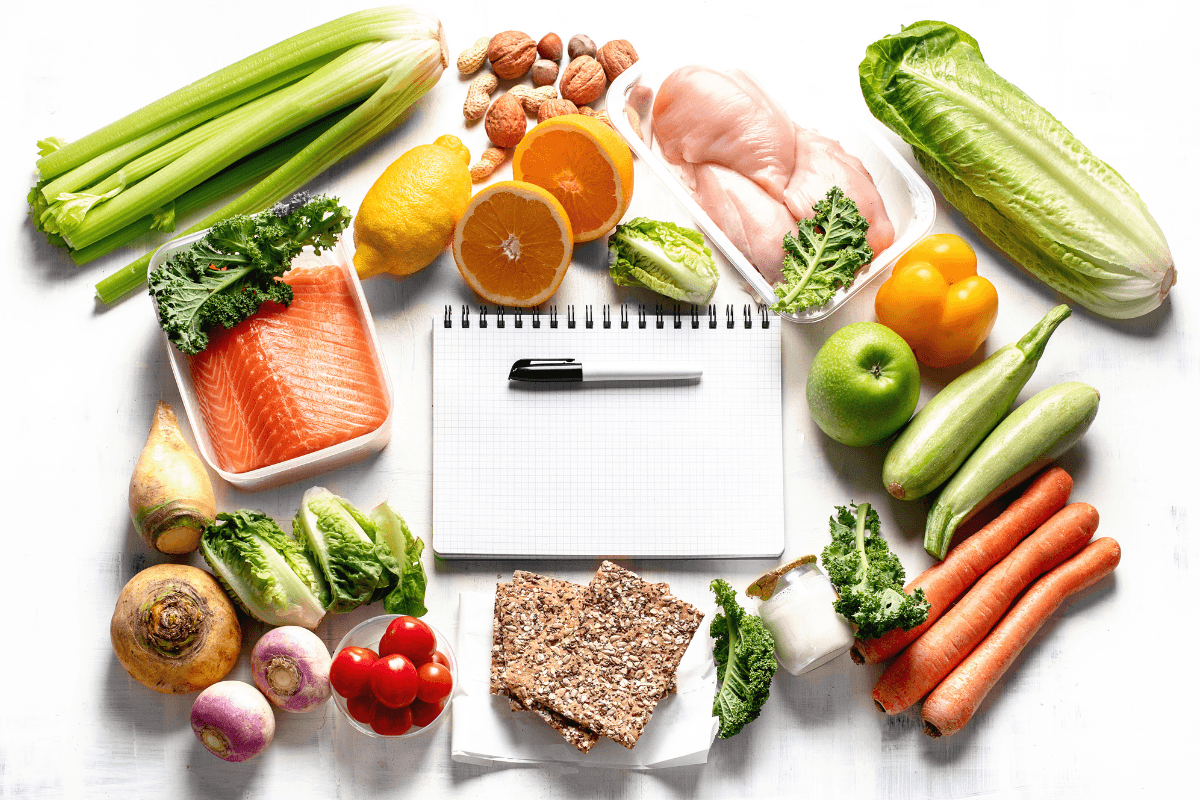
Tip: Build a simple grocery list from the template: Greek yogurt, eggs, chicken breast, canned tuna or salmon, tofu, beans, oats, brown rice, quinoa, whole-grain bread, berries, bananas, leafy greens, carrots, cucumbers, olive oil, nuts, and low-sugar drinks.
Recap
Focus on protein-forward meals, fiber-rich carbs, and small portions. Adjust textures and timing to support tolerance and energy. Drink fluids steadily, and scale complexity with symptoms. Link nutrition and movement to preserve muscle while weight comes down.
This content is for informational purposes only and is not a substitute for professional medical advice.


