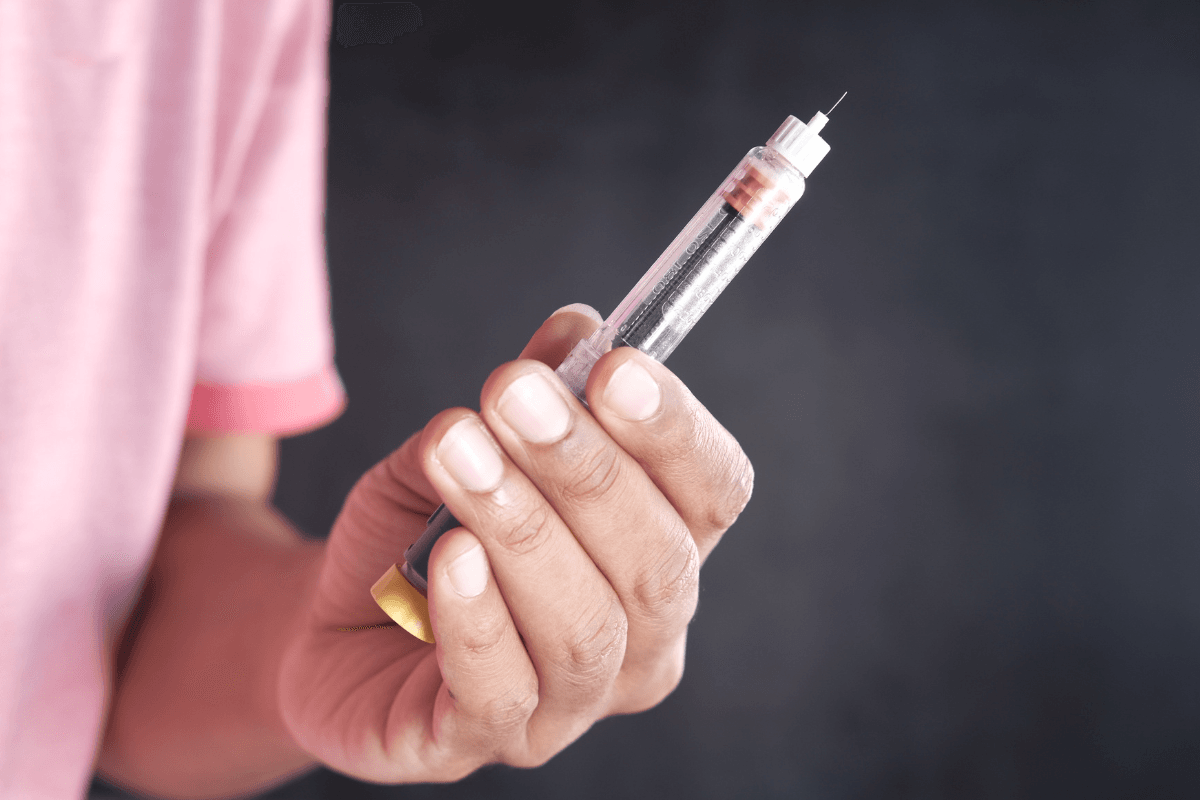
Yes—most Zepbound should be kept refrigerated until you are ready to use it, and it should stay within the temperature range listed on its package insert. Some presentations may be kept at room temperature for a limited period, but heat, freezing, and repeated temperature changes can make the medicine unreliable. That is why Zepbound storage matters during normal weekly use, travel days, and common mistakes like leaving a pen out overnight.
One detail matters before anything else: storage instructions can differ by presentation and market. Some official materials describe single-dose pens or vials, while others refer to a KwikPen. Use the carton and insert (the printed instructions) that came with your device as the final word. The practical principles, though, stay the same: keep it cold when required, protect it from excessive heat and light, and do not guess after a temperature mishap.
Why it matters: A pen that looks normal can still fall outside labeled storage conditions.
Key Takeaways
- Refrigeration is the default for unopened product unless your label says otherwise.
- For some presentations, room-temperature storage is allowed only for a limited time.
- Freezing is a stop sign, even if the pen later thaws.
- Hot cars, direct sun, and hotel mini-fridges cause more problems than a few hours indoors.
- If timing is unclear, use the package insert and pharmacist guidance before using the pen.
Zepbound Storage Basics
Proper storage means keeping the medication in a stable, controlled environment and following the instructions for your exact presentation. For many people, that means the refrigerator is the starting point. Official manufacturer materials commonly describe a refrigerated range of 36°F to 46°F (2°C to 8°C), with protection from light and a warning never to freeze the medication.
In simple terms, refrigeration keeps the drug within the stability range tested by the manufacturer. Going above or below that range reduces confidence that the medicine will behave as expected. Refrigeration is not about making the shot more comfortable; it is about preserving the product between doses.
If your product has stayed continuously within that range, unopened pens or vials can generally remain in the refrigerator until the printed expiration date. Keep the device in its original carton when possible. That protects the label, reduces light exposure, and gives you a simple place to check the expiration date before each weekly dose. Readers looking for broader background on the Zepbound Product Page and related GLP-1 Drugs can use those pages for context, but storage should always come from the product labeling itself.
Refrigeration, light, and the expiration date
The goal is stability, not extreme cold. A back shelf with consistent temperature is usually more reliable than a spot that warms up every time the door opens. Avoid placing the carton near the freezer compartment or directly against cooling elements. Freezing can damage the medicine, and thawing does not reverse that risk.
Expiration and storage limits also work together. The printed expiration date applies only if the product has been kept under labeled conditions. Once a pen or vial has spent time at room temperature, you may need to use the earlier of two limits: the labeled room-temperature window or the printed expiration date. That is why many people write the first day out of the fridge on the carton.
Storage is also different from injection comfort. Do not assume the medication must sit out for a long time before use. Follow the instructions that came with your specific device, and do not try to warm it quickly with hot water, sunlight, or a microwave.
Where required, prescription details may be confirmed with the prescriber before referral processing.
When Time Out of the Fridge Is Still Within Label
A short time out of refrigeration is not automatically a problem. What matters is how warm the medication became, how long it stayed out, and which version you have. For the commonly referenced U.S. single-dose pen and vial, official manufacturer materials state that the product may be kept at room temperature up to 86°F (30°C) for up to 21 days. Those same materials also say not to freeze it and not to return it to the refrigerator after room-temperature storage. Other presentations may use different wording, so check your own insert.
This is where many questions about Zepbound storage arise. Two or three hours on a kitchen counter is very different from a day in a parked car. If the medication stayed at normal room temperature and you are still within the allowed room-temperature window for your device, it may still fall within labeled storage. If the room was hot, the pen sat in direct sun, or you cannot tell how warm it got, treat the situation more cautiously.
What counts as room temperature
Room temperature does not mean any temperature outside the refrigerator. It means staying at or below the maximum temperature in the labeling. In practice, that means a climate-controlled room is one thing, while a glove box, beach bag, or windowsill is another. Heat can rise quickly in enclosed spaces.
If you left the medication out overnight, the next question is not just the clock. Ask where it was, whether the room was air-conditioned, and whether this is the first day out or part of a longer period. A pen left out overnight in a cool indoor space is not automatically unusable. A pen left out overnight in summer heat may be a different situation entirely.
Many people also ask whether it can go back in the fridge. For the U.S. single-dose pen and vial, the manufacturer says no once it has been stored at room temperature. That rule matters because repeated warming and cooling can create uncertainty about the total time spent outside labeled conditions. If your product literature differs, follow the specific insert that came with it.
Quick tip: If a pen comes out of the fridge, note the date on the carton right away.
For the U.S. single-dose presentation, the 21-day room-temperature period is a total window, not something that resets each time the pen is moved. Once that limit ends, or if the product was exposed to temperatures above 86°F, it should not be used. If you are unsure when the countdown started, treat the timing as uncertain rather than estimating.
If the product stays out longer than the labeled room-temperature limit, or goes above the maximum temperature, the manufacturer can no longer assure stability. In plain terms, that means the medication may not perform as intended. When the timing is uncertain, do not rely on appearance alone. A clear-looking pen is not proof that storage stayed within range.
Travel Planning and Temperature Control
Travel is usually manageable if you plan for temperature swings before they happen. The safest approach is to keep the medication with you, keep it in its carton, and use an insulated travel case when you expect long transit times. For flying, hand luggage is usually safer than checked baggage because you can monitor temperature and reduce the risk of loss or freezing.
Think through the trip in stages: airport or road travel, time in the car, time at your destination, and the return home. Most mistakes happen at the edges. People leave the carton in a hot car during a meal stop, place it directly against an ice pack, or trust a hotel mini-fridge that partly freezes the contents overnight. Each of those situations can push the medication outside labeled conditions faster than a few indoor hours ever would.
A travel checklist that actually helps
- Original carton kept with the device.
- Insulated case for long transit periods.
- No direct contact with loose ice or frozen packs.
- Carry-on bag rather than checked luggage.
- Date noted if room-temperature storage begins.
- Hotel fridge checked for freezing spots.
- Package insert saved on your phone or paper.
Road trips need the same discipline. Keep the medication in the climate-controlled part of the car, not the trunk, center console, or glove box. At your destination, check whether the refrigerator is actually cooling without freezing. If you are going through airport security, keep the medication and any supplies accessible so inspection does not leave them sitting in a warm line longer than necessary.
An insulated medication case can help, but it is not a license to stop paying attention. Check the temperature guidance for the case itself. If you use a cold pack, separate it from the pen with cloth or cardboard so the device does not freeze. If your travel plan involves several days away, count the time out of refrigeration carefully and compare it with the instructions for your specific product.
Readers browsing the wider Weight Management Hub or the Weight Management Products listing may notice that storage and handling differ from one medication to another. That is especially important if you switch therapies, use a different device, or compare how tirzepatide fits among other options.
Dispensing, where permitted, is handled by licensed third-party pharmacies.
Common Mistakes and the Safest Next Step
Most Zepbound storage problems come from heat, freezing, and unclear timing, not from ordinary room temperature alone. The safest response is to match the mistake to the label limit that may have been broken. If you can identify the temperature exposure and elapsed time, the answer is often clearer. If you cannot, caution is usually better than guessing.
| Situation | What it may mean | What to do next |
|---|---|---|
| Out of the fridge for 2 to 3 hours indoors | Often still within labeled conditions if temperature stayed normal. | Check total room-temperature time and your insert before use. |
| Left out overnight | May still be acceptable if the room stayed cool and the total window allows it. | Confirm the max temperature and count the full time out. |
| Returned to the fridge after warming | For U.S. single-dose pens and vials, manufacturer instructions say not to. | Use the insert for your exact device and ask a pharmacist if unsure. |
| Left in a hot car or direct sun | Heat may exceed labeled limits quickly. | Do not assume it is usable based on looks alone. |
| Froze or touched a frozen pack directly | Freezing can damage the medicine. | Do not use if it has frozen, even if thawed later. |
| Past the printed expiration date | Storage conditions can no longer support labeled use. | Do not use expired product. |
If you are close to your scheduled injection day and a pen may no longer be usable, do not move the dosing schedule on your own just to make up for the problem. A storage issue and a dose-timing issue are not the same thing. Ask a pharmacist or prescriber how to handle the replacement and whether the schedule needs to change.
It also helps to inspect the device, but inspection has limits. The label may tell you what the liquid should normally look like. If the solution appears different from that description, or the pen or vial is cracked, leaking, or missing its label, stop there. At the same time, a normal appearance does not prove the medication stayed within temperature limits. Time and temperature are still the deciding factors.
Storage questions often come up when people are comparing therapies or switching brands. If you are reading about how tirzepatide relates to semaglutide, the pages on Tirzepatide vs. Semaglutide, Zepbound vs. Mounjaro, and Wegovy vs. Zepbound can help frame the broader treatment discussion without assuming their storage rules are interchangeable.
Related Weight-Loss Medicines May Differ
Do not assume another weight-loss medicine follows the same storage rules just because it is also injectable. Even within the same therapeutic area, packaging, room-temperature allowances, and device instructions can vary. That matters when you move between products, read advice in online forums, or borrow expectations from another brand.
Zepbound and Mounjaro KwikPen both involve tirzepatide, but brand context and device instructions still need to be checked carefully. The same is true when comparing tirzepatide with semaglutide products such as Wegovy. Broader reading on GLP-1 Medications can explain how these treatments fit into care, but it should not replace the storage insert that came with your own medication.
This is one reason internet shortcuts can mislead. A post about another brand, another country, or a used multi-dose pen may not apply to the carton in your hand. When storage advice conflicts, the safest source is the labeling attached to your prescription, not the most repeated comment online. If you are also adjusting routines around meals or weekly habits, the Zepbound Diet Plan page offers related background, but it should not replace the storage insert that came with your device.
Some patients explore cash-pay or cross-border fulfilment when eligibility and local rules allow.
Authoritative Sources
For exact storage rules, use current official materials for your specific device and market.
- Manufacturer storage instructions from Lilly storage information for Zepbound KwikPen.
- Label-backed details in the official U.S. Medication Guide for Zepbound.
- Air travel handling basics from the Transportation Security Administration medication guidance.
In short, safe handling comes down to four checks: keep the medication within its labeled temperature range, never let it freeze, track any time it spends at room temperature, and do not improvise after a mistake. When the exact exposure is unclear, the package insert and pharmacist are more reliable than memory or internet anecdotes. Further reading on treatment options can help with the bigger picture, but storage decisions should stay label-first.
This content is for informational purposes only and is not a substitute for professional medical advice.