
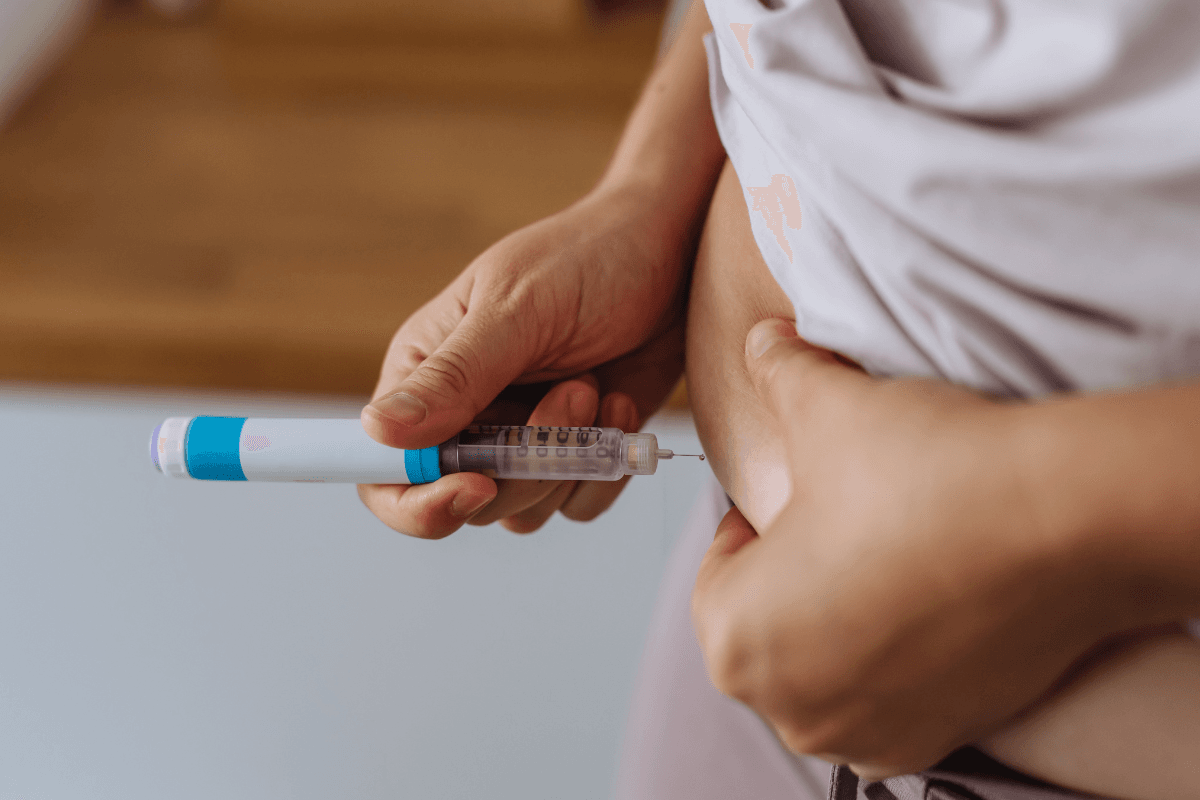
Many adults explore Zepbound weight loss to reduce appetite and support sustainable changes. This guide explains how tirzepatide works, what results look like, and how dosing typically progresses. It also outlines common side effects, cost factors, and practical tips to help you stay consistent. Use this as a balanced overview to discuss personalized decisions with your clinician.
Key Takeaways
- How it works: dual incretin action curbs appetite and supports satiety.
- Dosing grows slowly to improve stomach tolerability during titration.
- Side effects are usually gastrointestinal and often ease over time.
- Costs vary with insurance coverage, dose strength, and pharmacy.
- Diet, activity, and routine help convert early losses into durable progress.
What Zepbound Is and How It Works
Zepbound contains tirzepatide, a dual GIP/GLP-1 receptor agonist (incretin-mimicking medicine). It acts on appetite-regulation pathways, which can reduce hunger, slow gastric emptying, and help people feel full sooner. These effects support calorie reduction alongside nutrition and activity plans. In plain terms, it helps your brain and gut signal fullness more effectively.
Because tirzepatide also has glucose effects, it started in diabetes care under other brand names. If you want brand background for context, see Zepbound for product details and strengths overview. For official safety language and warnings, consult the FDA prescribing information, which outlines risks, contraindications, and boxed warnings.
Zepbound Weight Loss: Results and What to Expect
Results vary widely, and the early weeks mainly establish tolerance. In clinical studies, participants on tirzepatide achieved meaningful weight reductions over many months when combined with nutrition and activity. Individual outcomes depend on dose, adherence, baseline weight, and metabolic factors. It’s reasonable to expect gradual changes, with plateaus that adjust as your routine and dosing stabilize.
For a research snapshot, the SURMOUNT-1 trial reported significant reductions with lifestyle support. You can review the NEJM trial results for an evidence summary and study design details. For daily habits that complement medication, see our Zepbound Diet Plan for practical meal structure and protein targets to stabilize satiety.
Dosing and Titration: How to Use Tirzepatide
Tirzepatide is usually started low and increased gradually to improve tolerability. Your prescriber selects the starting dose and adjusts based on how you respond. A careful, stepwise approach can reduce nausea and other stomach symptoms as your body adapts. If a dose causes persistent issues, clinicians may pause or slow the titration step.
Many patients ask for a simple tirzepatide dosage chart to visualize the sequence of steps. The chart below illustrates a common pattern seen in practice. Your exact schedule may differ, and only your clinician can advise changes. If you self-inject, review technique and rotation; for step-by-step help, see Zepbound Injection Sites for practical placement guidance and rotation tips.
| Step | Dose (mg) | Frequency | Typical Duration |
|---|---|---|---|
| Start | Low-dose | Weekly | ~4 weeks |
| Increase 1 | Next step up | Weekly | ~4 weeks |
| Increase 2 | Moderate | Weekly | ~4 weeks |
| Increase 3+ | Higher options | Weekly | As tolerated |
Titration Details and Missed Doses
A typical plan raises the dose every four weeks if tolerated, aiming for a maintenance level that balances effect and side effects. If you miss a weekly dose, guidance depends on how many days have passed and your current schedule. Do not double up without professional input. For reference dosing strengths and pens, see the Zepbound product page for format and strength context.
Side Effects and Safety
The most common zepbound side effects include nausea, vomiting, diarrhea, constipation, decreased appetite, and abdominal discomfort. These are often mild to moderate and tend to ease as dosing stabilizes. Eating slowly, smaller portions, and avoiding trigger foods can help. Hydration and maintaining dietary fiber may also reduce constipation or cramping.
Serious risks are uncommon but important to know. The label warns about pancreatitis, gallbladder problems, kidney issues, and a potential risk of thyroid C-cell tumors based on rodent data. For full boxed warning language and contraindications, review the official medication guide before use. If fatigue troubles you early on, strategies can help; see Zepbound and Fatigue for pacing and energy-conservation tips that fit dose changes.
Note: Alcohol may worsen nausea and can affect blood sugar. If you drink, consider small amounts and avoid drinking on injection day. For more context, see Zepbound and Alcohol for interaction basics and practical moderation strategies.
Managing Side Effects and Their Duration
Many people ask, how long do zepbound side effects last as the dose increases. For most, milder symptoms improve after the first several weeks at a new step as the body adapts. If effects persist or become severe, clinicians may hold the dose longer before the next increase. Keeping a short symptom log helps you and your prescriber spot patterns and triggers.
Simple food strategies can improve comfort. Start meals with protein, chew slowly, and stop at early fullness. Skip greasy, fried, or very spicy foods when symptoms flare. Warm, bland options—soups, eggs, yogurt, or soft vegetables—are easier on the stomach. If constipation appears, add water, fruits, vegetables, and consider discussing fiber with your clinician.
Cost and Access Considerations
People often ask about zepbound cost, but prices vary by pharmacy, strength, and insurance. Out-of-pocket spending depends on coverage, deductibles, and any savings programs available to you. Monthly totals can also change as doses rise. If cost pressures you, talk with your prescriber about dose timing and options that still meet clinical goals.
To compare the broader landscape, some people review other obesity medicines. For a same-class alternative using semaglutide, see Wegovy for product background and FDA indication context. You might also browse our Diet and Weight Loss guide for practical strategies that lower reliance on higher doses.
Comparisons and Alternatives
Patients often ask, is zepbound the same as ozempic. They are different medicines from different manufacturers, even though both affect incretin pathways and curb appetite. Zepbound contains tirzepatide (dual GIP/GLP-1 action), while Ozempic contains semaglutide (GLP-1 only). Each has distinct dosing, labels, and side effect profiles. Your personal health history often drives which option fits best.
If you want a head-to-head framework, see Tirzepatide vs Semaglutide for key differences, including mechanism and titration pace. For those using semaglutide already, read Ozempic Rebound for weight maintenance strategies after dose changes or discontinuation. These comparisons help frame realistic expectations and highlight lifestyle’s role.
Real-World Reviews: Themes You Might Notice
Online discussions about zepbound weight loss reviews often highlight reduced snacking, earlier fullness, and steadier eating patterns. People also mention taste changes and occasional food aversions. Early nausea is common but frequently fades with slower eating and hydration. Remember, social posts rarely include full medical histories, and individual experiences vary.
Report patterns to your clinician rather than matching someone else’s timeline. If you plateau, it does not mean the medication stopped working. Small adjustments—protein at breakfast, walking after meals, or consistent sleep—can shift appetite cues and energy expenditure. Over months, these habits often determine how durable your progress becomes.
Practical Tips for Better Outcomes
Build a routine around your weekly injection and meals. Keep a simple food and symptom log for the first two months. If you travel, plan storage and timing in advance; see Travel With Zepbound for time-zone and refrigeration tips that reduce dose-day stress. At home, review pen handling and temperature limits; consult Zepbound Storage for storage thresholds and room-temperature allowances.
Nutrition matters. Front-load protein, include fiber-rich sides, and sip fluids throughout the day. During appetite suppression, under-eating protein can risk lean mass. Gentle resistance exercise and daily walking help preserve muscle and support metabolic health. For product context in this space, you can also review Zepbound for strengths and format context across pens.
Recap
Zepbound can reduce hunger and support meaningful weight changes when combined with everyday nutrition and activity. Dose increases happen gradually to improve tolerability and safety. Side effects are usually gastrointestinal and often improve as your body adapts. Costs vary, so plan ahead and discuss options with your care team. Use evidence, track your own data, and make steady, sustainable changes.
Tip: Revisit your plan every four weeks. Small tweaks to meal timing, protein, or activity often restore momentum without changing the dose.
This content is for informational purposes only and is not a substitute for professional medical advice.


