
A valid prescription is required for this medication.
Compare prices. See your savings.
 US comparison
 Canadian comparison
Buy Invokana Online
Rx Prescription required Fast, secure shipping
Health tools
Research and education tools. They do not replace clinical advice, diagnosis, or treatment.
Blood Glucose Unit Converter
Convert glucose readings between mg/dL and mmol/L without changing the clinical value.
These calculations are for education only and do not replace clinical advice, diagnosis, or treatment. Always confirm medical decisions with a qualified healthcare professional.
HbA1c & eAG Calculator
Convert between HbA1c percentage and estimated average glucose using the ADAG relationship.
These calculations are for education only and do not replace clinical advice, diagnosis, or treatment. Always confirm medical decisions with a qualified healthcare professional.
HOMA-IR Calculator
Estimate insulin resistance from fasting glucose and fasting insulin values collected from the same blood draw.
These calculations are for education only and do not replace clinical advice, diagnosis, or treatment. Always confirm medical decisions with a qualified healthcare professional.
eGFR Calculator
Estimate kidney filtration using the 2021 CKD-EPI creatinine equation.
These calculations are for education only and do not replace clinical advice, diagnosis, or treatment. Always confirm medical decisions with a qualified healthcare professional.
Urine Albumin-Creatinine Ratio Calculator
Calculate urine albumin-creatinine ratio from spot urine albumin and creatinine values.
These calculations are for education only and do not replace clinical advice, diagnosis, or treatment. Always confirm medical decisions with a qualified healthcare professional.
About Invokana
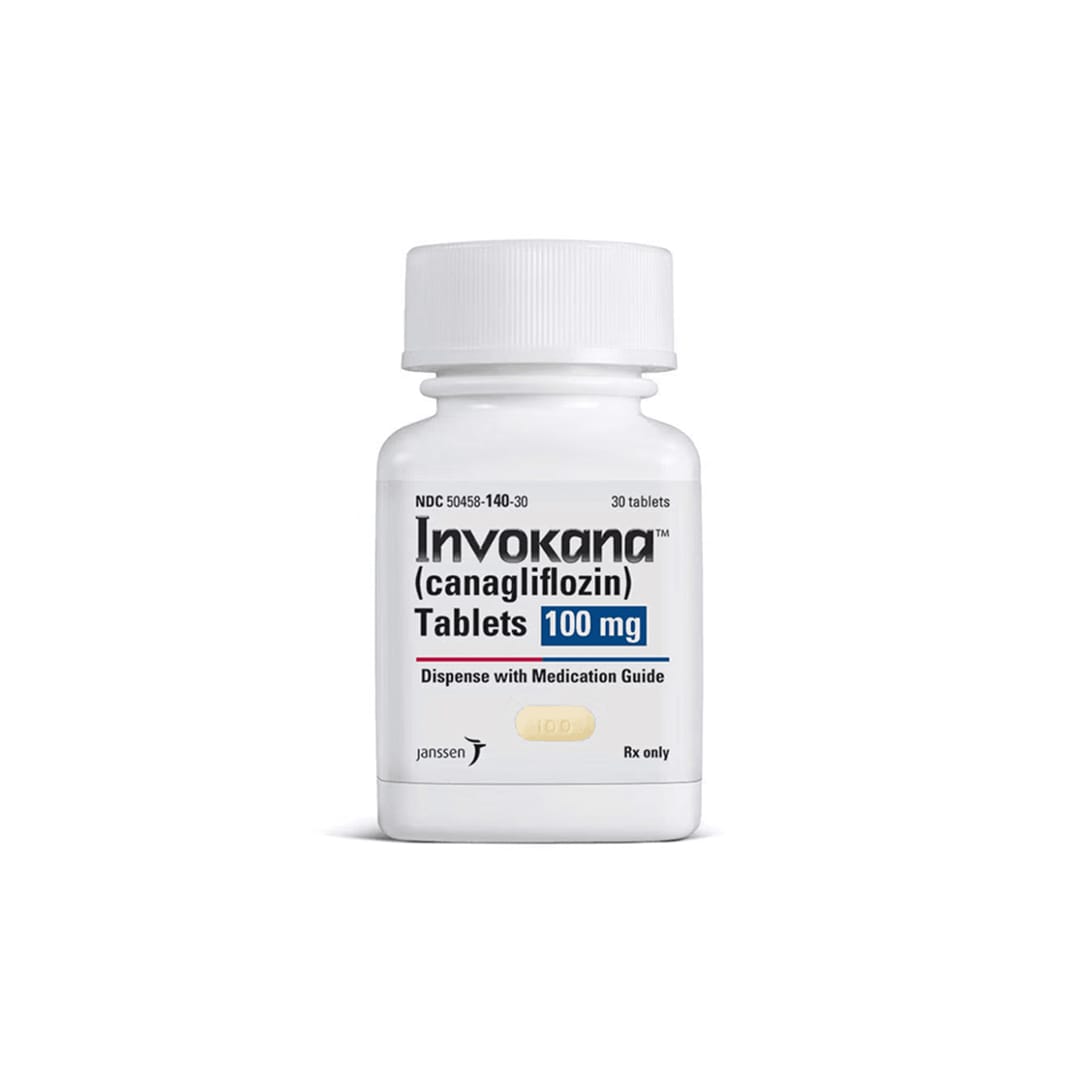
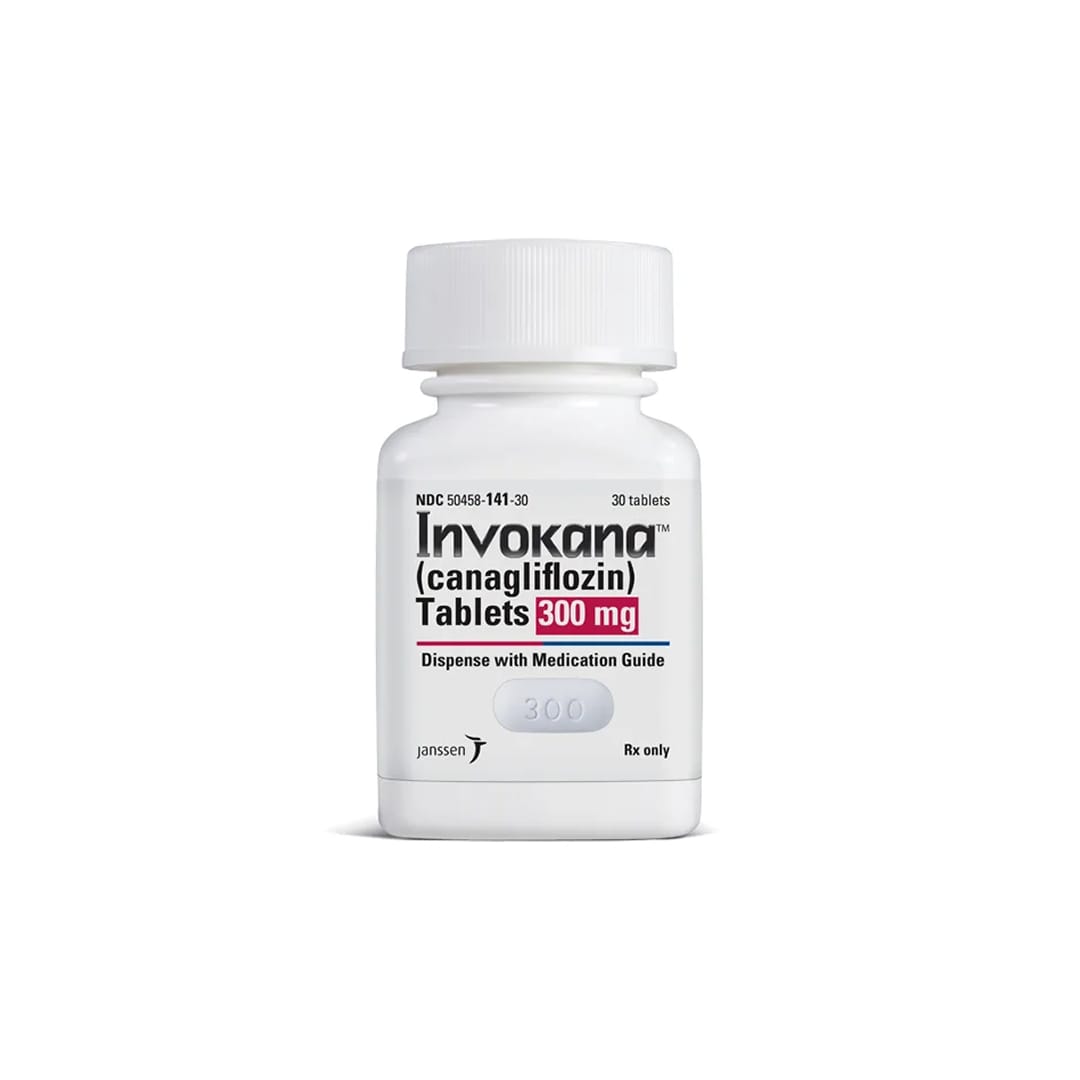
Invokana is the brand name for canagliflozin, an oral SGLT2 inhibitor tablet used in adults with type 2 diabetes. You can buy Invokana online and choose the available tablet strength that matches your clinician’s directions, such as 100 mg or 300 mg when those strengths are shown. Current Invokana price details depend on the strength and quantity chosen during ordering.
Invokana helps lower blood sugar by causing the kidneys to remove more glucose through urine. It may also be used for certain adults with type 2 diabetes and established cardiovascular disease or diabetic kidney disease, based on the approved label and individual clinical assessment. Use the strength, active ingredient, and tablet count on your medicine directions to avoid selecting a different dose by mistake.
Invokana Price and Tablet Strength Selection
The Invokana price you see during ordering is tied to the tablet strength and quantity. A 100 mg tablet and a 300 mg tablet are different prescribed strengths, not interchangeable quantity choices. If you are comparing Invokana 100 mg price with Invokana 300 mg price, keep the tablet count the same so the total is easier to understand.
Invokana cost can vary across pharmacies, coverage paths, and cash-pay sources. If you are checking Invokana without insurance, use the current amount shown for the exact strength and quantity rather than a broad retail estimate. Searches for canagliflozin price may also show different figures depending on whether the result refers to brand Invokana, a market-specific generic, a different country, or a different tablet count.
| Item to match | How it affects your order |
|---|---|
| Active ingredient | Canagliflozin should match the medicine named in your treatment plan. |
| Tablet strength | 100 mg and 300 mg represent different amounts per tablet. |
| Quantity | The total Invokana cost changes when the tablet count changes. |
| Brand or generic name | Brand and generic-name results may not describe the same market product. |
If you are estimating an Invokana 30 day supply cost, start with the number of tablets directed for one month. Strength alone does not define the monthly quantity. A clinician may direct one tablet daily for some people, but your own directions and the dispensed quantity should guide the cost comparison.
Quick tip: Match the strength first, then compare the tablet count and total.
How to Order Invokana Online
To order Invokana online, choose the canagliflozin tablet strength that matches your medicine directions, then review the quantity and checkout information. The order process may include a review of medicine details before supply through licensed pharmacy channels. Keep the medicine name, strength, and clinician instructions available so the order can be matched accurately.
- Choose the strength: select 100 mg or 300 mg only when it matches your directions.
- Review the quantity: make sure the tablet count fits the intended supply.
- Check the active ingredient: Invokana contains canagliflozin.
- Read checkout notes: look for payment, supply, and delivery information before submitting.
- Keep labels consistent: do not switch strengths or related medicines on your own.
Some people compare Invokana cost from Canada because they are paying cash or reviewing cross-border service details. US delivery from Canada may be part of the order flow when shown for this medicine. Do not assume a specific delivery time or supply outcome unless it appears during checkout.
Invokana belongs to the non-insulin diabetes medicine group. The SGLT2 inhibitors category can help you recognize medicines in the same class, but a class match does not mean the products can be substituted without clinical direction.
What Invokana Treats
Invokana is used in adults with type 2 diabetes to improve blood sugar control along with diet and exercise. It may also reduce the risk of certain cardiovascular and kidney outcomes in specific adults with type 2 diabetes when the labeled criteria apply. These uses depend on health history, kidney function, other medicines, and the goals set by the treating clinician.
Invokana is not for type 1 diabetes. It is also not used to treat diabetic ketoacidosis, a dangerous buildup of acids called ketones in the blood. People using insulin, sulfonylureas, diuretics, or blood pressure medicines may need closer monitoring because glucose changes, dehydration, and low blood pressure can affect safety.
The type 2 diabetes section is useful for browsing related treatment categories. Broader diabetes products are grouped under diabetes medications, where oral and injectable therapies may appear in separate classes. Browsing can support a discussion, but treatment selection should remain individualized.
Active Ingredient, Strengths, and How It Works
Canagliflozin is an SGLT2 inhibitor. SGLT2 stands for sodium-glucose cotransporter 2, a kidney protein involved in glucose reabsorption. By blocking this transporter, Invokana increases urinary glucose excretion and helps lower blood sugar in adults with type 2 diabetes.
Tablet strengths commonly include 100 mg and 300 mg. The number refers to the amount of canagliflozin in each tablet, not the total amount in the container. Choosing 300 mg instead of 100 mg would change the dose per tablet, so the strength should match the medicine directions rather than a desired price point.
Invokana is not insulin and does not replace insulin when insulin is required. It may be used with other glucose-lowering therapies when clinically appropriate. Combining diabetes medicines can improve glucose control for some people, but it can also increase monitoring needs, especially when insulin or medicines that stimulate insulin release are part of the regimen.
Brand, Generic, and Market Name Considerations
Invokana is the brand name for canagliflozin. Online searches for Invokana generic price or canagliflozin 100 mg price can produce mixed results because brand and generic availability may differ by country and pharmacy source. A result that uses the active ingredient name is not automatically the same product, strength, or supply channel.
For a practical cost comparison, match four items: brand or active ingredient, tablet strength, quantity, and country-specific supply context. The retail cost of Invokana in one setting may not reflect the current amount for an online order from another setting. Medicare plan costs, cash-pay amounts, and international pharmacy prices can also be calculated differently.
Do not use a generic-name search to change from Invokana to another canagliflozin product without professional guidance. Appearance, packaging, and naming can vary, and diabetes treatment decisions should be based on the active ingredient, strength, directions, kidney function, and safety profile.
Storage, Handling, and Travel
Store Invokana tablets according to the package label. Keep the bottle tightly closed, protect tablets from moisture, and avoid high heat. Bathrooms, glove compartments, windowsills, and damp storage areas are poor places for many oral tablets because humidity and temperature swings can affect product quality.
When traveling, keep tablets in the original container when possible. The label helps identify the medicine, strength, and supply information if questions arise at security screening, in a clinic, or during an emergency. If you use a pill organizer, keep enough original packaging information available to verify what each tablet is.
Cold-chain handling is generally more relevant to insulin and temperature-sensitive injectables. For Invokana tablets, the practical focus is avoiding moisture, heat exposure, crushed tablets, and mix-ups with other medicines. If tablets arrive damaged, look different than expected, or the container seal appears compromised, pause use and ask a pharmacist or clinician before taking them.
Side Effects, Warnings, and When to Seek Help
Common side effects of Invokana include increased urination, thirst, dizziness, genital yeast infections, and urinary tract symptoms. Some people may notice more frequent urination soon after starting treatment because the medicine increases glucose loss through urine. Staying alert for dehydration symptoms is important, especially during hot weather, vomiting, diarrhea, or reduced fluid intake.
Serious side effects require prompt attention. SGLT2 inhibitors, including canagliflozin, have been associated with diabetic ketoacidosis, which can occur even when blood sugar is not extremely high. Warning symptoms include nausea, vomiting, stomach pain, unusual tiredness, trouble breathing, confusion, or fruity-smelling breath. Seek urgent care if these symptoms occur.
- Kidney function: kidney status affects whether treatment is appropriate and how it is monitored.
- Volume depletion: dizziness, fainting, or low blood pressure can occur with fluid loss.
- Genital infections: itching, pain, odor, swelling, or discharge should be assessed promptly.
- Urinary infections: burning, fever, back pain, or blood in urine needs medical attention.
- Foot problems: sores, ulcers, pain, or poor circulation should be reported quickly.
- Allergy signs: hives, swelling, severe rash, or breathing trouble require emergency care.
Label warnings for canagliflozin include lower limb amputation risk, serious urinary tract infections, Fournier’s gangrene, bone fracture, volume depletion, and hypersensitivity reactions. People on dialysis should not use canagliflozin, and anyone with a serious allergy to it should avoid the medicine. The risk profile should be reviewed before starting, continuing, or reordering therapy.
Interactions and Monitoring Needs
Medication interactions can affect safety after buying Invokana online. Tell your clinician about insulin, sulfonylureas, diuretics, blood pressure medicines, digoxin, seizure medicines, HIV medicines, and over-the-counter products. Some combinations may increase low blood sugar risk, dehydration, blood pressure changes, or medicine exposure.
Monitoring may include A1C, home glucose readings, kidney labs, blood pressure, weight, hydration status, and symptoms of infection. Low blood sugar is more likely when Invokana is used with insulin or medicines that increase insulin release. If your regimen includes those medicines, ask what glucose readings should prompt treatment changes or a call.
Temporary illness, surgery, fasting, or reduced food intake can raise ketoacidosis risk with SGLT2 inhibitors. Ask whether ketone testing is appropriate during illness or when symptoms suggest ketoacidosis. Do not stop, restart, or adjust diabetes medicines without clinical guidance.
Weight, Blood Sugar Expectations, and Daily Use Questions
Some people lose a modest amount of weight while taking SGLT2 inhibitors because glucose and calories are lost in urine. Weight change is not guaranteed, and Invokana should not be used only for weight loss. Blood sugar response also varies based on diet, kidney function, other medicines, adherence, and baseline glucose levels.
Invokana is usually taken as an oral tablet according to the directions provided with the medicine. If a dose is missed, follow the instructions from the label or clinician rather than doubling tablets. Taking more than directed can increase the risk of side effects without making treatment safer.
Ask your clinician what to do during vomiting, diarrhea, dehydration, or planned procedures. Clear sick-day instructions are especially important for people using insulin, diuretics, or medicines that affect kidney function. Keeping a written plan can prevent confusion when appetite or fluid intake suddenly changes.
Compare With Related Diabetes Options
Canagliflozin is one medicine within a larger type 2 diabetes treatment plan. Some people compare it with other SGLT2 inhibitors, while others compare it with metformin, insulin, GLP-1 receptor agonists, or combination therapy. The right comparison depends on kidney function, cardiovascular history, glucose goals, side effects, cost, and the medicine directions already in place.
Related browsing may start with non-insulin diabetes medications or the broader diabetes products category. People with related conditions may also review treatment areas for chronic kidney disease or heart failure, since kidney and cardiovascular history can influence diabetes medicine selection.
Do not substitute another SGLT2 inhibitor or diabetes medicine based on price alone. Products in the same class can differ in approved uses, dosing directions, kidney function thresholds, warnings, and individual tolerability. A safe comparison should include the active ingredient, strength, treatment goal, monitoring plan, and known risks.
Authoritative Sources
Use official and clinician-reviewed sources when checking labeled uses, contraindications, warnings, and patient safety information. Ordering information helps with cost and tablet selection, while source documents help confirm medical claims about canagliflozin.
- Official prescribing information covers approved uses, strengths, contraindications, warnings, interactions, and adverse reactions.
- MedlinePlus patient information summarizes canagliflozin precautions, side effects, and safe-use points in plain language.
This content is for informational purposes only and is not a substitute for professional medical advice.
This content is for informational purposes only and is not a substitute for professional medical advice.
Customer reviews
Reviews from verified buyers, collected by Stamped.
- Reviews
- Questions
 US
USXgreat
Two ways to ship
Cold-packed medications travel by Express shipping. Dry-packed medications can ship Express or Standard.
Earn points on every order
Earn points on birthdays, product orders, reviews, friend referrals, and more! Enjoy your medication at unparalleled discounts while reaping rewards for every step you take with us.
Register and/or Login
Create an account and start earning.
Earn Rewards
Earn points every time you shop or perform certain actions.
Redeem
Redeem points for exclusive discounts.
Ways to save
We stand behind our prices
We work hard to offer the very best available price. If you find a lower price on the same product, we will match it.
Learn how →Tiered pricingNew tiered pricing is here
Buy more and save more on the medications you trust: save 7% per pack when you buy 2, and 14% per pack when you buy 3 or more.
See tiered pricing →You might also like
View all →

Related articles
View all →
SGLT2 Inhibitors Drugs: Uses, Names, and Safety Checks
SGLT2 inhibitors drugs are oral medicines that help the kidneys remove extra glucose through urine. They are used most often in type…
Read more →
SGLT2 Inhibitors Mechanism of Action in Heart Failure
Overview Heart failure is not just a “weak heart.” It is a body-wide syndrome that affects fluid balance, kidneys, and energy use.…
Read more →
DPP-4 Inhibitors Weight Loss: Expectations and Evidence
DPP-4 inhibitors weight loss is usually limited. Most clinical use describes this medication class as weight neutral, meaning average weight change is…
Read more →
SGLT2 Inhibitors: Uses, Risks, and Safety Questions
SGLT2 inhibitors are oral medicines that help the kidneys remove extra glucose through urine. They are used mainly in type 2 diabetes,…
Read more →Speak to us
Our customer service team are highly experienced and friendly. Get in touch today.
What is Invokana used for?
Invokana is used in adults with type 2 diabetes to improve blood sugar control along with diet and exercise. It may also be used for certain adults with type 2 diabetes who have cardiovascular disease or diabetic kidney disease, depending on the labeled indication and individual clinical assessment.
Is Invokana the same as canagliflozin?
Invokana is the brand name for canagliflozin. When comparing canagliflozin price with Invokana price, make sure the product name, tablet strength, quantity, and country-specific supply context match.
What is the difference between Invokana 100 mg and 300 mg tablets?
The numbers describe the amount of canagliflozin in each tablet. A 100 mg tablet and a 300 mg tablet are different strengths, so they should not be treated as interchangeable quantity choices.
What side effects should I watch for with Invokana?
Common side effects can include increased urination, thirst, dizziness, genital yeast infections, and urinary tract symptoms. Seek urgent care for symptoms of ketoacidosis, such as nausea, vomiting, stomach pain, unusual tiredness, trouble breathing, or fruity-smelling breath.
Can Invokana cause low blood sugar?
Invokana alone is less likely to cause low blood sugar than insulin or sulfonylureas, but the risk can increase when these medicines are used together. Ask what glucose readings or symptoms should prompt action for your treatment plan.
How should Invokana tablets be stored?
Store Invokana according to the package label. Keep tablets tightly closed, away from moisture, and protected from high heat. Avoid bathrooms, glove compartments, and other damp or hot storage areas.
Speak to our team
 Call toll free1-844-560-7790
 Emailservice@canadianinsulin.com
Monday to Friday 7am – 11pm EST
Saturday 7am to 7pm EST
Sunday 8am – 5pm EST