

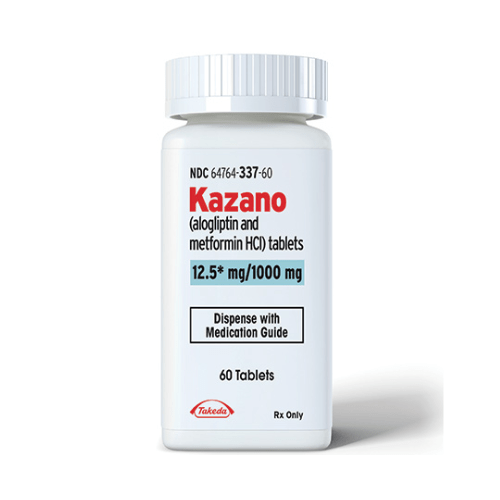
A valid prescription is required for this medication.
Compare prices. See your savings.
 Canadian comparison
Buy Kazano Tablets Online
Rx Prescription required Fast, secure shipping
Health tools
Research and education tools. They do not replace clinical advice, diagnosis, or treatment.
Blood Glucose Unit Converter
Convert glucose readings between mg/dL and mmol/L without changing the clinical value.
These calculations are for education only and do not replace clinical advice, diagnosis, or treatment. Always confirm medical decisions with a qualified healthcare professional.
HbA1c & eAG Calculator
Convert between HbA1c percentage and estimated average glucose using the ADAG relationship.
These calculations are for education only and do not replace clinical advice, diagnosis, or treatment. Always confirm medical decisions with a qualified healthcare professional.
HOMA-IR Calculator
Estimate insulin resistance from fasting glucose and fasting insulin values collected from the same blood draw.
These calculations are for education only and do not replace clinical advice, diagnosis, or treatment. Always confirm medical decisions with a qualified healthcare professional.
Carb Serving Calculator
Convert total carbohydrate grams into carb choices for meal planning and diabetes education.
These calculations are for education only and do not replace clinical advice, diagnosis, or treatment. Always confirm medical decisions with a qualified healthcare professional.
Glycaemic Load Calculator
Calculate glycaemic load from glycaemic index and available carbohydrate in a serving.
These calculations are for education only and do not replace clinical advice, diagnosis, or treatment. Always confirm medical decisions with a qualified healthcare professional.
About Kazano
Kazano is a tablet medication that combines alogliptin and metformin hydrochloride for adults with type 2 diabetes when both ingredients are appropriate. You can buy Kazano online and choose the strength and quantity shown during ordering, including the Kazano 12.5/1000 mg tablets described here. Match the tablet strength to your clinician’s directions before completing an order.
Each 12.5/1000 mg tablet contains 12.5 mg of alogliptin and 1000 mg of metformin hydrochloride. The ratio matters because Kazano is not the same as metformin alone, alogliptin alone, or another diabetes combination tablet. If you are using US delivery from Canada, keep the medicine name and strength consistent through checkout so the order matches your treatment plan.
Kazano Price and Tablet Selection
Kazano price depends on the strength, tablet count, and ordering route shown at checkout. This product is identified as Kazano 12.5/1000 mg tablets in a 56-tablet quantity, so a fair Kazano cost comparison should use the same strength and tablet count. A lower total amount for a different pack size may not mean a lower per-tablet cost.
Alogliptin metformin price comparisons can be confusing because the product contains two active ingredients in one tablet. Metformin-only products, single-ingredient alogliptin products, and other DPP-4 inhibitor combinations are different medicines. Compare the active ingredients first, then look at the cash amount and total tablets.
People reviewing Kazano without insurance often focus on the displayed cash price. The practical number should still be evaluated with the exact tablet strength, quantity, and any order review steps that apply. Do not change tablet strength or frequency to fit a different cost without clinical direction.
Quick tip: Match the strength first, then compare the total tablets and cash amount.
| Attribute | What to verify |
|---|---|
| Medicine name | Kazano, containing alogliptin and metformin hydrochloride. |
| Strength | 12.5/1000 mg may also be written as 12.5 mg/1000 mg. |
| Quantity | This product is identified as a 56-tablet supply. |
| Comparison basis | Use the same strength and tablet count when reviewing Kazano cash price. |
How to Order Kazano Online
To order Kazano online, choose the Kazano tablets that match your written directions and review the strength carefully before checkout. The key buying decision is whether the medicine name, ingredient ratio, and quantity align with your current treatment plan. If the label on the package does not match what you expected, ask for help before taking any tablets.
Enter order information carefully and keep your medication list available. Diabetes medicines are often used together, and combination tablets can create duplication if another product already contains metformin or a DPP-4 inhibitor. Planning ahead also helps avoid missed doses while waiting for the next supply.
- Choose Kazano 12.5/1000 mg tablets only if that strength matches your directions.
- Review the 56-tablet quantity and calculate refill timing.
- Keep your current diabetes medication list nearby.
- Check the package label when the order arrives.
- Store the tablets as directed on the container.
Shipping needs for tablets are different from refrigerated insulin products. Follow the handling instructions provided with the order, and do not use tablets from damaged packaging or a container with unclear labeling.
Strength, Ingredients, and How the Tablet Works
Kazano combines alogliptin, a DPP-4 inhibitor, with metformin, a biguanide. DPP-4 inhibitors help increase levels of incretin hormones involved in blood sugar regulation after meals. Metformin mainly reduces glucose production in the liver and helps improve the body’s response to insulin.
The 12.5/1000 mg strength is a two-ingredient ratio. It should not be treated as a single total dose, because each ingredient has its own safety profile and monitoring needs. A different ratio of alogliptin and metformin may change how much of each medicine you receive.
Strength notation can appear in several forms, including Kazano 12.5 1000mg, Kazano 12.5mg 1000mg tablets, or alogliptin metformin 12.5 1000mg. These descriptions may point to the same ingredient amounts, but the actual container label and directions should guide use. Do not split, combine, or add tablets to create a different Kazano dosage unless a clinician specifically instructs you.
What Kazano Is Used For
Kazano is indicated as an addition to diet and exercise to improve glycemic control in adults with type 2 diabetes when treatment with both alogliptin and metformin is appropriate. It is not for type 1 diabetes or diabetic ketoacidosis, which is a serious acid buildup related to severe insulin deficiency.
Because it contains metformin, kidney function and gastrointestinal tolerability are important before and during treatment. Because it contains alogliptin, the product also carries class-related cautions for DPP-4 inhibitors. People browsing treatment classes can view Type 2 Diabetes medicines or the broader Diabetes category.
Kazano is used as part of a broader diabetes plan, not as a replacement for nutrition, activity, glucose monitoring, or follow-up care. Your clinician may consider blood glucose patterns, A1C goals, kidney function, other medicines, and prior side effects when deciding whether this combination is appropriate.
Storage, Handling, and Travel
Kazano tablets are not insulin pens or cold-chain injectable products. Storage usually focuses on keeping tablets at room temperature, away from excess moisture, heat, and direct light. Keep the medicine in its original container unless a pharmacist gives different instructions.
Bathrooms, vehicle glove compartments, and windowsills can expose tablets to humidity or temperature changes. Keep the bottle tightly closed and out of reach of children and pets. If the container includes a desiccant, do not remove it unless the label or pharmacist says otherwise.
For travel, carry the labeled container with you and keep it separated from liquids that could spill. If you cross time zones, ask your healthcare professional how to keep dosing consistent with meals and other diabetes medicines. After arrival, inspect the container before use and avoid tablets that look damaged or contaminated.
Why it matters: Moisture and heat can affect tablet quality before the full quantity is used.
Side Effects, Warnings, and Monitoring
Common side effects reported with alogliptin and metformin products can include diarrhea, nausea, upset stomach, headache, and upper respiratory symptoms. Stomach effects are often associated with metformin-containing medicines, especially when therapy starts or changes. Contact a clinician if side effects are severe, persistent, or interfere with eating, hydration, or glucose control.
The most serious metformin-related warning is lactic acidosis, a rare but dangerous buildup of lactic acid in the blood. Risk can be higher with significant kidney impairment, dehydration, heavy alcohol intake, severe infection, low oxygen states, liver disease, or procedures involving iodinated contrast dye. Seek urgent care for unusual weakness, muscle pain, trouble breathing, severe sleepiness, feeling cold, dizziness, slow or irregular heartbeat, or persistent stomach pain.
Kazano should not be used in people with severe renal impairment or metabolic acidosis, including diabetic ketoacidosis. Kidney function is a central monitoring point for metformin-containing medicines. Clinicians often use estimated glomerular filtration rate, or eGFR, to judge whether metformin is appropriate and how it should be followed.
Alogliptin has been associated with pancreatitis, serious allergic reactions, severe joint pain, bullous pemphigoid, and heart failure warnings in susceptible patients. Report severe abdominal pain that may spread to the back, swelling of the face or throat, blistering rash, rapid weight gain, leg swelling, or new shortness of breath. These symptoms need prompt medical attention.
- Kidney health: Ask how often kidney labs should be monitored.
- Alcohol intake: Heavy use may increase lactic acidosis risk.
- Heart symptoms: Report swelling, rapid weight gain, or breathlessness.
- Procedure planning: Ask about contrast imaging and temporary medicine changes.
- Other diabetes medicines: Insulin or sulfonylureas may raise hypoglycemia risk.
Low blood sugar is less common when this medicine is used without insulin or sulfonylureas, but combinations can increase risk. Know your symptoms of hypoglycemia, such as shakiness, sweating, confusion, hunger, or fast heartbeat. Follow the action plan provided by your diabetes care team.
Interactions and Lab Follow-Up
Tell your healthcare professional about prescription medicines, nonprescription products, vitamins, and supplements. Some drugs can affect kidney function, blood sugar, or how metformin is cleared from the body. Examples include certain diuretics, medicines that alter renal function, contrast dyes used in imaging, and other glucose-lowering therapies.
Vitamin B12 levels may decrease with long-term metformin treatment in some people. Monitoring may be considered if numbness, tingling, anemia, memory changes, or unusual fatigue develops. Blood glucose checks, A1C testing, kidney labs, and clinical assessment of liver or heart symptoms may all be part of routine follow-up.
Do not stop, restart, or combine diabetes medicines based only on product availability or cost. If your treatment plan includes insulin, sulfonylureas, GLP-1 medicines, SGLT2 inhibitors, or other tablets, a clinician should decide how the therapies fit together. Combination tablets make medication reconciliation especially important.
Related Diabetes Treatment Choices
Kazano belongs in the non-insulin diabetes tablet category because it combines two oral ingredients. People evaluating similar classes can browse Combination Tablets or the wider Non-Insulin Medications section. These categories can help separate combination products from single-ingredient tablets.
Alogliptin is the DPP-4 inhibitor component in Kazano, while metformin is the biguanide component. Other non-insulin diabetes medicines may work differently, carry different warnings, or be used for different clinical goals. The broader Diabetes Medications category can help place tablets, injectables, and other therapies into context.
Product substitutions are not automatic. A medicine with metformin alone would remove the alogliptin component, and a medicine with alogliptin alone would remove metformin. If only one ingredient needs adjustment, the entire combination tablet may need reassessment rather than a simple strength switch.
Authoritative Sources
Clinical safety and indication statements for this medicine are consistent with official labeling for alogliptin and metformin products. For detailed prescribing information, see the official prescribing information. General metformin safety information is also reflected in regulator-reviewed labeling and diabetes medication guidance.
Keep the patient leaflet dispensed with your tablets, because it is the most specific source for the package you receive. If the medicine name, strength, tablet appearance, or storage instructions differ from your expected supply, ask a healthcare professional before use.
This content is for informational purposes only and is not a substitute for professional medical advice.
This content is for informational purposes only and is not a substitute for professional medical advice.
Two ways to ship
Cold-packed medications travel by Express shipping. Dry-packed medications can ship Express or Standard.
Earn points on every order
Earn points on birthdays, product orders, reviews, friend referrals, and more! Enjoy your medication at unparalleled discounts while reaping rewards for every step you take with us.
Register and/or Login
Create an account and start earning.
Earn Rewards
Earn points every time you shop or perform certain actions.
Redeem
Redeem points for exclusive discounts.
Ways to save
We stand behind our prices
We work hard to offer the very best available price. If you find a lower price on the same product, we will match it.
Learn how →Tiered pricingNew tiered pricing is here
Buy more and save more on the medications you trust: save 7% per pack when you buy 2, and 14% per pack when you buy 3 or more.
See tiered pricing →You might also like
View all →
Related articles
View all →
Does Metformin Cause Weight Loss? Expectations and Limits
Yes, metformin can cause modest weight loss in some people, but it is not primarily a weight-loss drug. If you are asking…
Read more →
Invokana vs Metformin: Differences That Matter in Care
Invokana vs Metformin is not a question of one medicine being universally better. Metformin is often used early because it improves insulin…
Read more →
Quercetin and Metformin: Food, Safety, and Interactions
Quercetin and Metformin may overlap in glucose, inflammation, and cellular stress pathways, but quercetin should not be treated as a substitute for…
Read more →
Metformin and Asthma: Attack Risk, GLP-1 Drugs, and Safety
Metformin and asthma research suggests that some people with asthma and type 2 diabetes may have fewer severe asthma attacks while using…
Read more →Speak to us
Our customer service team are highly experienced and friendly. Get in touch today.
What is the indication of Kazano?
Kazano is indicated as an addition to diet and exercise to improve blood sugar control in adults with type 2 diabetes when both alogliptin and metformin are appropriate. It is not used for type 1 diabetes or diabetic ketoacidosis.
What does Kazano 12.5/1000 mg mean?
Kazano 12.5/1000 mg means each tablet contains 12.5 mg of alogliptin and 1000 mg of metformin hydrochloride. The two numbers describe separate active ingredients, so the ratio should match the directions from your clinician.
What side effects can Kazano cause?
Common side effects may include diarrhea, nausea, upset stomach, headache, or upper respiratory symptoms. Serious warnings include lactic acidosis, pancreatitis, allergic reactions, severe joint pain, heart failure symptoms, and blistering skin reactions.
Can Kazano cause low blood sugar?
Low blood sugar is less common when Kazano is used without insulin or sulfonylureas. The risk can rise when it is combined with those medicines or when meals, activity, or dosing patterns change.
How should Kazano tablets be stored?
Store Kazano tablets in the original container, away from excess heat, moisture, and direct light. Keep the bottle closed and follow the storage range printed on the package label.
Speak to our team
 Call toll free1-844-560-7790
 Emailservice@canadianinsulin.com
Monday to Friday 7am – 11pm EST
Saturday 7am to 7pm EST
Sunday 8am – 5pm EST