

A valid prescription is required for this medication.
Compare prices. See your savings.
 Canadian comparison
Buy Lovenox Injections Online
Rx Prescription required Fast, secure shipping
Health tools
Research and education tools. They do not replace clinical advice, diagnosis, or treatment.
BMI Calculator
Estimate adult body mass index from height and weight, with metric and imperial units.
These calculations are for education only and do not replace clinical advice, diagnosis, or treatment. Always confirm medical decisions with a qualified healthcare professional.
eGFR Calculator
Estimate kidney filtration using the 2021 CKD-EPI creatinine equation.
These calculations are for education only and do not replace clinical advice, diagnosis, or treatment. Always confirm medical decisions with a qualified healthcare professional.
Creatinine Clearance Calculator
Estimate creatinine clearance using the Cockcroft-Gault equation.
These calculations are for education only and do not replace clinical advice, diagnosis, or treatment. Always confirm medical decisions with a qualified healthcare professional.
Body Surface Area Calculator
Calculate body surface area from height and weight using the Mosteller equation.
These calculations are for education only and do not replace clinical advice, diagnosis, or treatment. Always confirm medical decisions with a qualified healthcare professional.
Ideal & Adjusted Body Weight Calculator
Estimate ideal body weight with the Devine equation and adjusted body weight when actual weight is above the estimate.
These calculations are for education only and do not replace clinical advice, diagnosis, or treatment. Always confirm medical decisions with a qualified healthcare professional.
About Lovenox Injections
Lovenox Injections contain enoxaparin sodium, an anticoagulant medicine used to help prevent or treat harmful blood clots. Lovenox can be bought online, with current pricing shown during ordering and dose or strength choices matched to clinician directions. Choose the syringe strength, quantity, and supply count carefully because enoxaparin doses are not interchangeable without clinical instruction.
Lovenox is commonly supplied as prefilled syringes for subcutaneous injection, which means injection under the skin. The brand name may appear alongside the generic name enoxaparin sodium in drug information, safety materials, and order records. Keep clinic instructions nearby while choosing the strength and quantity so the medicine ordered matches the intended treatment plan.
For US delivery from Canada, practical details matter before checkout. Match the active ingredient, syringe strength, form, and supply count, then review the order total and handling notes. Because Lovenox affects clotting, responsible product selection includes safety awareness as well as price comparison.
Lovenox Price, Strength, and Quantity Choices
The Lovenox price depends on the strength, syringe count, and quantity chosen during ordering. A different mg amount per syringe or a different number of syringes can change the total. Compare the exact Lovenox injection strength and supply count rather than relying on the product name alone.
Some people also search for Lovenox cost from Canada, cash-pay access, or enoxaparin without insurance. The most useful comparison is the complete order summary, including the medicine, strength, quantity, and any service or handling charges shown before submission. Do not substitute a nearby strength to change cost unless the clinician gives clear written directions.
| What to Match | Why It Matters |
|---|---|
| Active ingredient | Lovenox contains enoxaparin sodium, a low molecular weight heparin. |
| Strength in mg | Each syringe strength represents a specific amount of medicine. |
| Prefilled syringe form | Use instructions differ from vials or other injectable medicines. |
| Syringe count | The number of syringes affects how long the supply may last. |
| Quantity ordered | Changing quantity changes the order total and supply length. |
Quick tip: Match the mg strength, syringe count, and quantity before comparing totals.
How to Order Lovenox Online
To order Lovenox online, choose the Lovenox or enoxaparin injection strength that matches the clinic instructions. Then review the form, quantity, and supply count before checkout. If instructions mention a specific strength such as Lovenox 40 mg injection, choose that strength only when it appears as the exact product choice.
Our order process may include a review of the medicine name, strength, quantity, and related documentation so the request can be processed accurately. Keep clinic contact details and the written directions available in case clarification is needed. This is especially important when Lovenox is being used after surgery, after a hospital stay, or around a procedure.
Review any handling and shipping information displayed during checkout. Lovenox is an injectable anticoagulant, but it should not be treated like refrigerated insulin unless the product materials instruct that. The relevant storage directions are those on the dispensed medicine and accompanying patient information.
Prefilled Syringes and Dose Matching
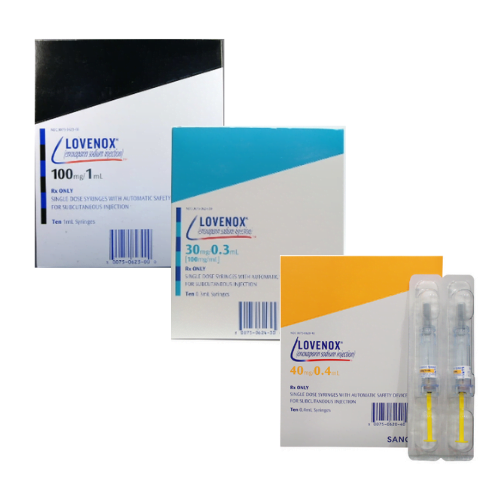
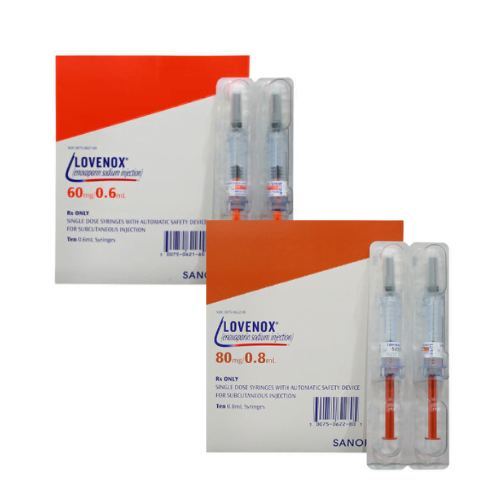
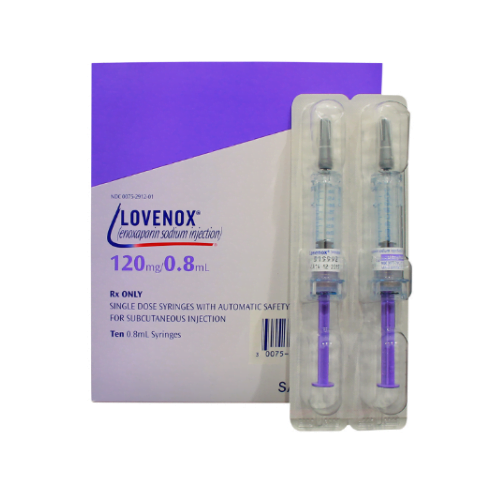
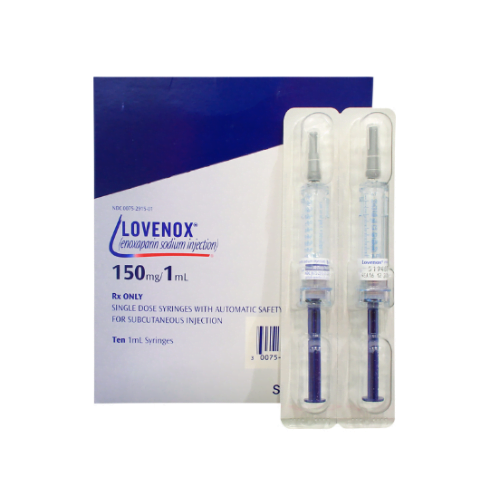
Lovenox prefilled syringes can look similar even when they contain different amounts of medicine. Read the label on each carton and syringe before use. The strength, brand or generic wording, and route of administration should match the directions provided by the healthcare professional managing treatment.
Enoxaparin prefilled syringes are usually intended for single use. Do not reuse a syringe, combine syringes, or split a dose unless a clinician has given specific instructions. Anticoagulant dosing can depend on the reason for treatment, kidney function, body weight, timing around surgery, and other medicines that affect bleeding risk.
- Product name: Match Lovenox or enoxaparin wording to the instructions.
- Strength: Confirm the mg amount on each syringe.
- Form: Check that the item is a prefilled syringe when that is expected.
- Supply: Count how many syringes are included.
- Directions: Follow the clinic’s timing and duration instructions.
Why it matters: Similar-looking syringes may contain different enoxaparin strengths.
What Enoxaparin Injection Is Used For
Enoxaparin injection helps prevent or treat blood clots. It may be used for deep vein thrombosis, pulmonary embolism, clot prevention after certain surgeries, and selected heart-related conditions when directed by a clinician. It works by reducing clotting activity in the blood, which lowers the chance that a clot will form or grow.
The treatment reason affects the strength, timing, and duration. A person receiving Lovenox after surgery may have different instructions than someone being treated for a confirmed clot. Do not change the schedule, stop early, or extend treatment based only on general product information.
For condition-based browsing, the Blood Clot, DVT, and PE section groups products related to clot prevention and treatment. Broader heart and circulation medicines are organized under Cardiovascular Products.
Lovenox may also be part of treatment plans after certain acute coronary events. Related condition sections include Heart Attack and Unstable Angina. These sections help with navigation, but anticoagulants and heart medicines should not be substituted for one another without clinical direction.
Brand and Generic Enoxaparin Context
Lovenox is the brand name for enoxaparin sodium. Generic enoxaparin products may also be available, and the active ingredient name can appear in safety information, pharmacy records, and clinical instructions. The key buying decision is whether the ordered medicine, strength, syringe form, and quantity match the directions.
Brand and generic naming can differ by country and product source. A Canadian-supplied product may use labeling or packaging that differs from a US carton while still being a regulated pharmacy medicine. If the directions specify brand-only use or restrict substitution, follow those instructions and ask the treating clinician before changing to generic enoxaparin.
Do not assume that another anticoagulant is an equivalent replacement. Warfarin, apixaban, rivaroxaban, heparin, and antiplatelet medicines work differently, have different monitoring needs, and may not be suitable for the same treatment plan. Lovenox selection should stay anchored to the active ingredient and strength directed for the individual case.
Storage, Handling, and Injection Supplies
Store Lovenox according to the product labeling and any instructions supplied with the medicine. Enoxaparin is generally handled at controlled room temperature and protected from excessive heat, freezing, and direct light. Keep syringes in their packaging until use, and protect them from crushing during travel.
Inspect each syringe before injecting. Do not use a syringe if the package is damaged, the solution appears cloudy, particles are visible, or the syringe has leaked. If a dose is dropped, damaged, or contaminated, ask a pharmacist or clinician what to do rather than attempting to use it.
Lovenox is given under the skin. Injection technique, site rotation, and safe needle disposal should come from the patient instructions supplied with the medicine or from a healthcare professional. Use a puncture-resistant sharps container after each injection and follow local disposal rules for used needles and syringes.
- Single use: Use each prefilled syringe once only.
- Air bubble: Follow the supplied instructions before injecting.
- Injection site: Rotate sites as directed to reduce irritation.
- Travel: Protect syringes from heat, freezing, and physical damage.
- Missed dose plan: Ask in advance what to do if timing is missed.
Shipping information may include prompt, express, cold-chain shipping language for service selection. Follow the storage instructions that arrive with the medicine after delivery, and examine the package promptly.
Side Effects, Warnings, and When to Seek Care
The main safety concern with Lovenox is bleeding. Bruising or mild irritation can occur at injection sites, but unusual bleeding needs attention. Seek urgent medical help for black or bloody stools, red or brown urine, coughing blood, vomiting blood, severe unexplained weakness, sudden severe headache, or bleeding that does not stop.
Lovenox has a boxed warning about spinal or epidural blood clots in people receiving neuraxial anesthesia or spinal puncture. These clots can cause long-term or permanent paralysis. The risk can increase when other medicines that affect bleeding are used, when epidural catheters are present, or when there is a history of spinal procedures or spinal deformity.
Enoxaparin should not be used in active major bleeding. People with a history of immune-mediated heparin-induced thrombocytopenia, certain heparin allergies, or serious sensitivity to enoxaparin require careful clinical review. Kidney impairment can increase exposure to enoxaparin, so renal function may affect monitoring and dosing decisions.
| Safety Point | What to Watch |
|---|---|
| Bleeding | Unusual bruising, nosebleeds, dark stools, or blood in urine. |
| Spinal procedures | Recent or planned spinal anesthesia, epidural catheter use, or spinal puncture. |
| Platelet history | Prior heparin-induced thrombocytopenia or low platelet counts. |
| Kidney function | Reduced kidney function can affect how enoxaparin is cleared. |
| Allergic reaction | Swelling, trouble breathing, widespread rash, or severe dizziness. |
Other possible side effects include injection-site pain, irritation, anemia, low platelets, and changes in liver enzyme tests. Report new symptoms promptly, especially if they occur after a dose change, surgery, injury, or the addition of another medicine.
Interactions and Monitoring
Several medicines can increase bleeding risk when used with enoxaparin. These include warfarin, other anticoagulants, aspirin, nonsteroidal anti-inflammatory drugs such as ibuprofen or naproxen, antiplatelet drugs, and clot-dissolving medicines. Herbal supplements and over-the-counter pain relievers can also matter, so give the clinician a complete medicine list.
Monitoring may include complete blood counts, platelet counts, kidney function tests, and signs of hidden bleeding. Anti-Xa testing may be used in selected situations, such as significant kidney disease, pregnancy with mechanical heart valves, extreme body weight, or other complex clinical circumstances. The monitoring plan should come from the treating healthcare professional.
Tell clinicians about recent surgery, dental procedures, falls, injuries, ulcers, bleeding disorders, stroke history, or planned procedures before using Lovenox. Clear instructions are especially important when an anticoagulant is started after a hospital stay or used briefly around an operation.
Related Cardiovascular Choices
Lovenox belongs to the anticoagulant treatment area, but cardiovascular medicines are not interchangeable simply because they relate to clotting or heart conditions. A medicine used for blood pressure, cholesterol, angina, or rhythm control may have a completely different purpose and safety profile.
If the written directions allow enoxaparin substitution, focus on the active ingredient, strength, form, and quantity. If they specify Lovenox, stay with the brand unless a clinician approves a change. The cardiovascular articles section may help explain broader heart-health topics, while product selection should remain tied to the clinical plan.
People using Lovenox after a clot, surgery, or heart event may also have other medicines in their regimen. Ask which medicines should continue, which should be held around procedures, and which over-the-counter products should be avoided while using enoxaparin.
Authoritative Sources
Safety and use information for Lovenox should be checked against official labeling and patient drug information. These sources explain labeled uses, boxed warnings, contraindications, side effects, and monitoring considerations in more detail.
- Official prescribing information for Lovenox outlines labeled indications, boxed warning, contraindications, dosing, and precautions.
- MedlinePlus patient information summarizes enoxaparin use, safety precautions, warning symptoms, and handling basics.
This content is for informational purposes only and is not a substitute for professional medical advice.
This content is for informational purposes only and is not a substitute for professional medical advice.
Two ways to ship
Cold-packed medications travel by Express shipping. Dry-packed medications can ship Express or Standard.
Earn points on every order
Earn points on birthdays, product orders, reviews, friend referrals, and more! Enjoy your medication at unparalleled discounts while reaping rewards for every step you take with us.
Register and/or Login
Create an account and start earning.
Earn Rewards
Earn points every time you shop or perform certain actions.
Redeem
Redeem points for exclusive discounts.
Ways to save
We stand behind our prices
We work hard to offer the very best available price. If you find a lower price on the same product, we will match it.
Learn how →Tiered pricingNew tiered pricing is here
Buy more and save more on the medications you trust: save 7% per pack when you buy 2, and 14% per pack when you buy 3 or more.
See tiered pricing →You might also like
View all →
Related articles
View all →
Insulin Syringe Sizes: Barrel, Needle, and Safety Basics
Insulin syringe sizes describe three things: how much the barrel holds, how long the needle is, and how thin the needle is.…
Read more →
Insulin Pen vs Syringe: Differences That Matter Day to Day
Choosing between an insulin pen vs syringe is usually about safe, repeatable dosing rather than one device being best for everyone. Pens…
Read more →
Joint Health Habits to Prevent Injury and Maintain Strength
Joint health improves when you combine regular movement, strength training, balanced nutrition, enough recovery, and early attention to pain signals. This matters…
Read more →
Entresto Dose Planning: Strengths, Titration, and Safety
The usual Entresto dose for many adults with heart failure starts at 49/51 mg twice daily, then may increase after 2 to…
Read more →Speak to us
Our customer service team are highly experienced and friendly. Get in touch today.
What is Lovenox injection used for?
Lovenox contains enoxaparin sodium, an anticoagulant used to help prevent or treat harmful blood clots. It may be used for deep vein thrombosis, pulmonary embolism, surgery-related clot prevention, or selected heart-related conditions when directed by a clinician.
Is Lovenox the same as enoxaparin?
Lovenox is the brand name for enoxaparin sodium. Generic enoxaparin may also be available. Match the active ingredient, strength, syringe form, and quantity to the clinic instructions before ordering or using either product.
How should Lovenox prefilled syringes be stored?
Store Lovenox according to the product labeling supplied with the medicine. Enoxaparin is generally kept at controlled room temperature and protected from excessive heat, freezing, and direct light. Do not use a syringe if it is damaged, leaking, cloudy, or contains particles.
What are the most important Lovenox side effects to watch for?
Bleeding is the main concern. Seek urgent care for black stools, blood in urine, coughing or vomiting blood, severe unexplained weakness, sudden severe headache, or bleeding that will not stop. Injection-site bruising or irritation can occur, but unusual bleeding should be reported promptly.
Can Lovenox interact with other medicines?
Yes. Warfarin, other anticoagulants, aspirin, ibuprofen, naproxen, antiplatelet drugs, and clot-dissolving medicines can raise bleeding risk. Tell the treating clinician about all prescription medicines, over-the-counter products, supplements, and recent procedures.
Speak to our team
 Call toll free1-844-560-7790
 Emailservice@canadianinsulin.com
Monday to Friday 7am – 11pm EST
Saturday 7am to 7pm EST
Sunday 8am – 5pm EST