


A valid prescription is required for this medication.
Compare prices. See your savings.
 US comparison
 Canadian comparison
Wegovy®
Rx Prescription required- Buy Wegovy online
- Clinical trials showed up to 21% total body weight loss*
- Helps lower the risk of heart attack and stroke
- Supports liver health in adults with MASH
 Fast, secure shipping
What is Wegovy and how does it work?
Wegovy is an FDA-approved prescription injection containing semaglutide. It is a GLP-1 receptor agonist that mimics a natural gut hormone to regulate appetite, slow stomach emptying, and make you feel fuller for longer.
What are the side effects of Wegovy?
The most common side effects are gastrointestinal including nausea, diarrhea, vomiting, constipation, and abdominal discomfort. These symptoms are usually mild and improve as your body adjusts.
How much weight can you lose on Wegovy?
In clinical trials, adults taking Wegovy lost an average of 15% to 17% of their starting body weight over 68 weeks when combined with a reduced-calorie diet and increased physical activity
*Based on STEP (Semaglutide Treatment Effect in People with Obesity) clinical trial program, which established an average body weight reduction of 14.9% at 68 weeks and up to 21% mean weight loss at 72 weeks as published in New England Journal of Medicine.
Health tools
Research and education tools. They do not replace clinical advice, diagnosis, or treatment.
Protein Intake Calculator
Estimate daily protein grams from body weight and nutrition goal.
These calculations are for education only and do not replace clinical advice, diagnosis, or treatment. Always confirm medical decisions with a qualified healthcare professional.
About Wegovy
Wegovy is a semaglutide medicine used with nutrition changes and physical activity for chronic weight management in certain adults and adolescents. You can buy Wegovy online, view the current Wegovy price, and choose the available strength that matches your clinician’s directions. If you are arranging US delivery from Canada, match the medication name, strength, quantity, and handling needs before checkout.
Wegovy Price, Cost, and Strength Selection
The Wegovy price shown during ordering is the best starting point for comparing your total cost. Look at the strength, quantity, device or form, and total contents together. A lower headline amount may not represent the same supply, number of pens, or dose strength.
Wegovy cost can vary when a different strength or quantity is chosen. Commonly discussed Wegovy injection strengths include 0.25 mg, 0.5 mg, 1 mg, 1.7 mg, and 2.4 mg. These strengths are used in a gradual treatment plan, so the amount chosen for purchase should follow the plan given by your clinician rather than price alone.
- Medication name: Match Wegovy semaglutide, not another semaglutide brand.
- Strength: Use the mg amount directed by your clinician.
- Quantity: Compare the number of pens or units supplied.
- Form: Do not treat tablets and injections as interchangeable.
- Total cost: Review the final checkout amount before submitting.
If you are reviewing Wegovy cost without insurance, focus on the cash-pay total, the strength, and the quantity supplied. Do not assume a past order total applies to a different strength or pack. The Weight Management category can help you browse nearby products in the same care area, but your medication choice should follow the clinical plan already set for you.
Quick tip: Keep the medication name, strength, and quantity visible while comparing totals.
How to Order Wegovy Online
To order Wegovy online, choose the medication and strength that match your current treatment directions. Enter the requested order information accurately, then review the summary for strength, quantity, temperature handling, and total cost. If a question arises during processing, we may help confirm order details with the appropriate healthcare contact.
- Choose Wegovy: Use the semaglutide brand and form you are meant to receive.
- Match the strength: Select the available dose strength that follows your plan.
- Enter details: Provide the information requested during checkout.
- Review handling: Note refrigerated storage and cold-chain needs when applicable.
- Submit the order: Check the final total and quantity first.
Wegovy is a temperature-sensitive medicine when supplied as an injection pen. Orders may use prompt, express, cold-chain shipping to help protect the product during transit. Once the parcel arrives, place the medicine under the storage conditions described in the official instructions.
Customers arranging Wegovy US shipping from Canada should still make the same practical checks: medication name, strength, quantity, temperature handling, and clinician directions. Cross-border service wording does not change how the medicine should be selected, stored, or used.
What Wegovy Is Used For
Wegovy semaglutide is a GLP-1 receptor agonist, an incretin-based medicine that acts on hormone pathways involved in appetite and blood-sugar signaling. It is used with a reduced-calorie eating plan and increased physical activity for chronic weight management in certain people with obesity or overweight with weight-related health conditions. It is not a stimulant and is not intended for short-term cosmetic weight loss.
Official information also describes cardiovascular-risk uses in certain adults with established cardiovascular disease and either obesity or overweight, depending on the approved indication in the relevant market. Your clinician considers weight history, medical conditions, current medicines, treatment goals, and monitoring needs before deciding whether semaglutide fits your care plan.
People researching Wegovy often compare it with care pathways for obesity and overweight. These condition categories are useful for navigation, but diagnosis and treatment planning should come from a qualified healthcare professional.
Semaglutide, Pens, and Dose Matching
Wegovy contains semaglutide, the same active ingredient name associated with some other medicines. Brand, approved use, form, device, and dosing schedule still matter. A medicine labeled for diabetes or another condition should not be substituted for Wegovy unless your clinician specifically changes the treatment plan.
Wegovy injection is commonly associated with once-weekly pens. The starting strength is not the same as a maintenance strength, and a higher-strength pen is not a shortcut for a lower dose. If your plan names a specific mg amount, match that strength exactly when ordering.
| Product decision | What to match |
|---|---|
| Active ingredient | Semaglutide when Wegovy is the intended brand. |
| Form | Injection pen or another form only if directed for you. |
| Strength | The mg amount in your treatment directions. |
| Quantity | The number of pens or units being supplied. |
| Schedule | The timing set by your clinician, not a self-selected plan. |
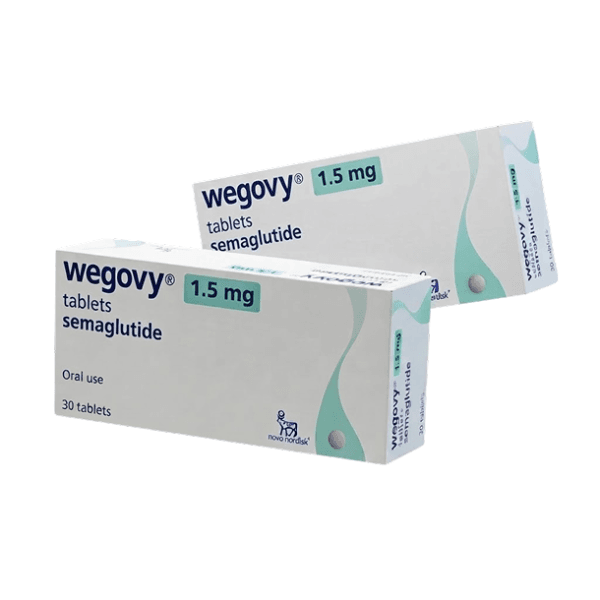
If you see Wegovy tablets discussed online, do not assume tablets and injections work the same way. Absorption, storage, instructions, and dose timing can differ by form. Your order should match the product form you have been told to use.
Injection, Storage, and Handling Basics
When Wegovy is supplied as an injection, it is given under the skin according to the official instructions and your treatment plan. Common injection areas include the abdomen, thigh, or upper arm. Rotate sites as directed, and do not share pens with another person, even if the needle is changed.
Unopened semaglutide pens are generally stored in a refrigerator at 2 to 8 C and protected from light. Do not freeze the medicine, and do not use it if it has been frozen. If a pen has been kept at room temperature, use the official package instructions to determine the allowed time and temperature range.
Inspect the solution before use. It should match the label description and should not be used if it looks cloudy, discolored, or contains particles. Used needles and pens should be placed in an appropriate sharps container rather than household trash.
Temperature handling is an important buying decision for semaglutide products. Read the storage directions promptly after arrival, and keep the medicine protected from heat, freezing, and light as directed. People browsing GLP-1 therapy may also review the Weight Management articles for broader education about long-term treatment planning.
Side Effects, Warnings, and Monitoring
Common Wegovy side effects include nausea, vomiting, diarrhea, constipation, stomach pain, indigestion, headache, tiredness, and decreased appetite. These effects may be more noticeable when the dose changes. Contact a healthcare professional if symptoms are severe, persistent, or make it hard to keep fluids down.
Semaglutide products carry important warnings. Wegovy should not be used by people with a personal or family history of medullary thyroid carcinoma, a type of thyroid cancer, or by people with multiple endocrine neoplasia syndrome type 2. Tell your clinician about thyroid disease, pancreatitis, gallbladder disease, kidney problems, diabetes, eye disease, mental health history, pregnancy plans, breastfeeding, and all medicines or supplements you use.
- Pancreas symptoms: Severe or persistent abdominal pain needs urgent medical attention.
- Gallbladder symptoms: Upper abdominal pain, fever, or yellowing skin should be assessed.
- Kidney concerns: Vomiting or diarrhea can worsen dehydration-related kidney problems.
- Allergic reaction: Swelling, trouble breathing, or widespread rash needs emergency care.
- Mood changes: New or worsening depression or suicidal thoughts should be reported quickly.
- Blood sugar: People using insulin or sulfonylureas may need closer monitoring.
Wegovy should not be used during pregnancy. People planning pregnancy should discuss timing with a healthcare professional because semaglutide remains in the body for an extended period after stopping. Monitoring may include weight trends, side effects, hydration status, kidney function when needed, blood glucose for people with diabetes, and overall tolerance.
Interactions and Practical Treatment Questions
Semaglutide can slow stomach emptying, which may affect how some oral medicines are absorbed. Tell your care team about prescription medicines, over-the-counter products, supplements, insulin, sulfonylureas, and any other GLP-1 medicines. Combining similar incretin-based medicines can increase side-effect risk and may not be appropriate.
People with type 2 diabetes may need additional monitoring while using semaglutide, especially if insulin or a sulfonylurea is part of the regimen. Those with kidney disease or diabetic retinopathy may also need specific follow-up. The type 2 diabetes condition category and type 2 diabetes articles can help with general background, but individualized monitoring should come from your clinician.
Tell your healthcare team about Wegovy before surgery or procedures requiring anesthesia. Delayed stomach emptying can matter when planning fasting and procedure timing. Do not stop, restart, or change dose strength without professional direction.
Why it matters: The safest purchase is the one that matches your current medication plan and health status.
Comparing Related Weight-Management Medicines
Wegovy is one option within prescription weight-management care. It differs from diabetes-labeled semaglutide products, tirzepatide products, liraglutide injections, and oral weight-management medicines. Differences may include active ingredient, approved use, device, dose schedule, storage, side effects, and monitoring.
When comparing semaglutide price with another medicine, compare more than the name. Strength, form, quantity, supply length, storage requirements, and your side-effect history can all affect the practical choice. A lower apparent cost may not fit the dose schedule or treatment goal set for you.
Do not switch between Wegovy and another weight-management medicine based only on online comparisons. Similar class names do not make products interchangeable. If a different product is being considered, ask your clinician how the starting dose, titration plan, contraindications, and monitoring would change.
Authoritative Sources
Official manufacturer information on uses, warnings, and safe-use instructions is available from the Wegovy patient site. Regulator-reviewed information is available from the European Medicines Agency Wegovy overview.
Use official labeling and healthcare-professional instructions for dose timing, storage, contraindications, warnings, side effects, and monitoring. Online medication information can support ordering decisions, but it should not be used to adjust treatment on your own.
This content is for informational purposes only and is not a substitute for professional medical advice.
This content is for informational purposes only and is not a substitute for professional medical advice.
Customer reviews
Reviews from verified buyers, collected by Stamped.
- Reviews
- Questions
 US
USgood communication but late delivery
could be better
CanadianInsulin.com
Hi Alexander !We truly appreciate your positive feedback on our communication. We sincerely apologize for the delay in delivery and understand how important it is for you to receive your order on time. Please know that we are continuously working to improve our processes to provide a faster and more seamless experience. If there is anything further we can assist you with, please do not hesitate to reach out.Thank you for always trusting Canadian Insulin!
USGreat service
Staff was pleasant and knowledgeable and entered my order quickly and efficiently. I have been using Canadian Insulin for a year now and am still pleased.
CanadianInsulin.com
Hi Robert,Thank you so much for your wonderful feedback! We’re delighted to hear that our team provided pleasant and knowledgeable service, and that your order was handled quickly and efficiently.Your satisfaction means a great deal to us, and we truly appreciate your continued trust in Canadian Insulin over the past year. We remain committed to delivering a smooth, reliable, and caring experience every time you order.Thank you for choosing Canadian Insulin. We look forward to serving you again soon!
USEXCELLENT SERVICE
Excellent service and product. Great communication, follow-up shipping and billing. Outstanding!!
CanadianInsulin.com
Hi Mary,We are delighted to hear that you were satisfied with our service, product quality, and communication. Your kind words means a lot to us, and we truly value the confidence you have placed in Canadian Insulin. Our team is committed to ensuring a smooth experience from order to delivery, and it is rewarding to know that we met your expectations.Thank you once again for choosing Canadian Insulin. We look forward to continuing to serve your health and wellness needs.
USWorks well!
No problems! It works! Canadian Insulin does a good job at sending it.
CanadianInsulin.com
Hi Kathleen,We are very pleased to hear that everything is working well for you. Your positive feedback is greatly appreciated, and we are grateful for the trust you place in Canadian Insulin. Please know that our team remains committed to supporting your health and wellness, and we are always here should you need any assistance.Thank you once again for choosing Canadian Insulin. We look forward to continuing to serve you.
USWorks well!
I have no side effects and it works well at curbing cravings.
Two ways to ship
Cold-packed medications travel by Express shipping. Dry-packed medications can ship Express or Standard.
Earn points on every order
Earn points on birthdays, product orders, reviews, friend referrals, and more! Enjoy your medication at unparalleled discounts while reaping rewards for every step you take with us.
Register and/or Login
Create an account and start earning.
Earn Rewards
Earn points every time you shop or perform certain actions.
Redeem
Redeem points for exclusive discounts.
Ways to save
We stand behind our prices
We work hard to offer the very best available price. If you find a lower price on the same product, we will match it.
Learn how →Tiered pricingNew tiered pricing is here
Buy more and save more on the medications you trust: save 7% per pack when you buy 2, and 14% per pack when you buy 3 or more.
See tiered pricing →You might also like
View all →
Related articles
View all →
Generic Wegovy: Availability, Costs, and Safer Comparisons
Generic Wegovy is not the same as any lower-cost semaglutide listing. In strict pharmacy language, a true generic must be approved as…
Read more →
Oral Wegovy: Safety, Dosing Context, and Access Questions
Oral wegovy now refers to a tablet form of semaglutide for chronic weight management in adults, but it should not be confused…
Read more →
Wegovy vs Mounjaro: Differences That Matter in Care
Wegovy and Mounjaro are both once-weekly injectable medicines that affect appetite and glucose regulation, but they are not interchangeable. Wegovy vs Mounjaro…
Read more →
5 Ways to Increase Weight Loss on Wegovy: A Practical Guide
Many people ask about 5 ways to increase weight loss on Wegovy as they build sustainable routines. This guide blends clinical principles…
Read more →Speak to us
Our customer service team are highly experienced and friendly. Get in touch today.
What is Wegovy used for?
Wegovy is a semaglutide medicine used with reduced-calorie nutrition and increased physical activity for chronic weight management in certain people with obesity or overweight with weight-related conditions. It may also have cardiovascular-risk uses in certain adults, depending on the approved indication and medical history.
How should I choose a Wegovy strength when ordering?
Choose the Wegovy strength that matches your clinician’s current directions. Commonly discussed strengths include 0.25 mg, 0.5 mg, 1 mg, 1.7 mg, and 2.4 mg, but the right strength depends on the treatment plan rather than convenience or price alone.
Does Wegovy need refrigeration?
Unopened Wegovy injection pens are generally stored in a refrigerator at 2 to 8 C and protected from light. Do not freeze the medicine, and follow the official package instructions if a pen has been kept at room temperature.
What are common Wegovy side effects?
Common side effects include nausea, vomiting, diarrhea, constipation, stomach pain, indigestion, headache, tiredness, and decreased appetite. Severe abdominal pain, allergic reaction symptoms, dehydration, mood changes, or persistent vomiting should be discussed with a healthcare professional promptly.
Can Wegovy be switched with other semaglutide medicines?
Do not switch Wegovy with another semaglutide product unless your clinician changes the treatment plan. Products can differ by approved use, form, device, dose schedule, storage needs, and monitoring requirements.
Speak to our team
 Call toll free1-844-560-7790
 Emailservice@canadianinsulin.com
Monday to Friday 7am – 11pm EST
Saturday 7am to 7pm EST
Sunday 8am – 5pm EST