
Key Takeaways
The phrase 10 signs you need fiber anchors this guide to practical, diabetes-focused strategies.
- Blood sugar steadiness: Fiber slows glucose absorption and helps reduce spikes.
- Digestive regularity: Adequate intake supports formed, easy-to-pass stools.
- Cardiometabolic support: Viscous fiber can help lower LDL cholesterol.
- Food-first focus: Vegetables, legumes, grains, and seeds lead the way.
- Supplements: Psyllium and similar options can fill gaps when used safely.
Fiber supports glucose control by blunting post-meal rises, improving satiety, and aiding lipid profiles. In people living with diabetes, these effects can reduce meal-to-meal variability and improve day-to-day comfort. Aim to increase intake gradually, and pair fiber with hydration to avoid cramping or bloating. For general intake guidance across age and sex, the Dietary Guidelines for Americans offer evidence-based targets (Dietary Guidelines for Americans).
Why Fiber Matters for Diabetes
Dietary fiber includes plant carbohydrates that resist digestion. Soluble fiber (gel-forming) slows gastric emptying and glucose absorption. Insoluble fiber (roughage) adds bulk and speeds transit. Together, these actions can support steadier postprandial (after-meal) glucose and reduce glycemic variability. Over time, a fiber-forward plate may also help with weight management by increasing satiety, which can indirectly support insulin sensitivity.
Clinical guidance encourages a food-first approach with vegetables, legumes, intact whole grains, nuts, and seeds. These sources also deliver micronutrients and phytochemicals that support cardiometabolic health. For broader context on nutrition in diabetes, see this clinical overview from the NIDDK, which outlines meal composition principles and activity guidance (NIDDK nutrition for diabetes).
For practical menu building and a positive list of diabetes-friendly staples, this overview of Food For Diabetics offers helpful baselines for portioning and meal structure.
10 Signs You Need Fiber
Low fiber can show up in your gut, glucose numbers, and overall energy. Recognizing patterns early lets you adjust food choices before problems escalate. Consider these common patterns and how they relate to fiber intake. Track symptoms alongside meals for a week to spot links.
- Frequent hunger soon after meals, especially high-carb dishes.
- Large post-meal glucose spikes relative to the meal size.
- Constipation, straining, or hard, pellet-like stools.
- Loose stools that lack form, especially after low-fiber days.
- Low energy or sluggishness mid-afternoon on workdays.
- Elevated LDL cholesterol or triglycerides in recent labs.
- Feeling overly full on small portions with little roughage.
- Hemorrhoid flare-ups tied to hard stools and straining.
- Unplanned snacking between meals due to poor satiety.
- Unpredictable bathroom patterns during travel or schedule shifts.
Not every sign points solely to fiber. Hydration, activity, medications, and stress also matter. Increase fiber gradually, assess patterns, and discuss persistent symptoms with your clinician or dietitian. If you use glucose-lowering agents that slow gastric emptying, coordinate changes to avoid unexpected hypoglycemia.
Fiber Types Explained
Both major forms of fiber are useful but act differently. Soluble fiber forms viscous gels that slow digestion and can modestly lower LDL cholesterol. Insoluble fiber adds structural bulk that normalizes motility and stool form. Each type helps stabilize post-meal glucose in a different way. Learning the distinctions prevents overreliance on any single source.
When comparing soluble vs insoluble fiber, consider their food sources and your goals. Psyllium husk, oats, barley, lentils, and apples are common soluble sources. Wheat bran, many vegetables, nuts, and seed coats supply insoluble fiber. A balanced plate typically includes both. People with sensitive guts often tolerate a gradual titration of viscous, soluble sources better than abrupt increases in roughage.
How Fiber Helps With Glucose
Viscous, gel-forming soluble fiber increases meal viscosity and slows carbohydrate diffusion to the small intestine. That delay can flatten postprandial glucose peaks and reduce insulin demand. Fermentable fibers also feed colonic microbes, producing short-chain fatty acids (SCFAs) such as butyrate that may support gut barrier function and metabolic signaling. Insoluble fiber, though less viscous, still contributes by displacing rapidly absorbed starch and promoting regularity. Together, the blend supports steadier daily patterns.
For specific vegetable guidance, see Vegetables For Diabetes, which outlines options and preparation ideas to increase tolerability without added sugars.
Food Sources That Help
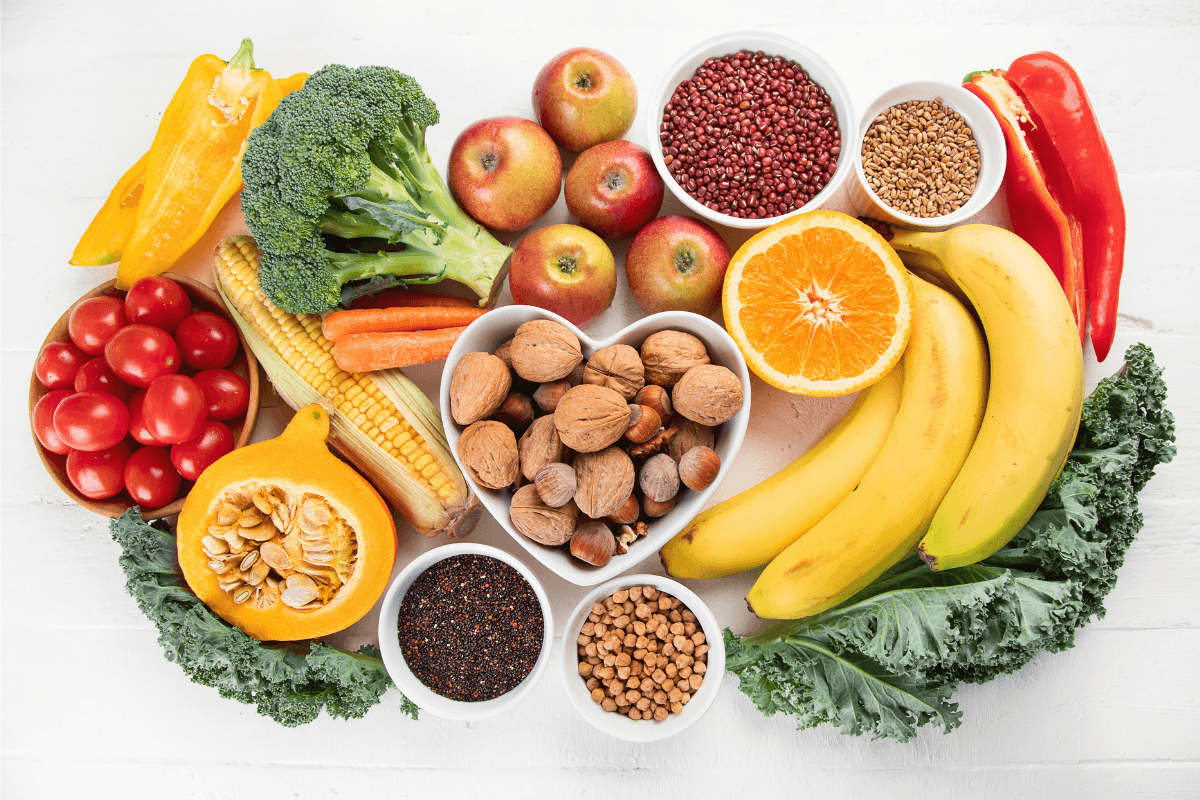
Start with high-fiber vegetables and fruits at most meals. Build half your plate with non-starchy vegetables, then add legumes or intact whole grains, plus a lean protein. Simple patterns like chili with beans, barley-based soups, and lentil salads deliver steady carbohydrates with built-in fiber. Frozen vegetables, canned beans, and pre-cooked grains keep weekday cooking realistic.
Use oats, barley, chia, and psyllium for gel-forming effects at breakfast or snacks. Pair fruit with nuts or yogurt to slow absorption. For a more detailed, diabetes-focused list, review High-Fiber Foods For Diabetics for examples and portions that fit common glucose goals. When choosing fruits, consider texture and skins for added roughage; this note complements the advice in Fruits For Diabetics To Avoid if you monitor post-meal responses.
Tip: If breakfast is rushed, a fiber-fortified shake can help. Products formulated for people with diabetes often include slow carbs and fiber; for ingredient ratios and protein levels, see Glucerna 1.2 Cal Vanilla as a label example.
Everyday Food Swaps and Grocery List
Small swaps compound over the week. Replace refined sides with intact grains, add a cup of beans to soups, and keep cut vegetables ready for quick meals. Rotating textures and colors helps diversify fibers and keeps meals interesting. Look for vegetables with edible skins or stalks to raise roughage without drastic recipe changes.
To boost roughage quickly, consider insoluble fiber foods such as wheat bran, carrots, leafy greens, and nuts. Combine them with viscous sources like oats to balance comfort and regularity. For legume-specific benefits and recipe ideas, this guide on Are Beans Good For Diabetes explains why beans support glucose control. If you enjoy cruciferous options, this focused overview on Broccoli And Diabetes discusses preparation tips to reduce bitterness while preserving fiber.
Recognizing Stool Changes and Gut Signals
Stool form reflects the interplay of fiber, fluids, and motility. Formed, easy-to-pass stools (types 3–4 on the Bristol scale) suggest adequate intake for many people. Loose, urgent stools can follow days of low intake, illness, or excessive sweeteners. Hard stools with straining often indicate inadequate roughage, dehydration, or immobility. Adjust fiber slowly and hydrate well to minimize discomfort.
If you wonder what does fiber do to your poop, think viscosity and bulk. Gel-forming fibers improve cohesion, while roughage adds structure, producing smoother, quicker transit. If you routinely see very loose stools (for example, type 6 stool), increase soluble sources first and reassess. For a visual reference and interpretive notes, review this clinical explainer of the Bristol Stool Chart to compare patterns and potential causes.
Smart Use of Fiber Supplements
Food should lead, but supplements can fill gaps. Fiber supplements for constipation work best when introduced gradually and paired with fluids. Common options include psyllium (gel-forming), methylcellulose (less fermentable), calcium polycarbophil (bulking), and partially hydrolyzed guar gum (gentle). Choose based on your symptoms, tolerance, and diet pattern. Take them away from medications that require precise absorption if advised by your clinician.
Check labels for grams per serving and added sweeteners. Sugar-free versions may use polyols, which can increase gas in sensitive people. For selection support across brands and forms, browse our Vitamins Supplements articles category for context on ingredients and use-cases. If your meals vary during travel or shifts, a single-ingredient psyllium powder can provide predictable viscosity without major recipe changes.
Some people use GLP-1 therapies, which can alter gastric emptying and appetite. If appetite is low, ramp fiber more slowly and coordinate timing. For background on these medicines and diet considerations, see GLP-1 Medications And Weight Loss for lifestyle context alongside medication effects.
Choosing a Supplement for Your Goals
Your best choice depends on symptoms. The best fiber supplement for constipation is usually a gel-forming option such as psyllium, introduced in small steps to minimize gas. For mainly loose stools, consider more viscous, soluble types and reduce high-fermentable sweeteners. If weight management is a goal, a pre-meal psyllium dose may enhance fullness, but align with your glucose monitoring and medication plan.
Review ingredient labels for dosing clarity and avoid proprietary blends that obscure grams per serving. If you take diabetes medications, separate dosing when advised by your care team to reduce absorption concerns. For nutrition planning with insulin resistance in mind, this practical guide to Best Diet For Insulin Resistance offers patterns that complement a fiber-first approach. Those exploring medication-based appetite support can also review Ozempic Semaglutide Pens for an overview of dosing forms and patient information.
Building a Diabetes-Friendly Fiber Plan
Set a realistic target, then climb steadily. Many adults benefit from aiming toward 25–38 grams per day, consistent with national guidance, while adjusting for energy needs. Track your own glucose after meals to spot your best sources and portions. Add 3–5 grams per day for a week, then reassess comfort, stool form, and postprandial readings. Keep a refillable water bottle handy to support transit.
Design each plate for balance. Start with non-starchy vegetables, add legumes or intact grains, include lean protein, and finish with nuts or seeds for texture and satiety. For menu inspiration with fiber-rich sides, this overview of Food For Diabetics can help shape breakfasts and dinners. If orange juice is a staple, this article on Orange Juice And Diabetes explains how fiber-free liquids may affect post-meal spikes, helping you swap in whole-fruit options when possible.
Recap
Fiber supports steadier glucose, better stool form, and improved satiety. Use both soluble and insoluble sources, favor whole foods, and add supplements only when gaps persist. Increase intake gradually, drink adequate water, and monitor how your body responds. For additional grocery ideas and fiber-forward meals, explore our diabetes nutrition articles to refine your plan.
This content is for informational purposes only and is not a substitute for professional medical advice.


