

Protein shakes for diabetics can fit some meal plans, but they are not automatically better than food or safer because they are sugar-free. The right choice depends on total carbohydrate, protein amount, calories, ingredients, medications, kidney health, and your own glucose response. Treat a shake like any other meal or snack: read the label, plan the portion, and check what happens after you drink it.
Key Takeaways
- Start with carbs: total carbohydrate usually matters more than front-label claims.
- Match the purpose: a snack, meal replacement, and recovery drink need different planning.
- Check sweeteners: sugar-free shakes may still contain carbs or sugar alcohols.
- Review safety factors: kidney disease, pregnancy, gastroparesis, and recurrent lows need clinician input.
- Track your response: your meter or continuous glucose monitor is more useful than a brand promise.
How Protein Shakes for Diabetics Fit a Meal Plan
A protein shake is a nutrition product, not a diabetes treatment. It may help fill a protein gap, replace a rushed breakfast, support intake during low appetite, or provide a planned snack. It can also work poorly if it adds extra calories, contains more carbohydrate than expected, or replaces a balanced meal without planning.
Carbohydrate usually has the most direct effect on post-meal glucose. Protein digests more slowly and may support fullness. Still, many shakes contain milk sugars, fruit, sweetened bases, starches, added fibers, or sugar alcohols. Those ingredients can change both digestion and glucose patterns.
For type 2 diabetes, start with the same questions you would ask about any packaged food. How many grams of total carbohydrate are in the serving? Does the shake replace a meal or add to one? What else are you eating with it? Do you use medicines that can cause low blood sugar if your meals change? These questions matter more than whether the package says diabetic-friendly.
For broader nutrition and glucose topics, the Diabetes Articles collection can help you browse related education.
Which Protein Shake Is Best for Diabetes?
The best option is the one that fits your carbohydrate target, protein needs, calorie goals, digestion, and medical situation. There is no single shake that is best for every adult with diabetes. A diabetes-specific product may be useful for one person, while a plain protein powder mixed with an unsweetened liquid may work better for someone else.
Focus on the nutrition facts panel before brand names. A lower-sugar drink can still be high in total carbohydrate. A high-protein shake can still be too calorie-dense for a weight-loss plan. A very low-carb shake may be a poor meal replacement if it leaves you hungry or contributes to medication-related hypoglycemia (low blood sugar).
Ready-to-drink products may offer fixed portions and convenience. Powders offer more control, but serving size can drift if scoops are rounded or doubled. Homemade smoothies can be simple and flexible, but fruit juice, sweetened yogurt, honey, and large fruit portions can raise carbohydrate quickly.
Why it matters: A shake should be judged by its full label and your response, not by one front-label phrase.
Label Details That Matter Most
Protein shakes for diabetics should be compared using the same core label details every time. The goal is not to find a perfect ingredient list. The goal is to choose a product that matches your plan and avoids surprises.
| Label Item | Why It Matters | What To Check |
|---|---|---|
| Total carbohydrate | This usually has the clearest glucose effect. | Compare grams with your meal or snack target. |
| Added sugars | Added sugars can increase carbohydrate quickly. | Look past words like natural, light, or high-protein. |
| Protein amount | The amount should fit the shake’s role. | A snack and a meal replacement need different planning. |
| Protein source | Whey, casein, soy, pea, and other proteins differ. | Consider allergies, digestion, taste, and dietary pattern. |
| Fiber and sugar alcohols | These can affect digestion and tolerance. | Start cautiously if they cause gas, bloating, or diarrhea. |
| Calories and fat | Calories still matter for weight goals. | Decide whether the shake replaces food or adds to it. |
| Sodium, potassium, and minerals | Minerals can matter with kidney or heart conditions. | Ask your clinician if you follow mineral restrictions. |
Quick tip: Read total carbohydrate first, then decide whether protein and calories fit the purpose.
If you count carbohydrates, converting grams into carb servings can make labels easier to compare. This tool estimates carb servings from total carbohydrate grams and does not replace individualized advice.
Carb Serving Calculator
Convert total carbohydrate grams into carb choices for meal planning and diabetes education.
These calculations are for education only and do not replace clinical advice, diagnosis, or treatment. Always confirm medical decisions with a qualified healthcare professional.
A sugar-free protein shake for diabetics may still contain carbohydrate from milk, yogurt, fruit, thickeners, or added fibers. Sugar alcohols and non-sugar sweeteners can reduce added sugar, but they do not make a product automatically appropriate. If sweeteners affect your stomach, appetite, or glucose patterns, consider simpler products and ask a registered dietitian for help comparing labels.
Protein powders also deserve careful review. A scoop varies by product, and a rounded scoop may exceed the serving size. Some powders contain caffeine, herbal blends, creatine, or large vitamin doses. These extras are not always needed for diabetes meal planning. If you use several supplements, the Vitamins Supplements category can help you browse related topics.
Ready-To-Drink, Powder, or Homemade?
Ready-to-drink shakes are useful when you need a predictable portion. They can be easier to pack for work, travel, or a rushed morning. The tradeoff is less control over ingredients. Flavors within the same brand may differ, so read each label instead of assuming the whole product line is similar.
Some readers compare diabetes-specific drinks with mainstream high-protein shakes. Brand names alone do not answer whether a product fits your plan. Compare total carbohydrate, added sugars, calories, protein source, serving size, and ingredients that affect your digestion. If you want to review one diabetes-specific product example, the Glucerna page can support label-focused comparison without replacing medical advice.
Protein powders may suit people who want fewer ingredients or more control. You can mix them with water, unsweetened milk alternatives, or plain yogurt. The main risk is portion drift. Doubling powder, adding fruit juice, using sweetened milk, or adding large spoonfuls of nut butter can turn a snack into a full meal.
Homemade protein shakes for diabetics can be practical when ingredients are measured. A balanced version may include a protein source, an unsweetened liquid, a measured fruit portion, and optional fiber from chia, flax, vegetables, or nuts. Smoothies for diabetes type 2 can become high in carbohydrate when several fruit portions, juice, sweetened yogurt, honey, or syrups are combined.
Food-based protein still matters, even if shakes help sometimes. Options such as tofu, eggs, seafood, poultry, Greek yogurt, cottage cheese, legumes, nuts, and seeds may fit different eating patterns. For more food-focused ideas, see Tofu For Diabetics, Breakfast Ideas For Diabetics, and Nuts For Diabetics.
Match the Shake to Your Goal
The right shake depends on what you want it to do. A drink used for breakfast is different from one used after exercise, during poor appetite, or as part of weight management. Start with the purpose, then review the label.
For breakfast
A breakfast shake should be planned like breakfast. Consider whether it provides enough protein for fullness, whether the carbohydrate amount fits your morning plan, and whether you need fiber or solid food alongside it. Some people notice higher morning glucose due to hormones, sleep, stress, or medication timing, so tracking the response matters.
For weight management
Protein shakes for diabetics to lose weight only help when they support a sustainable calorie pattern. A shake may replace a higher-calorie meal or reduce grazing for some adults. It may also slow progress if it is added on top of usual meals. Avoid repeatedly skipping meals without discussing your plan, especially if you take insulin or a sulfonylurea.
For weight gain or poor appetite
Some adults with diabetes need help maintaining weight, especially during illness, recovery, dental problems, or low appetite. In that situation, the focus may shift toward enough calories, protein, and micronutrients while limiting large glucose swings. Unintended weight loss should be reviewed with a clinician because it can signal medication effects, poor intake, or another health issue.
For exercise recovery
After activity, protein may support recovery, while carbohydrate needs vary by exercise type, medicines, and glucose patterns. If exercise causes lows or delayed lows, ask your care team how to plan snacks and monitoring. Do not change insulin or other glucose-lowering medicines based only on a shake label.
Medication and Safety Checks
Most adults can review shakes like other packaged foods, but some situations need extra care. Kidney disease is one of the most important. If you have diabetic kidney disease, reduced kidney function, or instructions to limit protein, do not start high-protein shakes without professional guidance. Protein targets can vary by kidney function, nutrition status, and treatment plan.
Medicines also matter. Insulin and sulfonylureas can cause hypoglycemia, especially when meals are smaller than usual. Replacing a meal with a very low-carbohydrate shake may change your usual glucose pattern. If lows are frequent, severe, or unpredictable, review your eating plan and medicines with your diabetes care team.
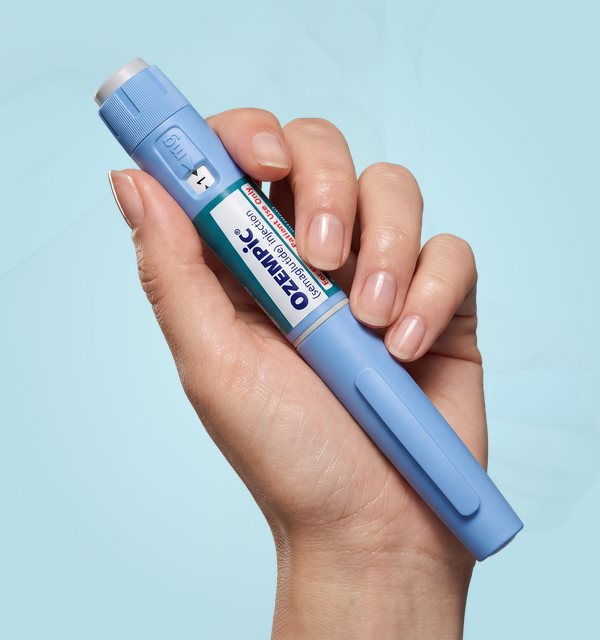
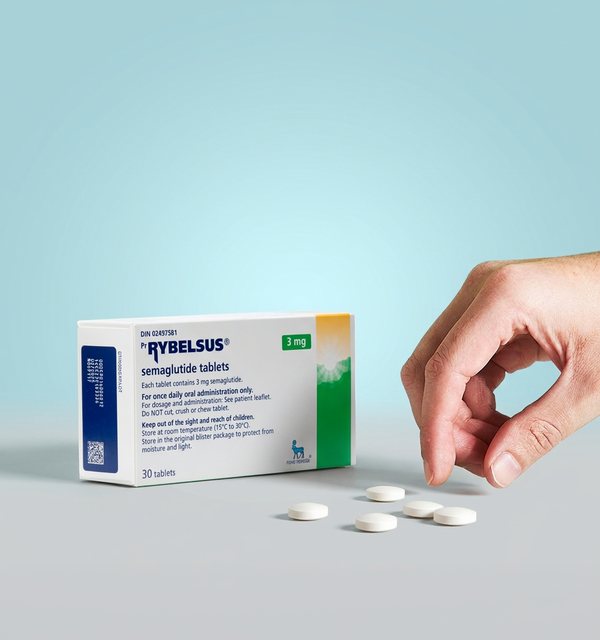
People using GLP-1 or GIP/GLP-1 medicines, such as semaglutide or tirzepatide, may have reduced appetite, nausea, reflux, or early fullness. A protein shake may be easier to tolerate than a large meal for some people. However, persistent vomiting, very low intake, dehydration symptoms, or repeated low glucose readings need medical review.
Other situations also deserve individualized advice. Ask a clinician or registered dietitian before making shakes routine if you are pregnant, have gastroparesis (delayed stomach emptying), have an eating disorder history, follow a renal or low-potassium diet, or have food allergies. Some shakes contain milk, soy, nuts, gluten, caffeine, herbal extracts, or sugar alcohols. A pharmacist can also help if your shake contains minerals that may affect how you take certain medicines.
Seek urgent care for symptoms of a severe allergic reaction, confusion, fainting, chest pain, severe dehydration, or signs of serious high or low blood sugar. Shakes should not be used to manage acute illness unless you already have a care plan from your clinician.
How to Test Your Personal Response
Your glucose response is the most practical test. A label can estimate carbohydrate load, but your meter or continuous glucose monitor shows what happens in your body. Keep the first test simple. Use one serving, avoid changing several foods at once, and note the time, ingredients, and portion.
If your care plan includes after-meal checks, compare the shake with a usual breakfast, snack, or post-exercise option. Look for patterns rather than one isolated number. Sleep, stress, activity, illness, and medication timing can all shift glucose readings.
Keep a short log for a few tries. Record the product name, serving size, total carbohydrate, protein amount, what else you ate, and your glucose response. If readings are repeatedly higher or lower than expected, bring the log to your next diabetes visit instead of guessing.
Carbohydrate quality still matters with protein. Fruit, oats, beans, and dairy can fit many diabetes meal plans, but portions and combinations matter. If you add fruit to a smoothie, review total carbohydrate and fiber rather than avoiding fruit entirely. Fiber from vegetables, legumes, berries, nuts, seeds, and whole grains may support fullness and meal quality. For more context, read Fiber In A Diabetic Diet.
Authoritative Sources
- The American Diabetes Association protein resource explains how protein foods can fit diabetes meal planning.
- The NIDDK healthy living with diabetes resource covers eating patterns, activity, medicines, and glucose management.
- The CDC healthy eating with diabetes resource reviews practical meal-planning concepts for people with diabetes.
Choosing protein shakes for diabetics is less about finding one perfect brand and more about matching the label to your health context. Keep the drink simple, track your response, and involve your diabetes care team when kidney disease, pregnancy, recurrent lows, major weight changes, or medication-related appetite changes are part of the picture.
This content is for informational purposes only and is not a substitute for professional medical advice.