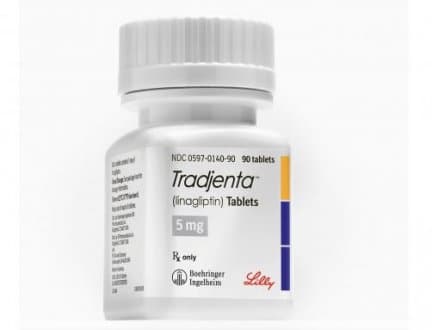
Understanding tradjenta side effects helps you anticipate what’s normal and what needs attention. Linagliptin (a DPP-4 inhibitor) is often well tolerated, but no medicine is risk-free. This guide explains common reactions, serious warnings, organ-specific concerns, and how long-term use looks in everyday care. We also summarize its class, how it works, and how it compares with other type 2 diabetes treatments.
Key Takeaways
- Common effects: respiratory symptoms, joint pain, and mild GI upset.
- Serious risks are uncommon but include pancreatitis and severe allergy.
- Linagliptin is renal-friendly; dose adjustments are usually unnecessary.
- Cardiovascular outcomes appear neutral in major trials to date.
- Discuss new symptoms promptly, especially severe abdominal pain or rash.
What Is Linagliptin and Its Class?
Linagliptin belongs to the dipeptidyl peptidase-4 (DPP-4) inhibitor class, designed to improve glucose control in adults with type 2 diabetes. Clinicians may refer to it by brand or by its pharmacologic category. Discussing your regimen within its class context clarifies expected benefits and risks compared with other options, such as GLP-1 receptor agonists or SGLT2 inhibitors.
When discussing class, patients sometimes ask about tradjenta class to understand how it differs from insulin or metformin. For a broader overview of its indications and role, see Tradjenta (Linagliptin) Uses for context on when it’s chosen and why.
How It Works in Type 2 Diabetes
Linagliptin blocks the DPP-4 enzyme, which slows the breakdown of incretin hormones. This increases glucose-dependent insulin secretion and reduces glucagon (a hormone that raises blood sugar). Because the effect is glucose-dependent, the risk of low blood sugar (hypoglycemia) is generally low when used without insulin or sulfonylureas.
People also search for tradjenta mechanism of action to understand why hypoglycemia is uncommon and why weight effects are usually neutral. For more background on the class experience in real use, see Taking DPP-4 Inhibitors for expectations and monitoring basics. For detailed prescribing details, the FDA prescribing information summarizes labeled warnings and precautions.
Tradjenta Side Effects
Most people tolerate linagliptin, but mild reactions can occur. Common effects include runny nose, cough, sore throat, headache, back or joint pain, and occasional gastrointestinal discomfort. These symptoms often resolve as your body adjusts. Report persistent symptoms if they interfere with daily activities, especially if you recently changed dose or added another glucose-lowering drug.
Uncommon but serious events need urgent care. These include severe abdominal pain (possible pancreatitis), a widespread or blistering rash, or signs of angioedema (swelling of face, lips, tongue). Severe joint pain has been reported with DPP-4 inhibitors and may require discontinuation. Always seek medical input if you experience severe, rapidly worsening, or unusual symptoms. The NHS linagliptin guidance outlines common and serious reactions in patient-friendly terms.
Kidney Considerations and Renal Dosing
A key advantage of linagliptin is its hepatobiliary elimination, which means dose changes are generally not required in chronic kidney disease. This feature supports use across a wide range of renal function profiles. Still, any new or worsening swelling, shortness of breath, or fatigue warrants evaluation, since chronic kidney disease can overlap with other conditions that mimic side effects.
Some people ask is tradjenta bad for kidneys due to concerns about drug accumulation or renal stress. Current evidence supports kidney-safe dosing across stages without routine adjustment, but your prescriber may monitor labs based on your overall health. For dosing specifics in special populations, see Tradjenta Dose for a dose overview used in clinical practice, and refer to the FDA label details for contraindications and warnings.
Cardiovascular Profile and Pancreas Risk
Large cardiovascular outcomes trials have shown a generally neutral impact of DPP-4 inhibitors on major adverse cardiovascular events. That means linagliptin has not demonstrated added heart protection, but it has not shown increased risk overall. People with established cardiovascular disease still need guideline-directed risk reduction across blood pressure, lipids, and lifestyle.
Concerns about tradjenta side effects on heart often reflect class debates. Current diabetes guidelines emphasize individualized drug choices based on comorbidities. For consensus guidance on drug selection in patients with heart disease, the ADA Standards of Care provide an up-to-date framework. Pancreatitis remains a rare but serious risk; sudden, severe abdominal pain radiating to the back requires urgent evaluation.
Long-Term Use and Older Adults
Clinicians value linagliptin for long-term, weight-neutral glycemic support with a low intrinsic hypoglycemia risk when used appropriately. Over time, side effect patterns typically remain stable, though intercurrent illness or added medications can change tolerability. Keep your medication list updated and report new symptoms, especially after changes in therapy.
Questions about tradjenta side effects long-term often focus on durability and rare events. In older adults, careful monitoring is sensible because age-related comorbidities can mask or mimic drug reactions. If you care for an older adult, note changes in appetite, mood, sleep, mobility, or new pain. These signals help clinicians tease apart aging, illness, and medication effects.
Weight and Metabolic Effects
Linagliptin is usually weight-neutral. Modest changes may reflect improved glycemic control, fluid shifts, or lifestyle changes rather than a direct drug effect. If weight changes are important to your goals, discuss adjunct therapies that influence weight, such as SGLT2 inhibitors or GLP-1 receptor agonists, and ask how they interact with your current regimen.
People often ask can tradjenta cause weight loss because other diabetes drugs impact weight. Any weight change with linagliptin is typically small. If weight management is a priority, your clinician might discuss alternatives. For example, SGLT2 agents like Dapagliflozin can support weight loss and cardiovascular or renal outcomes in appropriate patients.
Hair, Skin, and Hypersensitivity
Skin reactions can occur with DPP-4 inhibitors, ranging from mild rash to rare severe hypersensitivity. Hives, swelling of lips or tongue, or breathing difficulty require immediate medical attention. While generalized hair shedding is not a typical class effect, illness, stress, nutrition, thyroid issues, or other medicines can contribute to hair changes. Track timing and patterns to help your clinician assess causes.
Patients sometimes ask does tradjenta cause hair loss after noticing shedding during treatment. There is no consistent signal linking linagliptin to patterned hair loss. However, report persistent or worsening scalp symptoms, especially if accompanied by rash or itching. For class comparisons on tolerability, see Onglyza Side Effects to understand how another DPP-4 inhibitor is described in clinical use.
Recognize Allergic Reactions Early
Watch for signs of allergy: facial swelling, wheezing, blistering rash, or severe hives. Stop the suspected trigger and seek urgent care if severe symptoms occur. Provide clinicians with your full medication list, including over-the-counter products and supplements, because interactions and cross-reactions can complicate the picture. Keeping photos of evolving rashes or lesions can help document progression and guide diagnosis and management, especially if symptoms fluctuate or partially respond to antihistamines.
Comparisons and Alternatives
Many patients compare therapies to balance efficacy, tolerability, and comorbidity benefits. For head-to-head context with sitagliptin or saxagliptin, review Linagliptin vs. Sitagliptin to understand similarities and differences across the class. For brand-specific comparisons, Tradjenta vs. Januvia Differences discusses practical distinctions that often matter in clinic.
Patients exploring linagliptin vs metformin are usually weighing first-line therapy against add-on options. Metformin remains a foundational agent when tolerated, often combined with DPP-4 inhibitors or used in fixed-dose products like Jentadueto Uses and Dosage for combination therapy. If you want an overview of how linagliptin dosing is approached in practice, see Tradjenta Dose for a concise summary.
Access and Cost Considerations
Coverage, pharmacy contracts, and region influence out-of-pocket costs for linagliptin. Retail prices vary by chain and plan design, and patient assistance differs across insurers. If affordability is a barrier, ask your prescriber or pharmacist about savings programs, manufacturer support, or formulary alternatives that offer similar glycemic effects with lower cost.
Some readers search for pharmacy-specific pricing or discount cards. While these tools may help, prices change frequently, and eligibility rules can be complex. Compare options with your plan’s formulary and discuss suitable alternatives if needed. For broader diabetes education resources, browse our Type 2 Diabetes library for background that supports informed questions at your next visit.
When to Seek Care and How to Monitor
Contact a clinician urgently for severe abdominal pain, a blistering or widespread rash, facial swelling, or trouble breathing. Report new or severe joint pain, or persistent symptoms that limit daily life. If you take other glucose-lowering agents, monitor for low blood sugar symptoms like shakiness, sweating, or confusion, especially after dose changes or missed meals.
Build a simple monitoring plan. Track fasting and post-meal glucose, note new symptoms, and bring an updated medication list to appointments. For lifestyle and medication planning, the ADA Standards of Care outline evidence-based approaches to individualized therapy. For background on incretin-based options and expectations, see Taking DPP-4 Inhibitors to prepare questions that match your goals.
Recap
Linagliptin offers glucose control with weight neutrality and a low intrinsic hypoglycemia risk when used appropriately. Most adverse effects are mild and transient, though rare serious reactions require prompt care. Use class knowledge, organ-specific considerations, and practical monitoring to stay safe while meeting glycemic targets. Bring concerns to your healthcare team early for tailored advice and adjustments.
Note: If symptoms escalate or you develop a severe rash, abdominal pain, or facial swelling, seek urgent medical evaluation.
This content is for informational purposes only and is not a substitute for professional medical advice.