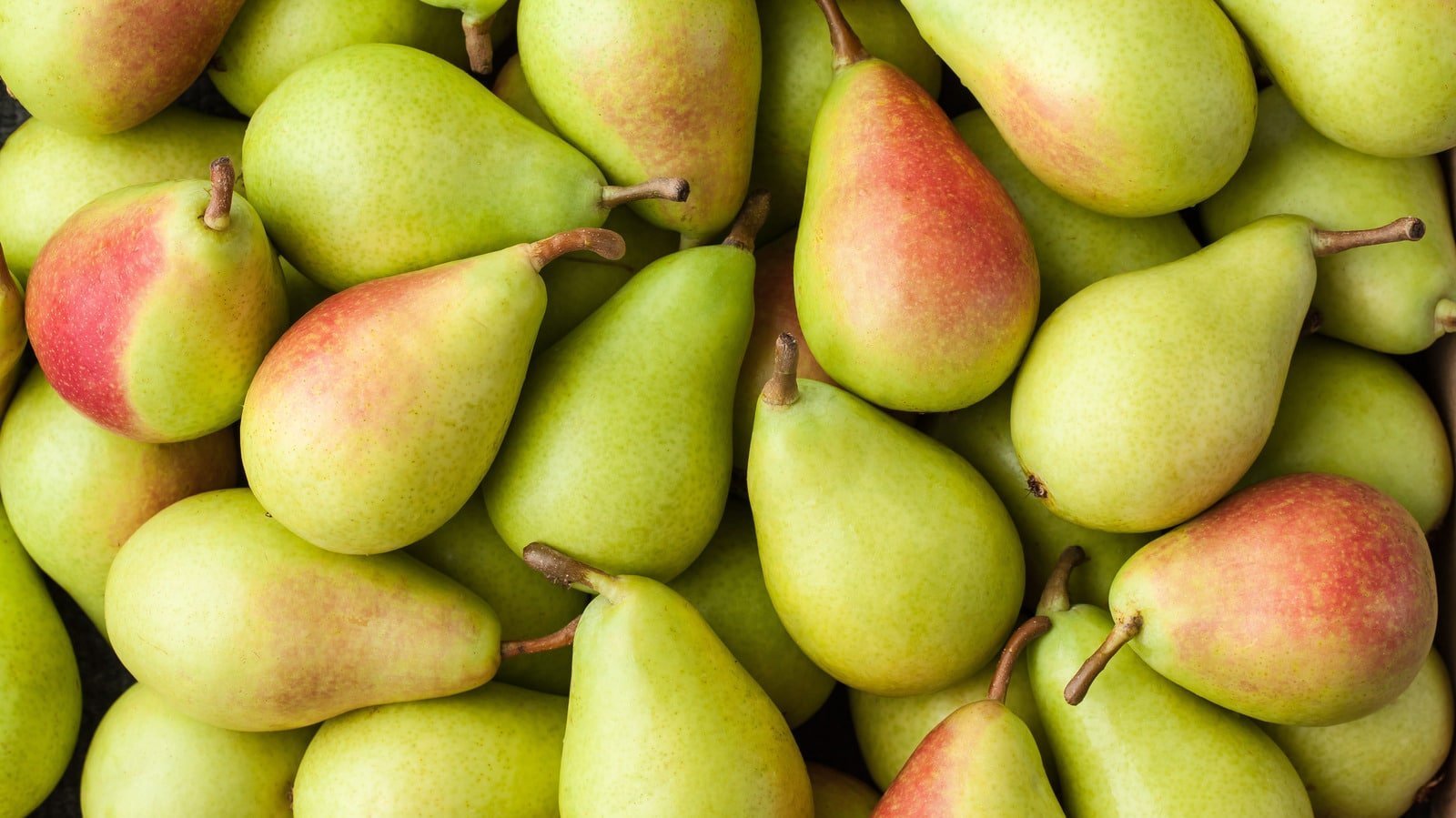
Yes, pears are good for you for most people, including many people managing diabetes, when portions fit the overall meal plan. Pears provide fiber, water, vitamin C, potassium, and plant compounds. Their natural sugars still count as carbohydrates, so serving size, ripeness, pairing, and glucose response matter.
This article focuses on practical use. It explains how pears affect blood sugar, how they compare with other fruits, when to be cautious, and how to choose fresh or canned pears without turning a healthy food into a high-sugar dessert.
Key Takeaways
- Low glycemic choice: Pears often fit diabetes-aware meals.
- Fiber helps: The skin adds satiety and gut support.
- Portions matter: One small or medium pear is usually practical.
- Labels count: Choose canned pears without heavy syrup.
- Individual response varies: Check glucose patterns when needed.
Why Pears Can Fit a Diabetes-Friendly Plate
Pears can fit a diabetes-friendly eating pattern because they combine carbohydrate with fiber and water. One medium pear usually provides about 5 to 6 grams of fiber, much of it from the skin. That fiber slows digestion and may help soften the rise in blood glucose after eating.
The main carbohydrate in pears comes from natural fruit sugars. These sugars are not the same as added sugar, but they still affect glucose. That is why a whole pear is usually a better choice than pear juice. Juice removes much of the fiber and makes it easier to drink more carbohydrate quickly.
Most whole pears fall in a low-to-moderate glycemic range. Glycemic index is a ranking of how quickly a food can raise blood sugar compared with a reference food. It is useful, but incomplete. The amount eaten and the rest of the meal often matter more than the number alone. For broader fruit context, see Low GI Fruits.
Why it matters: A low glycemic food can still raise glucose if the portion is large.
If you count carbohydrates, diced pear can be easier to measure than a whole fruit of variable size. A carb-serving calculator can help you compare total carbohydrate against your usual serving target. It does not replace advice from your clinician or registered dietitian.
Carb Serving Calculator
Convert total carbohydrate grams into carb choices for meal planning and diabetes education.
These calculations are for education only and do not replace clinical advice, diagnosis, or treatment. Always confirm medical decisions with a qualified healthcare professional.
People using insulin or medicines that can cause hypoglycemia should be more careful with timing and consistency. If pears are replacing a different carbohydrate, compare portions rather than simply adding them to the meal. For a broader planning framework, read Fruits Good for Diabetics.
Pear Fruit Benefits Beyond Blood Sugar
The main pear fruit benefits come from fiber, hydration, and polyphenols. Polyphenols are plant compounds with antioxidant activity. They do not make pears a treatment for disease, but they are one reason whole fruit supports a nutrient-dense diet.
Digestive health is one of the clearest benefits. Pears contain soluble fiber, including pectin, which forms a gel-like texture during digestion. They also contain insoluble fiber, which adds bulk to stool. Together, these fibers may support regular bowel habits when fluid intake is adequate.
Pears may also support heart-healthy eating. Their fiber can contribute to LDL cholesterol management as part of a broader dietary pattern that includes vegetables, legumes, whole grains, and unsaturated fats. No single fruit protects the heart on its own, but pears can replace less nutritious sweets or snacks.
Some readers ask about pear benefits for skin, women, or men. The answer is less about separate effects by sex and more about general nutrition. Vitamin C supports normal collagen formation, fiber supports gut function, and water-rich foods can help overall dietary quality. These benefits apply broadly, while individual needs vary by age, activity, medications, pregnancy, and health conditions.
How Many Pears a Day Is Reasonable?
One small or medium pear per day can be reasonable for many adults. The better question is whether that pear fits your total carbohydrate target, digestive tolerance, and fruit variety across the week. Eating pears every day is not automatically harmful, but repetition can become a problem if it crowds out other fruits and vegetables.
For people with diabetes, a practical serving is often one small pear, one medium pear, or about one cup of sliced pear. Very large pears may contain more carbohydrate than expected. If you use a continuous glucose monitor or finger-stick checks, review your own post-meal pattern rather than relying only on averages.
Pairing can make the serving more satisfying. Try pear slices with plain Greek yogurt, cottage cheese, nut butter, or a small handful of nuts. These foods add protein or fat, which may slow stomach emptying and reduce hunger. Keep the add-ons modest if weight management is a goal.
Quick tip: Eat the skin when tolerated, since much of the fiber sits there.
If you often feel bloated after pears, reduce the portion or rotate with lower-FODMAP fruits. FODMAPs are fermentable carbohydrates that can trigger gas, cramps, or loose stools in some people with irritable bowel syndrome. Pears contain sorbitol and fructose, which can be difficult for sensitive guts.
Pears for Weight Loss, Evening Snacks, and Cravings
Pears may help weight management when they replace higher-calorie snacks and improve fullness. They are not a weight-loss food by themselves. The benefit comes from fiber, chewing time, water content, and the ability to satisfy a sweet taste without added sugars.
If you are asking whether pears are good for weight loss, compare the whole snack. A pear with protein may be more filling than a pear alone. A pear baked with sugar, pastry, or syrup can become a dessert with a very different nutrition profile.
The best time to eat pear for weight loss is the time that helps you stay consistent. Some people prefer fruit with breakfast. Others use it as an afternoon snack. A pear at night can also fit, especially if it prevents grazing on sweets. If reflux, indigestion, or nighttime glucose swings occur, move the snack earlier or discuss patterns with your care team.
People taking diabetes or weight-management medications may notice appetite changes. In that setting, fruit can help maintain fiber intake, but portions still need structure. For more general fruit planning, see Fruit in a Diabetes-Friendly Diet.
Fresh, Canned, and Dried Pears
Fresh pears are usually the simplest choice because they provide fiber without added syrup. Wash them well, eat the skin if tolerated, and refrigerate ripe pears to slow softening. A firm pear may taste less sweet, while a very ripe pear can be easier to overeat.
Canned pears can also be useful when fresh fruit is unavailable. Choose pears packed in water or 100% juice when possible. Drain the liquid before eating. Heavy syrup adds concentrated sugar and can increase the meal’s glucose impact without improving fiber or micronutrients.
Dried pears are more concentrated. They can be convenient, but small portions contain more carbohydrate than they appear to. Check labels for added sugar and sulphites if you are sensitive. People who snack from the bag may find it harder to stop at one serving.
Fruit cups, smoothies, and sweetened pear sauces need more label attention. Smoothies can be especially tricky because blending makes it easy to combine multiple fruit servings. If you are building a diabetes-aware snack, compare pear choices with other options in Fruits for Diabetics to Avoid, which focuses on portions and preparation rather than banning fruit.
Pears Benefits and Side Effects to Consider
Pears benefits and side effects depend on portion, digestive tolerance, and medical context. Most people tolerate pears well. The most common side effects are bloating, gas, loose stools, or abdominal discomfort, especially after large portions or dried fruit.
People with irritable bowel syndrome may react to pear’s sorbitol and fructose. In that case, symptoms can improve with smaller portions or different fruit choices. Do not use pears to treat constipation if you have severe pain, vomiting, blood in stool, or unexplained weight loss. Those symptoms need medical review.
Kidney disease is another situation that requires individual advice. Pears contain potassium, though they are not among the highest-potassium fruits. A small serving may fit many kidney meal plans, but potassium limits depend on kidney function, labs, medications, and dialysis status. A renal dietitian can help match fruit choices to your results.
Pregnancy can change digestion and insulin sensitivity. Pears may help with fiber intake during pregnancy, but people with gestational diabetes should follow their glucose targets and carbohydrate plan. Wash fruit carefully and pair it with protein if that improves glucose stability.
Pears are not known as a liver-cleansing food. They can support general dietary quality, but they do not detox the liver. People with liver disease, fluid restrictions, or complex nutrition needs should ask their clinician before making major diet changes.
Are Pears Healthier Than Apples or Bananas?
Pears, apples, and bananas can all be healthy choices. None is the single best fruit for everyone. The better choice depends on your glucose response, potassium needs, fiber goals, taste, and what you are replacing.
Pears and apples are similar in several ways. Both provide fiber, water, and plant compounds. Pears may contain slightly more fiber per medium fruit, while apples are often easier for some people to tolerate. If you like both, rotating them adds variety. For a closer look at apples in diabetes meal planning, see Apples and Diabetes.
Bananas differ because ripeness changes their starch and sugar profile. A ripe banana may raise glucose differently than a pear for some people. Bananas also provide more potassium, which can be useful for many people but may require caution in advanced kidney disease.
Instead of searching for the number one healthiest fruit, choose a range of whole fruits. Berries, citrus, apples, pears, peaches, and melon can all fit different needs. The most helpful fruit is often the one you enjoy, tolerate, and can portion consistently.
Simple Ways to Add Pears Without Spiking Sugar
Small changes can make pears easier to include in a balanced pattern. These steps are not strict rules. They are practical checks that help you keep the benefits while reducing common problems.
- Measure once: Learn your usual pear size.
- Keep the skin: Use the fiber unless it bothers digestion.
- Pair wisely: Add protein or fat for fullness.
- Watch liquids: Avoid pear juice as a routine swap.
- Read labels: Choose water-packed canned pears.
- Rotate fruit: Mix pears with berries, citrus, or apples.
If glucose rises more than expected, review the whole meal. Bread, cereal, sweetened yogurt, dessert, or large portions may contribute more than the pear. If highs or lows repeat, discuss your logs with a clinician or registered dietitian, especially if you use insulin or sulfonylurea medicines.
Readers who want broader diabetes navigation can browse the Diabetes Articles collection. If you are looking for condition-related product categories, the Diabetes Condition page is a browsable resource, not a substitute for clinical guidance.
Authoritative Sources
For nutrient values by pear type and serving size, use the USDA FoodData Central database. It provides searchable nutrition data for fresh, canned, and prepared foods.
For general diabetes nutrition principles, the American Diabetes Association nutrition section explains carbohydrate awareness, balanced meals, and fruit within diabetes care.
For kidney-related potassium context, review the National Kidney Foundation potassium resource, then individualize choices with your care team.
Recap
Are Pears Good For You is a fair question, especially if you manage blood sugar. For most people, pears are a nutritious whole fruit with fiber, water, and useful micronutrients. They work best in modest portions, eaten whole, and paired with protein or fat when that improves satiety.
Use extra caution if you have advanced kidney disease, gestational diabetes, significant digestive symptoms, or medication-related hypoglycemia. In those cases, personal glucose data and clinical guidance matter more than general fruit rankings.
This content is for informational purposes only and is not a substitute for professional medical advice.