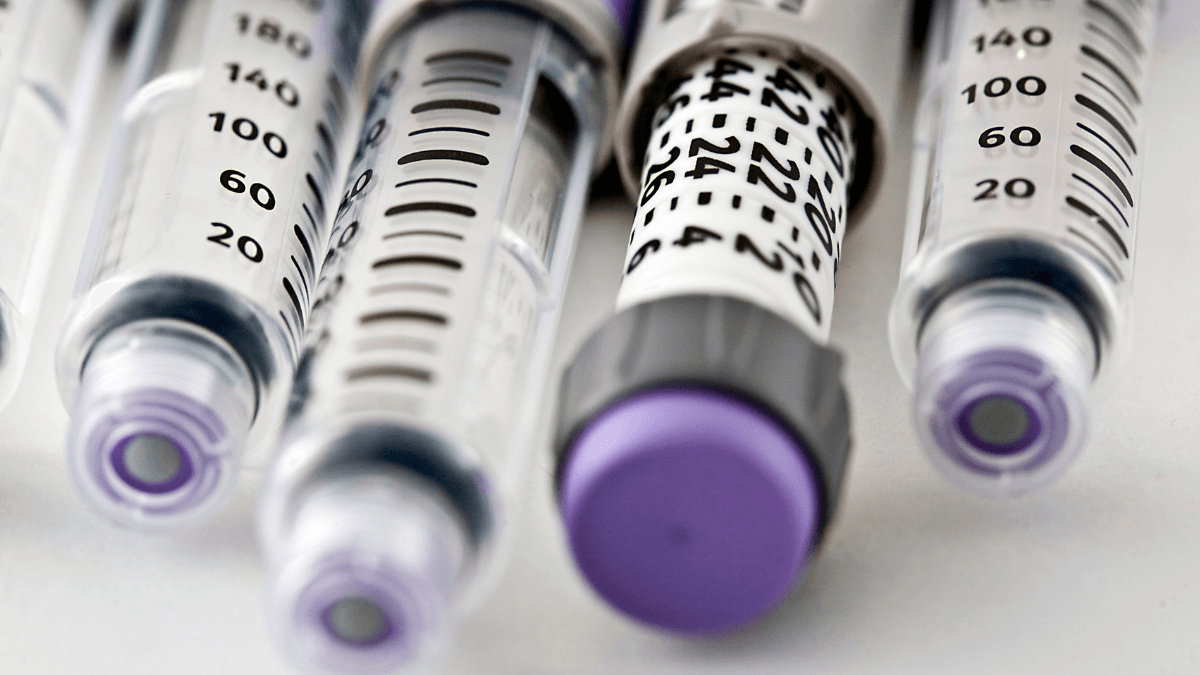
Understanding basal insulin (long-acting background insulin) helps reduce daily variability. This guide focuses on lantus vs levemir duration of action, practical dosing patterns, and safe switching principles. We compare pharmacology in plain language and outline considerations for special groups. Use this as context for informed discussions with your care team.
Key Takeaways
- Duration patterns differ: one often lasts a full day, the other may not.
- Dosing schedules can be once or twice daily based on response.
- Switching requires careful monitoring, especially overnight and fasting.
- Weight, hypoglycemia risk, and lifestyle influence the better fit.
Lantus vs Levemir Duration of Action
Lantus (insulin glargine U-100) is designed to provide a flat, 24-hour profile in many users. Some people still see tail-off before the next dose. Levemir (insulin detemir) often lasts shorter at lower doses and may extend with higher units. These patterns matter because gaps can raise fasting glucose by morning or late afternoon.
Formulation differences explain part of the spread. Glargine precipitates in subcutaneous tissue and slowly dissolves. Detemir binds to albumin, which moderates release. Individual factors alter both, including dose size, site of injection, and body weight. Labels recognize variability and allow flexible timing windows where appropriate. For detailed parameters and cautions, see the insulin glargine prescribing information (FDA-approved label for glargine). Comparable details for detemir appear in the Novo Nordisk insert (detemir prescribing information).
Pharmacology and Profiles: What Differs Clinically
Insulin glargine forms micro-precipitates at physiologic pH, then releases slowly. This supports a steadier, peakless action in many adults. Insulin detemir uses fatty-acid side-chain binding to albumin. This can shorten or lengthen effect depending on dose and tissue differences. Neither mechanism guarantees an exact clock time for everyone.
In practice, clinicians look at fasting glucose, overnight trends, and daytime stability. If a single daily dose does not cover 24 hours, a split schedule may help. Conversely, if hypoglycemia clusters at a consistent time, adjusting timing or dose may reduce lows. We discuss biosimilar glargine options in Basaglar, which can mirror these properties for many patients; for context on biosimilar glargine comparisons, see Basaglar vs Lantus for label and device nuances.
Dosing and Conversions in Practice
Basal titration aims for stable fasting values without frequent lows. Daily timing should be consistent, with adjustments guided by patterns across several days. When comparing schedules, levemir vs lantus dosing often differs, because detemir may need twice-daily use in some adults. Glargine commonly succeeds once daily but is sometimes split for stability.
Any conversion needs a cautious approach. Consider total daily dose, mealtime insulin balance, and hypoglycemia history. Keep other variables steady during the first week after a switch. If your routine or meals change, isolate one variable at a time to understand the effect. For a broader decision framework about choosing a basal, see Choosing the Right Insulin, which outlines patient-centered factors.
Planning a Switch: Timing and Monitoring
Initial conversions should aim for safety first. Some clinicians start near the current basal total and then adjust by small steps. People switching detemir to glargine may wonder about a levemir to lantus conversion 1:1. Labels and clinical practice allow close starting points, but real needs vary by dose and schedule. Track fasting and overnight glucose closely for the first several days.
Consider timing overlap. If detemir was twice daily, the move to once-daily glargine may shift the low-risk window. Plan the first glargine dose to avoid gaps. Use alarms or reminders the first week. Document readings and hypo symptoms. Share consistent logs with your clinician before making changes.
Safety and Interactions
People often ask if are lantus and levemir interchangeable. They serve the same basal role but are not identical. Differences in duration and absorption can change timing needs. Treat them as distinct options that require new monitoring after a switch. Do not take both together unless your clinician specifically prescribes a transition plan.
Drug interactions are uncommon but can exist. For example, changes in kidney function, steroids, or new meal timing can alter basal needs. Rotate injection sites to reduce lipodystrophy (fat tissue changes). If nocturnal hypoglycemia appears, reduce dinner bolus, adjust basal, or move timing with professional guidance. For device and cartridge specifics that influence technique, see Lantus Cartridge Guide for priming and handling steps.
Special Populations and Outcomes
Weight effects are a frequent concern. Evidence suggests modest differences may occur, but individual behavior and total insulin exposure dominate. Studies comparing levemir vs lantus weight gain show small variations that may not drive choice alone. Focus on dose efficiency, hypoglycemia avoidance, and meal planning. Record changes over months rather than days.
Pregnancy, adolescence, and older age require tailored plans. Some data support detemir use in pregnancy based on randomized trials, while glargine has observational support. Discuss which option aligns with your obstetric and endocrine care. Adolescents with variable schedules may benefit from flexible timing and closer follow-up. Older adults may prioritize lower hypoglycemia risk and simpler regimens. For storage and stability details that affect supply planning, see Lantus Vial Stability for temperature and in-use periods.
Comparing Alternatives
Ultra-long options and concentrated formulations may fit specific needs. When considering levemir vs tresiba, the ultra-long profile of degludec can improve flexibility for some users. Toujeo (glargine U-300) offers another glargine option with a distinct release curve. These choices may smooth peaks and reduce missed-dose impact.
To explore how ultra-long or concentrated basals compare with detemir and glargine, see Tresiba vs Levemir for duration and timing insights, and Toujeo vs Levemir for dose and device differences. For concentrated glargine fundamentals, the Toujeo Insulin Overview explains mechanism and clinical positioning. If you also consider biosimilar glargine, Tresiba vs Basaglar adds perspective on cross-class comparisons.
Cost and Access
List prices and coverage vary by plan and region. Patient assistance programs and biosimilars can improve affordability. Discussions about lantus vs levemir cost should include co-pays, device preference, and refill logistics. If one option requires twice-daily dosing, total monthly units may increase. Factor that into your annual budget and travel planning.
Supply form also matters. Some users prefer pens for accuracy and convenience. Others prefer vials and syringes for fine dose control. Check your insurance formulary and pharmacy inventory before switching. For pen device and usage specifics that influence costs, consult the Lantus Cartridge Guide for storage and pen changes.
Tools and Planning
Many people search for an insulin conversion calculator to simplify switching. These tools can provide ballpark estimates but cannot replace clinical judgment. They ignore meal timing, exercise, and individual absorption. Use any output only as a starting discussion point with your clinician.
Keep organized logs for 7–14 days after a switch. Include fasting, pre-meal, and overnight checks or continuous glucose trends. Note hypoglycemia symptoms and corrective carbohydrates. Simplify your routine during the transition to isolate the basal effect. For broader context on lifestyle and treatment choices, our Type 2 Diabetes hub curates related guides and comparisons for reference.
Related Options and When to Consider Them
Some adults benefit from ultra-long basal insulin for irregular schedules. Others prefer concentrated pens to reduce volume per dose. If morning hyperglycemia persists despite otherwise steady control, consider timing shifts or a split basal under supervision. Those with frequent nocturnal lows may need a lower dose or a formulation with a gentler profile. Explore alternatives and their device platforms for practical fit before changing therapy.
Note: Small dose differences can have large effects over 24 hours. Make adjustments cautiously and only with professional guidance.
This content is for informational purposes only and is not a substitute for professional medical advice.