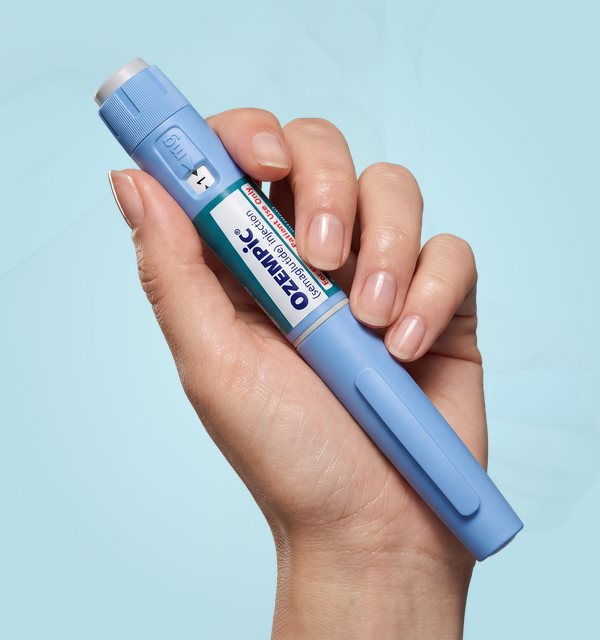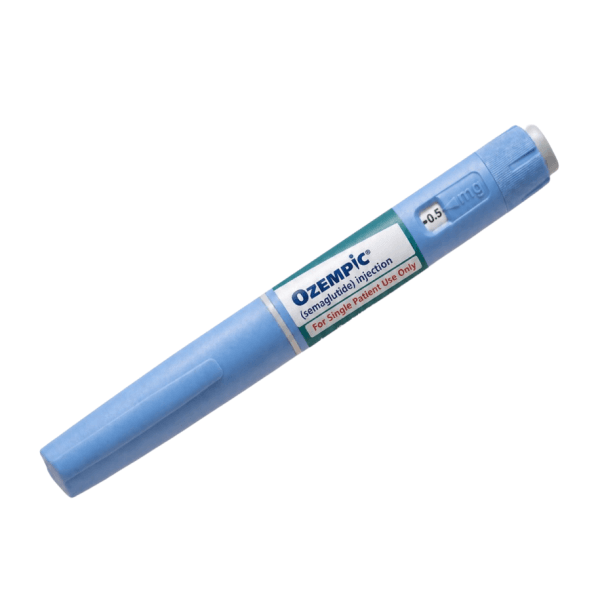


Ozempic weight loss can happen because semaglutide may reduce appetite, increase fullness, and slow how quickly food leaves the stomach. But Ozempic is approved for type 2 diabetes care, not as a casual body-change shortcut. Weight change is one possible effect, and the trade-offs include stomach symptoms, warning signs, cosmetic volume loss, and possible regain after stopping.
Why it matters: The safest conversation starts with fit, not a target number.
Key Takeaways
- Ozempic is semaglutide: it belongs to the GLP-1 receptor agonist drug class.
- Weight response varies: a fixed timeline for losing a set amount is unrealistic.
- Stomach effects are common: nausea, vomiting, diarrhea, constipation, reflux, and bloating can occur.
- Appearance changes can happen: “Ozempic face” and “Ozempic butt” usually describe fat or volume loss during weight reduction.
- Stopping can change appetite: weight regain is possible without a longer maintenance plan.
How Semaglutide Fits Into Weight and Diabetes Care
Semaglutide acts like GLP-1, a gut hormone involved in appetite, fullness, insulin release, and post-meal blood sugar control. In plain terms, many people feel full sooner and have less interest in snacking. The same stomach-slowing effect can also make rich meals, large portions, and fast eating harder to tolerate.
That mechanism explains why people discuss Semaglutide Weight Loss Medication in weight management. It also explains why the decision should stay medical. Appetite change, blood sugar treatment, gastrointestinal tolerability, and long-term follow-up all interact.
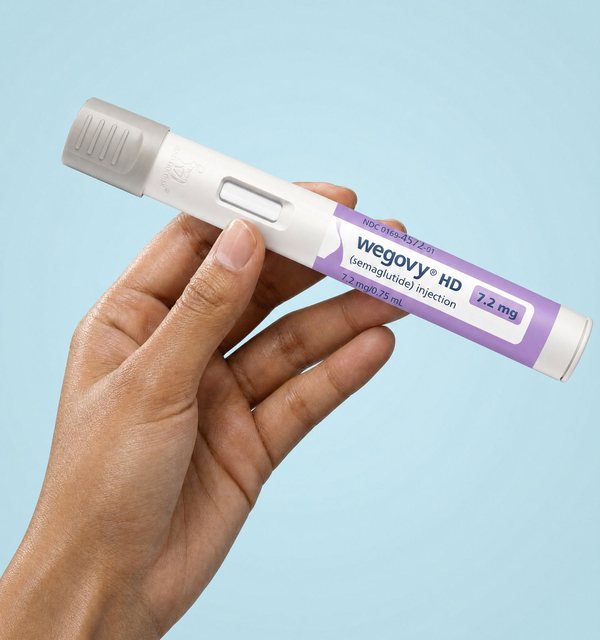
Ozempic is not the same as every semaglutide product or every incretin-based treatment. Some products are positioned around diabetes care, while others are used in chronic weight management. If you are comparing brand-level context, the Ozempic Semaglutide Pens page gives product background, and the Wegovy page gives related semaglutide product context. These pages should not replace prescriber guidance.
If diabetes is part of the reason for treatment, the clinical conversation becomes broader than weight alone. Blood sugar targets, other medications, kidney function, eye disease history, and hypoglycemia risk may matter. The Type 2 Diabetes condition collection can help you browse related treatment pages, but personal treatment decisions still belong with a qualified clinician.
Who May Need a More Careful Review First
People considering Ozempic for weight loss need a careful review when the goal is unclear, the expected timeline is aggressive, or the main goal is cosmetic. A prescriber may also pause when digestive symptoms, nutritional risk, pregnancy plans, or other medications could change safety.
Important history often includes pancreatitis, gallbladder disease, severe reflux, repeated vomiting, dehydration-related kidney problems, diabetic retinopathy (diabetes-related eye disease), and thyroid cancer syndromes. A personal or family history of medullary thyroid carcinoma or multiple endocrine neoplasia syndrome type 2 is especially relevant because semaglutide labels carry thyroid C-cell tumor warnings.
Other diabetes medicines also matter. If semaglutide is combined with insulin or sulfonylureas, the chance of low blood sugar may change. No one should adjust or stop medication without prescriber direction.
- Unclear goal: weight alone rarely tells the full health story.
- Current nausea: baseline stomach symptoms may worsen.
- Low intake: appetite reduction can become excessive.
- Frailty risk: rapid loss may reduce strength.
- Pregnancy plans: medication timing needs clinician review.
- Multiple diabetes drugs: hypoglycemia planning may be needed.
Prescription details may need prescriber confirmation before referral can proceed. Dispensing and fulfilment, where permitted, are handled by licensed third-party pharmacies rather than by the editorial content itself.
Side Effects and Warning Signs to Take Seriously
Ozempic side effects most often involve the stomach and bowel. Nausea, vomiting, diarrhea, constipation, abdominal discomfort, burping, bloating, reflux, and reduced appetite are commonly discussed. These symptoms may improve over time for some people, but they can also disrupt hydration, sleep, work, and nutrition.
Ozempic weight loss side effects can be confusing because appetite suppression may feel helpful at first. The problem starts when reduced intake becomes too low, fluids are hard to keep down, or constipation becomes painful. Fatigue, dizziness, or weakness can follow if meals and fluids drop sharply.
Common effects people report
- Nausea and fullness: often worse after large meals.
- Vomiting or diarrhea: dehydration can build quickly.
- Constipation and bloating: scale progress can look stalled.
- Reflux or burping: slower stomach emptying may contribute.
- Low appetite: helpful for some, too strong for others.
Some concerns are not routine side effects. Severe or persistent abdominal pain, repeated vomiting, inability to keep fluids down, allergic symptoms, fainting, chest pain, sudden vision changes, or severe weakness need prompt medical review. People with diabetes should be especially cautious about vision changes and low blood sugar symptoms.
Questions about Ozempic heart side effects also come up. Semaglutide products have been studied in people with type 2 diabetes and cardiovascular risk, but an individual’s heart symptoms should never be assumed to be medication-related or harmless. Chest pain, fainting, shortness of breath, or sudden severe weakness needs urgent care.
Longer-term risks and monitoring questions
Long-term side effects of Ozempic for weight loss are harder to discuss in a single rule because risk depends on the person, dose plan, diagnosis, and time on therapy. Label-backed concerns include pancreatitis, gallbladder disease, kidney injury related to dehydration, serious allergic reactions, and diabetic retinopathy complications in some people with diabetes.
That does not mean these problems will happen to most users. It means the decision should include monitoring, symptom education, and a plan for what to do if eating or drinking becomes difficult. If you want a deeper safety-focused read, see Long-Term Side Effects of Ozempic and Ozempic Safety Guide.
Body-Change Concerns: Face, Butt, and Muscle
“Ozempic face” and “Ozempic butt” are informal terms, not official diagnoses. They usually describe visible loss of facial or gluteal volume during overall weight loss. Similar changes can happen with other forms of weight reduction, especially when weight drops quickly or lean mass is not protected.
Signs people may notice include a more hollow-looking face, deeper skin folds, looser skin, or a flatter buttock shape. These changes do not prove that the drug has uniquely damaged the skin or fat tissue. They often reflect reduced fat stores, age-related skin elasticity, starting body composition, and the pace of weight change.
Ozempic side effects in females are often discussed online because appearance changes may be more visible or more socially scrutinized. However, most routine label-listed side effects are not framed as female-specific. Body size, hormones, muscle mass, nutrition, and strength training habits can influence how weight loss looks and feels in any person.
There is no guaranteed way to avoid cosmetic volume loss. A slower, supervised pace, adequate protein, resistance exercise, sleep, hydration, and attention to nutrition may help protect lean mass. These steps still cannot promise that skin or facial volume will look unchanged.
Quick tip: Track strength, meals, hydration, and symptoms alongside scale weight.
What to Expect in the First Weeks
The first weeks are usually about tolerability, not a dramatic number on the scale. Semaglutide is commonly started at a lower amount and increased gradually under prescribing guidance, which is one reason early weight change varies. Some people notice appetite change quickly, while others see little movement at first.
Many readers ask how long it takes to lose 20 pounds on Ozempic. There is no reliable universal timeline. Starting weight, calorie intake, constipation, fluid shifts, sleep, activity, other medicines, dose escalation, and adherence all affect the trend. A fast early drop can reflect low intake or fluid loss, not necessarily sustainable fat loss.
People also ask whether they can lose weight in the first month. Some can, but first-month results are not a dependable preview of long-term response. The more useful early signs are whether you can eat enough protein-containing foods, drink fluids, function normally, and tolerate the treatment plan.
The calculator below can help track weight change and percentage progress toward a goal. It is a general tracking tool, not a predictor of medication response or a substitute for clinical advice.
Weight-Loss Progress Calculator
Track percentage body-weight change and progress toward a target weight.
These calculations are for education only and do not replace clinical advice, diagnosis, or treatment. Always confirm medical decisions with a qualified healthcare professional.
Why progress may feel slow
A slow start does not always mean the medication is failing. Constipation can mask scale change. Liquid calories can add up. Nausea may lead some people to graze on bland, calorie-dense foods. Sleep loss and reduced activity can also work against progress.
If you are reviewing a short-term planning framework, 6 Week Ozempic Results focuses on tracking progress without promising a fixed outcome. Use any timeline as a discussion aid, not as a guarantee.
Food Tolerance, Habits, and Plateaus
There is no official universal list of Ozempic foods to avoid, but some choices are harder to tolerate. Large meals, greasy foods, rich desserts, excess alcohol, carbonated drinks, and foods that worsen reflux can make nausea, burping, or bloating worse for some people.
Smaller meals, slower eating, plain protein choices, fiber as tolerated, and steady fluids may be easier. People with diabetes, kidney disease, gastroparesis (slow stomach emptying), eating disorder history, or medication-related low blood sugar risk should get individualized nutrition guidance.
- Large portions: fullness can turn uncomfortable.
- Greasy foods: nausea may worsen.
- Heavy alcohol use: dehydration risk can rise.
- Fast eating: fullness signals may lag.
- Liquid calories: progress can stall quietly.
If you are not losing weight on Ozempic, start with the basics before assuming failure. Ask whether you are still early in dose escalation, missing doses, constipated, sleeping poorly, less active, drinking calories, or eating around nausea. Other medicines can also affect appetite, water balance, and weight.
For broader reading across related topics, the Weight Management article collection may help you compare safety, tracking, and medication-context topics.
Stopping, Regain, and Other Options
Weight regain after stopping can happen because appetite and food cues may return when semaglutide is withdrawn. Regain does not automatically mean treatment failed. It often reflects that obesity and metabolic disease can be chronic conditions requiring ongoing support.
Some people may stay on a medication long term, while others stop because of side effects, pregnancy planning, cost, supply, changing goals, or prescriber recommendation. There is no single answer to whether someone “has to” stay on it forever. The better question is what maintenance plan fits if treatment continues, pauses, or stops.
That plan may include nutrition support, strength training, sleep work, blood sugar monitoring when relevant, and follow-up visits. If semaglutide is being considered outside diabetes care, Ozempic in Non-Diabetics covers decision factors specific to that situation.
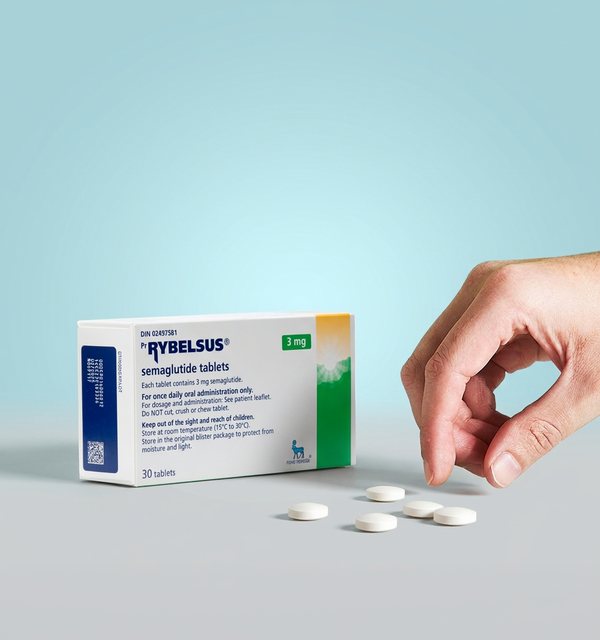
Other options may differ by active ingredient, route, schedule, indication, and side-effect profile. Oral semaglutide, daily injectable liraglutide, and other weight-management products are not interchangeable without clinician review. For navigation, you can compare product formats such as Rybelsus Semaglutide Pills and Saxenda.
Some patients explore cash-pay options or cross-border fulfilment depending on eligibility and jurisdiction. That access question is separate from whether a medication is clinically appropriate.
Questions to bring to a visit
- Main goal: weight, blood sugar, or both?
- Label status: on-label or off-label here?
- Risk history: which warnings apply to me?
- Side effects: what should prompt urgent care?
- Nutrition plan: how do I protect strength?
- Medication review: could other drugs need adjustment?
- Exit plan: what happens if I stop?
Ozempic weight loss is best understood as one possible effect of a diabetes medication, not a simple shortcut. The useful decision is whether the benefits, risks, monitoring needs, and long-term plan fit your health situation.
Authoritative Sources
- For official semaglutide safety and warning details, see MedlinePlus on Semaglutide Injection.
- For label-backed prescribing information, review the FDA Ozempic Prescribing Information.
- For broader context on prescription obesity medicines, see NIDDK on Weight-Loss Medicines.
This content is for informational purposes only and is not a substitute for professional medical advice.