
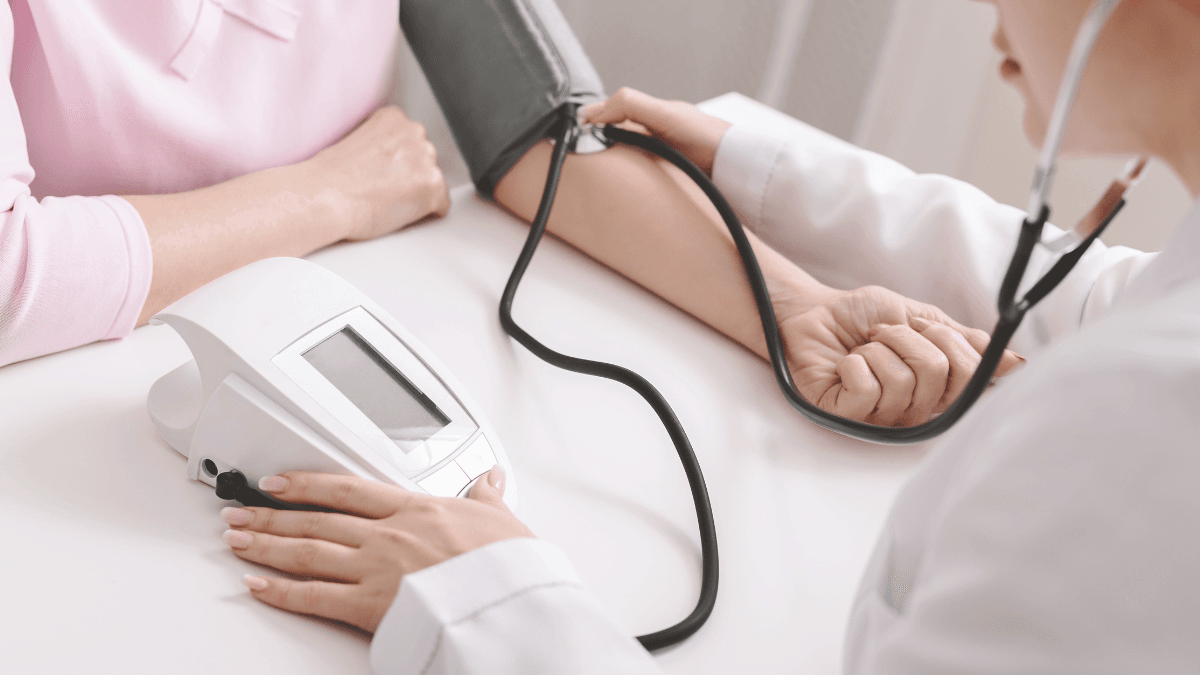
Low blood pressure can happen even when someone has a history of high blood pressure. In hypertension and diabetes, a low reading usually means blood pressure is lower than your body tolerates at that moment, not that either condition has resolved. Medicines, dehydration, nerve changes, illness, reduced food intake, or recent weight loss can all shift readings downward. The concern is not the number alone. Dizziness, fainting, falls, confusion, and reduced blood flow to vital organs can make a low pattern unsafe.
Key Takeaways
- Diabetes and high blood pressure often overlap, especially in type 2 diabetes.
- A low reading matters most when symptoms, standing changes, or repeated lows appear.
- Do not stop prescribed blood pressure or diabetes medicines without clinical guidance.
- Home logs are more useful when they include time, posture, symptoms, food, fluids, and glucose values.
- Urgent symptoms need prompt medical assessment, even if the reading looks only mildly low.
Why Hypertension and Diabetes Can Still Lead to Low Blood Pressure
Diabetes and high blood pressure often travel together for practical biological reasons. Type 2 diabetes is closely tied to insulin resistance, excess weight, blood vessel stiffness, kidney stress, and inflammation. These same factors can make blood pressure rise over time. Type 1 diabetes can also be linked with high blood pressure, especially when kidney disease or long diabetes duration is present.
The link is not one-way. High blood pressure does not directly turn into diabetes, and diabetes does not always cause high blood pressure. They share risk factors and can worsen the same organs, especially the heart, brain, kidneys, eyes, and blood vessels. That is why clinicians often manage glucose, blood pressure, cholesterol, kidney health, and lifestyle together rather than treating each number in isolation.
Low blood pressure can still appear during treatment. A person may have a long history of high readings, then develop dizziness after a medication change, a stomach illness, hot weather, reduced fluid intake, or weight loss. In diabetes, autonomic neuropathy (nerve damage affecting automatic body functions) can also reduce the body’s ability to tighten blood vessels when standing.
Type 2 Diabetes and Hypertension Patterns
Type 2 diabetes and hypertension often develop slowly. Blood pressure may be high for years before symptoms appear. At the same time, glucose-lowering treatment, appetite changes, and lifestyle changes may alter food intake, salt intake, body weight, and fluid balance. Those changes can be helpful, but they can also make an older blood pressure plan too strong for the current situation.
For a broader care-plan view, see Managing Diabetes and Hypertension. Use it as background for visit preparation, not as a replacement for personal targets.
When a Low Reading Deserves Attention
A single low reading does not always mean danger. Many clinicians use 90/60 mmHg as a rough low blood pressure reference point. That number is not a diagnosis by itself. Some people naturally run lower and feel well. Others feel weak or dizzy at higher readings, especially after standing, eating, exercising, or losing fluid.
If you have diabetes, blood pressure goals are individualized. A clinic may discuss targets near or below 130/80 mmHg for some adults at higher cardiovascular risk, but lower is not always safer. Falls, fainting, kidney disease, pregnancy, autonomic neuropathy, older age, and medication-related side effects can all change the risk-benefit balance.
Patterns matter more than one isolated number. A reading that drops when you stand may suggest orthostatic hypotension, which means blood pressure falls after a position change. A reading that falls after meals may suggest postprandial hypotension. Both patterns can be more common when nerve signaling, hydration, meals, or medicines affect blood vessel tone.
Symptoms that can appear with low blood pressure include:
- Lightheadedness or dizziness, especially after standing.
- Fainting, near-fainting, or sudden weakness.
- Blurred vision or trouble focusing.
- Unusual fatigue, shakiness, or confusion.
- Nausea, cold skin, or sweating.
- Falls, unsteady walking, or new balance problems.
High blood pressure is different. It often causes no symptoms, even when readings are above goal. There is no reliable top 10 symptom list that can confirm high blood pressure at home. Severe headache, chest pain, shortness of breath, one-sided weakness, confusion, or vision loss should be treated as urgent warning signs, not as routine blood pressure symptoms.
Common Reasons Blood Pressure Drops in Diabetes Care
Low readings in diabetes care usually have more than one cause. The most useful question is often what changed recently. A medication adjustment, illness, reduced eating, more exercise, heat exposure, alcohol intake, or weight change can all shift blood pressure.
- Medication overlap: Blood pressure medicines, diuretics, nitrates, and some other drugs can lower pressure or increase fluid loss.
- Fluid loss: Vomiting, diarrhea, fever, sweating, or not drinking enough can reduce circulating volume.
- Autonomic neuropathy: Diabetes-related nerve damage can make standing blood pressure harder to regulate.
- Meal effects: Some people feel weak after larger meals because blood flow shifts toward digestion.
- Kidney or heart disease: These conditions can affect both pressure control and medication tolerance.
- Alcohol or heat: Both can widen blood vessels and increase the chance of dizziness.
Low blood sugar can also feel similar to low blood pressure. Sweating, shakiness, weakness, and confusion may occur with hypoglycemia, especially in people using insulin or medicines that increase insulin release. That overlap is one reason glucose readings and blood pressure readings are more useful when recorded together.
Why it matters: Low blood sugar and low blood pressure can feel similar, but they need different responses.
Do not guess which medicine caused the change. Bring the full medication list, including over-the-counter drugs and supplements, to a clinician or pharmacist. Include timing, missed meals, illness, alcohol, exercise, and recent dose changes if any occurred.
Home Monitoring for Hypertension and Diabetes Patterns
Home readings help most when they show a pattern. A clinician can interpret repeated morning, evening, sitting, standing, and symptom-linked readings better than one number taken during panic or discomfort.
Use a consistent routine when possible:
- Rest quietly for five minutes before checking.
- Use the same validated cuff and arm.
- Sit with feet flat and back supported.
- Record the time, posture, and symptoms.
- Note food, fluids, alcohol, exercise, and illness.
- Write down glucose values when symptoms overlap.
When several readings are available, an average often tells a clearer story than one outlier. This calculator can help average multiple blood pressure readings for discussion with a clinician; it does not interpret your health status.
Blood Pressure Average Calculator
Average home blood pressure readings and show a simple screening range.
These calculations are for education only and do not replace clinical advice, diagnosis, or treatment. Always confirm medical decisions with a qualified healthcare professional.
Ask your clinician which readings to repeat and when to call. For example, some people are asked to repeat a surprising value after resting, while others need earlier review because of kidney disease, pregnancy, fainting, or a history of heart problems.
Home monitoring should not become a cycle of constant checking. If repeated measurements make anxiety worse, bring that up. A structured schedule may provide better information than frequent unplanned checks.
Lowering Blood Pressure and Glucose Without Overshooting
Lowering high blood pressure and blood sugar safely is usually about steady habits and coordinated care, not aggressive restriction. The goal is to reduce long-term risk without causing dizziness, falls, dehydration, hypoglycemia, or poor nutrition.
Practical areas to review include:
- Food pattern: Emphasize balanced meals with protein, fibre, and mostly minimally processed foods.
- Carbohydrate awareness: Match carb choices to your glucose plan and medication context.
- Sodium intake: Discuss salt goals, especially if you have kidney disease or take diuretics.
- Activity: Build movement gradually, and note dizziness during or after exercise.
- Weight changes: Avoid rapid restriction that leaves you weak or dehydrated.
- Sleep and tobacco: Poor sleep and smoking can worsen cardiovascular risk.
Food choices are personal. Some people use lower glycemic index foods to reduce post-meal glucose swings, while others need different plans because of kidney disease, gastroparesis, pregnancy, eating disorders, or medication-related hypoglycemia. For examples of fruit choices and label context, see Low GI Fruits.
Weight management may improve insulin resistance and blood pressure for some people, but it should not come at the cost of faintness or repeated low readings. The Diabetes Weight Loss resource gives broader context for weight and glucose care. Readers focused on insulin resistance may also find Lose Weight With Insulin Resistance useful for background discussion.
Some people search for the 10-10-10 rule for diabetics, but this is not a universal medical guideline. Repeated-number rules often come from local education programs, meal-planning shortcuts, or personal routines. Use only rules your diabetes care team has explained and documented for your situation.
Medicine Reviews When Readings Swing High and Low
For people managing hypertension and diabetes, medication review is often the safest next step when readings swing in both directions. The aim is not to blame one medicine. It is to match the current plan to kidney function, glucose patterns, heart risk, symptoms, age, fluid status, and daily routine.
Questions that can make the visit more productive include:
- Which medicines can lower blood pressure or increase fluid loss?
- Should readings be checked sitting, standing, or both?
- Could low glucose be causing similar symptoms?
- Do illness days require a special plan?
- What symptoms should trigger urgent assessment?
- When should medication changes be reviewed again?
Some diabetes medicines mainly affect glucose. Others can influence weight, appetite, fluid balance, or kidney-related decisions. If you are comparing diabetes medication classes, Invokana Drug Class explains where SGLT2 inhibitors fit in blood sugar care. Product or class pages can support background reading, but they do not replace prescribing guidance.
CanadianInsulin.com can help confirm prescription details with a prescriber where required, while licensed third-party pharmacies handle dispensing where permitted. The Diabetes Product Category is a browseable medication hub for navigation, not medical advice.
Do not stop, split, or restart medicines based only on an article or a single home reading. Sudden changes can worsen blood pressure, glucose, heart symptoms, or kidney strain. A clinician can decide whether the pattern needs monitoring, lab work, medication adjustment, or urgent evaluation.
When to Seek Medical Help
Low blood pressure symptoms need urgent care when they suggest reduced blood flow, injury, severe dehydration, heart strain, or a serious neurologic problem. Seek emergency assessment for fainting, chest pain, severe shortness of breath, confusion, one-sided weakness, new trouble speaking, severe dehydration, black or bloody stools, or symptoms after a fall.
Contact a clinician promptly for repeated dizziness, standing-related drops, new falls, low readings after medication changes, or symptoms during illness. Earlier review is especially important during pregnancy, with kidney disease, with heart disease, or when insulin or other glucose-lowering medicines make hypoglycemia possible.
High readings can also require urgent attention. Very high blood pressure with chest pain, severe headache, confusion, weakness, vision changes, or shortness of breath should not be managed by waiting for symptoms to pass. The same rule applies to glucose readings that are far outside your usual range, especially with vomiting, dehydration, or altered mental status.
Authoritative Sources
- American Diabetes Association Standards of Care for diabetes and cardiovascular risk management guidance.
- American Heart Association kidney and blood pressure overview for links between diabetes, kidneys, and high blood pressure.
- NIDDK diabetic neuropathy information for autonomic nerve problems that can affect blood pressure control.
If readings swing high and low, bring your blood pressure log, glucose records, medication list, illness history, and symptom notes to the next visit. For broader educational browsing, the Diabetes Articles category groups related posts without replacing individualized care.
This content is for informational purposes only and is not a substitute for professional medical advice.


