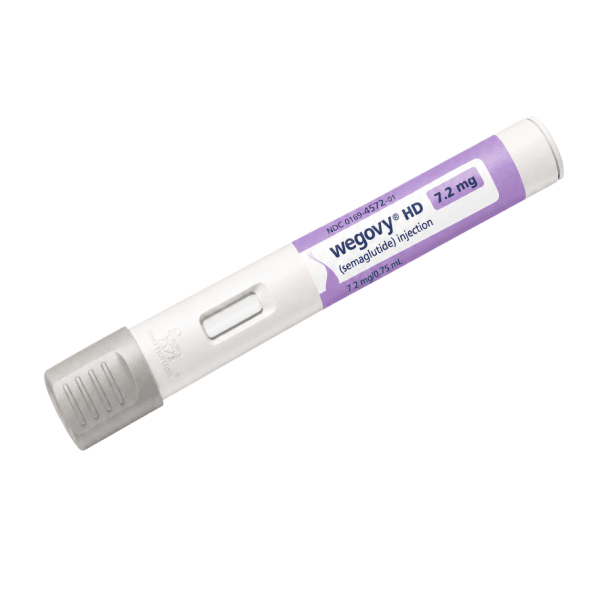


Retatrutide vs Semaglutide is mainly a comparison between an investigational medicine and approved semaglutide products. Retatrutide has shown strong weight-loss signals in clinical trials, but it is still being studied. Semaglutide has approved uses for type 2 diabetes and chronic weight management, depending on the product and jurisdiction. That difference matters because trial results, access, monitoring, and long-term safety certainty are not the same.
If you are comparing these medicines, the practical question is not only which one produced larger average results in studies. It is whether the medication is approved for the intended use, fits your health history, and can be monitored through a legitimate clinical pathway.
Key Takeaways
- Approval differs: Semaglutide products are approved for specific uses; retatrutide remains investigational in the evidence discussed here.
- Results need context: Retatrutide trial results look promising, but cross-trial comparisons can mislead.
- Side effects overlap: Digestive symptoms are common themes, while retatrutide’s full risk profile is still developing.
- Access matters: Retatrutide availability should be viewed cautiously outside legitimate research or future regulated pathways.
- Do not self-combine: Using retatrutide and semaglutide together is not a routine evidence-based approach.
Retatrutide vs Semaglutide: The Core Difference
The main difference is evidence maturity. Semaglutide is a glucagon-like peptide-1 receptor agonist, often shortened to GLP-1 receptor agonist. It has approved products, prescribing labels, and post-marketing safety experience. Retatrutide is a triple-receptor agonist that activates GLP-1, GIP, and glucagon receptors, but it is still in clinical development.
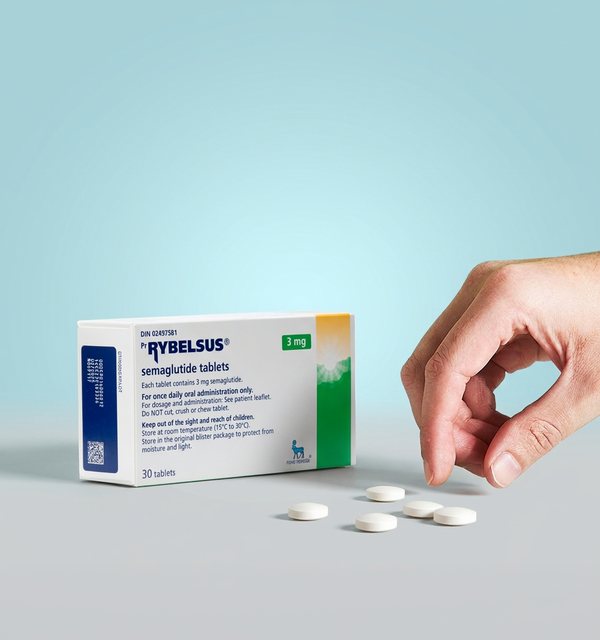
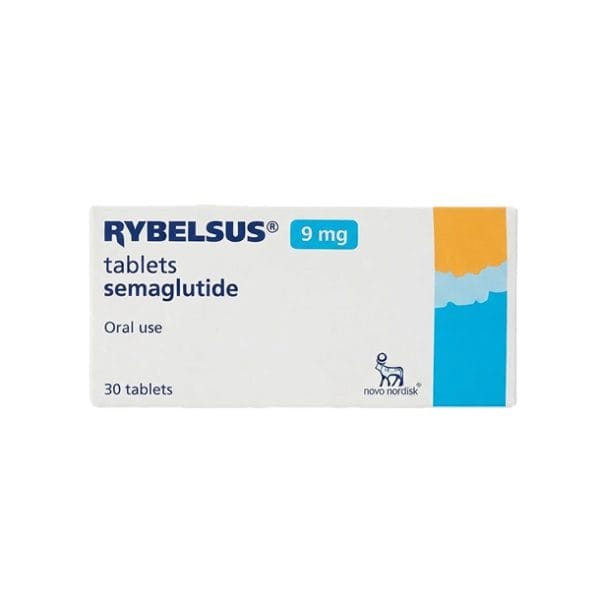
Semaglutide works through GLP-1 pathways involved in appetite, satiety, insulin release, and stomach emptying. For a deeper look at semaglutide’s role in weight care, see Semaglutide Weight Loss Medication.
Retatrutide is being studied because its three-receptor design may affect appetite and energy metabolism in broader ways. That does not make it an approved substitute for semaglutide. It means researchers are still testing where it may fit, who may benefit, and what risks appear with longer follow-up.
| Comparison factor | Semaglutide | Retatrutide |
|---|---|---|
| Regulatory status | Approved products exist for certain indications. | Investigational in the public evidence discussed here. |
| Main receptor action | GLP-1 receptor agonist. | GLP-1, GIP, and glucagon receptor agonist. |
| Evidence base | Large trials, product labels, and real-world use. | Clinical trials and ongoing research programs. |
| Routine access | Prescription-based when clinically appropriate. | Generally limited to legitimate research settings unless approval status changes. |
| Safety certainty | Known label warnings and contraindications. | Risk profile is still being defined. |
Why it matters: A larger research signal is not the same as a settled treatment option.
Weight-Loss Results Need Careful Interpretation
Retatrutide may produce larger average weight-loss signals than semaglutide in some trial settings, but that does not prove it is better for every person. Trials differ in dose schedules, study length, participant health histories, lifestyle support, and how side effects affect continuation.
Retatrutide vs Semaglutide weight-loss discussions often treat both medicines as equally available. They are not. Semaglutide has approved weight-management and diabetes uses under specific product labels. Retatrutide results should be read as research findings until regulators review complete data and any approved labeling exists.
Semaglutide also has more routine-care experience. Clinicians have label information, established warnings, and practical experience with missed doses, dose interruptions, side effects, and glucose monitoring. Retatrutide may eventually have a clearer role, but early trial promise can change as larger studies include more people and longer observation.
If you are tracking progress with a care team, percentage body-weight change can be more useful than pounds or kilograms alone. This calculator helps estimate weight change and progress toward a goal, but it does not determine eligibility or safety.
Weight-Loss Progress Calculator
Track percentage body-weight change and progress toward a target weight.
These calculations are for education only and do not replace clinical advice, diagnosis, or treatment. Always confirm medical decisions with a qualified healthcare professional.
Results also need body-composition context. Large weight changes can include fat mass and lean mass. Nutrition, resistance training, protein intake, hydration, medication side effects, and underlying disease all influence what weight loss means in practice. People with diabetes, kidney disease, gastroparesis, pregnancy, repeated low blood sugar, or an eating-disorder history should discuss targets with a clinician or registered dietitian.
Side Effects and Safety Signals
The most likely overlap between these medicines is gastrointestinal tolerability. Nausea, vomiting, diarrhea, constipation, reflux, abdominal discomfort, and reduced appetite are commonly discussed with incretin-based therapies. These symptoms can affect hydration, food intake, glucose patterns, and medication adherence.
Semaglutide prescribing information includes warnings for issues such as pancreatitis, gallbladder disease, dehydration-related kidney injury, increased heart rate, and low blood sugar when used with insulin or insulin secretagogues. Some semaglutide labels also include a boxed warning about thyroid C-cell tumors seen in rodents. People with a personal or family history of medullary thyroid carcinoma or multiple endocrine neoplasia syndrome type 2 should review label contraindications with a clinician.
Retatrutide side effects reported in research have also included digestive symptoms. Trial reports have monitored other measures, including heart-rate changes. Because retatrutide is investigational, rare or long-term adverse effects may become clearer only after larger studies and longer follow-up.
Seek urgent medical care for severe or persistent abdominal pain, repeated vomiting, dehydration, trouble breathing, swelling of the face or throat, fainting, or symptoms of severe low blood sugar. People using insulin or sulfonylureas need extra caution because lower appetite and reduced food intake can change glucose stability.
Who May Not Be a Candidate
Some people need extra screening before any GLP-1 based or related therapy is considered. This does not mean a medicine is always unsafe for them, but it does mean the risk-benefit review should be individualized.
Semaglutide may be inappropriate for people with label-listed contraindications, certain pregnancy or breastfeeding situations, or medical histories that raise concern for serious gastrointestinal, gallbladder, pancreatic, kidney, or mental health complications. People with diabetes also need medication review because insulin, sulfonylureas, and appetite changes can interact in clinically important ways.
For retatrutide, the answer is narrower. People should not treat it as a routine medication unless it has an approved, regulated pathway in their jurisdiction. Clinical trial eligibility can exclude participants based on medical history, current medications, pregnancy status, recent weight-loss treatment, or lab findings. Only a qualified trial team or clinician can interpret those criteria.
The practical Retatrutide vs Semaglutide question is therefore partly a safety question. A medicine that appears stronger in early research may still be the wrong option if it is unapproved, poorly monitored, or mismatched to a person’s health history.
How Tirzepatide Fits Into the Comparison
Tirzepatide helps explain why receptor targets matter, but receptor count alone does not rank medicines. Tirzepatide activates GIP and GLP-1 receptors. Retatrutide adds glucagon receptor activity. Semaglutide focuses on GLP-1 receptor activity.
That receptor pattern is why readers often compare semaglutide, tirzepatide, and retatrutide together. Still, clinical decisions depend on approval status, product labeling, side effects, diabetes treatment goals, cardiovascular risk, comorbid conditions, and patient preferences. A dual- or triple-receptor mechanism is not automatically safer or more appropriate.
For a focused comparison between approved incretin-based options, see Tirzepatide vs Semaglutide. For background on retatrutide as a research-stage treatment, see Retatrutide Research Peptide.
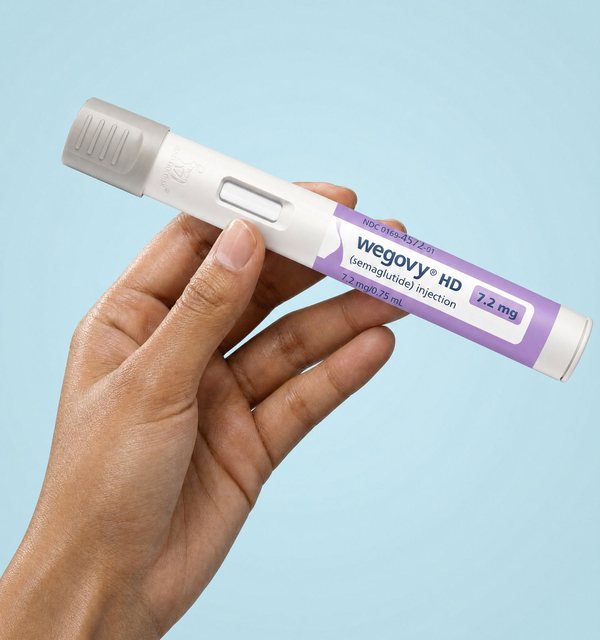
Mounjaro and Zepbound are tirzepatide products, not retatrutide. Ozempic and Wegovy contain semaglutide, but they have different labeled uses. These distinctions matter when interpreting online comparisons or social media claims.
Switching, Combining, and Monitoring Questions
Switching from semaglutide to retatrutide is not a standard routine-care step because retatrutide remains investigational in the evidence discussed here. In a clinical trial, switching rules may include washout periods, eligibility checks, lab monitoring, and adverse-event review.
Combining retatrutide and semaglutide together is also not a routine evidence-based approach. Both affect appetite and gastrointestinal function. Overlapping incretin effects could increase nausea, vomiting, dehydration, or glucose-management problems. No one should self-combine prescription, compounded, or research-labeled products.
If a clinician is reviewing obesity or diabetes treatment options, useful discussion points include:
- Current goal: weight management, diabetes care, or both.
- Medication history: prior GLP-1, GIP, insulin, or sulfonylurea use.
- Side-effect pattern: nausea, constipation, reflux, or dehydration.
- Safety history: pancreatitis, gallbladder disease, kidney disease, or thyroid cancer risk.
- Nutrition risk: low intake, muscle loss concerns, or eating-disorder history.
- Access pathway: approved prescription care versus research participation.
Quick tip: Bring your medication list and recent lab results to treatment discussions.
Access, Approval, and Legitimate Sources
Access is one of the biggest practical differences. Semaglutide products require a prescription and should be used according to their approved labeling and clinician guidance. Retatrutide availability claims should be treated cautiously unless they refer to legitimate clinical research or an approved product in a specific jurisdiction.
Some online sources use terms such as research peptide, compounded alternative, or over-the-counter GLP-1 loosely. These phrases can blur important safety and regulatory boundaries. For more context on access questions, see Retatrutide Access.
CanadianInsulin.com is a prescription referral platform. Where required, prescription details may be confirmed with the prescriber, and licensed third-party pharmacies handle dispensing and fulfilment where permitted. That service context does not change whether a medication is approved, appropriate, or clinically monitored.
For broader browsing, the Weight Management Articles category collects related educational content. The Weight Management Products category is a browsable product list, not a treatment recommendation.
How to Compare Better Results Without Overreading Trials
Better results depend on the outcome being measured. Weight loss is important, but clinicians may also consider A1C, blood pressure, lipids, cardiovascular risk, liver fat, tolerability, medication interactions, quality of life, and long-term maintenance.
For many readers, Retatrutide vs Semaglutide becomes a timing question. Semaglutide is a current option for some patients when an approved product fits the clinical goal. Retatrutide is a research-stage option with strong scientific interest but less settled clinical certainty.
A careful comparison should ask three questions. First, is the medicine approved and appropriate for the intended use? Second, does the person’s health history increase the risk of serious adverse effects? Third, is there a monitoring plan for nutrition, glucose, side effects, and longer-term maintenance?
That framework avoids two common errors. One error is assuming the newest drug is automatically best. The other is dismissing investigational research because it is not yet available for routine prescribing. Both views oversimplify the evidence.
Authoritative Sources
- FDA approval information for semaglutide chronic weight management: FDA semaglutide approval announcement.
- Published phase 2 obesity trial details for retatrutide: New England Journal of Medicine trial.
- Registered clinical trial listings for ongoing retatrutide research: ClinicalTrials.gov retatrutide listings.
In short, semaglutide has the stronger routine-care foundation today, while retatrutide remains a closely watched investigational option. Discuss any medication change with a qualified clinician, especially if you have diabetes, use glucose-lowering medicine, or have a complex medical history.
This content is for informational purposes only and is not a substitute for professional medical advice.