
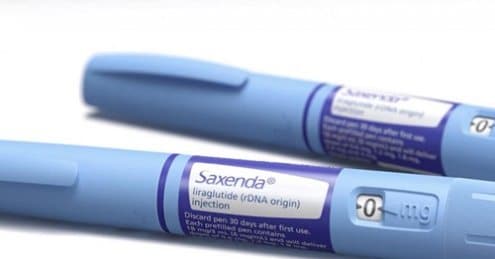
Saxenda is a daily liraglutide injection used for chronic weight management. This overview explains saxenda uses, clinical basics, dosing steps, and safety considerations in clear language. We include comparisons with other GLP-1 options, practical pen tips, and cost factors. Use this as a structured guide to discuss options with your clinician.
For broader context across GLP-1 weight therapies, see Weight Management for curated articles and program overviews.
Key Takeaways
- Who it’s for: Adults with obesity, or overweight with conditions.
- How it works: GLP-1 pathway reduces appetite and intake.
- Dosing plan: Gradual weekly titration to reduce nausea.
- Safety first: Watch GI effects, gallbladder, and thyroid warnings.
- Next steps: Compare options and align with lifestyle support.
Saxenda Uses: Who It’s For and When to Consider
Liraglutide (GLP-1 receptor agonist) is indicated for chronic weight management. Adults qualify with a body mass index (BMI) of 30 kg/m² or greater, or 27–29.9 kg/m² with weight‑related conditions such as hypertension, dyslipidemia, or type 2 diabetes. Some adolescents aged 12 and older may qualify under specific criteria when growth is complete and BMI is high for age.
These criteria align with regulatory labeling and clinical guidance. For indications, warnings, and contraindications, review the FDA prescribing information before starting therapy. If you are comparing daily versus weekly options, a structured overview in Saxenda vs Wegovy can help frame dose schedules and expected effects.
How Liraglutide Works and Evidence
Liraglutide acts on GLP-1 receptors to help reduce appetite, slow gastric emptying, and support lower caloric intake. This pathway can improve satiety signals and help reduce portion sizes. Clinical trials have shown meaningful weight reductions when medication is combined with dietary changes and increased activity. Response varies across individuals, and ongoing lifestyle changes remain essential.
Evidence-based recommendations place GLP-1 therapies among first-line pharmacologic options for patients meeting criteria. For a practice-based perspective on selection and monitoring, see the Endocrine Society’s obesity guideline. When considering dose targets, patients often ask about the optimal liraglutide dose for weight loss; escalation aims to balance tolerability with effectiveness, guided by the label and clinical judgment. For background on related treatments and mechanisms, see Common Diabetes Medications for pathway comparisons and definitions.
Dosing and Titration: Practical Steps
The labeled titration is gradual to reduce nausea and vomiting. A typical plan increases the daily dose once weekly until the maintenance level is reached. If bothersome effects occur during an increase, clinicians may pause escalation until symptoms improve. The usual timing is once daily, at approximately the same time each day, without regard to meals.
Discuss an individualized plan with your prescriber, including what to do if you miss doses. Many patients search for saxenda dosage details; the safest approach is to follow the labeled weekly steps and your clinician’s adjustments. For a hands-on walkthrough of GLP-1 pen routines, see the Dosing Guide for Liraglutide to understand titration logic and daily injection rhythm.
Safety and Side Effects to Monitor
Gastrointestinal effects are the most common saxenda side effects. Nausea, vomiting, diarrhea, or constipation can appear during dose increases. Eating smaller, slower meals and avoiding high-fat foods may help. If persistent vomiting, dehydration, or severe abdominal pain occurs, seek medical care promptly. Gallbladder issues and pancreatitis have been reported; clinicians watch for upper abdominal pain and lab changes.
Liraglutide carries a boxed warning for thyroid C‑cell tumors in rodents; it is contraindicated for patients with personal or family history of medullary thyroid carcinoma or MEN2. Discuss prior pancreatitis, kidney problems, or suicidal thoughts before starting. For complete boxed warnings and precautions, see the official FDA prescribing information. For context on balancing benefits and risks in related liraglutide therapy, the article Liraglutide Benefits and Risks offers patient-centered monitoring considerations.
Comparisons and Alternatives
Patients often compare daily injections with weekly GLP‑1 options. If evaluating saxenda vs wegovy, consider dose frequency, titration speed, side‑effect patterns, and insurance coverage. Weekly semaglutide and newer incretin therapies may offer different tolerability or weight outcomes for some patients. Your history, comorbidities, and goals should guide selection.
To weigh daily versus weekly schedules in more detail, see Saxenda vs Ozempic for dosing, mechanisms, and clinical differences. For a concise, multi‑therapy overview, the GLP-1 Comparison Facts page summarizes key distinctions and practical pointers that matter during shared decision‑making.
Access and Cost Considerations
Coverage and pharmacy pricing vary by plan and location. When evaluating saxenda cost, consider monthly supply needs, dose adjustments, and any prior authorization steps. Manufacturer programs, copay adjustments, or savings resources may reduce out‑of‑pocket costs for eligible patients. Ask your pharmacist about interchangeable strengths and pack sizes.
Some payers require step therapy or proof of lifestyle attempts, which can delay approval. Reviewing benefits before starting helps avoid gaps in therapy. For a broader market view of GLP‑1 choices and planning, see Best GLP-1 for Weight Loss for current options and pros and cons. To compare products that support weight care goals, browse Weight Management Products for packaging and device formats.
Nutrition and Lifestyle While on Treatment
Pairing medication with a structured eating plan improves outcomes and comfort. Many patients ask about foods to avoid while on saxenda. High-fat, heavily fried, and very spicy meals can worsen nausea during titration. Carbonated beverages may increase bloating for some users. Aim for balanced meals with lean protein, high‑fiber vegetables, and whole grains to support satiety.
Hydration matters, especially during early dose increases. Small, frequent meals help limit fullness and reflux. A registered dietitian can translate medical advice into a sustainable plan. Gentle activity, such as walking or resistance exercise, supports energy balance and cardiometabolic health. If you are planning breaks or discontinuation, strategies in Prevent Weight Regain can help you prepare for appetite changes and maintain habits.
Pen Handling, Injection Technique, and Storage
Hold the pen at room temperature before injection to reduce stinging. Rotate injection sites across the abdomen, thigh, or upper arm to reduce lipodystrophy and soreness. Count the full seconds recommended by the device after depressing the dose button. A sharps container is the safest place to discard used needles. Review your device’s leaflet if you change needle brands.
Store unopened pens refrigerated and protect them from light and freezing. Opened pens may be kept at controlled room temperature for a limited time, per labeling. Keep the cap on when not in use, and check the solution; it should be clear and colorless. If the saxenda pen is dropped or exposed to extreme temperatures, consult the leaflet for replacement guidance and safe disposal steps.
Recap
Liraglutide is a daily GLP‑1 option that supports weight management when paired with nutrition and activity changes. A careful titration plan and early side‑effect strategies improve tolerability. Compare alternatives, confirm insurance steps, and set realistic goals with your care team before starting.
Note: Always read the Medication Guide and follow your prescriber’s instructions, especially during dose changes.
This content is for informational purposes only and is not a substitute for professional medical advice.


