
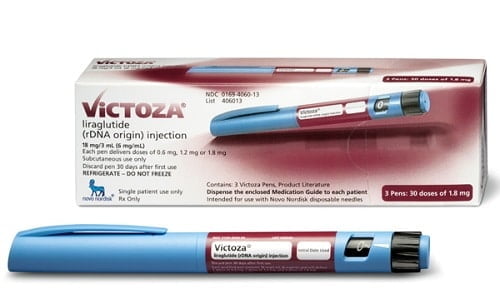
Victoza and weight loss are connected, but Victoza is not primarily a weight-loss drug. It is a daily liraglutide injection approved for type 2 diabetes, and some people lose weight while using it. The key point is fit: expected results, dosing decisions, and safety monitoring differ when weight loss is the main goal instead of glucose control.
Key Takeaways
- Modest loss may occur: appetite and fullness changes can reduce intake.
- Labeling matters: Victoza is diabetes-focused, while Saxenda is weight-management focused.
- Dosing is prescribed: do not set a personal target dose for weight loss.
- Side effects can limit use: nausea, vomiting, dehydration, and gallbladder symptoms need attention.
- Comparisons need context: newer GLP-1 options may have different labels, schedules, and expectations.
Where Victoza Fits in Weight and Diabetes Care
Victoza contains liraglutide, a GLP-1 receptor agonist. This class mimics a gut hormone that helps regulate insulin release, appetite, and stomach emptying. If you want broader class context, Liraglutide Vs Semaglutide explains how related GLP-1 medicines can differ in practice.
The distinction between Victoza and weight loss treatment is important. Victoza is used in type 2 diabetes care, where weight change may be a related benefit. The liraglutide product more directly associated with chronic weight management is Saxenda. Both involve liraglutide, but their treatment roles are not identical.
That label difference often answers a common question: why is Victoza not used for weight loss as the main approved purpose? A medicine can be linked with weight reduction without being the best-matched product for chronic weight management. When obesity treatment is the central goal, clinicians usually compare therapies studied and labeled for that use.
People without diabetes may also ask about Victoza for weight loss. That can involve off-label use, which means the prescriber must weigh the evidence, safety history, treatment goal, and follow-up plan more carefully. Off-label does not automatically mean unsafe, but it does mean the label does not define that use in the usual way.
Why it matters: The right question is not only whether weight loss can happen, but whether the product fits the goal.
How Liraglutide Can Affect Appetite and Weight
Liraglutide may support weight loss by helping some people feel full sooner and hungry less often. It can also slow gastric emptying, which means food leaves the stomach more slowly. These effects may reduce portion size or snacking for some people, especially when nausea stays manageable.
Weight loss is not automatic. Some people notice appetite changes before the scale moves. Others see better blood sugar readings with little change in body weight. Constipation, fluid shifts, menstrual cycle changes, sleep, and other medicines can also blur short-term progress.
Reviews and before-and-after stories can be misleading because they often highlight extremes. One person may report dramatic appetite suppression. Another may stop because nausea, reflux, or vomiting made daily use difficult. Most real-world experiences sit between those two points.
It also helps to separate appetite control from sustained fat loss. Feeling full sooner can make eating less easier, but long-term change still depends on nutrition quality, physical activity, sleep, other conditions, and the treatment plan. For practical food-related context, Victoza Foods To Avoid covers meal choices that may affect tolerability.
Dosing, Timing, and Injection Questions
Victoza dosing should follow a prescriber’s plan, not a self-directed weight-loss target. Liraglutide is usually started gradually and increased step by step when appropriate. This approach helps reduce gastrointestinal side effects, especially nausea and vomiting.
Searches for Victoza dosage for weight loss can be risky because the diabetes label is not a do-it-yourself weight-management protocol. A higher dose is not automatically better, and faster escalation can increase side effects. If side effects flare or a dose is missed, the safest next step is to follow the prescribing instructions or ask the care team for direction.
The maximum labeled dose should not be treated as a personal finish line. Some people tolerate lower doses better. Others may need a different medication if weight management is the main reason for treatment. The decision depends on benefit, tolerability, glucose goals, and the overall care plan.
Daily timing is about consistency
There is no universal best time to take Victoza for weight loss. A consistent time of day usually matters more than morning versus evening. Some people prefer morning because it fits breakfast routines. Others prefer evening if daytime nausea is disruptive.
The practical goal is repeatability. Choose a time that fits the prescribed instructions and your daily schedule. Avoid frequent timing changes unless your prescriber recommends them.
Injection sites affect comfort more than results
Common injection sites include the abdomen, thigh, and upper arm. Rotating sites helps reduce irritation, tenderness, or small lumps. Injecting into the stomach does not make weight loss more likely than using another approved site.
Comfort still matters. A painful or awkward routine can make missed doses more likely. If technique is uncertain, ask a healthcare professional or pharmacist to review the pen instructions.
Food timing is practical, not magical
Victoza does not require a universal banned-food list. Still, very large meals, greasy foods, or rapid eating may worsen nausea early in therapy. Smaller meals, slower eating, and hydration often make the first weeks easier to tolerate.
Quick tip: Track symptoms alongside meals, not just body weight.
How Fast Weight Changes May Happen
Weight changes with Victoza usually develop gradually over weeks to months. Some people notice appetite effects earlier, but that does not guarantee immediate scale movement. Short-term weight can shift for reasons unrelated to fat loss.
Average results are also difficult to personalize. Clinical studies in people with type 2 diabetes show that some adults lose weight, while others lose little or may gain weight. Results vary by dose, background diabetes medicines, calorie intake, baseline weight, activity, side effects, and duration of treatment.
If you are tracking progress, use more than one measure. Weight alone can miss changes in waist size, appetite pattern, glucose readings, energy, and medication tolerability. A simple progress tool can help organize weight change and percentage change over time, but it cannot predict your personal response or replace clinical review.
Weight-Loss Progress Calculator
Track percentage body-weight change and progress toward a target weight.
These calculations are for education only and do not replace clinical advice, diagnosis, or treatment. Always confirm medical decisions with a qualified healthcare professional.
The calculator can help estimate general weight-change progress from your own entries. It does not confirm whether Victoza is appropriate or whether a treatment plan should change.
Slow progress does not always mean failure. Early weeks may reflect dose adjustment more than full effect. Nausea may also lead to grazing on bland, calorie-dense foods, which can offset reduced appetite. Constipation may hide fat loss on the scale for a short period.
Safety Signals That Matter More Than the Scale
Common liraglutide side effects include nausea, vomiting, diarrhea, constipation, belching, indigestion, and reduced appetite. These symptoms often appear early or after a dose increase. They may improve, but persistent symptoms should not be ignored.
The most practical early risk is dehydration. Repeated vomiting or diarrhea can reduce fluid intake and worsen light-headedness. It can also make it harder to eat enough protein, fiber, and micronutrients. If weight loss comes with weakness, dizziness, or inability to keep fluids down, the plan needs prompt review.
Some safety issues are less common but more serious. GLP-1 receptor agonists carry warnings about pancreatitis, which can cause severe abdominal pain. Gallbladder problems can also occur and may cause upper abdominal pain, fever, nausea, or yellowing of the skin or eyes. Low blood sugar is more likely when liraglutide is used with insulin or medicines that increase insulin release.
Victoza also carries a boxed warning related to thyroid C-cell tumors seen in animal studies. People with a personal or family history of medullary thyroid carcinoma, or multiple endocrine neoplasia syndrome type 2, need careful label-based review before using liraglutide. Pregnancy, breastfeeding, kidney problems, and significant gastrointestinal disease can also change the risk discussion.
Seek urgent medical attention for severe or persistent abdominal pain, repeated vomiting, signs of dehydration, fainting, or symptoms that rapidly worsen. If the treatment goal is weight loss, these warning signs outweigh any benefit from continued appetite suppression.
Why Weight Loss May Stall or Not Happen
Not losing weight on Victoza can happen for several reasons. Sometimes the medicine improves glucose control more than appetite. Sometimes side effects, timing issues, or expectations make progress harder to interpret.
A common issue is comparing Victoza with medicines that have different weight-management labels. Someone reading about larger losses with semaglutide or tirzepatide may expect the same pattern from any GLP-1 medicine. That assumption can create disappointment even when Victoza is working as expected for diabetes care.
Eating patterns can also shift in unhelpful ways. Nausea may push people toward frequent crackers, sweet drinks, or soft high-calorie foods. Alcohol, large meals, and inconsistent hydration can worsen tolerability. Missed injections or irregular timing may weaken consistency.
- Early titration: the dose may still be adjusting.
- Side-effect eating: grazing can offset appetite reduction.
- Expectation mismatch: diabetes labeling differs from obesity labeling.
- Other medicines: some treatments can increase weight or appetite.
- Sleep and stress: both can affect hunger and weight trends.
- Constipation: stool retention can mask short-term change.
If progress is unclear, prepare specific details before a follow-up visit. Bring weight trends, missed doses, side effects, glucose readings if relevant, and a short food-and-symptom log. That information is more useful than comparing your experience with online reviews.
How Victoza Compares With Related GLP-1 Options
Comparisons should start with labeled use, not only the number on the scale. Victoza, Saxenda, Ozempic, Wegovy, and Mounjaro are often discussed together because they affect related metabolic pathways. They do not have the same active ingredient, schedule, or approved role.
Victoza Pens are tied to liraglutide use in diabetes care. Ozempic Semaglutide Pens are also diabetes-focused and often compared with liraglutide because both sit in the GLP-1 category. Wegovy is semaglutide with weight-management labeling for eligible patients. Mounjaro KwikPen contains tirzepatide, which acts on GLP-1 and GIP pathways.
In broad clinical use, semaglutide and tirzepatide products are often associated with greater weight effects than liraglutide products. However, the right comparison depends on the person’s diagnosis, contraindications, side-effect history, preferences, and access. Dosing frequency also matters. Daily injections may be manageable for one person and burdensome for another.
For a closer liraglutide-focused comparison, Saxenda Vs Victoza explains how two liraglutide products can differ by treatment role. People exploring broader weight-management options may also use the Weight Management collection to organize related reading.
Switching from Victoza to another GLP-1 option is not plug-and-play. A different product can change dose schedule, side effects, insurance or cash-pay considerations, and monitoring. Some patients also explore cash-pay options and cross-border fulfilment depending on eligibility and jurisdiction, but access questions should remain separate from medical suitability.
Questions to Review Before Using It Mainly for Weight
A structured review helps keep the discussion grounded. Victoza may be reasonable for some people, especially when type 2 diabetes care is central. It may be a poor match when the main goal is chronic weight management and another labeled option fits better.
- Main goal: glucose control, weight management, or both?
- Label fit: does the indication match the reason?
- Risk history: pancreatitis, gallbladder disease, or thyroid cancer syndromes?
- Medication mix: insulin or sulfonylureas may raise hypoglycemia risk.
- Daily routine: can a daily injection be maintained?
- Progress markers: weight, waist, glucose, side effects, and quality of life.
- Alternative fit: would another GLP-1 option better match the goal?
Example: a person with type 2 diabetes who wants mild appetite reduction may view Victoza differently from someone without diabetes seeking a weight-management medication. The same drug can fit one context and miss the mark in another.
If prescription details need confirmation, CanadianInsulin.com may help coordinate that step with the prescriber where required. Dispensing and fulfilment are handled by licensed third-party pharmacies, where permitted.
For diabetes-related navigation, the Type 2 Diabetes condition page and the Weight Management Products category can help separate diabetes-focused and weight-focused options without replacing clinical advice.
Authoritative Sources
- For official prescribing details, review the FDA label for Victoza.
- For medicine warnings in plain language, see MedlinePlus on liraglutide injection.
- For weight-management context, read the NIDDK overview of prescription weight-loss medicines.
Victoza can be associated with weight loss, but it is best understood through its diabetes-focused role, safety profile, and fit against other options. Bring specific goals, side effects, medication lists, and progress data to a prescriber review before treating weight change as the only measure of success.
This content is for informational purposes only and is not a substitute for professional medical advice.


