
Shipping with this method takes 3-5 days
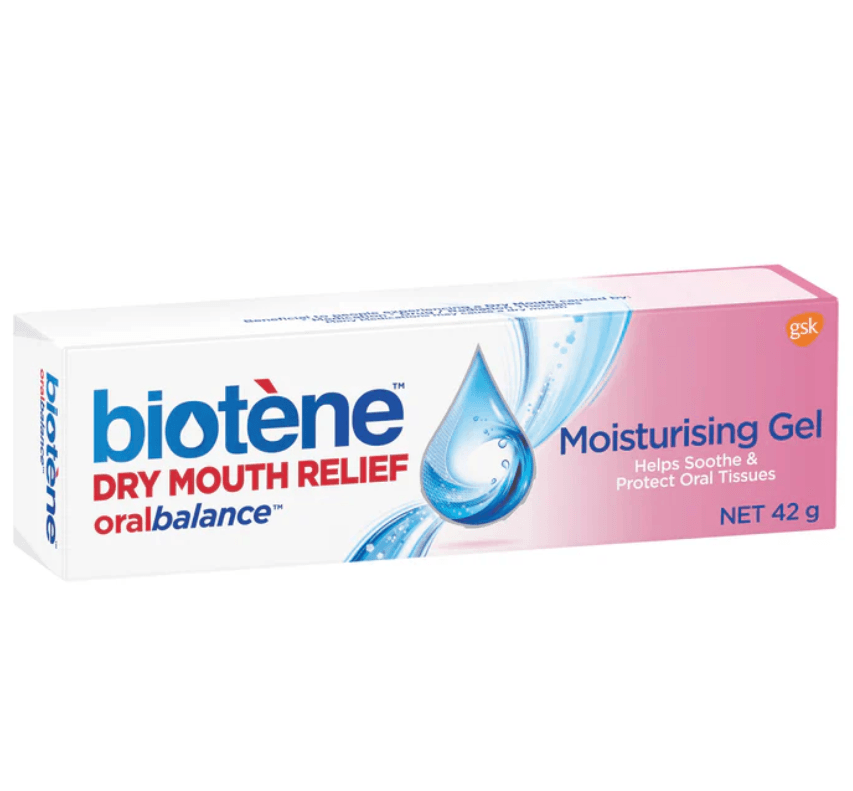
Biotène Oral Balance Gel
Buy Biotène Oral Balance Gel Online


Biotène Oral Balance Gel is a mouth moisturizing gel used to help relieve dry mouth discomfort. It can be ordered online, with the current Biotène Oral Balance Gel price shown during checkout for the tube or pack quantity you choose. Match the gel format, quantity, and label features to the product you intend to use, especially if your dentist, clinician, or pharmacist recommended a specific dry mouth moisturizer.
This oral balance dry mouth gel is designed to coat and moisten oral tissues when the mouth feels dry. It is commonly chosen by people who want a thicker product than a rinse or spray, particularly for nighttime dryness, travel, or targeted application inside the mouth. Use the carton and tube directions as the main source for how often to apply it and how much to use.
Biotène Oral Balance Gel Price and Quantity Choices
The Biotène Oral Balance Gel cost depends on the product quantity placed in the cart and the label features shown for that item. Dry mouth gels are not usually compared by milligram strength. The practical comparison is tube size, total contents, pack count, and wording such as flavor free, alcohol free, or sugar free when those label features appear.
When paying without insurance, focus on the cash-pay amount displayed for the exact gel quantity. A single tube and a multi-pack can have different totals even when the front label looks similar. If more than one Biotène mouth moisturizer gel appears, compare the tube contents and pack count before judging the final amount.
| Detail | What to look at | How it affects the order |
|---|---|---|
| Gel format | Moisturizing gel rather than rinse, spray, or toothpaste | Helps you choose the texture and use style you want. |
| Tube contents | Ounce size or total gel amount shown | Supports a fair comparison between different quantities. |
| Pack count | Number of tubes or packs in the cart | Changes the total amount shown at checkout. |
| Label wording | Flavor-free, alcohol-free, or sugar-free statements when shown | Helps match the gel to personal preferences and sensitivities. |
| Service notes | US delivery from Canada when available for the order | Helps you understand the handling path before checkout. |
Quick tip: Compare total gel contents, not only the product name, when reviewing price.
How to Order Biotène Oral Balance Gel Online
To buy Biotène Oral Balance Gel online, choose the gel that matches the product name, form, and quantity you want. Review the tube size, pack count, and any label statements before submitting the order. If you have used a different Biotène product before, confirm that you are choosing the gel rather than a rinse, spray, or toothpaste.
Have the customer name, shipping address, and basic checkout information ready. If the order includes handling notes, read them before payment so the final total and product quantity are clear. We may review order details when needed to make sure the chosen item and quantity are processed correctly.
- Match the form: Choose the mouth moisturizing gel if that is the product you use.
- Confirm quantity: Check the number of tubes or packs in the cart.
- Read label features: Note flavor, alcohol, and sugar wording when shown.
- Review the total: Look at the final amount before placing the order.
- Keep packaging: Save the carton or tube for directions and expiration details.
Biotène dry mouth gel can be confused with other oral care formats because product names may look similar. Staying with the gel format is useful if you prefer a thicker texture that remains in place longer than a liquid rinse. For broader browsing, the Oral Health category groups related mouth care products in one place.
What Biotène Dry Mouth Gel Is Used For
Biotène Oral Balance Gel is used as an oral moisturizer for dry mouth symptoms. Dry mouth, also called xerostomia, means the mouth does not feel adequately moist. It may occur with dehydration, mouth breathing, certain medicines, Sjögren disease, cancer treatment, or other health conditions.
The gel helps moisten oral tissues and may reduce dryness-related discomfort, but it does not treat the underlying cause of reduced saliva. A thicker gel can be practical when dryness is worse at night, during long conversations, or while travelling. If you are exploring the condition more broadly, the Dry Mouth section can help separate symptom-focused oral care products from other health topics.
Ongoing dry mouth deserves attention because saliva helps protect teeth and oral tissues. Persistent dryness can contribute to cavities, gum irritation, mouth sores, bad breath, and difficulty eating or speaking. New, severe, painful, or unexplained symptoms should be discussed with a dentist or clinician, especially if they began after a medication change or cancer treatment.
Gel Form, Label Features, and Product Fit
Biotène Oralbalance Moisturizing Gel, Biotène Oral Balance mouth moisturizer gel, and Biotène moisturizing dry mouth gel are common ways people describe this type of product. The key customer-facing attribute is the gel form. A gel usually provides more targeted coating than a rinse, while a spray may be easier for quick daytime use.
Some packaging may describe a Biotène Oralbalance gel 1.5 oz tube. If that tube size appears during ordering, compare it with the quantity chosen and any pack-count wording. A 1.5 oz tube and a multi-pack of the same tube do not represent the same total contents, so the final amount should be viewed with quantity in mind.
- Gel texture: Thicker than many rinses or sprays.
- Flavor-free wording: Useful if strong tastes bother your mouth.
- Alcohol-free wording: Often preferred by people with sensitive oral tissues.
- Sugar-free wording: Helpful when avoiding added sugar in oral care products.
- Tube condition: Do not use a leaking, opened, expired, or damaged tube.
Choose the format that fits when dryness tends to occur. A gel may suit bedtime use or localized dryness, while a rinse may feel better for full-mouth coverage. The Oral Health Articles section offers broader reading on mouth care habits, sensitivity, and dry mouth support.
How to Use the Mouth Moisturizing Gel Responsibly
Follow the directions printed on the tube, carton, or enclosed material. Oral moisturizing gels are generally applied inside the mouth where dryness is felt, often with clean hands or as directed by the package. Do not use more than the label directs if a maximum amount or frequency is given.
Keep the applicator tip clean and replace the cap tightly after each use. Avoid sharing the tube, because mouth products can transfer germs between people. If the gel changes color, texture, smell, or taste, set it aside until the product can be checked against the packaging and expiration date.
Biotène gel for dry mouth should not replace brushing, flossing, regular dental visits, or treatment for an oral infection. If you wear dentures, braces, aligners, or oral appliances, ask a dentist whether and when to apply the gel around those devices. Poorly fitting dentures or appliances can cause irritation that a moisturizer may temporarily mask.
Safety, Side Effects, and When to Ask for Help
Most oral moisturizing gels act locally in the mouth, but ingredient sensitivity can still occur. Do not use the gel if you know you are allergic to any ingredient on the label. Stop use and seek urgent medical help for swelling of the lips, tongue, face, or throat; wheezing; trouble breathing; widespread rash; or severe irritation.
Possible side effects may include temporary mouth irritation, an unusual taste, mild burning, or sensitivity. These reactions can feel stronger when the mouth is already cracked, inflamed, or sore. If dryness worsens, pain develops, or sores do not heal, a dentist or clinician should look for another cause.
Children should use dry mouth products only when the label supports their use or a healthcare professional recommends them. People who are pregnant, breastfeeding, receiving chemotherapy or radiation, using oxygen therapy, wearing dentures, or managing Sjögren disease should ask which oral moisturizer is appropriate. A professional can also review whether dry mouth may be linked to medicines for allergies, blood pressure, depression, anxiety, pain, bladder symptoms, or sleep.
Why it matters: Dry mouth can be a symptom of a medication effect, dental condition, or medical problem that needs care.
Interactions and Daily Oral Care Checks
Major drug interactions are not expected for many users because this type of gel is used in the mouth rather than taken as a systemic medicine. Still, other oral products can affect comfort. Medicated rinses, fluoride treatments, antiseptic mouthwashes, whitening products, denture adhesives, and topical pain relievers may irritate sensitive tissues when used close together.
Ask a pharmacist or dentist how to space oral products if you use prescription mouth rinses, antifungal treatments, ulcer medicines, or products for oral pain. The same caution applies after dental surgery or if you have implants, braces, or dentures. A moisturizing gel can support comfort, but it should not cover up worsening pain, bleeding, swelling, pus, fever, or trouble swallowing.
Good dry mouth care usually includes hydration, gentle oral hygiene, and dental monitoring. Use a soft toothbrush if your mouth is tender, and ask about fluoride support if cavities are a concern. Do not stop or change medicines that may be causing dryness without speaking with the clinician who manages them.
Storage, Travel, and Handling
Store Biotène Oral Balance dry mouth gel according to the product label. Many mouth care gels are kept at controlled room temperature, away from excess heat, moisture, and direct sunlight. Keep the tube closed between uses and avoid leaving it in a hot car, steamy bathroom, or unsealed bag.
For travel, keep the gel in its original packaging when possible. The carton or tube helps identify the product, directions, lot number, and expiration date. If security rules apply to gels or liquids, pack the tube where it can be inspected without touching or contaminating the tip.
After delivery, inspect the package before use. The tube should match the ordered product name and quantity, and the seal or cap should appear intact. Do not use a tube that is leaking, opened, expired, or visibly damaged; contact support through the store if the received item does not match the order record.
Related Oral Health Choices
A dry mouth relief gel is one format within oral care. Rinses may cover the mouth more broadly, sprays may be more portable, and toothpastes can support daily cleaning for people who notice dryness. The right format depends on symptom timing, mouth sensitivity, and whether you need daytime, nighttime, or combined support.
People comparing Biotène dry mouth gel price with other formats should look beyond the lowest amount. Consider total contents, how often the label permits use, texture, flavor, and whether the product fits your routine. A gel may last differently from a rinse because the amount used each time and the application area can differ.
For adjacent everyday care items, the General Care category can help separate oral moisturizers from other non-specialty health products. For dry mouth specifically, dental guidance remains important because moisturizers address comfort but not every cause of low saliva.
Label Checks Before First Use
The carton, tube, and enclosed directions are the most important sources for ingredient, use, age, warning, and storage information. Read them before first use, even if you have used another Biotène product before. Similar names can have different directions or label statements.
Bring the package or ingredient list to a dental or medical appointment if you are unsure whether this gel suits your symptoms. That is especially useful if you have oral sores, allergies, dental appliances, cancer treatment-related mouth changes, or a condition that reduces saliva. A clinician or dentist can help decide whether a moisturizer, rinse, fluoride support, saliva-stimulating approach, or medical evaluation is needed.
This content is for informational purposes only and is not a substitute for professional medical advice.
Express Shipping - from $29.99
Prices:
- Dry-Packed Products $29.99
- Cold-Packed Products $39.99
Standard Shipping - $19.99
Shipping with this method takes 5-10 days
Prices:
- Dry-Packed Products $19.99
- Not available for Cold-Packed products
What is Biotène Oral Balance Gel used for?
Biotène Oral Balance Gel is an oral moisturizing gel used to help relieve dry mouth discomfort. It moistens oral tissues but does not treat the underlying cause of reduced saliva.
How is Biotène dry mouth gel different from a rinse or spray?
The gel has a thicker texture and can be applied where dryness is felt. Rinses may cover the mouth more broadly, while sprays may be more convenient for quick daytime use.
What should I compare when reviewing Biotène Oral Balance Gel price?
Compare the tube contents, pack count, total quantity, and label features such as flavor-free, alcohol-free, or sugar-free wording when shown. The lowest amount is not always the best comparison if quantities differ.
Can Biotène Oral Balance Gel cause side effects?
Possible effects include temporary mouth irritation, unusual taste, mild burning, or sensitivity. Stop use and seek medical help for severe irritation, swelling, rash, wheezing, or trouble breathing.
When should dry mouth be evaluated by a dentist or clinician?
Seek evaluation if dry mouth is new, severe, persistent, painful, linked with sores or white patches, or causing trouble eating, speaking, or swallowing. Dry mouth can be related to medicines, dental problems, or medical conditions.
Rewards Program
Earn points on birthdays, product orders, reviews, friend referrals, and more! Enjoy your medication at unparalleled discounts while reaping rewards for every step you take with us.
You can read more about rewards here.
POINT VALUE
How to earn points
- 1Create an account and start earning.
- 2Earn points every time you shop or perform certain actions.
- 3Redeem points for exclusive discounts.
You Might Also Like
Select options
This product has multiple variants. The options may be chosen on the product page
Select options
This product has multiple variants. The options may be chosen on the product page
Select options
This product has multiple variants. The options may be chosen on the product page
Select options
This product has multiple variants. The options may be chosen on the product page