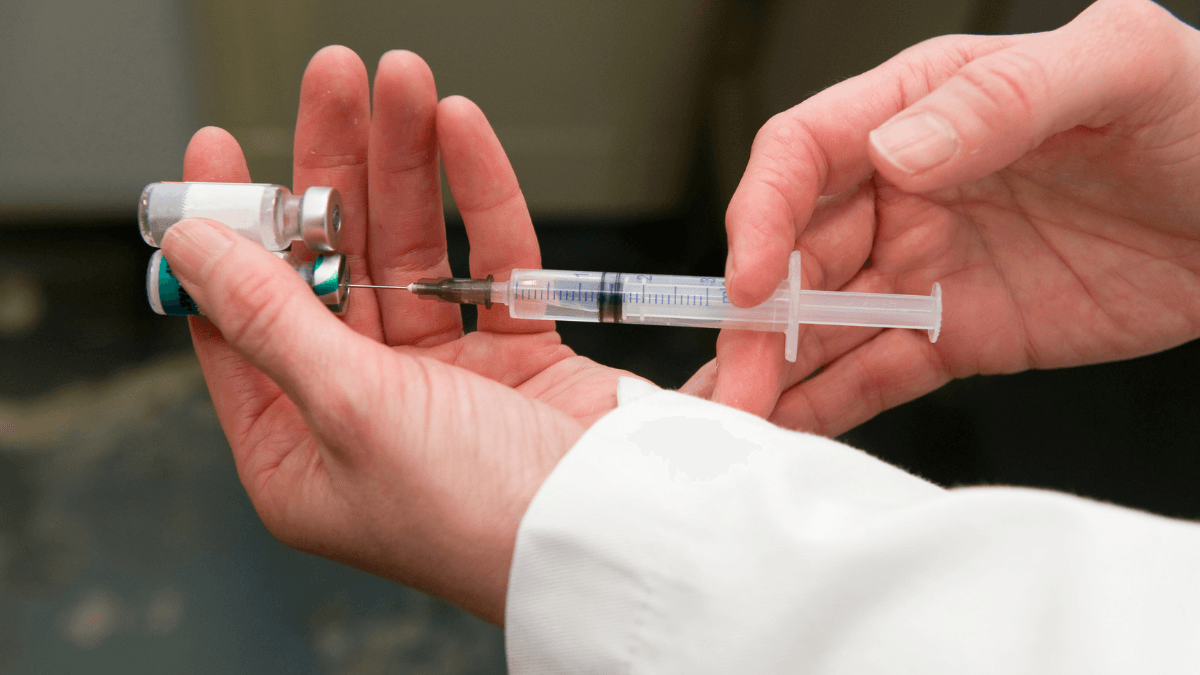
Insulin for pets should usually be kept cold, protected from freezing, and handled exactly as the label and veterinarian direct. These pet insulin storage tips matter because insulin is a delicate protein. Heat, ice, light, and rough handling can reduce potency or make a dose less predictable for a dog or cat with diabetes.
Most unopened insulin products are stored in the refrigerator at 2–8°C (36–46°F). Opened vials, cartridges, and pens may have shorter in-use limits, even when refrigerated. Write the first-use date on the container, check the liquid before each dose, and ask your veterinarian before using insulin after a temperature problem.
Key Takeaways
- Refrigerate unopened insulin: Keep it at 2–8°C (36–46°F), unless the label says otherwise.
- Never freeze insulin: Discard insulin that froze or touched a freezer wall.
- Track first use: Opened containers may expire before the printed date.
- Mix as directed: Some suspensions need gentle mixing; solutions usually should not be shaken.
- Check appearance: Replace insulin with clumps, crystals, colour change, or persistent foam.
Why Insulin Storage Matters for Dogs and Cats
Insulin helps manage diabetes by supporting glucose movement from the blood into body tissues. In pets, small dosing changes can matter. If insulin loses strength or does not mix evenly, blood glucose may run higher or lower than expected.
The main storage risks are heat, freezing, and agitation. Heat can speed protein breakdown. Freezing can damage insulin structure and may crack a vial or cartridge. Vigorous shaking can create foam or disrupt suspensions, depending on the product. These changes are not always visible, so prevention is safer than guessing.
Storage also affects clinical interpretation. If readings become erratic, it is tempting to focus only on dose. Before any dose change, review the refrigerator location, mixing technique, injection supplies, meal timing, and the date the container was opened. For broader diabetes context in pets, the Feline and Canine Diabetes overview can help explain signs that may prompt veterinary review.
Why it matters: Stable storage helps your veterinarian interpret glucose patterns more accurately.
How to Store Pet Insulin in the Refrigerator
The safest home setup is simple: store insulin in the main refrigerator compartment, not the door. The door warms each time it opens. Back walls and freezer vents can create cold spots where insulin may freeze.
Place the insulin in a small labelled box or bin on a middle shelf. This reduces light exposure, prevents tipping, and makes it easier for everyone in the household to find the correct container. Keep it away from raw food spills and from areas where children or other pets could reach it.
Temperature Targets
Most insulin labels use 2–8°C (36–46°F) for refrigerated storage. A small refrigerator thermometer helps confirm the range. Check it occasionally, especially after grocery loading, power outages, or changes to the refrigerator setting.
If your refrigerator runs too cold, move insulin away from the back wall and vents. If it runs warm, check the seal, avoid overfilling the shelf, and consider a different refrigerator. Do not place insulin in a freezer to cool it quickly.
Unopened Versus Opened Containers
Unopened insulin may remain usable until the labelled expiration date when stored correctly. Once punctured or placed into use, the in-use period may be shorter. The exact limit depends on the product, container, and label instructions.
Write the first-use date directly on the carton or on a tape label. This is especially helpful when two people share pet-care duties. It also prevents confusion if a new vial is opened before an old one is discarded.
Pet insulin storage tips are not a substitute for the package insert. Always follow the product label when it gives a more specific instruction than a general rule.
Mixing, Drawing, and Daily Handling
Different insulin types need different handling before injection. Some are suspensions, meaning the active particles settle and must be evenly resuspended before each dose. Others are clear solutions and generally should not be shaken.
For suspensions, your veterinarian or label may direct gentle rolling, careful inversion, or another specific technique. The goal is an even appearance without foam. If the product label says to shake, follow that label. If it does not, avoid vigorous shaking unless your veterinarian has told you otherwise.
After mixing, inspect the container under good light. A suspension should look uniformly cloudy if that is normal for that product. A clear insulin should remain clear. Do not use insulin that has floating flakes, stringy material, crystals, frost marks, colour change, or clumps that do not disperse as directed.
Use the correct syringe or pen needles for the specific insulin concentration and device. A mismatch can cause dosing errors. If your dog uses an NPH product, the Humulin N Insulin for Dogs resource gives product-context information to discuss with your veterinarian. For feline treatment context, see Insulin for Cats.
Quick tip: Keep a small log with the open date, dose time, and any storage concern.
How Long Does Pet Insulin Last in the Fridge?
Pet insulin can last until the printed expiration date only when it is unopened and stored correctly. Once opened, many products have a shorter labelled in-use period. The answer is product-specific, so the safest rule is to follow the label and your veterinarian’s plan.
Do not rely only on appearance. Insulin can lose potency without obvious changes. Also avoid extending use because some insulin remains in the vial. If the container has passed the labelled in-use period, replace it rather than trying to stretch the supply.
Several factors can shorten usable life. These include repeated warming, accidental freezing, contamination from needle reuse, direct sunlight, and leaving the container out during meals or injections. Keep the container out only as long as needed to prepare the dose.
If you are comparing vial, cartridge, or pen formats, storage rules still apply. Device convenience does not remove the need for temperature control and clean needle handling. The Insulin Cartridges explainer gives general context on cartridge formats and handling differences.
Travel and Short Trips With Pet Insulin
When travelling, keep insulin cool but not frozen. Use an insulated case with a cold pack, and place fabric or a sleeve between the insulin and the pack. Direct contact with frozen gel packs can freeze the medication.
For short errands, avoid leaving insulin in a parked car. Car interiors can become hot or cold quickly. Keep the insulin with you, not in a trunk, glove compartment, or bag sitting in direct sun.
For longer trips, carry a thermometer, backup cold packs, syringes or pen needles, your pet’s prescription information, and your veterinarian’s contact details. Check hotel refrigerators before using them. Some small units have freezer plates or uneven cold zones near the back wall.
If a refrigerator is unavailable for a short period, ask your veterinarian or pharmacist what the specific product label allows. Do not assume that all insulin products tolerate room temperature the same way. The related Travel With Ozempic article covers cold-pack planning for temperature-sensitive injectable medicines, but your pet’s insulin label remains the deciding source.
What to Do if Insulin Freezes, Overheats, or Looks Spoiled
If insulin freezes, do not use it. Freezing can damage the protein and may make the dose unreliable after thawing. Replace the container and contact your veterinarian for next steps if a dose was already given from a questionable vial.
Heat exposure is also a concern. Insulin left in sunlight, a hot car, or a warm bag may lose potency. Sometimes the liquid looks normal after heat exposure, so visual inspection cannot prove it is safe. When the exposure is significant or uncertain, veterinary guidance is the safest path.
Visible warning signs include crystals, clumps, threads, flakes, persistent foam, cracked glass, leakage, or a colour change. Suspensions that do not mix evenly after the labelled technique should also be replaced. Do not try to filter, dilute, or rescue abnormal insulin.
Watch your pet after any suspected storage failure. Unusual thirst, urination, weakness, tremors, disorientation, seizures, vomiting, or appetite changes deserve prompt veterinary contact. Low blood sugar can become urgent. For dog-specific warning signs, see Hypoglycemia in Dogs. For cats, the Hypoglycemia in Cats resource explains common signs that need attention.
Storage Differences by Product and Delivery Format
Insulin storage for dogs and cats often follows the same cold-chain principles, but product details differ. Veterinary products, human insulin used under veterinary direction, pens, cartridges, and vials may have different instructions for mixing and in-use timing.
Dogs may receive lente, NPH, or other insulin types depending on the veterinary plan. Cats may receive protamine zinc insulin or long-acting analogs in selected cases. These treatment choices are clinical decisions. From a storage perspective, the key is to match the handling method to the exact product.
For example, a veterinary product page such as ProZinc Vial can help you identify the product format, but label instructions and veterinary directions should guide use. Similarly, device pages such as Lantus Cartridges may help you recognize a cartridge format without replacing professional guidance.
If you manage several diabetes supplies at home, keep pet insulin separate from human medications. Use clear labels and avoid storing look-alike products together. For broader browsing, the Diabetes Products category can help you compare product formats, while the Pet Health Articles collection offers pet-focused educational topics.
Home Setup Checklist
A consistent setup reduces daily mistakes. Use this checklist to review your routine, then confirm product-specific details with your veterinarian.
- Middle shelf storage: Avoid the door, freezer plate, and back wall.
- Thermometer check: Confirm 2–8°C (36–46°F) for refrigerated products.
- Open-date label: Mark the first puncture or first use clearly.
- Light protection: Keep the carton unless the label says otherwise.
- Clean supplies: Use new needles and the correct syringe type.
- Visual inspection: Check for crystals, clumps, leaks, or colour change.
- Travel buffer: Separate insulin from frozen packs with fabric.
- Outage plan: Keep an insulated cooler and cold packs available.
If dose accuracy is a concern, storage is only one part of the review. Injection technique, feeding routine, syringe selection, and health changes can also affect readings. The Pet Insulin Dosage Mistakes article covers common handling and dosing pitfalls to discuss with your veterinary team.
Authoritative Sources
For label-level instructions, use the package insert supplied with the exact insulin product. General insulin storage principles are also supported by major medical and veterinary references.
- The American Diabetes Association explains insulin storage and syringe safety.
- The University of Illinois veterinary medicine resource reviews insulin handling.
- A veterinary review discusses insulin treatment in dogs and cats.
Recap
Pet insulin storage tips come down to temperature, timing, and technique. Keep insulin refrigerated when required, never freeze it, mark the first-use date, and follow the exact mixing instructions for the product. Replace insulin that looks abnormal or has passed its labelled in-use period.
If glucose readings change unexpectedly, review storage before assuming the dose is wrong. Then contact your veterinarian for individualized guidance. Safe handling supports more reliable treatment decisions, but it does not replace veterinary monitoring.
This content is for informational purposes only and is not a substitute for professional medical advice.