
Shipping with this method takes 3-5 days
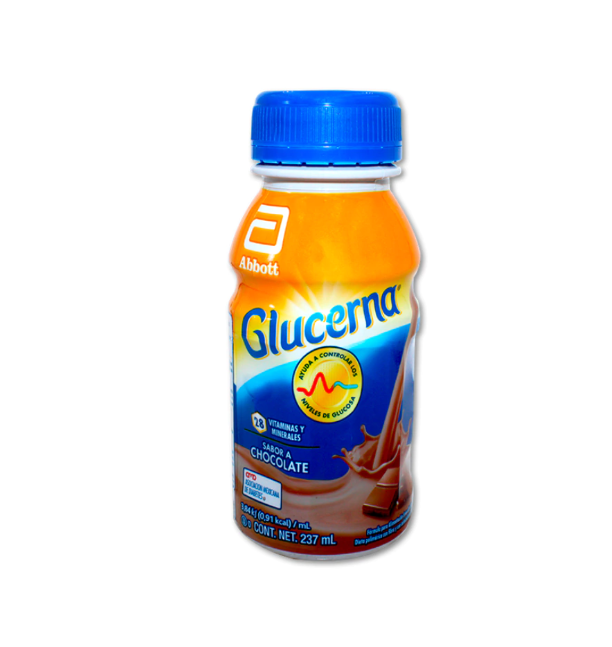
Glucerna
Buy Glucerna Online


Glucerna is a diabetes-focused nutrition brand made for people who need structured calories, protein, carbohydrate, vitamins, and minerals as part of a blood sugar management plan. You can buy Glucerna online, view the current price for the formula and quantity shown during ordering, and choose the nutrition format that matches your clinician or dietitian directions. Glucerna products may be used as a snack, meal replacement, or medical nutrition formula depending on the exact product name and label.
Glucerna nutritional drink choices are not interchangeable just because they share the same brand name. A standard Glucerna diabetic shake, Glucerna Original shake, Glucerna 1.2 Cal, and Glucerna 1.5 Cal may differ in calories per serving, protein, carbohydrate, fat, fiber, ingredients, and intended use. Match the formula name, flavor, container size, and daily schedule to your care plan before choosing a quantity.
Glucerna Price and Nutrition Format Choices
Glucerna price depends on the formula, flavor, pack size, and quantity you choose during ordering. A ready-to-drink shake, a case format, a 24 pack when available, and a higher-calorie formula can carry different total costs because the serving count and nutrition per container may not be the same. For cash-pay planning or Glucerna without insurance, compare the total amount for the exact formula you intend to use.
Cost per bottle is only one part of the decision. A calorie-dense product may provide more nutrition in a smaller volume, while a standard shake may be used more like a snack or meal replacement. If your plan specifies Glucerna 1.2 Cal, Glucerna 1.5 Cal, vanilla, chocolate, or another named product, use that wording when matching the item to your schedule.
- Formula name: Confirm whether you need Original, 1.2 Cal, 1.5 Cal, or another Glucerna product.
- Flavor: Vanilla, chocolate, and other flavors may be separated by formula type.
- Pack size: Bottle count, case count, and total volume affect how long an order lasts.
- Nutrition facts: Calories, protein, carbohydrate, sugars, fiber, fat, vitamins, and minerals guide meal planning.
- Daily use: A snack schedule, meal replacement schedule, and tube-feeding plan require different levels of precision.
Quick tip: Match the formula name first, then compare flavor and quantity.
People often compare Glucerna cost with broader nutrition purchases, but diabetes nutrition products should be chosen by label details rather than appearance. If you want to browse adjacent non-drug wellness items separately, the vitamins and supplements category can help keep general nutrition browsing distinct from diabetes meal planning decisions.
How to Order Glucerna Online
Order Glucerna online by choosing the formula, flavor, container format, and quantity that fit your care plan. Keep the product name from your current package or written nutrition instructions nearby, because small wording differences can identify a different calorie density or serving size. If US delivery from Canada applies to your order, the checkout process should show the relevant handling and logistics details before completion.
For diabetes nutrition, the label matters as much as the brand. Do not switch from a standard shake to a calorie-dense formula only to reduce the number of bottles used each day, and do not assume that Glucerna vanilla and Glucerna chocolate have identical nutrition facts across all formats. Use the nutrition label for the exact product you will drink or administer.
Some Glucerna products are intended for oral use, while certain medical nutrition formulas may be used under professional direction in more structured settings. If the formula is part of tube feeding, sole-source nutrition, kidney-related diet limits, pregnancy-related diabetes care, or recovery after illness, ask the care team before changing flavors, volumes, or calorie density.
Formats, Flavors, and Label Differences
Glucerna shakes for diabetics are usually chosen by formula style and flavor. Common names may include Glucerna Original shake, Glucerna 1.2 Cal, Glucerna 1.5 Cal, Glucerna vanilla, and Glucerna chocolate. The numbers in 1.2 Cal and 1.5 Cal generally refer to calorie density, not a personal dose.
A higher-calorie formula may help some people obtain more nutrition in less volume, but that choice should match a documented nutrition plan. A standard Glucerna meal replacement may be used differently from a medical nutrition formula designed for more specialized feeding needs. Formula selection can also affect carbohydrate counting, glucose monitoring, and timing with other meals.
| Label Detail | What to Look For | Why It Matters |
|---|---|---|
| Product name | Original, 1.2 Cal, 1.5 Cal, or another named formula | Calories and intended use can differ by formula. |
| Flavor | Vanilla, chocolate, or another flavor shown | Flavor alone does not identify the same nutrition profile. |
| Serving size | Volume per container and servings per package | Meal plans usually rely on predictable portions. |
| Carbohydrate facts | Total carbohydrate, sugars, and fiber | These values affect blood sugar tracking and meal timing. |
| Protein and minerals | Protein, potassium, phosphorus, sodium, vitamins, and minerals | These nutrients may matter in kidney disease or restricted diets. |
Ingredients can vary across Glucerna products. Depending on the formula, Glucerna ingredients may include milk-derived components, soy-derived components, oils, fibers, sweeteners, vitamins, and minerals. If you avoid a specific allergen, sweetener, nutrient, or texture, read the ingredient panel for the formula and flavor you plan to use.
What Glucerna Is Used For
Glucerna nutrition products are designed to provide structured nutrition for people managing diabetes, impaired glucose tolerance, or blood sugar-focused meal plans. They are not insulin, glucose tablets, or an emergency treatment for low blood sugar. They also do not replace individualized medical nutrition therapy from a clinician or registered dietitian.
A Glucerna diabetes care shake may be used as a planned snack or meal replacement when predictable calories and carbohydrate content are useful. Specialized formulas may be used when a person needs higher calorie density, controlled carbohydrate delivery, or a formula appropriate for a specific feeding plan. Those uses should be directed by the care team because nutrition changes can alter glucose patterns.
For practical meal-planning context, the type 2 diabetes article category and type 1 diabetes article category can help separate general diabetes education from product selection. Use educational material alongside your own glucose targets, medication schedule, and nutrition instructions.
Why it matters: Predictable carbohydrate intake can make daily glucose patterns easier to interpret.
Blood Sugar Management and Meal Timing
Glucerna blood sugar management claims should be understood in practical terms. These products are formulated for diabetes-focused nutrition, often with carbohydrate blends and fiber intended to fit a structured eating plan. They do not guarantee glucose control, and they cannot correct repeated high or low readings by themselves.
If you use insulin or another medicine that can lower blood sugar, changing meal timing, carbohydrate grams, or shake frequency may affect readings. Keep Glucerna use consistent with your diabetes plan unless your clinician changes it. Do not adjust medication doses because of a shake without licensed medical guidance.
Monitoring helps show whether the nutrition plan is working. Track when you drink the shake, how much you use, and whether it replaces food or adds to a meal. If readings repeatedly fall outside the range your care team gave you, contact a healthcare professional rather than relying on a different flavor or formula switch.
Matching Glucerna Products to Your Care Plan
Before choosing among Glucerna products, compare the full label with the plan you were given. The most useful details are product name, calorie density, serving size, flavor, container volume, route of use, and daily schedule. A similar-looking bottle may provide different calories, carbohydrate grams, fiber, or minerals.
Do not change from Glucerna Original shake to Glucerna 1.5 Cal, or from one package format to another, only because the cost or taste looks preferable. Calorie density changes can alter fluid intake, nutrition totals, and glucose tracking. For tube-feeding formulas, follow the instructions from the care team and the feeding equipment guidance.
People managing diabetes may also compare nutrition products with medications by condition. The type 2 diabetes product category and type 1 diabetes product category can help distinguish diabetes therapies from nutrition support. A shake and a glucose-lowering medication serve different roles in care.
Storage, Handling, and Travel
Store Glucerna according to the package instructions for the formula you buy. Many sealed ready-to-drink nutrition products are shelf-stable, but they should be protected from excessive heat, freezing, damaged seals, and expired dating. After opening, follow the label for refrigeration and discard timing.
Inspect bottles, cartons, or cans when they arrive and before use. Do not use a container that is leaking, swollen, cracked, has a broken seal, or smells unusual after opening. For formulas used with feeding tubes, clean handling matters because contamination can cause illness.
Travel planning should focus on keeping the product identifiable and usable. Carry sealed containers in original packaging when practical, pack enough for the planned schedule, and avoid leaving shakes in a hot vehicle. If prompt, express, cold-chain shipping is shown during checkout for your order, follow any arrival and storage instructions provided with the package.
Side Effects, Allergies, and Safety Checks
Glucerna shakes are food-like nutrition products, but they can still cause unwanted effects. Some people may notice nausea, bloating, gas, diarrhea, constipation, changes in appetite, or a different glucose pattern after changing their diet. New, severe, or persistent symptoms should be discussed with a healthcare professional.
Do not use a Glucerna product if you have a known allergy to one of its ingredients. Many nutrition formulas contain milk, soy, or other components that may be unsuitable for certain diets. Some medical nutrition formulas may not be appropriate for people with galactosemia, so the exact label should guide use if that condition applies.
People with kidney disease, fluid restrictions, severe digestive disorders, pregnancy-related diabetes, or feeding tubes need extra care when choosing formula type. Protein, potassium, phosphorus, sodium, fluid volume, and carbohydrate content can matter in these situations. A clinician or dietitian can decide whether a specific Glucerna formula fits the care plan.
Nutrition products can also interact with care routines, even when they are not drugs. A shake used as a meal replacement may change insulin timing needs, while a shake added between meals may raise total daily calories and carbohydrate intake. Keep your healthcare team informed when Glucerna becomes a regular part of your diet.
Ingredients, Allergens, and Diet Preferences
Ingredient preferences vary widely, especially among people managing diabetes alongside other health conditions. When comparing Glucerna vanilla, Glucerna chocolate, or another flavor, look at total sugars, carbohydrate grams, fiber source, fat source, protein source, sweeteners, and serving size. A low-sugar description does not mean the formula is carbohydrate-free.
If you follow a kidney diet, low-sodium plan, lactose-restricted diet, soy-free diet, or texture-modified plan, ingredient and mineral panels become more important. Medical nutrition formulas can contain concentrated nutrients, and higher-calorie products may deliver more protein, minerals, or fluid per serving than expected. Use the exact label rather than assumptions from a previous package.
For broader nutrition browsing, the general care category and vitamins and supplements articles can help separate wellness products from diabetes-specific formulas. Glucerna should still be evaluated according to your blood sugar plan, allergies, and medical nutrition needs.
Related Diabetes Nutrition Decisions
Glucerna can be one part of a diabetes nutrition plan, but it should not crowd out balanced food choices unless a clinician recommends that approach. Daily nutrition usually depends on the full pattern of carbohydrates, protein, fat, fiber, fluids, vitamins, and minerals. The brand name alone does not determine whether a product fits your plan.
When comparing Glucerna shakes with other diabetes-focused meals or supplements, start with your purpose. A snack shake, a meal replacement, and a tube-feeding formula solve different problems. Then compare calories per serving, carbohydrate grams, protein, fiber, fat, ingredients, flavor, and the number of servings per package.
If your plan changes because of illness, weight change, medication adjustment, pregnancy, kidney disease, or appetite changes, ask whether the same formula still fits. Bring the product name or nutrition label to appointments so the care team can make a precise recommendation.
Authoritative Sources
Use official product and manufacturer information when comparing Glucerna labels, formula names, nutrition claims, and feeding-use directions. Package details can change, so rely on the current container and official materials rather than memory of a prior purchase.
- Official product information: Glucerna nutrition products.
- Manufacturer formula information: Abbott Nutrition Glucerna 1.5 Cal.
This content is for informational purposes only and is not a substitute for professional medical advice.
Blood Glucose Unit Converter
Convert glucose readings between mg/dL and mmol/L without changing the clinical value.
mg/dL
-
US reporting unit
mmol/L
-
International reporting unit
These calculations are for education only and do not replace clinical advice, diagnosis, or treatment. Always confirm medical decisions with a qualified healthcare professional.
HbA1c & eAG Calculator
Convert between HbA1c percentage and estimated average glucose using the ADAG relationship.
HbA1c
-
percentage
eAG mg/dL
-
estimated average glucose
eAG mmol/L
-
estimated average glucose
These calculations are for education only and do not replace clinical advice, diagnosis, or treatment. Always confirm medical decisions with a qualified healthcare professional.
Carb Serving Calculator
Convert total carbohydrate grams into carb choices for meal planning and diabetes education.
Carb choices
-
total carbs divided by choice size
Rounded choices
-
nearest half choice
Carb calories
-
4 kcal per gram
These calculations are for education only and do not replace clinical advice, diagnosis, or treatment. Always confirm medical decisions with a qualified healthcare professional.
Glycaemic Load Calculator
Calculate glycaemic load from glycaemic index and available carbohydrate in a serving.
Glycaemic load
-
GI x carbs / 100
Range
-
single serving estimate
Total carbs used
-
serving carbs x servings
These calculations are for education only and do not replace clinical advice, diagnosis, or treatment. Always confirm medical decisions with a qualified healthcare professional.
Calorie & TDEE Calculator
Estimate resting energy needs and daily calorie range from age, sex, body size, and activity level.
Hold Ctrl or Cmd to select more than one calculator.
BMR
-
estimated calories/day at rest
Maintenance
-
BMR multiplied by activity
Weight loss guide
-
maintenance minus 500 kcal/day
These calculations are for education only and do not replace clinical advice, diagnosis, or treatment. Always confirm medical decisions with a qualified healthcare professional.
Express Shipping - from $29.99
Prices:
- Dry-Packed Products $29.99
- Cold-Packed Products $39.99
Standard Shipping - $19.99
Shipping with this method takes 5-10 days
Prices:
- Dry-Packed Products $19.99
- Not available for Cold-Packed products
What is Glucerna used for?
Glucerna is used as diabetes-focused nutrition for people who need structured calories, carbohydrate, protein, vitamins, and minerals. Depending on the formula, it may be used as a snack, meal replacement, or medical nutrition product under professional direction.
Is Glucerna the same as a diabetes medicine?
No. Glucerna is a nutrition product, not insulin or a glucose-lowering medication. It can fit into a diabetes meal plan, but it does not replace prescribed medicines, glucose monitoring, or individualized medical nutrition advice.
How do I compare Glucerna Original, 1.2 Cal, and 1.5 Cal?
Compare the formula name, calorie density, serving size, carbohydrate grams, protein, fiber, fat, minerals, route of use, and flavor. Glucerna 1.2 Cal and 1.5 Cal generally indicate calorie density and may be used differently from a standard shake.
Can Glucerna affect blood sugar readings?
Yes. Any nutrition change can affect glucose readings, especially if it replaces a meal or adds carbohydrates between meals. Track when and how much you use, and ask your clinician before changing diabetes medication doses.
What side effects or safety issues can occur with Glucerna?
Some people may experience nausea, bloating, gas, diarrhea, constipation, appetite changes, or different glucose patterns. Avoid products that contain allergens you cannot use, and get professional guidance if you have kidney disease, fluid restrictions, severe digestive disease, pregnancy-related diabetes, or a feeding tube.
How should Glucerna be stored?
Follow the storage instructions on the package. Sealed products should be protected from excessive heat, freezing, damaged seals, and expired dating. After opening, follow the label for refrigeration and discard timing.
How should I choose a Glucerna flavor or pack size?
Choose flavor and pack size only after matching the exact formula to your plan. Vanilla, chocolate, and different package counts may not have identical nutrition facts across every Glucerna product.
Rewards Program
Earn points on birthdays, product orders, reviews, friend referrals, and more! Enjoy your medication at unparalleled discounts while reaping rewards for every step you take with us.
You can read more about rewards here.
POINT VALUE
How to earn points
- 1Create an account and start earning.
- 2Earn points every time you shop or perform certain actions.
- 3Redeem points for exclusive discounts.
You Might Also Like
Select options
This product has multiple variants. The options may be chosen on the product page
Select options
This product has multiple variants. The options may be chosen on the product page
Select options
This product has multiple variants. The options may be chosen on the product page
Select options
This product has multiple variants. The options may be chosen on the product page