
Please note: a valid prescription is required for all prescription medication.
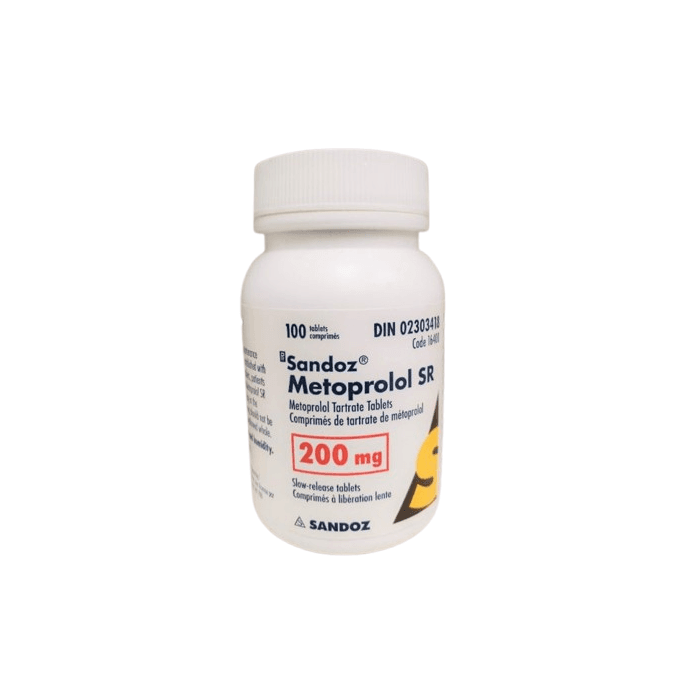
Metoprolol SR
Buy Metoprolol SR Online


Metoprolol SR is a sustained-release beta blocker used in cardiovascular care. You can buy Metoprolol SR online, view the current price, and choose the available strength that matches the directions from your clinician. Match the medicine name, release type, strength, and quantity carefully because sustained-release tablets are not the same as immediate-release metoprolol.
This medicine is intended for people who have already been directed to use metoprolol in a sustained-release or extended-release form. The tablet strength, manufacturer wording, and release system affect how the medicine is taken, so small differences on the label can matter. Keep your medicine label nearby when choosing a dose strength and order quantity.
Metoprolol SR Price and Strength Selection
The Metoprolol SR price depends on the strength, quantity, manufacturer, and cash-pay path shown during ordering. A total for one tablet count may differ from another strength or package size. Review the displayed amount together with the tablet strength rather than treating one price as a general cost for every Metoprolol SR order.
Common metoprolol extended release searches include 25 mg, 50 mg, 100 mg, and 200 mg strengths. Those numbers reflect strengths often discussed for metoprolol extended-release therapy, but your order should follow the strength shown during ordering and the directions given to you. Do not choose a higher or lower strength to change cost unless a clinician has instructed that change.
| What to match | Why it matters |
|---|---|
| Strength | The mg strength should match your directions and medicine label. |
| Release type | SR, ER, XL, and immediate-release tablets are not automatically interchangeable. |
| Quantity | The tablet count affects total cost and refill planning. |
| Brand or manufacturer wording | Apo-Metoprolol SR or generic wording may appear differently across markets. |
| Cash-pay amount | The final amount may vary by strength, quantity, and checkout details. |
If you are looking at Metoprolol SR without insurance, focus on the current cash price for the exact strength and quantity you need. Larger quantities can change the total paid at checkout, but they should still fit your ongoing treatment plan. Choosing a tablet only because it appears less expensive can create safety problems if the release type or strength does not match your directions.
Quick tip: Compare the medicine name, release letters, and mg strength before choosing quantity.
How to Order Metoprolol SR Online
To order Metoprolol SR online, start with the sustained-release tablet that matches your current directions. Choose the available strength, enter the requested patient details, and make sure your contact information is accurate in case clarification is needed. We may review order details when needed to help reduce mismatches between the requested medicine and the information provided.
The order process is usually smoother when the medicine name and release form are written consistently. For example, Metoprolol SR, metoprolol succinate ER, and other extended-release wording may appear similar in online searches, but they can refer to different salt forms, manufacturers, or release systems. Use the exact wording on your medication instructions instead of relying on a similar-looking name.
- Choose the Metoprolol SR strength shown during ordering.
- Match SR or extended-release wording to your directions.
- Review tablet quantity and total cost before checkout.
- Enter patient and contact information accurately.
- Keep the labeled container available for future comparison.
Some customers use US delivery from Canada when arranging ongoing cardiovascular medicines. Shipping details are handled during the order process; do not assume a specific delivery time, inventory status, or product substitution unless it is confirmed during checkout.
What Metoprolol SR Treats
Metoprolol is a beta blocker. Beta blockers reduce certain adrenaline effects on the heart, which can slow heart rate, lower blood pressure, and reduce the heart’s workload. Depending on the exact formulation and clinical plan, metoprolol may be used for high blood pressure, angina prevention, heart failure care, or heart rhythm-related conditions.
For blood pressure treatment, the Hypertension section can help you stay within the correct cardiovascular category. If metoprolol is part of a chest pain prevention plan, the Angina section may be useful for browsing condition-related medicines. The medicine you choose should still match your own directions rather than a broad condition category alone.
Metoprolol SR is not used to relieve sudden chest pain during an active attack. People who use it for angina prevention may still need separate instructions for acute symptoms. Seek urgent medical help for new, severe, or worsening chest pain, fainting, severe shortness of breath, or symptoms that feel unusual for you.
SR, ER, XL, and Immediate-Release Differences
SR means sustained release, and ER means extended release. These terms describe tablets designed to release medicine gradually over time. XL is another extended-release label used for some products. Immediate-release metoprolol releases medicine faster and may require a different dosing schedule.
Metoprolol succinate extended release is widely referenced in U.S. medicine information. Metoprolol tartrate is often associated with immediate-release tablets, although product naming can differ by country and manufacturer. A Canadian sustained-release product such as Apo-Metoprolol SR may not be labeled the same way as a U.S. metoprolol succinate ER product, even when both are discussed in the same treatment area.
| Term | Practical meaning |
|---|---|
| SR | Sustained-release tablet designed for gradual release. |
| ER | Extended-release tablet with time-release characteristics. |
| XL | Another extended-release naming convention used for some products. |
| IR | Immediate-release tablet that releases medicine more quickly. |
| Succinate or tartrate | Different salt forms that should not be swapped without clinician guidance. |
Why it matters: Release type affects dosing instructions, tablet handling, and product selection.
Active Ingredient and How It Works
Metoprolol blocks beta-1 receptors in the heart. This action reduces heart rate and the force of contraction, which can lower oxygen demand and help control blood pressure. The sustained-release form spreads absorption over a longer period than immediate-release tablets.
Because beta blockers affect heart rate and blood pressure, monitoring can be part of safe use. Your clinician may ask about pulse, blood pressure readings, dizziness, breathing symptoms, fatigue, or changes in exercise tolerance. These checks help determine whether the medicine is working as intended and whether any adjustments are needed.
Metoprolol SR should be taken according to the instructions provided with your medicine. Some extended-release tablets should not be crushed or chewed because damage to the tablet can alter the release pattern. If a tablet is scored, splitting may still depend on the product label and pharmacist guidance.
Side Effects, Warnings, and Monitoring
Common metoprolol side effects may include tiredness, dizziness, lightheadedness, nausea, diarrhea, and cold hands or feet. Some people notice a slower pulse or lower blood pressure. Contact a clinician if side effects persist, worsen, or interfere with daily activities.
Serious symptoms need prompt medical attention. These may include fainting, a very slow heartbeat, worsening shortness of breath, sudden swelling, chest pain, confusion, or signs of a severe allergic reaction such as facial swelling or trouble breathing. Do not stop metoprolol suddenly unless a clinician tells you to, because abrupt withdrawal can worsen angina or increase heart-related risk in some people.
Metoprolol may be unsuitable for people with certain heart rhythm problems, cardiogenic shock, severe bradycardia, or decompensated heart failure unless carefully managed. Extra caution may apply with asthma or chronic lung disease, diabetes, thyroid disease, liver impairment, circulation problems, pregnancy, or breastfeeding. Tell your healthcare team about these conditions before changing how you use this medicine.
- Pulse: Report an unusually slow heartbeat or fainting.
- Blood pressure: Seek advice for severe dizziness or lightheadedness.
- Breathing: Get help for worsening wheeze or shortness of breath.
- Diabetes: Fast heartbeat from low blood sugar may be masked.
- Stopping treatment: Avoid abrupt changes without clinician guidance.
Interactions and Safety Precautions
Metoprolol can interact with medicines that also lower heart rate or blood pressure. Examples include verapamil, diltiazem, digoxin, amiodarone, clonidine, and certain antiarrhythmic medicines. Combining these medicines can increase the risk of low blood pressure, slow pulse, dizziness, or fainting.
Some medicines can raise metoprolol levels by affecting CYP2D6, an enzyme involved in drug metabolism. Examples may include paroxetine, fluoxetine, bupropion, and quinidine. Nonsteroidal anti-inflammatory drugs may also reduce blood pressure control in some people, especially with regular use.
People using insulin or other diabetes medicines should know that beta blockers can mask a racing heartbeat during low blood sugar. Sweating may still occur. If you manage diabetes, ask how to monitor glucose and recognize hypoglycemia while taking a beta blocker.
Storage, Handling, and Travel
Metoprolol tablets are generally stored at room temperature, away from excess heat, moisture, and direct light. Keep the tablets in the original labeled container unless a pharmacist gives different instructions. Bathrooms, hot cars, and damp storage areas are poor choices for most tablets.
For travel, keep the labeled container with your regular medicines and protect tablets from heat, moisture, and crushing. Do not combine different strengths in one unlabeled container. If you travel with more than one cardiovascular medicine, clear labeling helps prevent mix-ups.
If tablets look damaged, softened, discolored, or different from what you normally receive, ask a pharmacist before taking them. Generic tablets can vary in appearance by manufacturer, but the label should still identify the medicine name, strength, and release type.
Related Cardiovascular Treatment Categories
Metoprolol SR belongs to the broader cardiovascular treatment area. The Cardiovascular Products category can help you browse related medicines when a clinician has discussed other heart or blood pressure options. Use categories for orientation, not as a reason to switch medicines on your own.
If your treatment plan involves weakened heart pumping function, the Heart Failure section may help you find related therapeutic categories. For rhythm-related care, the Arrhythmia section can help narrow browsing to medicines commonly associated with that condition area.
Educational articles in the Cardiovascular Articles category may help with general questions about heart medicines, monitoring, and treatment discussions. Internal articles should not replace individualized medical advice, especially when symptoms change or multiple heart medicines are being used together.
Questions to Ask Before Continuing
Before completing an order, make sure you understand why metoprolol SR was chosen, which strength you should use, and whether your tablet should be swallowed whole. Ask whether you should track heart rate, blood pressure, dizziness, breathing symptoms, or exercise tolerance. These questions are especially important if you have diabetes, lung disease, heart failure, or a history of very slow pulse.
Also ask what to do if you miss a dose, feel lightheaded, or notice a pulse lower than your usual range. Do not double doses or stop therapy suddenly without guidance. If another clinician adds a new medicine, mention metoprolol so interaction risks can be reviewed.
Metoprolol SR cost questions are practical, but safety comes first. The right tablet is the one that matches your treatment directions, release type, and strength. If the wording on your current container differs from the medicine you plan to order, pause and ask a pharmacist or clinician to clarify the difference.
Authoritative Sources
The following sources support key safety, release-form, and patient-use information about metoprolol extended-release tablets. They are not a replacement for the label provided with your medicine.
- Official prescribing information for metoprolol succinate extended-release tablets
- Cleveland Clinic patient information on metoprolol extended-release tablets
- Mayo Clinic information on oral metoprolol
This content is for informational purposes only and is not a substitute for professional medical advice.
Blood Pressure Average Calculator
Average home blood pressure readings and show a simple screening range.
Average BP
-
entered readings only
Range
-
screening category
These calculations are for education only and do not replace clinical advice, diagnosis, or treatment. Always confirm medical decisions with a qualified healthcare professional.
Mean Arterial Pressure Calculator
Calculate estimated mean arterial pressure from systolic and diastolic blood pressure.
MAP
-
DBP + one-third pulse pressure
These calculations are for education only and do not replace clinical advice, diagnosis, or treatment. Always confirm medical decisions with a qualified healthcare professional.
Pulse Pressure Calculator
Calculate pulse pressure from systolic and diastolic blood pressure.
Pulse pressure
-
SBP - DBP
These calculations are for education only and do not replace clinical advice, diagnosis, or treatment. Always confirm medical decisions with a qualified healthcare professional.
Target Heart Rate Calculator
Estimate exercise heart-rate zones using age, resting heart rate, and the Karvonen method.
Max HR estimate
-
220 - age
Target zone
-
Karvonen method
These calculations are for education only and do not replace clinical advice, diagnosis, or treatment. Always confirm medical decisions with a qualified healthcare professional.
Express Shipping - from $29.99
Shipping with this method takes 3-5 days
Prices:
- Dry-Packed Products $29.99
- Cold-Packed Products $39.99
Standard Shipping - $19.99
Shipping with this method takes 5-10 days
Prices:
- Dry-Packed Products $19.99
- Not available for Cold-Packed products
What is Metoprolol SR used for?
Metoprolol SR is a sustained-release beta blocker used in cardiovascular care. Depending on the formulation and clinical plan, metoprolol may be used for high blood pressure, angina prevention, heart failure care, or certain rhythm-related conditions.
Is Metoprolol SR the same as metoprolol succinate ER?
Not always. SR and ER both describe gradual-release tablets, but the salt form, manufacturer, and release system can differ. Match the exact medicine name, release wording, and strength to the directions you were given.
Can Metoprolol SR tablets be crushed or split?
Some extended-release tablets should not be crushed or chewed because this can change how the medicine is released. If a tablet is scored, splitting still depends on the product label and pharmacist guidance.
What side effects can metoprolol cause?
Common side effects may include tiredness, dizziness, lightheadedness, nausea, diarrhea, cold hands or feet, slower pulse, or lower blood pressure. Seek medical help for fainting, very slow heartbeat, worsening shortness of breath, swelling, chest pain, or allergic reaction symptoms.
What medicines can interact with Metoprolol SR?
Metoprolol can interact with medicines that lower heart rate or blood pressure, such as verapamil, diltiazem, digoxin, amiodarone, clonidine, and some antiarrhythmics. Some antidepressants, including paroxetine, fluoxetine, and bupropion, may raise metoprolol levels.
How should Metoprolol SR be stored?
Store metoprolol tablets at room temperature, away from excess heat, moisture, and direct light. Keep tablets in the labeled container and ask a pharmacist before using tablets that look damaged, softened, discolored, or different than expected.
Rewards Program
Earn points on birthdays, product orders, reviews, friend referrals, and more! Enjoy your medication at unparalleled discounts while reaping rewards for every step you take with us.
You can read more about rewards here.
POINT VALUE
How to earn points
- 1Create an account and start earning.
- 2Earn points every time you shop or perform certain actions.
- 3Redeem points for exclusive discounts.
You Might Also Like
Select options
This product has multiple variants. The options may be chosen on the product page
Select options
This product has multiple variants. The options may be chosen on the product page
Select options
This product has multiple variants. The options may be chosen on the product page
Select options
This product has multiple variants. The options may be chosen on the product page
Related Articles
Pain & Inflammation
Joint Health Habits to Prevent Injury and Maintain Strength
Joint health improves when you combine regular movement, strength training, balanced nutrition, enough recovery, and early attention to pain signals. This matters because joints need both motion and protection. Too…
Cardiovascular
Entresto Dose Planning: Strengths, Titration, and Safety
The usual Entresto dose for many adults with heart failure starts at 49/51 mg twice daily, then may increase after 2 to 4 weeks if tolerated. Some people start at…
News
New Products Coming Soon: A Practical Guide to 2025 Releases
Innovation cycles are accelerating, and signals can be noisy. This page summarizes how to track announcements, interpret evidence, and plan next steps. We focus on health, wellness, and connected-home items,…
Diabetes, Type 2
Janumet Dosage: Strengths, Meal Timing, and Monitoring
Janumet dosage is individualized for adults with type 2 diabetes based on current treatment, kidney function, tolerability, and glucose goals. The medicine combines sitagliptin with metformin, so dosing decisions must…