
Please note: a valid prescription is required for all prescription medication.
Bulk Savings
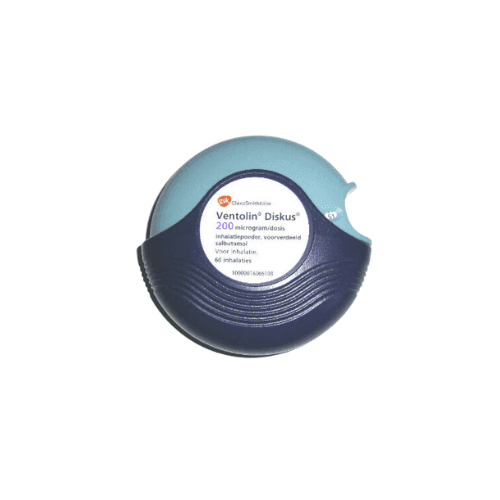
Ventolin Diskus
Ventolin Diskus Dry Powder Inhaler: Uses and Safety
Offer extended: Use code SAVE10 for 10% OFF all RX meds now through March 10, 2026. Ozempic from Canada and Mounjaro Vial not included. Coupon code cannot be combined with other offers. For products with “Bulk Savings”, the discount will be applied to the regular price for 1 unit. Maximum allowable quantity equal to a 90 day supply per single order.
Price:
$38.99
You save


What Ventolin Diskus Is and How It Works
Ventolin Diskus is a dry powder inhaler that delivers albuterol (salbutamol) into the lungs to help open tightened airways during bronchospasm. Some patients explore US shipping from Canada as one way to fill ongoing prescriptions, depending on eligibility and jurisdiction. This page explains how the device works, key safety points, and how people commonly interpret Ventolin Diskus price information without changing clinical guidance.
This medicine is a short-acting beta2-agonist (SABA), sometimes called a “rescue” bronchodilator. It works by stimulating beta2 receptors in airway smooth muscle, which can relax the muscle and reduce wheeze, chest tightness, and shortness of breath. CanadianInsulin may act as a prescription referral service and confirm prescription details with the prescriber.
Because it is a dry powder inhaler (DPI), the medication is pulled into the lungs by a quick, deep breath rather than a spray. For some people, a DPI can feel easier than coordinating a press-and-breathe metered dose inhaler, but it still requires a strong inhalation. If you are browsing similar respiratory medicines and devices, the Respiratory Products hub can help you compare formats and classes.
Ventolin Diskus is typically used for quick symptom relief, not as a daily anti-inflammatory controller. Needing rescue medicine more often than expected can signal poor control and should be reviewed with a clinician. When prescribed, dispensing is handled by licensed third-party pharmacies where permitted.
Who It’s For
This inhaler is commonly prescribed for people with reversible airway narrowing, including asthma and sometimes chronic obstructive pulmonary disease. Your clinician may discuss it as part of a broader plan that also addresses triggers and inflammation. For condition-specific browsing, see the Asthma Condition hub and the Chronic Obstructive Pulmonary Disease hub.
Ventolin Diskus price searches often come from patients trying to plan around an existing prescription, but suitability is still based on clinical factors. It may not be appropriate for people with a known allergy to albuterol or to certain inactive ingredients. Some DPIs contain lactose; patients with severe milk protein allergy should confirm device ingredients with a pharmacist and prescriber. If symptoms are severe, rapidly worsening, or not responding as expected, urgent medical evaluation is important.
Comorbid conditions can affect risk and monitoring needs. Heart rhythm problems, significant cardiovascular disease, hyperthyroidism, seizure disorders, and diabetes may warrant added caution. General day-to-day health habits can also matter for respiratory stability, including sleep and activity routines; the Building Healthy Habits guide is one practical starting point.
Dosage and Usage
Use Ventolin Diskus exactly as prescribed on your label and in your action plan. It is commonly used as needed for acute symptoms, and some care plans include use before exercise if directed. Do not change how often you use it, or take extra doses, without clinical advice. If you find you are relying on it more frequently than your plan expects, document symptoms and discuss next steps with a clinician.
Ventolin Diskus price questions sometimes arise when people are switching inhaler types, so it helps to separate device training from medication decisions. The Diskus device is breath-actuated, so consistent technique is essential to get the intended dose. If you have new or worsening shortness of breath after a dose, stop using the inhaler and seek medical care, as paradoxical bronchospasm (unexpected airway tightening) can occur.
Using a Diskus device
Follow the manufacturer instructions for your specific device. In general, you open the inhaler to prepare a dose, breathe out fully away from the mouthpiece, then seal your lips and inhale quickly and deeply. Hold your breath briefly if you are able, then exhale slowly. Avoid breathing into the mouthpiece, which can introduce moisture and affect powder flow. If your inhaler has a dose counter, check it routinely and plan ahead so you do not run out unexpectedly.
Quick tip: Keep the device dry, and practice the same inhalation speed each time.
If you use other inhalers, your clinician may recommend an order (for example, controller first vs rescue first) based on your regimen. The Respiratory Articles collection can provide general education on inhaler roles, but it does not replace individualized instructions.
Strengths and Forms
Ventolin Diskus is an inhalation powder delivered through a Diskus-style device. The product is commonly packaged as a multi-dose inhaler that releases a measured amount of powder per actuation. Exact presentation, labeled strength, and dose count can vary by country and manufacturer; check the carton and your prescription label for the details your prescriber intended.
Dry powder inhalers are different from pressurized HFA inhalers and from nebulized solutions. This matters for technique, portability, and how the dose is generated. If you have low inspiratory flow during a flare, a DPI may be harder to use effectively, so your clinician may consider alternatives based on your history.
| Form factor | What it means in practice |
|---|---|
| Dry powder inhaler | Breath-powered dose delivery; sensitive to moisture and technique. |
| Metered dose inhaler | Pressurized spray; coordination may matter, spacer may help. |
| Nebulized bronchodilator | Liquid aerosol via machine; used in some settings or plans. |
If a clinician considers changing devices, confirm whether the medication is still albuterol (salbutamol) or a different class, and whether a controller medicine is needed for long-term control.
Storage and Travel Basics
Store the inhaler in a cool, dry place as directed by the product labeling. DPIs are moisture-sensitive, so avoid storing them in bathrooms, damp bags, or areas with steam. Keep the mouthpiece closed when not in use, and do not wash the device with water unless the instructions explicitly allow it.
For travel, carry inhalers in hand luggage when possible to avoid temperature extremes and lost baggage. Keep the prescription label or medication list available, especially if you use multiple inhalers. If you use a rescue inhaler for exercise or sudden symptoms, consider keeping a backup where allowed by your plan, and track the dose counter so you can replace it before it is empty.
High heat can damage some plastics and may alter device function over time. If the inhaler looks cracked, won’t click properly, or has been exposed to significant moisture, ask a pharmacist whether replacement is needed.
Side Effects and Safety
Like other albuterol inhalers, Ventolin Diskus can cause side effects related to beta-agonist activity. Common effects may include tremor, nervousness, headache, throat irritation, cough, or a faster heartbeat. These are often mild, but they can be more noticeable with higher use.
Seek medical attention for serious symptoms such as chest pain, fainting, severe dizziness, or worsening breathing right after a dose. Rarely, albuterol can contribute to low potassium (hypokalemia) or changes in blood glucose, which may be relevant for people with diabetes or those on certain diuretics. If you are balancing multiple health priorities, the Living With Diabetes resource may support general planning alongside clinician guidance.
When reviewing Ventolin Diskus price information, also review safety signals that suggest a need for reassessment. Over-reliance on rescue therapy can indicate uncontrolled airway disease and higher risk of exacerbations. A clinician may adjust controller therapy, evaluate triggers, or reassess diagnosis rather than simply increasing rescue use.
Why it matters: Frequent symptoms can be a sign your long-term plan needs updating.
Drug Interactions and Cautions
Tell your prescriber and pharmacist about all medicines you use, including non-prescription products. Beta-blockers (including some eye drops) can reduce bronchodilator response and may worsen bronchospasm in susceptible patients. Other sympathomimetics (stimulants or decongestants) may increase side effects such as palpitations or tremor when combined.
Certain antidepressants, including monoamine oxidase inhibitors and tricyclic antidepressants, may increase cardiovascular effects of beta-agonists; your clinician may recommend spacing or monitoring depending on the specific agents. Diuretics can contribute to potassium lowering, which may be additive with beta-agonists in some situations. Ventolin Diskus price comparisons should not substitute for interaction screening, especially if you have heart disease, arrhythmia history, or are using multiple inhaled therapies.
Alcohol and caffeine do not directly “interact” in a classic sense, but they may make tremor or jitteriness more noticeable for some people. If you notice new anxiety, sleep disruption, or rapid heartbeat after use, track timing and discuss it with your care team.
Compare With Alternatives
Different inhalers may use different propellants, devices, or medication classes even when they treat similar symptoms. One common alternative rescue format is an albuterol metered dose inhaler, such as Ventolin Hfa Inhaler. Clinicians may choose between DPI and HFA based on technique, inspiratory flow, and patient preference, while keeping the same active ingredient in some cases.
Many patients also need a controller medicine to reduce airway inflammation over time. Combination inhalers that include an inhaled corticosteroid with a long-acting bronchodilator (LABA) are used for maintenance in selected asthma or COPD regimens; an example format is Advair Diskus. Ventolin Diskus price is best interpreted in the context of which role the inhaler plays (rescue vs maintenance) and whether your plan includes more than one device.
Other maintenance options may include long-acting muscarinic antagonists (LAMA) or different steroid/LABA combinations. A clinician can help confirm which medications are intended for daily control and which are for quick relief.
Pricing and Access
Access to prescription inhalers depends on prescription validity, local regulatory requirements, and pharmacy verification steps. In many workflows, prescription details are checked with the prescriber before referral is processed. Ventolin Diskus price can vary based on formulation, pack configuration, and whether a generic equivalent is available for your prescribed device.
Coverage depends on the plan and region, and some people evaluate cash-pay options if benefits are limited. If you are without insurance, ask a pharmacist what documentation is needed and whether a therapeutically appropriate substitute is allowed under local rules. Eligibility can affect cash-pay options and whether cross-border fulfilment is appropriate.
It is also reasonable to ask whether your prescription specifies “no substitution,” whether a spacer is required (for non-DPI devices), and how many inhalers should be dispensed at a time. Keeping a written asthma or COPD action plan can reduce confusion about which inhaler to use for which symptoms.
Authoritative Sources
These sources provide label-level and guideline-level context for albuterol and for managing asthma and COPD. They can help you confirm terminology, typical precautions, and when urgent evaluation is recommended.
- Medication overview and common warnings: MedlinePlus Albuterol Inhalation.
- Product labeling details and contraindications: DailyMed Drug Labels.
- Asthma management framework and controller concepts: Global Initiative For Asthma.
When temperature control is required, packages may use prompt, express, cold-chain shipping with standard insulation.
This content is for informational purposes only and is not a substitute for professional medical advice.
Express Shipping - from $25.00
Shipping with this method takes 3-5 days
Prices:
- Dry-Packed Products $25.00
- Cold-Packed Products $35.00
Standard Shipping - $15.00
Shipping with this method takes 5-10 days
Prices:
- Dry-Packed Products $15.00
- Not available for Cold-Packed products
What is Ventolin Diskus used for?
Ventolin Diskus is a dry powder inhaler that contains albuterol (also called salbutamol). It is commonly prescribed as a short-acting “rescue” bronchodilator for quick relief of symptoms caused by airway tightening, such as wheeze, chest tightness, or shortness of breath. It may be used in asthma and sometimes in COPD, depending on the treatment plan. It does not replace daily controller medicines when those are needed to manage inflammation and reduce exacerbation risk.
How is a Ventolin Diskus inhaler different from an HFA inhaler?
A Diskus device is a dry powder inhaler (DPI), which relies on a strong, quick breath to pull medication into the lungs. An HFA inhaler is a pressurized metered dose inhaler that sprays a mist when the canister is pressed. The main difference is technique: DPIs require adequate inspiratory flow and must be kept dry, while HFA inhalers may require coordination and sometimes benefit from a spacer. Your clinician or pharmacist can confirm which device best matches your needs.
How do I use a Diskus device correctly?
Technique varies by product, so follow the specific instructions that come with your inhaler. In general, you open the device to prepare a dose, breathe out fully away from the mouthpiece, then inhale quickly and deeply through the mouthpiece. Hold your breath briefly if you can, then exhale slowly. Avoid breathing into the device, since moisture can affect the powder. If your inhaler has a dose counter, check it regularly and replace the device before it reaches zero.
What side effects should I watch for with albuterol inhalers?
Common side effects can include shakiness, nervousness, headache, throat irritation, cough, or a faster heartbeat. These effects may be more noticeable if the inhaler is used more often. Serious symptoms need urgent evaluation, including chest pain, fainting, severe dizziness, or worsening breathing right after use (paradoxical bronchospasm). Albuterol can also affect potassium and blood glucose in some situations. Keep a symptom log and share it with your clinician if you notice new or escalating effects.
Can I use Ventolin Diskus with other inhalers?
Many people use more than one inhaler, such as a rescue bronchodilator plus a daily controller (for example, an inhaled corticosteroid or a combination inhaler). Using multiple devices can be safe, but the timing and role of each inhaler should be clear in your action plan. Tell your clinician and pharmacist about all inhalers you use, including nebulized medicines. This helps avoid duplicate therapy and reduces the chance of side effects from overlapping bronchodilators.
What should I ask my clinician before switching from one inhaler device to another?
Ask whether the active medication and dose are truly equivalent, and whether the new device changes how the dose is delivered. It is also helpful to ask for a technique demonstration and written steps, since DPIs and HFA inhalers require different breathing patterns. If you have frequent symptoms, ask whether your long-term controller therapy should be adjusted rather than relying more on rescue use. Finally, confirm what to do during an exacerbation and when to seek urgent care.
How should I store Ventolin Diskus and travel with it?
Dry powder inhalers should be stored as directed on the label, typically in a cool, dry place away from humidity. Keep the device closed when not in use, and avoid storing it in bathrooms or other damp areas. For travel, carry inhalers in hand luggage when possible, and protect them from temperature extremes. Keep your medication list or prescription label accessible, especially if you use multiple inhalers. If the device is cracked or exposed to significant moisture, ask a pharmacist whether replacement is needed.
Rewards Program
Earn points on birthdays, product orders, reviews, friend referrals, and more! Enjoy your medication at unparalleled discounts while reaping rewards for every step you take with us.
You can read more about rewards here.
POINT VALUE
How to earn points
- 1Create an account and start earning.
- 2Earn points every time you shop or perform certain actions.
- 3Redeem points for exclusive discounts.
You Might Also Like
Select options
This product has multiple variants. The options may be chosen on the product page
Select options
This product has multiple variants. The options may be chosen on the product page
Select options
This product has multiple variants. The options may be chosen on the product page
Select options
This product has multiple variants. The options may be chosen on the product page
Related Articles
Weight Management
GLP-1 Drugs for Weight Loss: Options, Risks, and Next Steps
Key Takeaways These medicines target appetite signals and digestion to support weight management. Approval and use vary by product, condition, and country-specific labeling. Many options are injections; one GLP-1 medicine…
Cardiovascular
SGLT2 Inhibitors Mechanism of Action in Heart Failure
Overview Heart failure is not just a “weak heart.” It is a body-wide syndrome that affects fluid balance, kidneys, and energy use. Understanding sglt2 inhibitors mechanism of action in heart…
Diabetes, Type 2
DPP-4 Inhibitors Weight Loss: What Research Shows Clinically
Key Takeaways DPP-4 inhibitors usually have little effect on body weight. Most studies describe this class as “weight neutral,” not weight-loss therapy. Weight change often depends more on diet, activity,…
Diabetes, Type 2
Sitagliptin Side Effects: Practical Signs, Risks, Next Steps
Key Takeaways Most reactions are mild, but pattern matters. Stomach upset and diarrhea can occur, especially with metformin. Rash and swelling need prompt evaluation for allergy. Severe abdominal pain is…