
Please note: a valid prescription is required for all prescription medication.
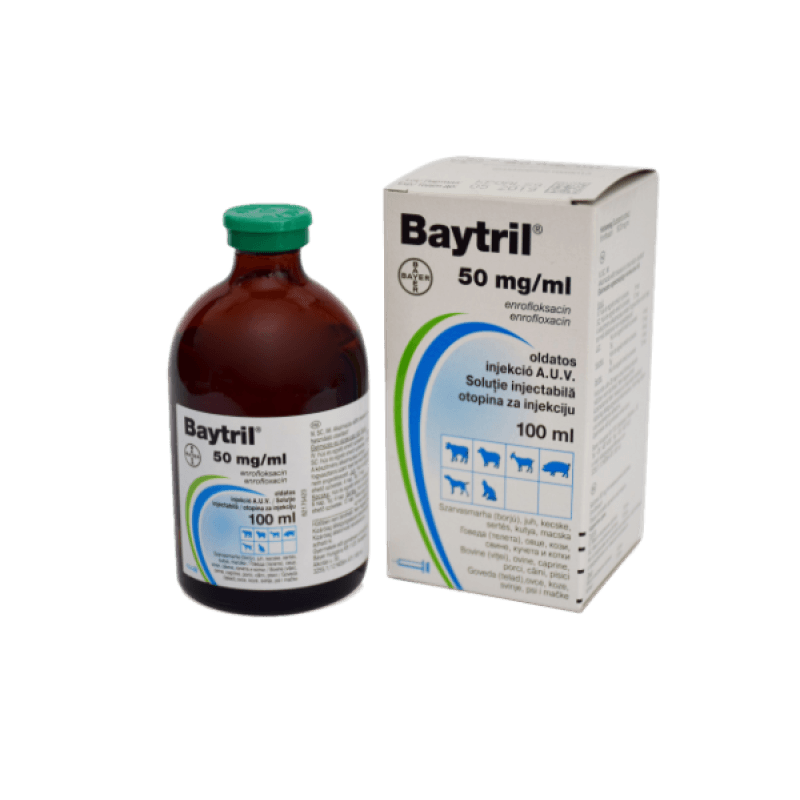
Baytril Injection
Buy Baytril Injection Online


Baytril Injection is a veterinary enrofloxacin injection used for susceptible bacterial infections when a veterinarian chooses an injectable fluoroquinolone antibiotic. You can buy Baytril Injection online, view the current price during ordering, and choose the strength or vial size available that matches the clinic directions. Match the active ingredient, concentration, species labeling, and quantity carefully before checkout.
Enrofloxacin injectable solution is not a general wellness product or a treatment for viral illness, parasites, or non-bacterial inflammation. It is intended for bacterial infections that are expected to respond to enrofloxacin, and the animal’s species, weight, diagnosis, and route of administration all affect whether a particular vial is appropriate.
For US delivery from Canada, use the label name and concentration rather than a similar-looking brand-family product. Baytril 2.27 injection, Baytril 100 injectable, and other enrofloxacin injection products may differ in strength, species directions, and food-animal restrictions.
Baytril Injection Price, Cost, and Strength Selection
The Baytril Injection price depends on the exact enrofloxacin injectable solution being ordered. Concentration, vial volume, package count, and species labeling can all affect the cash price. A larger vial is not always the better match if the concentration or animal label differs from the clinic’s instructions.
Baytril Injection cost comparisons should start with the mg per mL or percentage shown on the vial. The total mL in a vial tells you how much solution is inside, but it does not tell you the dose for a dog, cat, calf, pig, or other animal. Dose volume changes when the concentration changes.
| Ordering detail | What to match | Why it matters |
|---|---|---|
| Active ingredient | Enrofloxacin | Confirms the antibiotic named by the clinic. |
| Concentration | mg per mL or percentage | Changes the measured injection volume. |
| Vial size | Total mL in the vial | Affects total contents and quantity needed. |
| Species labeling | Dog, cat, cattle, or swine directions | Species limits and warnings may differ. |
| Quantity | Number of vials or packs | Changes the cart total and supply amount. |
If you are paying without insurance, review the displayed cash price and vial quantity together. Coverage, reimbursement, or animal health plan questions should be handled with the relevant provider, because the medicine, animal species, and diagnosis may affect how costs are managed.
Quick tip: Keep the clinic’s written directions beside you while matching label strength and species information.
How to Order the Correct Enrofloxacin Injection
Order Baytril Injection online by matching the brand name, active ingredient, concentration, vial size, and animal species to the clinic instructions. If the directions use the generic name enrofloxacin injection, do not assume every Baytril injectable solution is interchangeable.
- Match the medicine name: Look for Baytril and enrofloxacin on the label.
- Match the strength: Confirm the concentration before choosing a vial.
- Match the species: Use dog, cat, cattle, or swine labeling as directed.
- Choose the quantity: Base vial count on the clinic’s treatment plan.
- Save the label: Keep carton and vial information for follow-up visits.
Order details may be checked if the medicine name, clinic directions, or animal information needs clarification. Products are supplied through licensed pharmacies, and accurate animal and clinic information helps prevent strength or species-label mix-ups.
When arranging prompt, express, cold-chain shipping, follow the package label after arrival. Injectable veterinary medicines should be protected from extreme heat, freezing, contamination, and rough handling during transport and storage.
What Baytril Injectable Solution Treats
Baytril antibiotic injection contains enrofloxacin, a fluoroquinolone antibacterial medicine. Fluoroquinolones work by interfering with bacterial enzymes needed for DNA replication, which helps stop susceptible bacteria from multiplying. The medicine is used only when the veterinarian considers enrofloxacin appropriate for the suspected or confirmed bacterial infection.
Baytril Injection for bacterial infections may be considered for infections caused by bacteria that are expected to be susceptible to enrofloxacin. Culture and sensitivity testing can help identify whether bacteria are likely to respond, especially when infection is severe, recurrent, or not improving as expected.
Antibiotic treatment should not be reused for another animal simply because signs look similar. Coughing, skin lesions, fever, appetite changes, urinary signs, or wound drainage can have different causes. The right antibiotic, route, dose, and duration depend on the animal and the diagnosis.
For condition-based browsing, the Pet Bacterial Infection section can help you review related animal-health products connected to bacterial infection care. Product choice should still follow the clinic’s instructions and any culture results.
Dogs, Cats, Cattle, and Swine Considerations
Baytril Injection for dogs is commonly discussed for susceptible bacterial infections managed by veterinarians. Dogs may receive different enrofloxacin products than food animals, and the route, concentration, and treatment interval must match the clinic directions.
Baytril Injection for cats requires extra caution. Cats may have dose-related safety concerns with enrofloxacin products, including rare but serious eye-related adverse effects reported with excessive exposure. Do not substitute strengths, routes, or schedules for a cat unless the clinic directly confirms the change.
Baytril Injection for cattle and Baytril Injection for swine may involve food-animal rules that do not apply to pets. Withdrawal intervals, species restrictions, and limits on extra-label use are important for meat, milk, and market decisions. A livestock-labeled Baytril 100 injectable product is not automatically appropriate for a pet, and a companion-animal injection is not automatically appropriate for cattle or pigs.
Because different species metabolize and tolerate medicines differently, the species named on the label matters as much as the brand name. If the animal’s species, age, production status, or pregnancy status has changed since the clinic visit, ask the veterinary team before using the injection.
Dosing and Administration Checks
Baytril Injection dosage should come from the veterinarian, not from a price table or vial size. Dose calculations may use current body weight, infection type, route, treatment interval, and the enrofloxacin concentration. A small difference in mg per mL can change the mL drawn into the syringe.
Before giving any injection, compare the clinic directions with the vial label. The dose should make sense in mg, mL, frequency, and route. If any number is unclear, pause and contact the clinic before administration.
- Weight basis: Use the current animal weight given to the clinic.
- Concentration check: Confirm mg per mL before measuring volume.
- Route check: Follow the route stated by the veterinary team.
- Syringe check: Use clean equipment and the correct measuring scale.
- Missed timing: Ask the clinic before doubling or shifting doses.
Do not increase, repeat, shorten, or stop injectable antibiotics on your own. Too little medicine, too much medicine, or the wrong duration can reduce treatment success, increase side-effect risk, and contribute to antimicrobial resistance.
Why it matters: Two similar vials can deliver very different amounts of enrofloxacin.
Storage, Handling, and Injection Safety
Store Baytril injectable solution according to the package label. Keep the vial in its original packaging when possible, protect it from contamination, and do not use an injectable solution that is cloudy, discolored, leaking, or past its expiration date.
Sterility matters with injectable medications. Do not touch needle tips, reuse contaminated needles, draw from the vial with unclean equipment, or leave punctured materials where children or animals can reach them. Dispose of sharps according to local requirements or the clinic’s instructions.
Transport can expose vials to temperature swings and breakage. Keep the medicine protected from freezing, excessive heat, direct sunlight, and rough handling. After delivery, the storage instructions printed on the vial or carton should be followed exactly.
Bring the vial, carton, or a clear photo of the label to follow-up visits. The clinic can use the strength, lot, and product name to evaluate response, adverse effects, culture results, or any need to change treatment.
Side Effects, Warnings, and Monitoring
Baytril Injection side effects may include vomiting, diarrhea, reduced appetite, local injection-site discomfort, swelling, or changes in behavior. Some animals may show lethargy or signs that the infection is not improving, which should be discussed with the veterinary team.
Fluoroquinolone antibiotics can affect the nervous system in some animals. Tremors, seizures, severe weakness, collapse, loss of coordination, or sudden major behavior changes need urgent veterinary attention. Animals with a seizure history, dehydration, kidney disease, liver disease, poor appetite, or severe systemic infection may need closer monitoring.
Young growing animals may have special risks with fluoroquinolones because this drug class has been associated with cartilage effects in some species. Animals with known allergy to quinolone antibiotics should not receive enrofloxacin unless the veterinarian has evaluated the situation and chosen it despite that history.
- Digestive signs: Watch for vomiting, diarrhea, or refusal to eat.
- Injection site: Report swelling, heat, drainage, or marked pain.
- Neurologic signs: Seek help for tremors, seizures, or collapse.
- Cat safety: Ask about eye risks and dose limits.
- Food animals: Follow withdrawal intervals and label restrictions.
Tell the clinic about all medicines, supplements, and recent treatments the animal has received. Interactions may matter with anti-inflammatory drugs, other antibiotics, seizure-related medicines, or mineral-containing products if an oral antibiotic is also being used before or after injectable therapy.
Response timing varies by infection site, bacterial susceptibility, severity, immune status, and whether drainage or other care is needed. Contact the clinic promptly if fever continues, breathing worsens, appetite declines, pain increases, or the infection appears to spread.
Baytril 2.27 Injection and Baytril 100 Injectable Differences
Baytril 2.27 injection and Baytril 100 injectable are names often used when comparing enrofloxacin injection products. They should not be treated as simple substitutes. The numbers may refer to different concentrations, species labeling, and use settings.
For buying decisions, compare the active ingredient, concentration, vial size, species directions, and route rather than the brand family alone. A companion-animal injection and a livestock-labeled product can involve different warnings and legal use limits.
The same caution applies when comparing Baytril Injection with other animal antibiotics. Different antibiotics target different bacteria, have different safety concerns, and may require different monitoring. The Pet Medications category can help you browse animal-health products, but antibiotic selection should remain tied to the clinic’s diagnosis.
When to Contact the Veterinary Clinic
Contact the clinic before administration if the vial strength does not match the written directions, the species on the label seems wrong, the solution looks abnormal, or the animal’s condition has changed. Injectable antibiotics should not be guessed or adjusted at home.
Reach out during treatment if side effects occur, a dose is missed, signs worsen, or there is no expected improvement. The clinic may recommend an exam, lab work, culture testing, a different antibiotic, supportive care, or a change in route.
For cattle, swine, or other food-producing animals, contact the veterinarian before any meat, milk, or market decision if enrofloxacin has been used. Withdrawal and restriction rules are part of safe antibiotic use and food safety planning.
Authoritative Sources
These sources support key label and veterinary safety points for enrofloxacin injectable products.
- Official product information: Elanco Baytril injectable information.
- Official label file: DailyMed enrofloxacin injection label.
- Veterinary medication overview: VIN enrofloxacin overview.
This content is for informational purposes only and is not a substitute for professional medical advice.
Research & Education Tool
Baytril Injection Dosage Calculator
Enter the vial amount, diluent volume, and target amount to estimate concentration, draw volume on a 1 mL U-100 syringe, and approximate vial yield.
For research and educational use only. Check all values against the product label, certificate of analysis, and any applicable professional guidance before relying on the result.
mg
Concentration
-
mcg / mL
Volume per Dose
-
-
Estimated Draws / Vial
-
rounded down to whole draws
Draw Reference
Enter values to estimate the syringe mark.
0
-
-
-
-
Express Shipping - from $29.99
Shipping with this method takes 3-5 days
Prices:
- Dry-Packed Products $29.99
- Cold-Packed Products $39.99
Standard Shipping - $19.99
Shipping with this method takes 5-10 days
Prices:
- Dry-Packed Products $19.99
- Not available for Cold-Packed products
What is Baytril Injection used for?
Baytril Injection is an enrofloxacin injectable antibiotic used for susceptible bacterial infections in animals when a veterinarian selects an injectable fluoroquinolone. It is not used for viral illnesses, parasites, or non-bacterial inflammation unless a bacterial component is identified.
Is Baytril Injection the same as Baytril 100 injectable?
Not always. Baytril 100 injectable and Baytril 2.27 injection may refer to different concentrations, species labeling, and use settings. Match the active ingredient, strength, vial size, route, and species directions before ordering or administering the medicine.
How is Baytril Injection dosage determined?
Baytril Injection dosage is based on factors such as species, current weight, diagnosis, route, treatment interval, and vial concentration. Do not estimate the dose from vial size or price information; ask the veterinary clinic if any direction is unclear.
What side effects can Baytril Injection cause?
Possible side effects include vomiting, diarrhea, reduced appetite, injection-site discomfort, swelling, lethargy, or behavior changes. Tremors, seizures, collapse, severe weakness, or sudden coordination problems require urgent veterinary attention.
Can Baytril Injection be used in cats?
Baytril Injection may be used in cats only when the veterinary team chooses the exact product and directions. Cats can have dose-related safety concerns with enrofloxacin, including rare serious eye problems reported with excessive exposure.
How should enrofloxacin injectable solution be stored?
Store enrofloxacin injectable solution according to the vial or carton label. Protect it from contamination, freezing, excessive heat, and direct sunlight, and do not use it if the solution is discolored, cloudy, leaking, or expired.
Rewards Program
Earn points on birthdays, product orders, reviews, friend referrals, and more! Enjoy your medication at unparalleled discounts while reaping rewards for every step you take with us.
You can read more about rewards here.
POINT VALUE
How to earn points
- 1Create an account and start earning.
- 2Earn points every time you shop or perform certain actions.
- 3Redeem points for exclusive discounts.
You Might Also Like
Select options
This product has multiple variants. The options may be chosen on the product page
Select options
This product has multiple variants. The options may be chosen on the product page
Select options
This product has multiple variants. The options may be chosen on the product page
Select options
This product has multiple variants. The options may be chosen on the product page