
Please note: a valid prescription is required for all prescription medication.
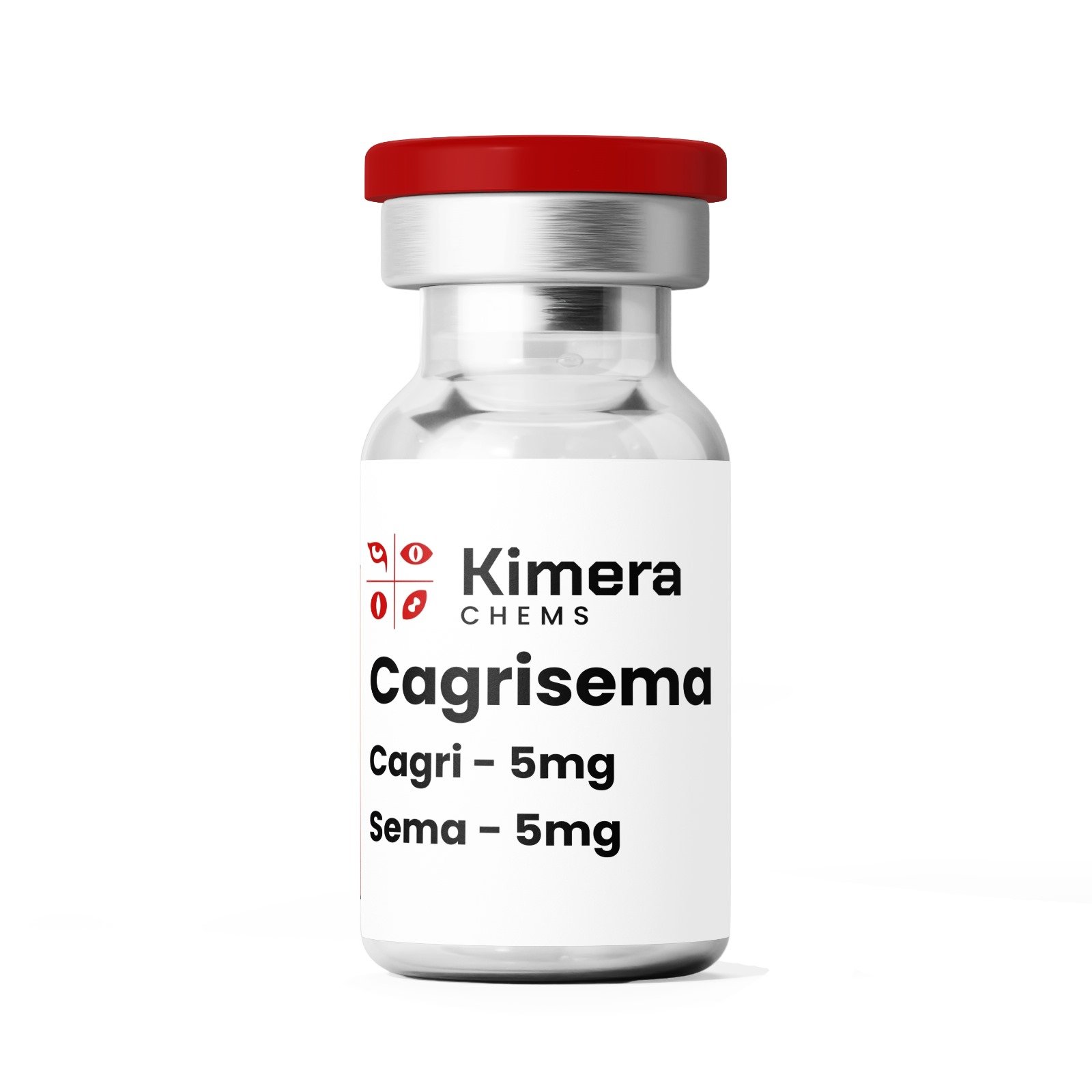
Cagrisema
Buy CagriSema Online


CagriSema is an injectable cagrilintide and semaglutide combination studied for weight management and type 2 diabetes. It can be ordered online when the dose or strength shown during ordering matches your clinician’s directions. Choose the cagrilintide and semaglutide strength, quantity, and injectable format carefully so the medicine you receive aligns with the treatment plan.
Cagrisema price, dose information, and availability should be read together because similar names can represent different total contents or use schedules. If more than one strength, quantity, or pack format appears during ordering, use the written directions from your care team as the controlling reference. For customers planning US delivery from Canada, confirm the order information, address, and handling needs before submitting.
CagriSema Price, Strength, and Quantity Choices
The CagriSema price is tied to the exact strength, injectable format, and quantity chosen during ordering. Compare the amount beside the cagrilintide and semaglutide wording, total contents, and pack count rather than relying on the product name alone. A medicine in this class may have similar branding across strengths while the delivered dose or treatment stage differs.
If a 2.4 mg reference appears in clinical or product context, do not treat it as a substitute for the strength your clinician directed. Some CagriSema clinical studies discuss target doses such as cagrilintide 2.4 mg with semaglutide 2.4 mg, but ordering decisions should follow the strength and quantity shown at checkout and the care plan you were given.
| Detail to match | Why it matters |
|---|---|
| Active ingredients | Confirm the combination names cagrilintide and semaglutide when they are shown. |
| Strength or dose | Match the number and unit exactly, especially around any 2.4 mg references. |
| Injectable format | Follow the format shown during ordering and any training from your care team. |
| Quantity | Read pack count, total contents, and refill timing as separate practical details. |
| Total charge | Review the final amount after quantity and service details are entered. |
Quick tip: Keep a copy of the strength, quantity, and active ingredient wording for your clinic notes.
How to Order CagriSema Online
To order CagriSema online, start with the strength and quantity that match your clinician’s directions. Enter your legal name, current contact information, and delivery address carefully. Small errors can delay review or create confusion with injectable medicines that have similar class names, dose steps, or active ingredients.
- Choose the CagriSema strength and quantity that match the written directions.
- Review the active ingredient wording for cagrilintide and semaglutide.
- Enter contact and address information exactly as it should appear on the order.
- Respond promptly if the order team asks for clarification about the medicine.
- Plan refill timing early if refrigeration or cold-chain handling is needed.
Cash-pay customers should review the total after strength, quantity, and shipping information are entered. Insurance coverage questions may depend on diagnosis, plan rules, and whether treatment is being considered for weight management, type 2 diabetes, or another clinical reason. The Weight Management category can help you view related weight-focused medicines when your clinician has discussed more than one acceptable treatment path.
Availability, Status, and Clinical Study Context
CagriSema availability may be discussed in both pharmacy and clinical-trial contexts, so separate ordering information from news about research. CagriSema combines cagrilintide, an amylin analogue, with semaglutide, a GLP-1 receptor agonist. GLP-1 receptor agonists are incretin-based medicines that can affect appetite, stomach emptying, and glucose regulation.
The combination has been studied as a once-weekly subcutaneous injection in adults with obesity, overweight, and type 2 diabetes. Trial discussions do not make CagriSema interchangeable with approved semaglutide-only products or tirzepatide products. Your clinician should decide whether the medication, strength, and treatment goal fit your health history.
People researching obesity or overweight treatment can compare condition-specific product groupings under Obesity and Overweight. Those looking at glucose-focused care can also review Type 2 Diabetes and the broader GLP-1 Agonists category. Use those sections for treatment discussions with your care team, not for self-switching between medicines.
What CagriSema Is Used For
CagriSema is being evaluated for weight management and type 2 diabetes because its two active ingredients work through related but distinct pathways. Cagrilintide is designed to act like amylin, a hormone involved in fullness and appetite signals. Semaglutide activates GLP-1 receptors, which can influence appetite, glucose-dependent insulin release, and how quickly the stomach empties.
For weight management, the clinical interest is appetite regulation and reduced energy intake under medical supervision. For type 2 diabetes, semaglutide’s glucose effects are part of why the combination is being studied. This does not mean CagriSema treats type 1 diabetes, diabetic ketoacidosis, or every cause of weight gain.
Treatment goals should be practical and measurable. Your clinician may follow weight, waist measurements, A1C, fasting glucose, kidney function, gastrointestinal tolerance, and nutrition status depending on why the medicine is being used. If reduced appetite leads to very low intake, dehydration, dizziness, or persistent vomiting, medical advice is needed.
Doses, Injection Use, and Device Handling
CagriSema doses should follow the strength and schedule chosen by your clinician. Do not split, combine, or stretch injections to imitate a different dose. Injectable combination medicines can have titration steps, storage requirements, and side-effect patterns that differ from single-ingredient GLP-1 medicines.
If the medicine is supplied in an injection device or container, follow the instructions included with that exact format. Pen priming, needle attachment, injection-site selection, and dose delivery checks can vary between devices. If training is needed, ask your clinic or pharmacist to demonstrate the steps before the first dose.
- Use the dose and schedule from your care plan.
- Inspect the container or device before each injection.
- Do not use cloudy, discolored, or particle-containing solution unless the official instructions say otherwise.
- Rotate injection sites as directed to reduce local irritation.
- Dispose of needles and sharps in an approved sharps container.
Why it matters: Injection technique affects comfort, dose delivery, and safe disposal.
Storage, Travel, and Delivery Handling
Injectable medicines often need temperature control. Follow the package insert and carton instructions for refrigeration, room-temperature time, light exposure, and disposal after opening. Do not freeze the medicine, and do not use it if you believe it was stored outside the allowed range.
During travel, keep the medicine in its original packaging when possible and protect it from heat. Air travel usually requires extra planning because checked luggage can be exposed to temperature changes. Carry supplies such as needles, alcohol swabs, and a sharps container if your injection format requires them.
Orders requiring temperature control may use prompt, express, cold-chain shipping. Delivery timing should still be planned conservatively, especially if you are close to running out. Arrange refills early enough to account for handling requirements, holidays, weather disruptions, or questions about the strength or quantity.
- Store according to the labeled temperature range.
- Protect the medicine from freezing and direct heat.
- Keep injectable supplies together during travel.
- Inspect the carton, device, and solution before use.
- Ask before using a product with damaged packaging or temperature concerns.
Side Effects, Warnings, and Monitoring
CagriSema side effects may include gastrointestinal symptoms because semaglutide-containing and related incretin therapies commonly affect the stomach and intestines. Nausea, vomiting, diarrhea, constipation, abdominal discomfort, decreased appetite, burping, and injection-site reactions can occur. These effects may be more noticeable when therapy begins or when the dose changes.
Serious symptoms need prompt medical attention. Seek help for severe or persistent abdominal pain, repeated vomiting, signs of dehydration, fainting, symptoms of gallbladder disease, allergic reaction, or low blood glucose if you also use glucose-lowering medicines. Abdominal pain that spreads to the back with nausea or vomiting can be a warning sign of pancreatitis.
Safety screening should consider thyroid cancer history, multiple endocrine neoplasia type 2, pancreatitis, gallbladder disease, kidney disease, severe stomach-emptying problems, diabetic eye disease, eating disorders, pregnancy plans, and breastfeeding. Semaglutide labels for marketed products include restrictions for people with a personal or family history of medullary thyroid carcinoma or MEN2. Your clinician should decide how those warnings apply to CagriSema and your health history.
| Safety topic | What to discuss |
|---|---|
| Low blood glucose | Risk can rise when glucose-lowering therapy is combined with insulin or sulfonylureas. |
| Kidney function | Vomiting or diarrhea can cause dehydration and worsen kidney problems. |
| Gallbladder symptoms | Upper abdominal pain, fever, or yellowing skin needs medical evaluation. |
| Stomach emptying | Delayed emptying may affect oral medicines and procedure planning. |
| Pregnancy or breastfeeding | Weight management and glucose medicines may have specific restrictions. |
Monitoring may include weight, blood glucose, A1C, kidney function, hydration, gastrointestinal tolerance, and nutrition intake. People with diabetes should ask whether glucose targets or other medicines need adjustment. Do not change insulin, sulfonylureas, or other diabetes medicines without clinical direction.
Interactions and Procedure Planning
Tell your clinician about prescription medicines, non-prescription products, vitamins, and supplements before starting a GLP-1 based injectable. Semaglutide can slow stomach emptying, which may change how some oral medicines are absorbed or tolerated. Medicines with a narrow therapeutic range may need closer monitoring.
Insulin and sulfonylureas deserve special attention because they can cause hypoglycemia. If appetite drops, meals become smaller, or vomiting occurs, blood glucose patterns can change quickly. A glucose-monitoring plan is especially important for people with type 2 diabetes, kidney disease, irregular meals, or recent medication changes.
Before surgery, endoscopy, or anesthesia, ask the procedure team how to handle medicines that delay stomach emptying. Some clinicians may adjust timing to reduce aspiration risk. Follow the instructions from the team performing the procedure, because recommendations can differ by health status and type of anesthesia.
CagriSema Compared With Wegovy, Ozempic, and Tirzepatide
CagriSema vs Wegovy, Ozempic, or tirzepatide is a common question because these medicines can affect appetite, weight, or glucose. The important differences are active ingredients, labeled uses, dosing schedules, titration plans, device instructions, storage requirements, and safety warnings. Product names alone do not show which therapy is safer or more appropriate for an individual.
Wegovy is a semaglutide injection used for chronic weight management in approved settings. Ozempic is a semaglutide injection used for type 2 diabetes and certain cardiovascular-risk indications on its label. Tirzepatide products act on both GIP and GLP-1 receptors, giving them a different ingredient profile from semaglutide-only and cagrilintide-semaglutide therapies.
- Non-insulin diabetes medicines group several glucose-focused treatment classes.
- Diabetes medications can help frame broader glucose-treatment discussions.
- Weight management articles provide background topics to discuss with a care team.
- Type 2 diabetes articles cover monitoring and treatment considerations.
Use comparisons to prepare better questions, not to replace medical guidance. Ask about the active ingredient, expected titration, injection training, gastrointestinal effects, glucose monitoring, pregnancy considerations, and what to do if side effects interfere with meals or hydration.
Authoritative Sources
Clinical sources can help separate trial evidence from routine treatment decisions. They should support, not replace, the instructions from your clinician and the medicine information supplied with your order.
- Clinical trial record: ClinicalTrials.gov CagriSema study record.
- Published research indexing: PubMed record on cagrilintide and semaglutide.
Regulatory status, marketed presentations, and clinical guidance can change. Before using CagriSema, rely on the strength, quantity, instructions, and patient information supplied with the medicine and confirm individualized questions with your healthcare professional.
This content is for informational purposes only and is not a substitute for professional medical advice.
BMI Calculator
Estimate adult body mass index from height and weight, with metric and imperial units.
BMI
-
kg/m2 equivalent
Category
-
Adult screening range
These calculations are for education only and do not replace clinical advice, diagnosis, or treatment. Always confirm medical decisions with a qualified healthcare professional.
Calorie & TDEE Calculator
Estimate resting energy needs and daily calorie range from age, sex, body size, and activity level.
Hold Ctrl or Cmd to select more than one calculator.
BMR
-
estimated calories/day at rest
Maintenance
-
BMR multiplied by activity
Weight loss guide
-
maintenance minus 500 kcal/day
These calculations are for education only and do not replace clinical advice, diagnosis, or treatment. Always confirm medical decisions with a qualified healthcare professional.
Macro Calculator
Split a daily calorie target into protein, carbohydrate, and fat ranges using common nutrition planning ratios.
Protein
-
grams/day at 4 kcal/g
Carbohydrate
-
grams/day at 4 kcal/g
Fat
-
grams/day at 9 kcal/g
These calculations are for education only and do not replace clinical advice, diagnosis, or treatment. Always confirm medical decisions with a qualified healthcare professional.
Protein Intake Calculator
Estimate daily protein grams from body weight and nutrition goal.
Daily protein
-
grams/day
Per meal
-
daily target divided by meals
Protein calories
-
4 kcal per gram
These calculations are for education only and do not replace clinical advice, diagnosis, or treatment. Always confirm medical decisions with a qualified healthcare professional.
Weight Loss Timeline Calculator
Estimate a simple timeline from current weight, goal weight, and average daily calorie deficit.
Estimated weekly change
-
based on 3,500 kcal per lb
Estimated time
-
simple arithmetic estimate
Approx. date
-
if average deficit is maintained
These calculations are for education only and do not replace clinical advice, diagnosis, or treatment. Always confirm medical decisions with a qualified healthcare professional.
Express Shipping - from $29.99
Shipping with this method takes 3-5 days
Prices:
- Dry-Packed Products $29.99
- Cold-Packed Products $39.99
Standard Shipping - $19.99
Shipping with this method takes 5-10 days
Prices:
- Dry-Packed Products $19.99
- Not available for Cold-Packed products
What is CagriSema used for?
CagriSema is a cagrilintide and semaglutide injectable combination studied for weight management and type 2 diabetes. It should be used only when a clinician decides the medicine, strength, and treatment goal are appropriate for your health history.
How is CagriSema different from Wegovy or Ozempic?
CagriSema combines cagrilintide with semaglutide. Wegovy and Ozempic contain semaglutide without cagrilintide and have their own labeled uses, doses, devices, and warnings. Do not switch between them unless your clinician directs it.
What side effects can CagriSema cause?
Gastrointestinal effects such as nausea, vomiting, diarrhea, constipation, abdominal discomfort, reduced appetite, burping, and injection-site reactions may occur. Seek medical help for severe abdominal pain, dehydration, allergic reaction, fainting, or symptoms of low blood glucose.
What should I compare before ordering CagriSema online?
Compare the active ingredient wording, strength, dose units, injectable format, quantity, and total cost. The medicine you order should match your clinician’s directions, especially when clinical materials mention target doses such as 2.4 mg.
Does CagriSema need special storage?
Follow the storage directions supplied with the medicine, including any refrigeration, light-protection, or after-opening instructions. Do not freeze injectable medicine, and ask before using it if the carton, device, solution, or temperature exposure seems concerning.
Rewards Program
Earn points on birthdays, product orders, reviews, friend referrals, and more! Enjoy your medication at unparalleled discounts while reaping rewards for every step you take with us.
You can read more about rewards here.
POINT VALUE
How to earn points
- 1Create an account and start earning.
- 2Earn points every time you shop or perform certain actions.
- 3Redeem points for exclusive discounts.
You Might Also Like
Select options
This product has multiple variants. The options may be chosen on the product page
Select options
This product has multiple variants. The options may be chosen on the product page
Select options
This product has multiple variants. The options may be chosen on the product page
Select options
This product has multiple variants. The options may be chosen on the product page
Related Articles
Diabetes
Insulin Syringe Sizes: Barrel, Needle, and Safety Basics
Insulin syringe sizes describe three things: how much the barrel holds, how long the needle is, and how thin the needle is. These details matter because insulin is measured in…
Diabetes, Type 1
Fiasp Cartridge Safety, Compatibility, and Mealtime Use
A Fiasp cartridge is a replaceable cartridge form of Fiasp, a faster-acting insulin aspart used around meals when prescribed for diabetes. It is meant for compatible reusable insulin pens, not…
Diabetes, Type 1
Fiasp Alternative Options for Mealtime Insulin Decisions
A Fiasp alternative is usually another mealtime insulin that acts quickly around food, not a simple over-the-counter substitute. Options may include other insulin aspart products, insulin lispro products, insulin glulisine,…
Diabetes, Type 1
Humulin KwikPen Use: Safe Injection Steps and Checks
Humulin KwikPen how to use is mainly about safe preparation and consistent technique. Confirm the right pen, attach a new pen needle, prime the pen, dial only the prescribed dose,…