
Please note: a valid prescription is required for all prescription medication.
Cardalis
Buy Cardalis for Dogs Online


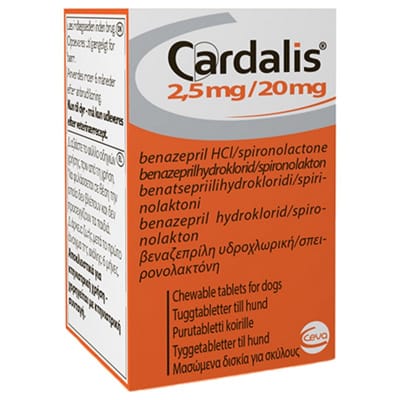
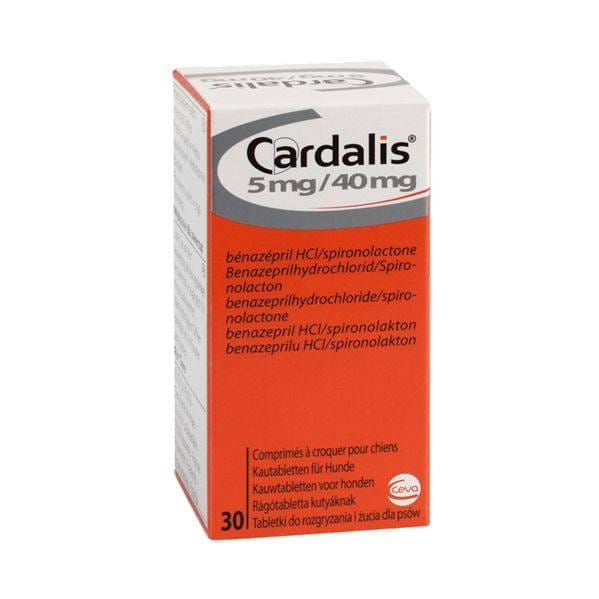
Cardalis is a veterinary heart medicine for dogs that combines spironolactone and benazepril hydrochloride in a chewable tablet. It can be bought online for dogs whose veterinarian has directed treatment, with the strength and quantity matched to the clinic’s written directions. Choose the Cardalis chewable tablets strength shown during ordering carefully, because each tablet contains two active ingredients in a fixed ratio.
Cardalis for dogs is used in veterinary care for congestive heart failure, often as part of a broader plan that may include other cardiac medicines. The medicine is not a supplement or general senior-dog product. It should fit the dog’s diagnosis, current weight, monitoring results, and the heart-treatment plan already set by the veterinarian.
Cardalis Price and Strength Selection
Cardalis price should be viewed alongside the tablet strength, quantity, and refill timing. A smaller quantity may cost less at checkout, while a larger supply can change the per-tablet calculation. The most useful comparison is the same strength and the same quantity, rather than tablet count alone.
Cardalis cost without insurance also depends on the strength your dog needs. Cardalis 20 mg/2.5 mg, Cardalis 40 mg/5 mg, and Cardalis 80 mg/10 mg are different fixed-dose tablets. They are not interchangeable unless the veterinarian changes the treatment plan.
Quick tip: Match the strength first, then look at quantity and checkout totals.
The two numbers in each strength matter. Cardalis 20 mg/2.5 mg contains spironolactone 20 mg and benazepril hydrochloride 2.5 mg. Cardalis 40 mg/5 mg contains spironolactone 40 mg and benazepril hydrochloride 5 mg. Cardalis 80 mg/10 mg contains spironolactone 80 mg and benazepril hydrochloride 10 mg.
| Cardalis strength | Active ingredients per tablet | Ordering point |
|---|---|---|
| Cardalis 20 mg/2.5 mg | Spironolactone 20 mg and benazepril hydrochloride 2.5 mg | Match both numbers to the veterinary directions. |
| Cardalis 40 mg/5 mg | Spironolactone 40 mg and benazepril hydrochloride 5 mg | Check the fixed ratio before choosing quantity. |
| Cardalis 80 mg/10 mg | Spironolactone 80 mg and benazepril hydrochloride 10 mg | Use only when this larger strength matches the plan. |
If you are comparing Cardalis cash-pay choices, keep your dog’s current weight, dose schedule, and refill interval nearby. Those details help prevent a mismatch between the medicine chosen online and the treatment directions used at home. Do not split, combine, or substitute strengths unless the veterinary clinic gives that instruction.
How to Order Cardalis Online
To order Cardalis online, choose the strength and quantity that match the veterinary directions, then complete the required order information. The safest approach starts with the exact brand, active ingredients, strength ratio, and chewable tablet form. Old refill labels can be useful, but the current treatment plan should guide the purchase.
Some customers also consider US delivery from Canada when arranging a refill. Use the same medicine-selection habits for cross-border service: match the strength, confirm the dog’s name and directions, and allow time for any order-detail questions. Avoid waiting until the last few tablets if the dog’s heart condition is actively monitored.
Cardalis online pharmacy searches often focus on price, but the more important first decision is product fit. Heart medicines can have similar names or overlapping uses while acting differently in the body. If your dog takes several cardiac drugs, make sure each product in the cart has a distinct role in the veterinarian’s plan.
For broader veterinary browsing, the Pet Medications category can help you see other animal-health products in one place. Use category browsing to organize choices, not to replace clinic instructions for heart disease, diuretics, pain medicines, or supplements.
What Cardalis Treats in Dogs
Cardalis is used for the management of clinical signs of congestive heart failure in dogs. Congestive heart failure, or CHF, means the heart is not moving blood efficiently enough and fluid-related signs may appear. Dogs may show coughing, reduced exercise tolerance, faster resting breathing, tiredness, appetite changes, or nighttime restlessness.
The FDA describes Cardalis as a medicine for managing congestive heart failure in dogs, with treatment commonly used alongside other therapies when a veterinarian determines that approach is appropriate. It is not intended for healthy dogs, routine wellness support, or a cough that has not been evaluated. A heart diagnosis, examination findings, imaging, bloodwork, and response to treatment all influence whether this medicine belongs in the plan.
Cardalis may be used with medicines such as furosemide when the veterinarian directs combination treatment. Some dogs with heart valve disease or other cardiac conditions may also receive different heart medicines. The exact combination should not be built from online comparison alone because breathing signs, kidney values, blood pressure, and electrolytes can change the risk-benefit decision.
The Canine Heart Failure collection can help place Cardalis among condition-related products. It is useful for context when discussing therapy with a veterinarian, especially if your dog has a new diagnosis or a recent change in symptoms.
Active Ingredients and How the Combination Works
Cardalis benazepril spironolactone therapy combines two medicines with different roles in heart-failure care. Benazepril is an angiotensin-converting enzyme inhibitor, often called an ACE inhibitor. ACE inhibitors affect blood-vessel tone and hormone pathways involved in fluid balance.
Spironolactone is an aldosterone antagonist. Aldosterone is a hormone involved in salt and water handling. By acting on aldosterone-related pathways, spironolactone can support the veterinarian’s plan for dogs with congestive heart failure.
The fixed-dose combination may reduce the number of separate tablets a dog needs compared with giving the two active ingredients individually. Convenience is not the same as dose flexibility, however. Because the ingredients are combined in set ratios, the chosen Cardalis strength needs to match the dog’s prescribed plan closely.
Do not rely only on tablet size, color, packaging appearance, or the first number in the strength. Each chewable tablet contains both active ingredients. If an invoice, bottle, or clinic note uses a different number order, ask the clinic to clarify before giving the medicine.
Administration, Storage, and Handling
Cardalis dosage for dogs is individualized by veterinary assessment and product labeling. This copy should not be used to calculate a dose, increase a dose, or change timing. If your dog misses a dose, vomits after dosing, or refuses the chewable tablet, ask the veterinary clinic how to handle the next scheduled dose.
Cardalis tablets for dogs are chewable, which may make administration easier for some pets. Other dogs may need the tablet offered with food if the veterinarian allows that method. Do not crush, split, hide, or mix tablets in a way that changes the intended administration unless the clinic has approved it.
Store the medicine according to the package directions. Keep tablets in the original container when possible, protect them from moisture, and close the container after each use. Veterinary medicines should be kept away from children and away from pets that might chew through packaging.
Travel requires planning because heart medicines are usually given on a steady schedule. Bring enough tablets for the full trip, keep the labeled container with the medicine, and avoid leaving tablets in a hot car or near a sink. If prompt, express, cold-chain shipping is shown during checkout for an order, follow the handling instructions included with the package.
Side Effects, Warnings, and Monitoring
Cardalis side effects for dogs can include vomiting, diarrhea, reduced appetite, tiredness, and changes that may also resemble worsening heart disease. The FDA approval update lists anorexia, vomiting, lethargy, diarrhea, renal insufficiency, and weakness among adverse effects observed in dogs given Cardalis. Contact the veterinarian if new symptoms appear, especially when breathing, appetite, or energy changes are noticeable.
Urgent veterinary care may be needed for trouble breathing, collapse, severe weakness, persistent vomiting, marked appetite loss, or a sudden increase in resting breathing rate. Heart-failure symptoms and medicine-related problems can overlap. The clinic may need to assess breathing effort, hydration, blood pressure, kidney function, and electrolyte levels.
Benazepril and spironolactone can affect kidney function and potassium balance. Veterinarians may recommend bloodwork before treatment and during follow-up, particularly for dogs with kidney disease, dehydration risk, or multiple heart medicines. Monitoring helps the clinic decide whether the current plan remains suitable as the dog’s condition changes.
Cardalis is not appropriate for every dog. Veterinary label information includes important restrictions for dogs with certain electrolyte problems, such as high potassium or low sodium, and for dogs with hypoadrenocorticism, also called Addison’s disease. Breeding, pregnant, or nursing dogs need specific veterinary evaluation before use.
Tell the veterinarian if your dog has kidney disease, liver disease, fainting episodes, severe dehydration, sudden appetite changes, or recent emergency visits. Those details can affect safety decisions and follow-up timing. They also matter when another clinic adds a medicine for pain, dental care, infection, or a different condition.
Interactions and Related Heart Medicines
Review all medicines and supplements your dog takes before refilling Cardalis. Include furosemide, pimobendan, NSAIDs for pain or arthritis, potassium supplements, blood-pressure medicines, and over-the-counter products. Products that seem unrelated to the heart can still affect kidney function, blood pressure, hydration, or electrolyte balance.
Cardalis and Vetmedin are not the same medicine. Vetmedin is the brand name for pimobendan, a different cardiac drug with a different role. Some dogs may take Cardalis and pimobendan together when the veterinarian designs that plan, but one should not be substituted for the other during checkout.
Why it matters: Similar-looking heart medicines can work through different pathways.
Ask whether lab tests, recheck visits, or home breathing records are due before the next refill. Resting respiratory rate can be useful for monitoring some dogs with heart disease when the veterinarian recommends tracking it. Bring those notes to visits, especially after a dose change, emergency appointment, or new symptom.
How Long Cardalis May Take to Help
There is no single timeline that applies to every dog taking Cardalis. Some treatment goals, such as stabilizing breathing signs or fluid-related symptoms, depend on the full heart-failure plan rather than Cardalis alone. Diuretics, other cardiac medicines, diet, underlying disease severity, and follow-up testing can all influence what an owner notices at home.
Ask the veterinarian what changes should be watched daily and what timeframe is realistic for your dog. Resting breathing rate, coughing frequency, appetite, energy, sleep comfort, and exercise tolerance may be tracked. Sudden worsening should be treated as a clinical concern rather than a sign that more time is needed.
Does Cardalis make dogs sleepy? Tiredness or lethargy can occur, but sleepiness can also reflect heart disease progression, dehydration, low blood pressure, kidney changes, or another illness. Report a clear change in alertness, weakness, or interest in normal activities, particularly if it appears soon after starting therapy or after another medicine is added.
Comparing Cardalis With Other Veterinary Options
Cardalis contains a specific combination of spironolactone and benazepril hydrochloride. Other heart medicines may treat related symptoms but have different active ingredients. Comparisons should start with the diagnosis and the veterinarian’s treatment goals, not the chewable form alone.
Switching from Cardalis to separate tablets, another strength, or a different cardiac drug can change the balance of active ingredients. That may affect blood pressure, kidney values, potassium levels, and symptom control. The veterinarian who knows the dog’s test results should direct those changes.
Cost discussions are reasonable, especially for long-term heart therapy. If Cardalis for dogs cost is difficult to manage, ask the clinic whether there are clinically appropriate alternatives, monitoring changes, or refill strategies. Do not stretch doses, skip doses, or use a different product to reduce expense without veterinary direction.
Authoritative Sources
FDA approval and safety summary: FDA Cardalis approval update.
Veterinary label reference: DailyMed Cardalis label information.
These references support general product facts, use context, and safety concepts. Your dog’s veterinarian remains the right source for diagnosis, strength selection, monitoring frequency, and changes to therapy.
This content is for informational purposes only and is not a substitute for professional medical advice.
Blood Pressure Average Calculator
Average home blood pressure readings and show a simple screening range.
Average BP
-
entered readings only
Range
-
screening category
These calculations are for education only and do not replace clinical advice, diagnosis, or treatment. Always confirm medical decisions with a qualified healthcare professional.
Mean Arterial Pressure Calculator
Calculate estimated mean arterial pressure from systolic and diastolic blood pressure.
MAP
-
DBP + one-third pulse pressure
These calculations are for education only and do not replace clinical advice, diagnosis, or treatment. Always confirm medical decisions with a qualified healthcare professional.
Pulse Pressure Calculator
Calculate pulse pressure from systolic and diastolic blood pressure.
Pulse pressure
-
SBP - DBP
These calculations are for education only and do not replace clinical advice, diagnosis, or treatment. Always confirm medical decisions with a qualified healthcare professional.
eGFR Calculator
Estimate kidney filtration using the 2021 CKD-EPI creatinine equation.
eGFR
-
mL/min/1.73 m2
G category
-
requires clinical context
These calculations are for education only and do not replace clinical advice, diagnosis, or treatment. Always confirm medical decisions with a qualified healthcare professional.
Creatinine Clearance Calculator
Estimate creatinine clearance using the Cockcroft-Gault equation.
CrCl
-
mL/min estimate
These calculations are for education only and do not replace clinical advice, diagnosis, or treatment. Always confirm medical decisions with a qualified healthcare professional.
Express Shipping - from $29.99
Shipping with this method takes 3-5 days
Prices:
- Dry-Packed Products $29.99
- Cold-Packed Products $39.99
Standard Shipping - $19.99
Shipping with this method takes 5-10 days
Prices:
- Dry-Packed Products $19.99
- Not available for Cold-Packed products
What is Cardalis used for in dogs?
Cardalis is used in veterinary care for managing clinical signs of congestive heart failure in dogs. It combines spironolactone and benazepril hydrochloride and should be used only as directed by a veterinarian familiar with the dog’s diagnosis and monitoring results.
What are common Cardalis side effects in dogs?
Reported side effects can include reduced appetite, vomiting, lethargy, diarrhea, weakness, and kidney-related changes. Contact the veterinarian promptly if your dog has trouble breathing, collapses, becomes severely weak, stops eating, or has persistent vomiting.
Is Cardalis the same as Vetmedin?
No. Cardalis contains spironolactone and benazepril hydrochloride. Vetmedin is pimobendan. They are different heart medicines and should not be substituted for each other unless the veterinarian changes the treatment plan.
Can dogs take Cardalis and Vetmedin together?
Some dogs may receive Cardalis with pimobendan when a veterinarian directs that combination. Safety depends on the dog’s diagnosis, other medicines, kidney values, blood pressure, electrolytes, and response to treatment.
How long does Cardalis take to work?
The timeline varies by dog and by the full heart-failure treatment plan. Ask the veterinarian what signs to track, such as resting breathing rate, coughing, appetite, energy, and sleep comfort, and seek urgent care for sudden worsening.
Rewards Program
Earn points on birthdays, product orders, reviews, friend referrals, and more! Enjoy your medication at unparalleled discounts while reaping rewards for every step you take with us.
You can read more about rewards here.
POINT VALUE
How to earn points
- 1Create an account and start earning.
- 2Earn points every time you shop or perform certain actions.
- 3Redeem points for exclusive discounts.
You Might Also Like
Select options
This product has multiple variants. The options may be chosen on the product page
Select options
This product has multiple variants. The options may be chosen on the product page
Select options
This product has multiple variants. The options may be chosen on the product page
Select options
This product has multiple variants. The options may be chosen on the product page