

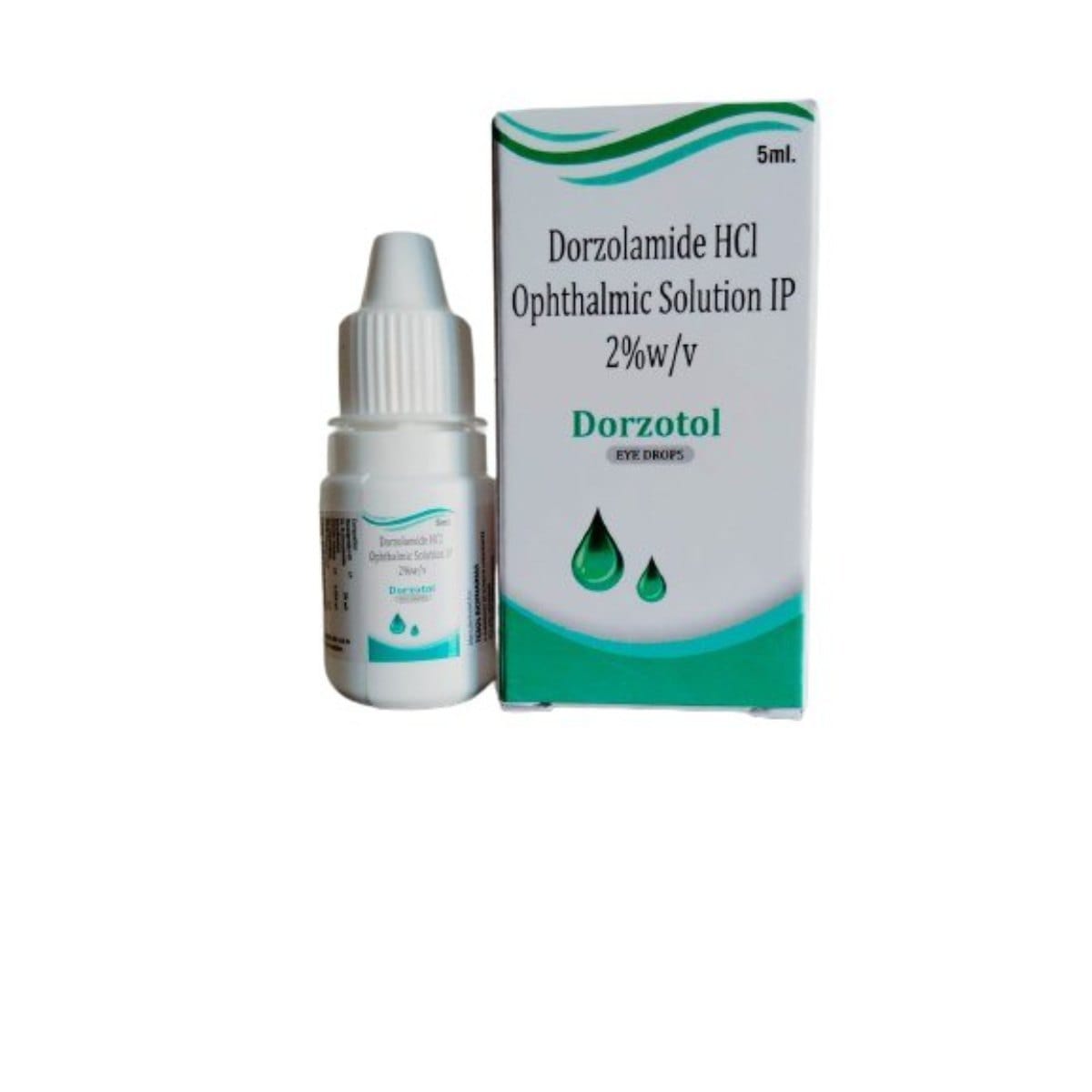
A valid prescription is required for this medication.
Buy Dorzolamide Ophthalmic Solution Online
Rx Prescription required Fast, secure shipping
About Dorzolamide Ophthalmic Solution
Dorzolamide Ophthalmic Solution is an eye drop used to lower increased pressure inside the eye. You can buy Dorzolamide Ophthalmic Solution online and choose the strength, bottle size, and quantity shown during ordering to match the directions from your eye-care clinician. Use the active ingredient name, concentration, and bottle volume to avoid confusing dorzolamide alone with combination glaucoma drops.
Dorzolamide is commonly described as dorzolamide hydrochloride ophthalmic solution or Dorzolamide HCl Ophthalmic Solution. Many customers look for Dorzolamide 2% Ophthalmic Solution, including 10 mL bottle formats when available, but the concentration and volume should always be read together with the directions on your medication label. If you are arranging US delivery from Canada, enter the patient, contact, and delivery information carefully so the order can be matched to the intended eye drop.
Dorzolamide Ophthalmic Solution Price and Strength Selection
The Dorzolamide Ophthalmic Solution price depends on the strength, bottle volume, and quantity chosen during ordering. A bottle described as 2% identifies the concentration of dorzolamide in the solution. A volume such as 10 mL describes the amount of liquid in the bottle, not a personal treatment duration.
When comparing Dorzolamide eye drops cost, start with the active ingredient. Dorzolamide alone is different from dorzolamide with timolol, even though both names may appear in glaucoma treatment searches. Generic Trusopt eye drops usually refer to dorzolamide as the active ingredient, while combination products contain an additional beta-blocker and should not be treated as interchangeable without clinician direction.
| Detail to verify | Why it affects the order |
|---|---|
| Active ingredient | Dorzolamide alone is not the same as dorzolamide with timolol. |
| Strength | The concentration should match the medication directions you were given. |
| Bottle volume | Total mL changes supply size and may affect the order total. |
| Quantity | More than one bottle changes how much medication is supplied. |
| Cash-pay path | Dorzolamide Ophthalmic Solution without insurance is compared by exact strength, volume, and quantity. |
Quick tip: Match the active ingredient and concentration first, then review bottle volume and quantity.
How to Order Dorzolamide Eye Drops Online
To order Dorzolamide Ophthalmic Solution online, choose the dorzolamide eye drop that matches the medication name and concentration from your clinician. Enter the patient information and delivery address accurately, then review the total shown before payment. Our team may review order details and may help confirm required medication information when needed.
US shipping from Canada may involve small-volume eye drop bottles that still need practical handling. Keep the bottle in its original container after arrival, read the pharmacy label, and protect the medication from contamination. If the directions, refill timing, or bottle count seem unclear, ask a pharmacist or eye-care clinician before changing how you use the drops.
- Choose dorzolamide alone if that is the intended active ingredient.
- Match the concentration shown with your medication directions.
- Review the bottle volume and number of bottles.
- Enter patient and contact information carefully.
- Read the storage and use label when the package arrives.
Do not change the dose frequency to make a bottle last longer. High eye pressure often has no symptoms, so comfort alone does not prove that the medication is working or that treatment can be stopped.
What Dorzolamide Eye Drops Treat
Dorzolamide glaucoma eye drops help lower elevated intraocular pressure, meaning pressure inside the eye. Clinicians use dorzolamide for open-angle glaucoma and ocular hypertension. Lowering eye pressure can be part of a long-term plan to help protect the optic nerve and preserve vision.
Dorzolamide belongs to a medication class called carbonic anhydrase inhibitors. In the eye, this class reduces production of aqueous humor, the fluid that helps maintain eye pressure. Less fluid production can lower pressure, but routine eye exams remain important because glaucoma can progress without pain or obvious vision changes at first.
People browsing glaucoma medicines can use the Glaucoma condition category for related eye-pressure treatments. The Ocular Hypertension category may also help when the diagnosis is elevated pressure without established glaucoma damage. These categories support navigation and do not replace an individualized treatment plan.
Dorzolamide Ophthalmic Solution for glaucoma is not a lubricating artificial tear, allergy drop, or antibiotic eye drop. If you develop severe eye pain, sudden vision changes, discharge, or an eye injury, contact a clinician promptly rather than treating those symptoms as a routine refill issue.
Generic Trusopt and Combination Eye Drop Differences
Dorzolamide hydrochloride ophthalmic solution is the generic active-ingredient name associated with Trusopt. The abbreviation HCl means hydrochloride, the salt form of the medicine. For buying decisions, the practical point is simple: the active ingredient, concentration, and bottle format must match the intended eye drop.
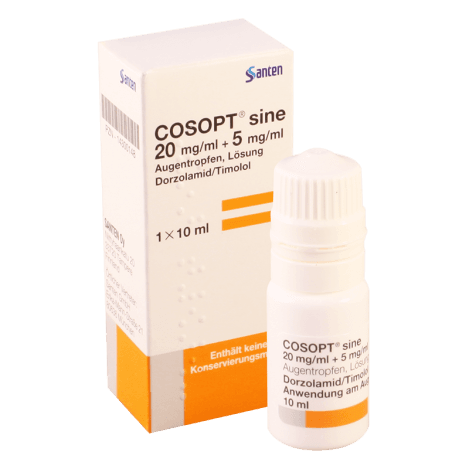
Combination glaucoma drops may include dorzolamide plus timolol. Timolol is a beta-blocker eye medicine, so the safety profile and suitability can differ from dorzolamide alone. A combination product may be appropriate for some people, but it is not a substitute for dorzolamide monotherapy unless the clinician intentionally changes therapy.
Names can also vary by market, manufacturer, and pharmacy label. Dorzolamide 2 percent eye drops, Dorzolamide HCl Ophthalmic Solution, and dorzolamide hydrochloride ophthalmic solution may point to the same active ingredient family, while dorzolamide-timolol points to two active medicines. Read the full name before placing an order.
- Dorzolamide alone: carbonic anhydrase inhibitor eye drop.
- Dorzolamide with timolol: two active ingredients in one eye drop.
- Trusopt relationship: dorzolamide is the generic active ingredient associated with that brand.
- Label priority: the full medication name matters more than a familiar brand reference.
Why it matters: Using the wrong glaucoma drop can lead to poor pressure control or avoidable side effects.
Storage, Handling, and Dropper Care
Dorzolamide eye pressure drops should be stored according to the label that comes with the bottle. Many ophthalmic solutions are kept at controlled room temperature, away from excessive heat, direct sunlight, and freezing conditions. Do not leave the bottle in a hot car or near a heater.
Before using the medication, look at the bottle and solution. Do not use the drops if the seal is broken, the liquid looks discolored, or the dropper tip appears contaminated. Keep the cap tightly closed when the bottle is not in use, and avoid touching the dropper tip to the eye, eyelashes, fingers, or any surface.
If you wear soft contact lenses, follow the label and clinician instructions. Some ophthalmic products contain preservatives that can be absorbed by lenses. Many people are told to remove soft lenses before medicated eye drops and wait before reinserting them, but the exact timing should come from the product label or care team.
For travel, keep dorzolamide in its original packaging with the pharmacy label attached. If you use several eye medicines, store them so the names remain easy to read. Similar bottle shapes can increase the chance of using the wrong drop, especially when treatment includes more than one glaucoma medication.
Side Effects, Warnings, and Monitoring
Dorzolamide eye drops can cause burning, stinging, itching, tearing, blurred vision, eyelid irritation, eye redness, or a bitter taste after use. These effects are often temporary, but ongoing irritation should be discussed with a clinician. Avoid driving or operating machinery while vision is blurred after applying an eye drop.
Seek medical help for severe eye pain, swelling, worsening redness, rash, hives, breathing trouble, facial swelling, signs of infection, or sudden vision changes. Dorzolamide is related to sulfonamide medicines, so people with a history of serious sulfa reactions should make sure their eye-care clinician knows before treatment is used.
Kidney disease is an important safety topic with dorzolamide. The medicine is applied to the eye, but some medication can still be absorbed into the body. People with significant kidney problems should discuss dorzolamide suitability and monitoring with a clinician before use.
Tell the care team about liver problems, corneal disease, recent eye surgery, eye infection, pregnancy, breastfeeding, and all other eye medications. Also mention oral carbonic anhydrase inhibitors, such as acetazolamide or methazolamide, because using the same medication class in more than one way may increase risk. High-dose salicylate use may also require caution in some people.
| Safety point | What to do |
|---|---|
| Temporary stinging or bitter taste | Monitor the effect and report persistent discomfort. |
| Severe redness, pain, or swelling | Contact a clinician promptly. |
| Sudden vision changes | Seek urgent medical evaluation. |
| Kidney disease | Discuss suitability before starting or continuing therapy. |
| Multiple glaucoma drops | Ask how far apart to space each product. |
Monitoring usually includes intraocular pressure checks, optic nerve evaluation, visual field testing, and review of side effects. Because elevated eye pressure may not feel different, follow-up appointments are part of safe long-term treatment.
Using More Than One Eye Medicine
Many glaucoma treatment plans include more than one eye drop. If dorzolamide is used with another ophthalmic medicine, ask how to space the drops. Applying drops too close together can wash out the first medicine or increase irritation.
Ointments are often handled differently from liquid drops because they can blur vision and may affect how another product spreads across the eye. If your treatment plan includes an ointment, a beta-blocker drop, a prostaglandin analog, or an antibiotic, follow the timing instructions from your clinician or pharmacist.
The broader Ophthalmology category can help you browse eye-care products supplied through licensed pharmacies. For educational eye-health reading, the Ophthalmology Resources category gathers articles related to eye conditions and treatment topics.
Availability, Substitutions, and Product Fit
Dorzolamide Ophthalmic Solution is available to order in the strength, bottle volume, and quantity shown during ordering. Manufacturer, package, or bottle-size differences can affect what you see at checkout. If a familiar manufacturer or bottle size changes, confirm the active ingredient and concentration before using the medication.
Some people ask whether dorzolamide has been discontinued. A specific manufacturer or package may change over time, while dorzolamide hydrochloride ophthalmic solution may still be available from other regulated sources. Do not assume a different strength, brand, or combination product is the same just because it treats glaucoma.
People also ask about newer glaucoma drops. Treatment choices can include prostaglandin analogs, beta-blockers, alpha agonists, carbonic anhydrase inhibitors, rho kinase inhibitors, and combination drops. Newer does not automatically mean better for every person; the right option depends on pressure goals, other conditions, side effects, dosing routine, and clinician judgment.
Authoritative Safety Reference
Use the medication label and clinician instructions as the primary directions for use. The MedlinePlus dorzolamide ophthalmic information summarizes patient-facing uses, precautions, and possible adverse effects. It can help you prepare questions about side effects, kidney concerns, allergies, contact lenses, and multi-drop routines.
Product ordering information helps you evaluate strength, quantity, bottle volume, and current cost. It should not be used to diagnose glaucoma, judge eye pressure, or decide when treatment can be stopped. Contact an eye-care professional if symptoms change or if you are unsure whether dorzolamide is still the right medication.
This content is for informational purposes only and is not a substitute for professional medical advice.
This content is for informational purposes only and is not a substitute for professional medical advice.
Two ways to ship
Cold-packed medications travel by Express shipping. Dry-packed medications can ship Express or Standard.
Earn points on every order
Earn points on birthdays, product orders, reviews, friend referrals, and more! Enjoy your medication at unparalleled discounts while reaping rewards for every step you take with us.
Register and/or Login
Create an account and start earning.
Earn Rewards
Earn points every time you shop or perform certain actions.
Redeem
Redeem points for exclusive discounts.
Ways to save
We stand behind our prices
We work hard to offer the very best available price. If you find a lower price on the same product, we will match it.
Learn how →Tiered pricingNew tiered pricing is here
Buy more and save more on the medications you trust: save 7% per pack when you buy 2, and 14% per pack when you buy 3 or more.
See tiered pricing →You might also like
View all →
Related articles
View all →
Weight Loss and Calories Calculator: Safe Planning Basics
A weight loss and calories calculator estimates daily calories for maintenance and planned weight change by using your age, sex, height, weight,…
Read more →
Humulin N Dosage Chart: Safe Use and Adjustment Factors
A Humulin N dosage chart can help you organize a prescribed insulin plan, but it should not decide your dose. Humulin N…
Read more →
Humalog KwikPen Generic Options and Insulin Lispro Safety
A Humalog KwikPen generic search usually comes down to one key point: Humalog KwikPen contains insulin lispro, but insulin copies are not…
Read more →
Insulin Syringe Sizes: Barrel, Needle, and Safety Basics
Insulin syringe sizes describe three things: how much the barrel holds, how long the needle is, and how thin the needle is.…
Read more →Speak to us
Our customer service team are highly experienced and friendly. Get in touch today.
Can I buy dorzolamide over the counter?
Dorzolamide is an eye-pressure medication used under clinician direction. Follow the ordering requirements shown during checkout and use the drops only as directed by an eye-care professional.
What is Dorzolamide Ophthalmic Solution used for?
Dorzolamide Ophthalmic Solution is used to lower increased pressure inside the eye. Clinicians commonly use it for open-angle glaucoma and ocular hypertension.
Is dorzolamide the same as dorzolamide with timolol?
No. Dorzolamide alone contains one carbonic anhydrase inhibitor. Dorzolamide with timolol contains two active ingredients and has different safety considerations.
Can dorzolamide affect the kidneys?
Kidney disease is an important precaution. Although dorzolamide is placed in the eye, some medication can be absorbed, so people with significant kidney problems should discuss suitability with a clinician.
Is dorzolamide being discontinued?
A particular manufacturer or bottle size can change, but that does not mean all dorzolamide hydrochloride ophthalmic solution is discontinued. Match the active ingredient, strength, and bottle format before using any replacement.
What side effects can dorzolamide eye drops cause?
Common effects include burning, stinging, tearing, blurred vision, eyelid irritation, eye redness, and a bitter taste. Seek help for severe pain, swelling, rash, breathing trouble, or sudden vision changes.
How should I store Dorzolamide Ophthalmic Solution?
Store the bottle as directed on its label, generally away from excessive heat, direct light, freezing, and contamination. Keep the cap closed and do not touch the dropper tip to any surface.
Speak to our team
 Call toll free1-844-560-7790
 Emailservice@canadianinsulin.com
Monday to Friday 7am – 11pm EST
Saturday 7am to 7pm EST
Sunday 8am – 5pm EST