
Please note: a valid prescription is required for all prescription medication.
Humulin R Vial
Buy Humulin R Vial Online
Also available for your pet.


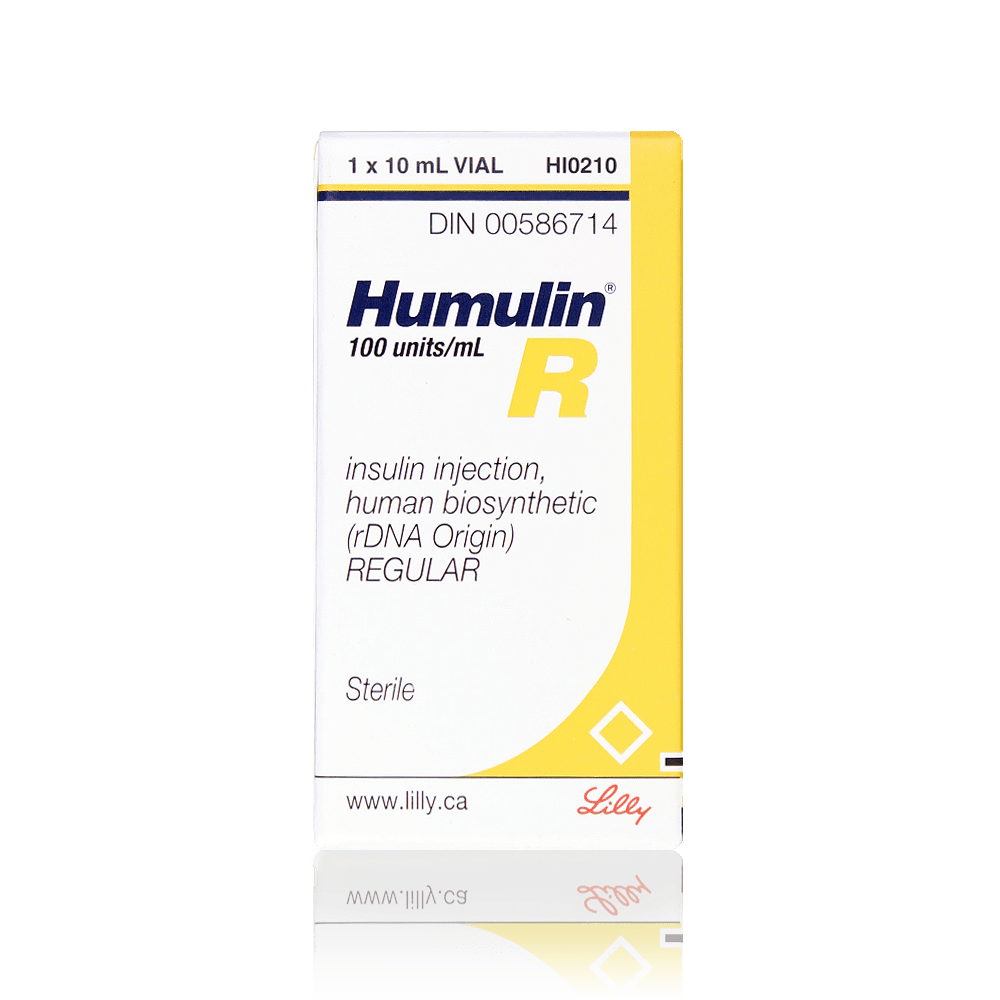
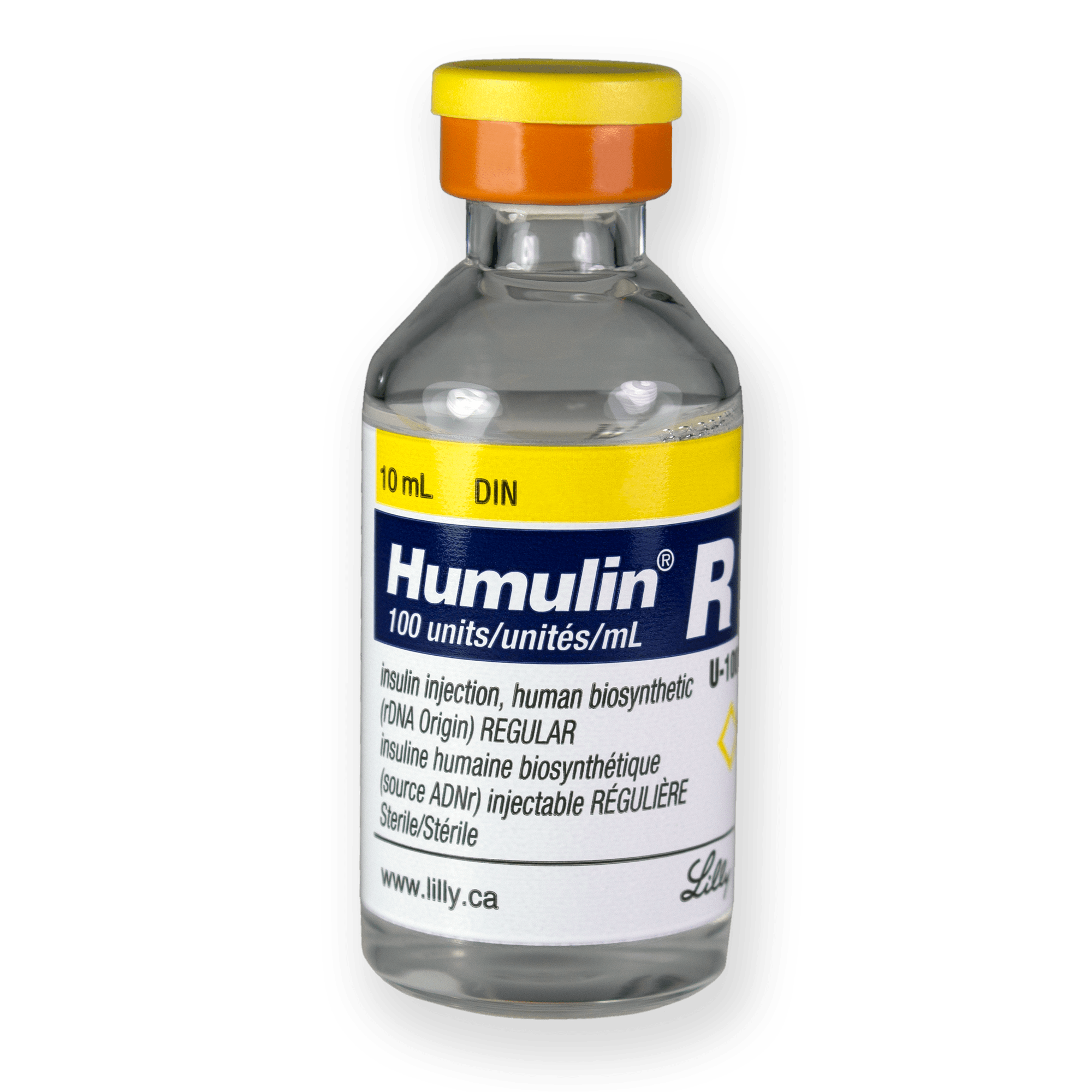
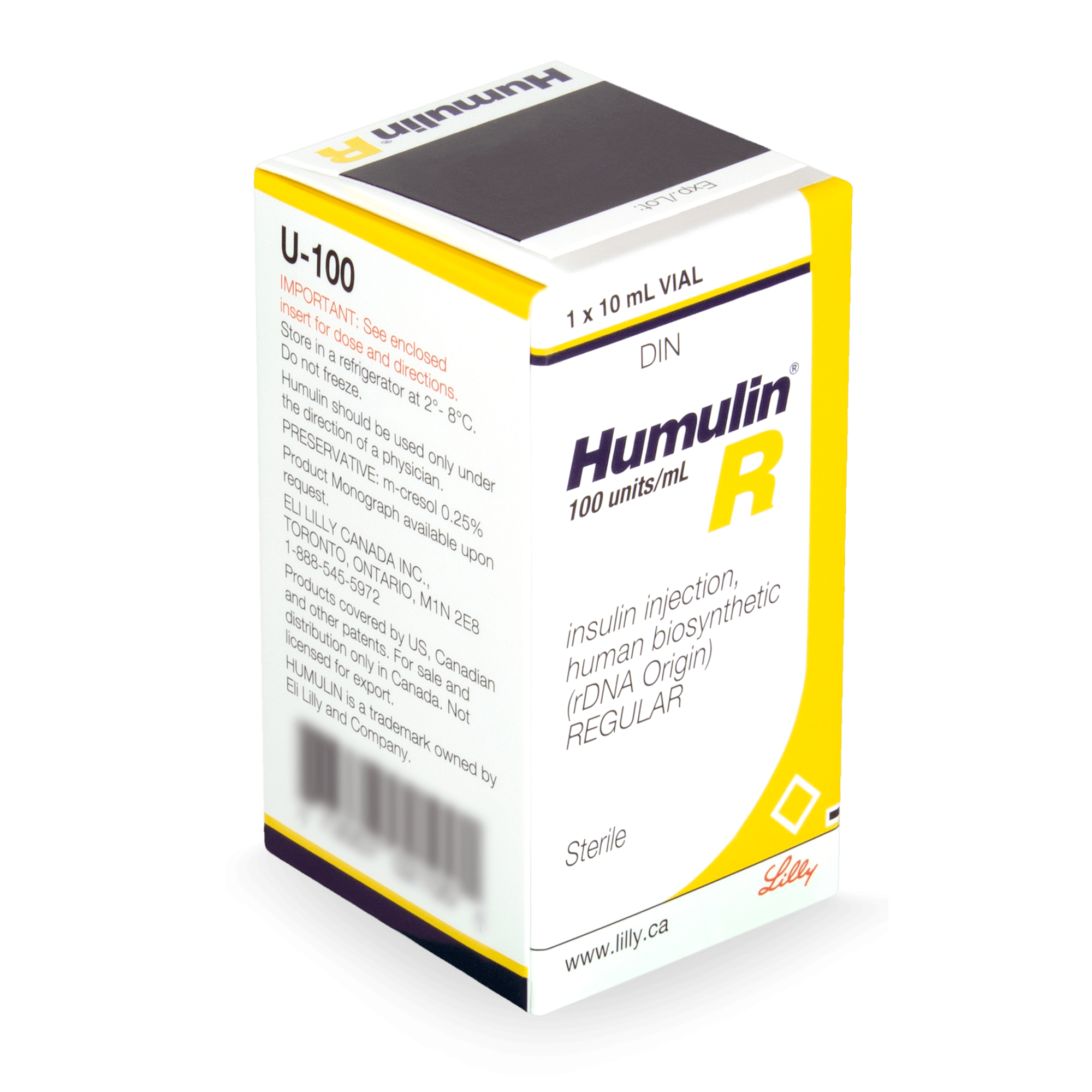
Buy Humulin R Vial online with a valid prescription, and compare current listed pricing, available vial presentation details, and safety basics before checkout. Use the product selectors to match Humulin R 100 units/mL to your prescribed insulin, review quantity and handling factors, and understand what may affect your Humulin R vial price. Customers comparing US delivery from Canada can also check storage and temperature-sensitive handling before placing an order.
Humulin R Vial Price and Available Options
The listed Humulin R vial price should be read with the selected presentation, quantity, and concentration. This product is commonly listed as Humulin R U-100 insulin, which means 100 units per mL. For a 10 mL vial, the total contents equal 1,000 units, but that total is not a single dose.
Compare current listed pricing against the product name, vial size, and quantity field before adding it to checkout. If more than one pack size or related insulin listing appears, each presentation may carry different totals and handling needs. Do not compare two insulin pages by vial count alone; concentration and total mL can change the amount of insulin provided.
If you are checking Humulin R without insurance or comparing the vial cost as a cash-pay order, focus on the checkout total, selected quantity, and any temperature-sensitive logistics shown during checkout. Coverage rules and reimbursement are separate from this listing, so keep benefit questions with your plan or prescriber support team.
Quick tip: Match U-100, 10 mL, and vial wording before comparing the total.
Product names can look similar. Humulin R 100 units/mL 10 mL is not the same as U-500 concentrated insulin or a pen presentation. If your written order names the Humulin R U-100 vial, choose a listing that reflects that concentration rather than a broader Humulin category.
How to Order Online
Start by selecting the vial presentation that matches your prescribed product. Have prescriber contact information, patient details, and any insulin supply notes ready before checkout. Prescription details may be checked with your prescriber when needed, which helps confirm that the selected product matches the written order.
The order flow is focused on practical choices: selected product, quantity, delivery address, and temperature-sensitive handling. Avoid switching concentrations, brands, or insulin types unless your clinician has written that change. Similar product names can still have different onset, peak, duration, and device requirements.
Before checkout, review whether syringes, alcohol swabs, sharps disposal supplies, or travel storage items are included or need to be purchased separately. A vial generally requires a compatible U-100 insulin syringe unless your care team has provided different instructions. The Insulin Pen Vs Syringe resource can help separate device convenience from the prescribed insulin type.
Keep the order details consistent from cart to checkout. Recheck the product name, concentration, quantity, and shipping address before final submission. Those small checks are especially important for insulin because temperature, supply timing, and dosing accuracy all matter.
Product Details to Match Your Order
The Humulin R Vial listing refers to regular human insulin in a multiple-dose vial. It is a clear solution used with appropriate injection supplies. The label and carton should be checked when the product arrives, especially if you use more than one type of insulin at home.
| Detail | What to check |
|---|---|
| Active ingredient | Regular human insulin, also called insulin regular human. |
| Concentration | U-100, or 100 units/mL. |
| Vial contents | 10 mL provides 1,000 units total. |
| Appearance | Clear and colorless solution; do not use if cloudy or particle-filled. |
| Supplies | Use compatible U-100 syringes and sharps disposal supplies as directed. |
The Humulin R insulin vial is a multiple-dose container, so the number of days it lasts depends on your prescribed dose and injection schedule. The total unit count helps you estimate quantity needs with your clinician, but it should not be used to change dose timing or amount.
Do not confuse Humulin R U-100 vial with Humulin R U-500. U-500 is a much more concentrated prescription product and uses different dosing safeguards. Concentration errors can cause severe low blood sugar or high blood sugar, so check the label each time you receive insulin.
Why it matters: Vial size, concentration, and total units affect ordering accuracy, not your prescribed dose.
What Regular Insulin Is Used For
Humulin R regular insulin is used to improve blood sugar control in people with diabetes mellitus. It is a short-acting human insulin, meaning it begins working after injection and has a meal-related activity profile. Your clinician decides when it should be used in relation to food, other insulin, and glucose monitoring.
Regular insulin differs from rapid-acting analog insulins and from longer-acting basal insulin. The Short-Acting Insulin resource can help you compare timing categories for a care-team conversation, while Human Insulin Vs Analog Insulin explains why products with similar purposes may not be interchangeable.
Some treatment plans use regular insulin with basal insulin, premixed insulin, or non-insulin diabetes medicines. Others may not. This listing should be matched to the product your prescriber selected rather than a general insulin category.
Storage, Handling, and Travel Basics
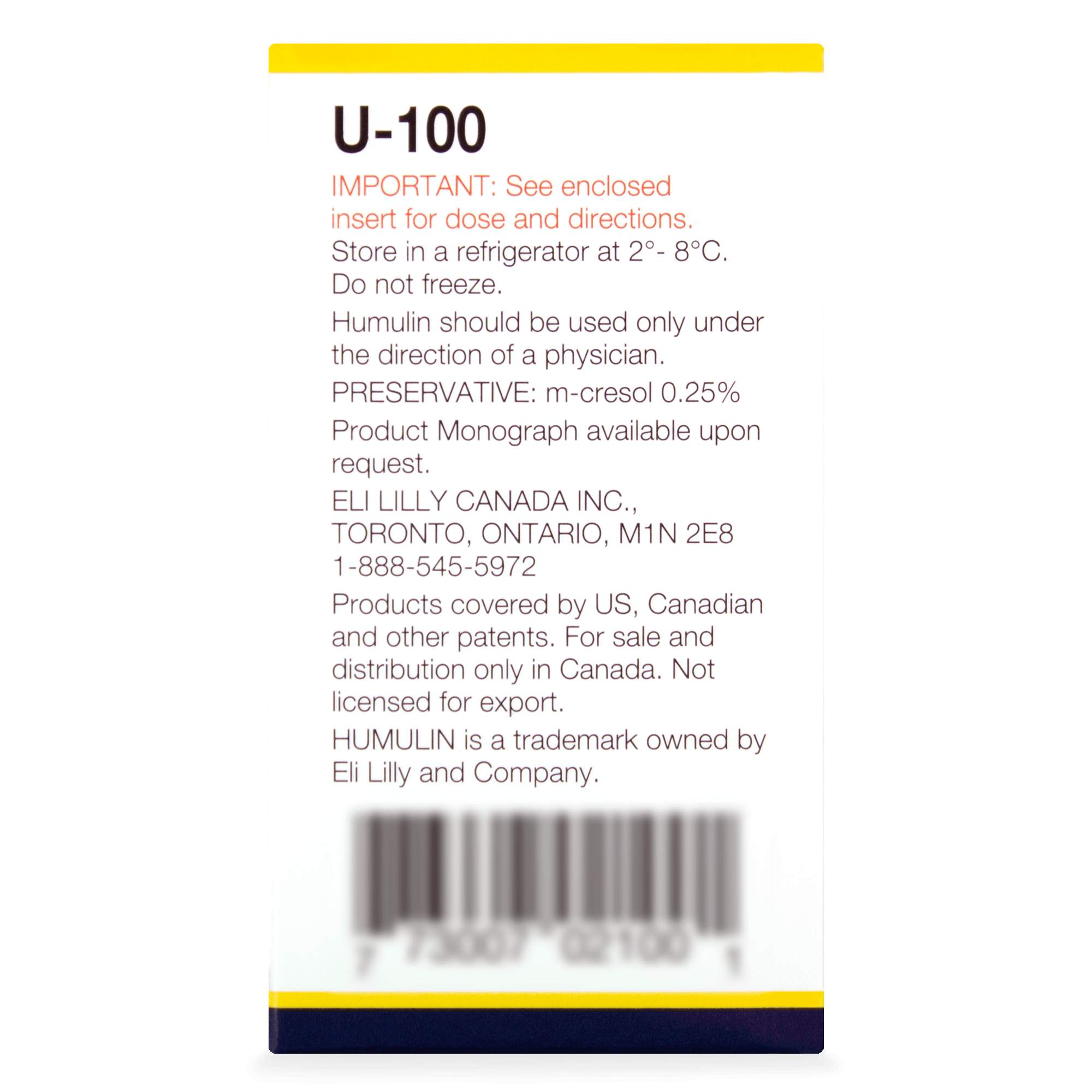
Unopened vials are typically stored in a refrigerator between 2°C and 8°C (36°F to 46°F). Do not freeze insulin, and do not use a vial that has been frozen. Keep it away from direct heat and light, including hot cars, windowsills, or luggage compartments exposed to temperature swings.
After first use, follow the label and the instructions included with your product. U.S. label information states that in-use Humulin R U-100 vials should be discarded after 31 days, even if insulin remains. Marking the first-use date on the carton or a tracking sheet can help you avoid using an expired vial.
The solution should look clear and colorless. Do not use it if it looks cloudy, thickened, discolored, or contains particles. Those appearance changes can signal that the insulin may not be safe or effective to use.
For travel, keep insulin with you rather than leaving it where temperatures are uncontrolled. Pack backup supplies, carry medicine information, and protect the vial from breakage. If the selected order uses cold-chain shipping, follow the packaging and storage instructions included with the parcel.
Safety Checks Before Ordering
Insulin can cause hypoglycemia (low blood sugar), which may be serious. Symptoms can include sweating, shakiness, fast heartbeat, hunger, headache, confusion, or dizziness. Severe episodes can lead to seizures, loss of consciousness, or death if not treated promptly.
Humulin R should not be used during an episode of hypoglycemia. It also should not be used by anyone with a known hypersensitivity to insulin human or any ingredient in the product. Check the ingredients with your clinician or pharmacist if you have had a prior insulin reaction.
Other possible side effects include injection-site reactions, itching, rash, swelling, weight gain, and lipodystrophy (skin thickening or indenting at injection sites). Rotating injection sites within the recommended area may reduce some local skin problems, but follow the technique taught by your care team.
Serious allergic reactions are uncommon but require urgent help. Seek immediate medical care for trouble breathing, swelling of the face or throat, widespread rash, fainting, or severe dizziness. Insulin can also contribute to hypokalemia (low potassium), especially in higher-risk medical situations.
Interactions and Monitoring Points
Many medicines can change insulin needs or alter blood sugar patterns. Examples include oral diabetes drugs, corticosteroids, beta-blockers, diuretics, some antidepressants, thyroid medicines, and alcohol. Starting or stopping another medicine is a reason to review monitoring plans with your clinician.
Beta-blockers may make some low blood sugar warning signs harder to notice. Thiazolidinediones, sometimes shortened to TZDs, can cause fluid retention and may worsen heart failure when used with insulin. Report new swelling, shortness of breath, or rapid weight gain promptly.
If you have heard of a 3-hour rule for diabetes, treat it as a general conversation point, not a dosing instruction. Regular insulin has a different activity profile from rapid-acting analogs, and insulin stacking can be dangerous. Use the schedule and correction plan supplied by your care team.
Monitoring needs can change during illness, travel, meal changes, exercise changes, pregnancy, kidney disease, or liver disease. Keep glucose records available for appointments so your clinician can evaluate patterns and adjust treatment safely if needed.
Compare Related Insulin Options
Humulin R Vial sits in the regular human insulin category. It should not be swapped with NPH, premixed, rapid-acting, or long-acting insulin just because another listing also says insulin. Each type has a different role, timing profile, and device format.
If your clinician prescribed an NPH insulin, Humulin N Vials is a different Humulin product with intermediate-acting properties. If your prescription names another regular insulin, Novolin GE Toronto Vial may be a comparison point to discuss, but only the prescribed product should be selected.
To compare product categories without changing therapy on your own, browse the Insulin Products collection. Check active ingredient, concentration, vial or pen format, and quantity before deciding whether two listings are actually comparable.
Authoritative Sources
Product labels are the best source for official storage, handling, and safety details. These references can help you confirm key facts behind this listing and discuss them with your care team.
- FDA Humulin R U-100 Label covers U.S. prescribing information, contraindications, storage, and adverse reactions.
- DailyMed Humulin R Listing provides label details for insulin human injection solution.
- Canadian Product Monograph summarizes patient medication information for vial use in Canada.
This content is for informational purposes only and is not a substitute for professional medical advice.
Express Shipping - from $25.00
Shipping with this method takes 3-5 days
Prices:
- Dry-Packed Products $25.00
- Cold-Packed Products $35.00
Standard Shipping - $15.00
Shipping with this method takes 5-10 days
Prices:
- Dry-Packed Products $15.00
- Not available for Cold-Packed products
What kind of insulin is Humulin R?
Humulin R is regular human insulin. It is generally described as a short-acting insulin used to help control blood glucose in people with diabetes. It is different from rapid-acting analog insulin, intermediate-acting NPH insulin, and long-acting basal insulin. Because timing and dosing depend on the person and treatment plan, follow the schedule provided by your clinician rather than comparing it only by insulin category.
How many units are in a Humulin R 10 mL vial?
A U-100 insulin vial contains 100 units of insulin per mL. A 10 mL vial therefore contains 1,000 units total. That total describes the amount in the vial, not an individual dose. Your actual dose, number of injections, and how long the vial lasts depend on your prescribed plan and should be confirmed with your clinician.
How long can an opened Humulin R vial be used?
Label information for Humulin R U-100 states that in-use vials should be discarded after 31 days, even if insulin remains. Storage conditions still matter during that period. Keep the vial within the recommended temperature range, protect it from heat and light, and do not use insulin that has changed color, become cloudy, or developed particles.
What side effects should be monitored with regular insulin?
The most important side effect to monitor is hypoglycemia, or low blood sugar. Symptoms may include sweating, shakiness, hunger, headache, confusion, fast heartbeat, or dizziness. Serious reactions can include severe low blood sugar, allergic reactions, and low potassium. Injection-site changes such as redness, itching, swelling, or skin thickening can also occur. Seek urgent care for severe symptoms such as trouble breathing, fainting, or seizures.
What should I ask my clinician before using a vial?
Ask which concentration and vial size you should use, what syringe type is appropriate, and how your insulin should be timed with meals or glucose checks. It is also helpful to ask what to do during illness, travel, missed meals, exercise changes, or repeated high or low readings. Bring a list of other medicines and supplements because several products can affect blood sugar or insulin needs.
Rewards Program
Earn points on birthdays, product orders, reviews, friend referrals, and more! Enjoy your medication at unparalleled discounts while reaping rewards for every step you take with us.
You can read more about rewards here.
POINT VALUE
How to earn points
- 1Create an account and start earning.
- 2Earn points every time you shop or perform certain actions.
- 3Redeem points for exclusive discounts.
You Might Also Like
Select options
This product has multiple variants. The options may be chosen on the product page
Select options
This product has multiple variants. The options may be chosen on the product page
Select options
This product has multiple variants. The options may be chosen on the product page
Select options
This product has multiple variants. The options may be chosen on the product page
Related Articles
Women’s Health
Non Hormonal Contraception: Options, Risks, and Fit
Non hormonal contraception means birth control that prevents pregnancy without using estrogen or progestin. Common options include the copper IUD, condoms, diaphragms, spermicides or contraceptive gels, fertility awareness-based methods, withdrawal,…
Weight Management
Weight Loss With Saxenda: Expectations, Risks, and Next Steps
Weight loss with Saxenda is usually gradual, not dramatic at the start. Saxenda is the brand name for liraglutide, a GLP-1 receptor agonist, which is a medicine class that can…
Type 2 Diabetes,
Semaglutide Weight Loss Medication: Safety, Options, and Expectations
A semaglutide weight loss medication is a GLP-1 receptor agonist (a hormone-mimicking drug that can reduce appetite) used in some settings to support chronic weight management. It changes hunger and…
Diabetes, Weight Management
What Are Sugar Alcohols? Sweeteners, Side Effects, and Facts
If you are asking what are sugar alcohols, the short answer is this: they are sweeteners called polyols that show up in many sugar-free or reduced-sugar foods. They are carbohydrates,…