
Please note: a valid prescription is required for all prescription medication.
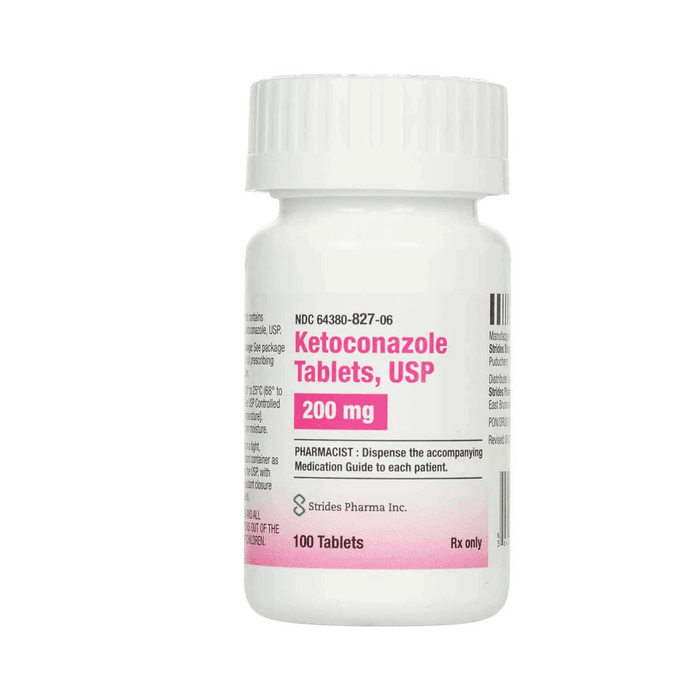
Ketoconazole
Ketoconazole Product Overview: Uses, Safety, and Storage
Price:
$126.99
You save


Ketoconazole is an antifungal medicine used for certain fungal skin and scalp conditions. It is used in different formulations, so directions and precautions depend on the specific product. This page summarizes common uses, safety considerations, and practical handling basics.
Some patients explore US shipping from Canada when coordinating ongoing care and pharmacy access.
What Ketoconazole Is and How It Works
This medicine belongs to the azole antifungal (fungus-killing medicine) class. In topical forms, it is used on the skin or scalp to reduce fungal overgrowth and related inflammation. That can help with problems such as flaking, itching, scaling, and discoloration when these symptoms are driven by susceptible fungi or yeast. Prescription details may be confirmed with your prescriber when needed.
How well it works can depend on the diagnosis and on consistent, label-directed use. For example, dandruff and seborrheic dermatitis are commonly linked with a yeast called Malassezia, while ringworm (tinea) is caused by dermatophyte fungi. Because several rashes look similar, confirm the cause before treating. For related topics and products, you can browse Dermatology Products and Infectious Disease Products for comparable items and categories.
Who It’s For
Topical antifungal products may be used in adolescents or adults with conditions such as seborrheic dermatitis, dandruff, certain tinea infections (including ringworm), and tinea versicolor (also called pityriasis versicolor, a patchy discoloration caused by yeast). The right choice depends on where the problem is located (scalp, face, trunk, groin, feet) and whether the skin is intact.
Ketoconazole may not be appropriate for everyone. Avoid use on areas with known allergy to the ingredient or to formulation components. Use extra caution on broken skin, near the eyes, or on sensitive areas, because irritation risk can be higher. If a rash is widespread, painful, rapidly worsening, oozing, or associated with fever, a clinician should assess it. For condition context and symptom patterns, the Fungal Skin Infection hub can help you explore common categories and related therapies.
- More likely to help: fungal or yeast-related scaling
- Needs evaluation: pus, deep ulcers, fever
- Use caution: pregnancy, infants, open wounds
- Stop and assess: swelling, hives, severe burning
Dosage and Usage
Directions vary by formulation and diagnosis, so follow the product label and any prescriber instructions. Creams and foams are typically used on clean, dry skin, covering the affected area and a small margin around it. Shampoos and cleansers are generally massaged into wet hair or skin, left on for a short contact time, then rinsed well. Consistency matters because intermittent use can allow symptoms to return.
When Ketoconazole is used for scalp symptoms, it is often alternated with a gentle, non-medicated shampoo to reduce dryness. Avoid sharing towels, hats, brushes, or hair accessories when a fungal infection is suspected, since these can contribute to spread or reinfection. If symptoms do not improve as expected, reassessment is important because the condition may be non-fungal, mixed, or require a different antifungal approach.
Quick tip: For medicated shampoo, set a timer for contact time.
Strengths and Forms
Availability varies by country and by pharmacy. This medicine is most commonly encountered as a topical cream or shampoo, and some regions also carry foams, gels, or cleansers designed for specific body areas. In many settings, an antifungal shampoo is used for dandruff and seborrheic dermatitis, while a cream is used for localized skin lesions. The label will specify whether the product is intended for scalp, skin, or both.
Ketoconazole products can also differ in concentration and whether they are sold over the counter or require a prescription. For example, some markets carry ketoconazole shampoo 2% as a prescription item, while lower-strength dandruff shampoos may be nonprescription. If you are comparing names such as Nizoral shampoo or other store brands, the “active ingredient” line on the carton helps confirm what you are using.
| Form | Common use area | Practical note |
|---|---|---|
| Shampoo/cleanser | Scalp, sometimes trunk | Contact time then rinse |
| Cream/foam | Localized skin areas | Thin layer on dry skin |
| Other topical forms | Varies by product | Follow labeled directions |
Storage and Travel Basics
Store topical antifungals the way the label directs, usually at controlled room temperature and away from excess heat or humidity. Keep containers tightly closed to prevent drying, evaporation, or contamination. Avoid storing products in a hot car, near heaters, or in steamy bathrooms for long periods, since temperature swings can affect texture and performance.
For travel, pack liquids in a sealed bag and keep caps secured. If you use medicated shampoo, consider bringing enough for the full planned course rather than switching products mid-treatment. Do not transfer creams into unmarked containers, since you may lose key instructions and expiry information. If multiple household members use similar-looking tubes, label them to prevent mix-ups.
Why it matters: Proper storage helps reduce contamination and skin irritation.
Side Effects and Safety
Most side effects with topical antifungals are local and mild. You may notice burning, stinging, itching, redness, dryness, or a change in skin feel at the treated site. With medicated shampoos, scalp dryness or oiliness can occur, and hair texture may feel different. These effects are often manageable, but persistent irritation should be discussed with a clinician or pharmacist.
Serious reactions are uncommon but require prompt medical attention. Stop use and seek care for signs of allergic reaction such as swelling of the face or throat, hives, severe blistering, or trouble breathing. If Ketoconazole is used in an oral form (less common and more restricted), the safety profile differs and can include significant liver-related risks; oral therapy should be monitored closely by a prescriber. People with diabetes or poor circulation may need extra attention for foot or skin breakdown; related background reading is available in Diabetes Skin Problems and Cellulitis And Diabetes.
Drug Interactions and Cautions
For most topical products, systemic drug interactions are unlikely because little medicine is absorbed through intact skin. Even so, avoid combining multiple irritating products on the same area unless a clinician recommends it. Examples include strong exfoliants, alcohol-based toners, or harsh anti-acne products, which can increase dryness and stinging when used together.
Ketoconazole tablets (where still used) have clinically important interactions because they affect liver enzymes involved in drug metabolism. That can change levels of certain heart rhythm medicines, sedatives, seizure medications, and other therapies, and it may be unsafe with some combinations. Share a full medication list with your prescriber, including supplements. For broader education on infections and medication considerations, browse Infectious Disease Articles.
Compare With Alternatives
Several alternatives may be used depending on the organism, body site, severity, and prior response. For dandruff and seborrheic dermatitis, options often include shampoos with selenium sulfide, zinc pyrithione, salicylic acid, or coal tar, as well as topical anti-inflammatory medicines when inflammation is prominent. For ringworm and other dermatophyte infections, other topical antifungals (such as terbinafine or clotrimazole) may be considered.
Systemic (oral) antifungals may be used for extensive disease, nail involvement, or recurrent cases, but they require clinician oversight and may need lab monitoring. A clinician might compare Ketoconazole with other prescription antifungals, such as Terbinafine Product Page for certain tinea infections or Fluconazole Product Page for some yeast-related conditions, based on diagnosis and patient factors. For practical skin-care context, Dermatology Articles includes guidance on recognizing common patterns.
Pricing and Access
Access depends on formulation, strength, and local rules. Some versions are available without a prescription, while others require a valid prescription and documentation that matches the intended product and directions. Dispensing is handled by licensed third-party pharmacies where permitted. Coverage can vary widely between public plans, private insurance, and employer benefits, and it may differ for shampoos versus creams.
For people paying cash, the out-of-pocket amount can be influenced by strength, package size, and whether a generic is available. If you are without insurance, it can help to ask your pharmacy what equivalent formulations are available and whether substitution rules apply. When comparing products marketed as “anti-dandruff,” confirm the active ingredient and intended use, because some are antifungal while others mainly reduce scaling.
If you have recurrent fungal issues, ask a clinician whether prevention strategies are appropriate, such as addressing shared equipment, sweating, occlusive clothing, or underlying conditions that increase risk. The guide Diabetes And Fungal Infections reviews common risk factors and when to seek evaluation.
Authoritative Sources
For labeling, indications, and safety details by product, consult: DailyMed listing for ketoconazole products. Because different manufacturers and dosage forms have different instructions, confirm you are reading the entry that matches your formulation.
For condition background and prevention basics, a public health overview is available at: CDC information on ringworm and related tinea infections. For general clinical education on seborrheic dermatitis, see: MedlinePlus overview of seborrheic dermatitis.
When temperature-sensitive items are supplied, they may use prompt, express, cold-chain shipping as required for stability.
This content is for informational purposes only and is not a substitute for professional medical advice.
Express Shipping - from $25.00
Shipping with this method takes 3-5 days
Prices:
- Dry-Packed Products $25.00
- Cold-Packed Products $35.00
Standard Shipping - $15.00
Shipping with this method takes 5-10 days
Prices:
- Dry-Packed Products $15.00
- Not available for Cold-Packed products
What conditions is ketoconazole used for?
Ketoconazole is used for certain fungal and yeast-related conditions of the skin and scalp. Depending on the formulation, it may be used for dandruff and seborrheic dermatitis on the scalp, and for some superficial fungal infections on the skin such as tinea (ringworm) or tinea versicolor (pityriasis versicolor). The best choice depends on confirming the diagnosis, the body site involved, and whether the skin is intact. Follow the specific product label and clinician directions for your formulation.
Is ketoconazole shampoo 2% the same as Nizoral shampoo?
Some Nizoral products contain ketoconazole as the active antifungal ingredient, but brand names and strengths vary by country. In many places, ketoconazole shampoo 2% is a prescription-strength formulation, while lower-strength dandruff shampoos may be sold without a prescription. The most reliable way to compare is to check the carton for the active ingredient and its concentration, plus the labeled indications. If you are unsure which strength you have, ask a pharmacist to verify it.
How long should I use ketoconazole for dandruff or seborrheic dermatitis?
Course length and frequency depend on the specific product and the severity of symptoms. Many medicated shampoos are used on a schedule for an initial control period and then less often for maintenance, but labels vary. Avoid extending use beyond the label or prescriber directions without guidance, especially if the scalp becomes very irritated or dry. If flakes, itching, or redness do not improve, a clinician may reassess for psoriasis, eczema, contact dermatitis, or infection that needs a different approach.
What side effects of ketoconazole should prompt medical care?
Seek medical attention if you develop signs of an allergic reaction, such as facial or throat swelling, widespread hives, severe blistering, or trouble breathing. For topical products, worsening pain, intense burning, marked swelling, or skin breakdown can also be reasons to stop and get evaluated. If an oral ketoconazole product is used in your setting, discuss liver-related warning signs with your prescriber, since oral therapy has different risks than topical use and may require monitoring.
Can ketoconazole help with hair loss or hair growth?
People sometimes ask about ketoconazole for hair loss because scalp inflammation and heavy dandruff can contribute to shedding. Treating an underlying scalp condition may improve comfort and reduce breakage-related hair concerns in some individuals. However, ketoconazole is not primarily a hair-growth medicine, and evidence for increasing hair growth is limited and mixed. If you notice sudden shedding, patchy loss, scarring, or associated symptoms (pain, scaling, pustules), it is important to get a clinician evaluation to identify the cause.
What should I ask my clinician before using ketoconazole with other medicines?
Bring a current list of prescriptions, over-the-counter products, and supplements. Ask whether your ketoconazole formulation is topical or oral, because interaction risks differ substantially. For topical products, ask about combining with other potentially irritating treatments (retinoids, benzoyl peroxide, strong exfoliants, alcohol-based products) on the same skin area. For any oral antifungal therapy, ask about interaction screening, liver safety considerations, and whether any baseline or follow-up lab tests are recommended for your situation.
Rewards Program
Earn points on birthdays, product orders, reviews, friend referrals, and more! Enjoy your medication at unparalleled discounts while reaping rewards for every step you take with us.
You can read more about rewards here.
POINT VALUE
How to earn points
- 1Create an account and start earning.
- 2Earn points every time you shop or perform certain actions.
- 3Redeem points for exclusive discounts.
You Might Also Like
Select options
This product has multiple variants. The options may be chosen on the product page
Select options
This product has multiple variants. The options may be chosen on the product page
Select options
This product has multiple variants. The options may be chosen on the product page
Select options
This product has multiple variants. The options may be chosen on the product page
Related Articles
Type 2 Diabetes,
Oral Wegovy Explained: Facts, Risks, and Access Options
The phrase oral wegovy is best understood as a search term, not a settled product name. Most people use it to mean a pill version of semaglutide for weight management,…
Diabetes, General Health,
Glp-1 Drugs Over The Counter: What’s Real And What’s Not
Key Takeaways Prescription GLP-1 medicines are not sold as true OTC drugs. Many “GLP-1” supplements aim to support fullness, not mimic prescriptions. Online “no prescription” offers raise counterfeit and quality…
Diabetes, Type 2
GLP-1 Cost Without Insurance: Compare Cash-Pay Options
Key Takeaways Many people searching for glp-1 cost without insurance are trying to plan for a long-term expense. The total can change based on the drug, the pharmacy, and how…
Cardiovascular, Diabetes, Nephrology,
SGLT2 Inhibitors Drugs: Names, Uses, And Safety Notes
Key Takeaways They lower glucose by increasing urinary sugar loss. Common options include dapagliflozin, empagliflozin, canagliflozin, and ertugliflozin. Some products combine an SGLT2 inhibitor with metformin. Risks include dehydration and…