
Please note: a valid prescription is required for all prescription medication.
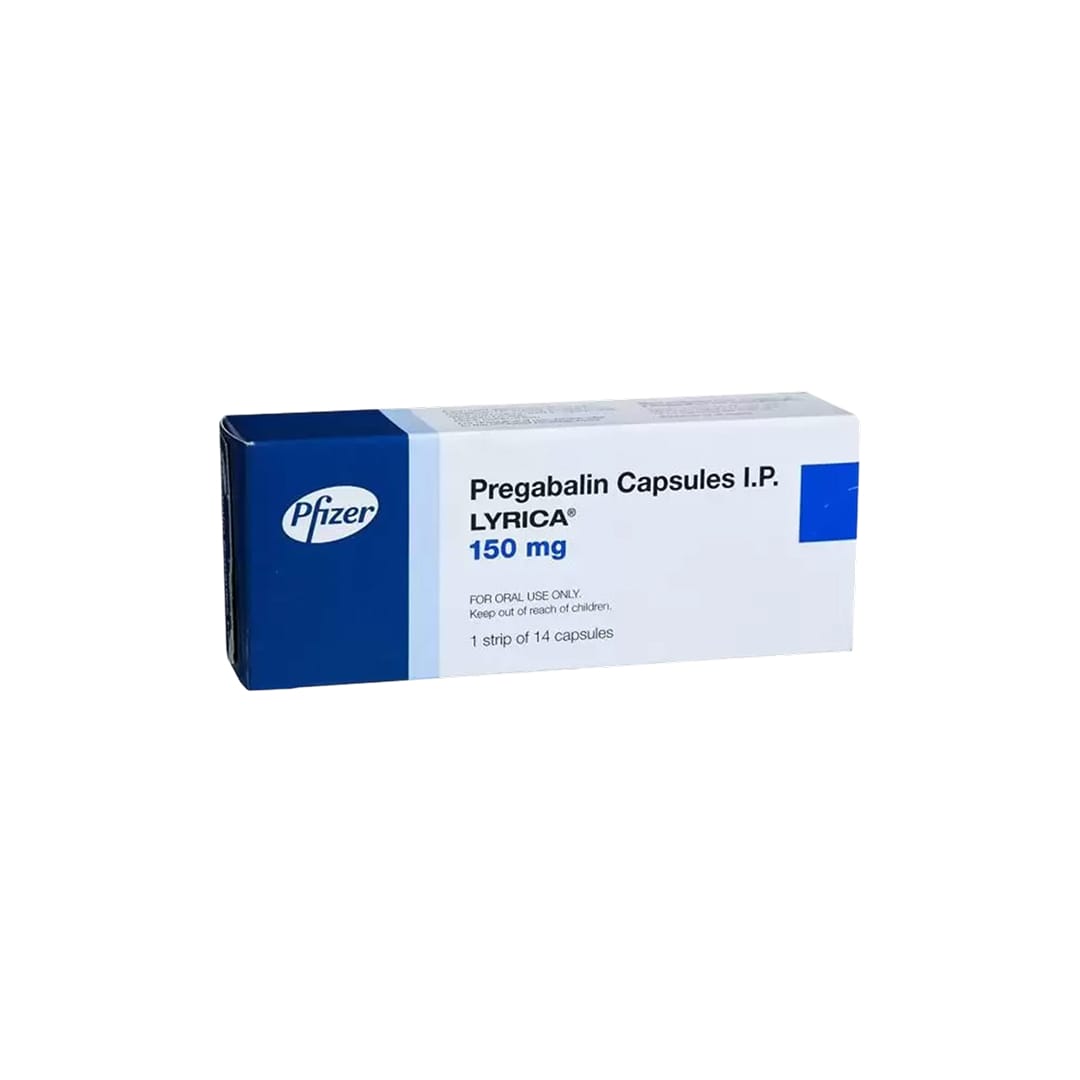
Lyrica
Buy Lyrica Online


Lyrica is the brand name for pregabalin, a medicine used for certain nerve-pain and seizure-related conditions. You can buy Lyrica online and choose the strength and quantity shown during ordering, then match them to the directions from your clinician. Brand Lyrica and generic pregabalin may be offered separately, so the active ingredient, strength, form, and capsule count should be matched carefully before checkout.
Lyrica is commonly supplied as capsules, and pregabalin strengths are written in milligrams. Strengths such as 50 mg, 75 mg, 100 mg, 150 mg, and 300 mg are not interchangeable unless a clinician changes the directions. When ordering for US delivery from Canada, keep the medication name and strength consistent with your treatment plan and any pharmacy label instructions already provided.
Lyrica Price and Strength Selection
The Lyrica price depends on the exact brand or generic product, strength, capsule count, manufacturer, and package size shown during ordering. Brand Lyrica and generic pregabalin can have different prices even when they contain the same active ingredient. A lower total may also reflect fewer capsules, a different strength, or a generic product rather than the same supply.
For a meaningful Lyrica cost comparison, use the same strength and quantity each time. For example, a Lyrica 75 mg capsule supply should not be compared directly with a 150 mg supply unless the clinician has explained how the directions differ. The same principle applies to Lyrica 50 mg capsule, Lyrica 100 mg, Lyrica 150 mg, and Lyrica 300 mg choices.
Quick tip: Compare active ingredient, brand or generic status, strength, form, and capsule count before judging the total.
| What to check | Why it matters |
|---|---|
| Brand or generic | Lyrica contains pregabalin, but substitution rules and product appearance may differ. |
| Capsule strength | Milligram strength affects how the medicine is taken and should match clinician directions. |
| Quantity | Capsule count changes the total supply and the overall cost comparison. |
| Product form | Capsules should not be swapped with another form without clinical direction. |
| Cash-pay planning | Lyrica cost without insurance may differ from covered or reimbursed pathways. |
How to Order Lyrica Online
Order Lyrica online by choosing the medication name, strength, and quantity that match your clinician’s instructions. Treat checkout as a product-matching step, not a dosing decision. If the strength or quantity does not line up with the treatment plan, ask a qualified healthcare professional before changing what you order.
We may review order details when clarification is needed, especially if the medication name, strength, or directions appear inconsistent. Keeping the clinic contact information and current medication directions available can reduce avoidable delays. Products are supplied through licensed pharmacies, and the medicine should arrive with pharmacy labeling that identifies the name, strength, and use directions.
Do not choose a different capsule strength because it seems more convenient or changes the price. Pregabalin dosing is individualized and may depend on the condition being treated, kidney function, tolerability, age, and other medicines. If several pregabalin choices are displayed, use the active ingredient, strength, form, and manufacturer information to distinguish them.
Brand Lyrica and Generic Pregabalin
The generic name for Lyrica is pregabalin. A generic drug for Lyrica contains the same active ingredient, but the capsule appearance, inactive ingredients, manufacturer, and substitution rules may differ. Some people stay with the brand because that is what their clinician specified, while others use generic pregabalin when substitution is appropriate.
Generic Lyrica cost may be lower than brand cost, but price should not be the only deciding factor. The order should still match the written strength and quantity. If the brand name is required for clinical reasons, choose the brand product rather than a pregabalin alternative.
Pregabalin is part of a group of nervous-system medicines used for nerve signaling and seizure-related treatment. For broader browsing within the same therapeutic area, the Neurology Products category can help you identify related medication classes already discussed with a clinician. Product browsing should support, not replace, individualized medical care.
What Lyrica Is Used For
Pregabalin is an anticonvulsant and neuropathic pain medicine. Neuropathic pain means pain caused by damaged or overactive nerves. Lyrica is used for conditions that may include diabetic peripheral neuropathy pain, postherpetic neuralgia after shingles, fibromyalgia, nerve pain related to spinal cord injury, and adjunctive treatment for partial-onset seizures, depending on approved labeling and clinical direction.
Lyrica is not an ordinary pain reliever for every type of pain. It works differently from anti-inflammatory medicines and opioids by affecting nerve-signal activity. People reviewing diagnosis-specific information can read more about Neuropathic Pain, Fibromyalgia, and Epilepsy when those topics match a diagnosis already discussed with a clinician.
Some people take pregabalin for more than one reason, such as nerve pain plus seizure-related therapy, but the dose schedule may differ by condition. Do not assume that another person’s Lyrica strength or daily amount applies to you. The safest ordering approach is to match the product strength to your own directions and ask for clarification when the plan is unclear.
Capsule Strengths, Directions, and Daily Use
Lyrica capsules are labeled by strength in mg. Small strength changes can be clinically important, especially when the medicine is taken more than once daily or adjusted gradually. A 75 mg capsule and a 150 mg capsule are different products even if the total daily amount can look similar in a dosing calculation.
Take pregabalin only as directed by a healthcare professional. It may be taken with or without food according to the product instructions, but the schedule should remain consistent with the label you receive. If a dose is missed, follow the directions from your clinician or pharmacist rather than doubling doses without guidance.
- Name match: Use Lyrica or pregabalin according to the treatment plan.
- Strength match: The milligram amount should be exact.
- Form match: Do not change from capsules to another form on your own.
- Quantity match: Capsule count should reflect the intended supply.
- Directions match: Do not change the daily schedule during product selection.
Why it matters: Matching the medicine before checkout helps prevent avoidable dosing or supply errors.
Storage, Handling, and Travel
Lyrica capsules are generally stored at room temperature. Keep the medicine in its original container, away from excess moisture, heat, and direct sunlight. A bathroom cabinet is often too humid, and a parked car can expose capsules to heat that may affect storage conditions.
Keep pregabalin out of reach of children and pets. Do not use capsules that appear wet, crushed, damaged, or inconsistent with the medication label. If the package arrives with a problem, ask a pharmacist or another qualified professional how to proceed before taking the medicine.
Travel with the pharmacy-labeled container whenever possible. The label helps identify the medication, strength, and user, especially during air travel or border crossings. Carry enough medicine for the planned trip, but keep it protected from heat, crushing, and moisture while in transit.
Side Effects, Warnings, and Monitoring
Common side effects of pregabalin can include dizziness, sleepiness, dry mouth, blurred vision, swelling in the hands or feet, weight gain, and trouble concentrating. These effects can affect driving, work, balance, and fall risk, particularly when treatment starts or the dose changes. Alcohol and sedating medicines may increase drowsiness and impaired coordination.
Serious reactions need prompt medical attention. Seek urgent help for swelling of the face, lips, tongue, or throat; trouble breathing; severe rash; or other signs of a serious allergic reaction. Mood changes, new or worsening depression, suicidal thoughts, unusual behavior changes, or severe muscle pain should be discussed with a healthcare professional right away.
Pregabalin may cause respiratory depression, especially when combined with opioids, benzodiazepines, sleep medicines, muscle relaxants, alcohol, or other central nervous system depressants. People with breathing problems, older adults, and those taking multiple sedating medicines may need closer monitoring. Swelling and weight gain can also matter for people with heart failure or those using medicines that promote fluid retention.
Kidney function is an important monitoring point because pregabalin is cleared mainly through the kidneys. A clinician may use kidney test results to choose or adjust the dosing schedule. Do not stop pregabalin suddenly unless a clinician tells you to do so, because abrupt discontinuation can cause withdrawal-type symptoms and may increase seizure risk in people using it for seizure control.
Interactions and Questions to Ask a Clinician
Tell a healthcare professional about opioids, benzodiazepines, sleep medicines, alcohol use, muscle relaxants, and other sedating products before using pregabalin. Combining these can increase dizziness, confusion, falls, and breathing risk. ACE inhibitors may increase the chance of swelling reactions, and thiazolidinedione diabetes medicines can add to fluid retention and weight gain.
Ask how pregabalin fits with your full medication list, kidney function, work or driving responsibilities, and fall risk. If you have a history of substance use disorder, severe lung disease, mood changes, or heart failure, those details are important for the treatment discussion. The goal is to use the correct strength while monitoring for benefit and tolerability.
Some people notice sleepiness early in treatment, while others mainly notice dizziness or swelling. Lyrica should not be used as a sleep medicine unless a clinician has specifically chosen it for an appropriate condition. If side effects become difficult, the next step is a clinical discussion rather than changing capsule strength or stopping suddenly.
Related Treatment Choices
Pregabalin and gabapentin are related medicines, but they are not the same product. They have different strengths, absorption patterns, dosing schedules, and approved uses. If a clinician discusses switching, compare the medicine name and directions carefully before moving from one product to another.
The Gabapentin product can be useful when that specific medicine is part of the treatment plan. For other therapy categories, Pain and Inflammation Products may help you identify medicines a clinician has already mentioned. These links are for product identification and treatment-category browsing, not self-selection of therapy.
People with nerve-pain conditions may also find background articles in Neurology Articles or Pain and Inflammation Articles helpful for preparing questions. Use educational material to support a conversation about diagnosis, monitoring, and side effects, especially when symptoms change or pain control remains poor.
Authoritative Sources
Official labeling is the best source for approved uses, serious warnings, side effects, and product-specific safety details. These references are useful when reviewing brand Lyrica, pregabalin, and patient medication information.
- Official prescribing information: Pfizer Lyrica Prescribing Information.
- Medication guide: FDA Lyrica Medication Guide.
This content is for informational purposes only and is not a substitute for professional medical advice.
BMI Calculator
Estimate adult body mass index from height and weight, with metric and imperial units.
BMI
-
kg/m2 equivalent
Category
-
Adult screening range
These calculations are for education only and do not replace clinical advice, diagnosis, or treatment. Always confirm medical decisions with a qualified healthcare professional.
eGFR Calculator
Estimate kidney filtration using the 2021 CKD-EPI creatinine equation.
eGFR
-
mL/min/1.73 m2
G category
-
requires clinical context
These calculations are for education only and do not replace clinical advice, diagnosis, or treatment. Always confirm medical decisions with a qualified healthcare professional.
Creatinine Clearance Calculator
Estimate creatinine clearance using the Cockcroft-Gault equation.
CrCl
-
mL/min estimate
These calculations are for education only and do not replace clinical advice, diagnosis, or treatment. Always confirm medical decisions with a qualified healthcare professional.
Ideal & Adjusted Body Weight Calculator
Estimate ideal body weight with the Devine equation and adjusted body weight when actual weight is above the estimate.
Ideal body weight
-
Devine equation
Adjusted body weight
-
IBW + 0.4 x excess weight
Difference from IBW
-
actual minus ideal
These calculations are for education only and do not replace clinical advice, diagnosis, or treatment. Always confirm medical decisions with a qualified healthcare professional.
Customer Reviews
5.0 Based on 1 Reviews
Write a Review Ask a Question - Reviews
- Questions
Filter Reviews:
TW
02/17/2026
Teresa W.  US
USPurchase of Lyrica
I had a wonderful experience using Canadian Insulin to purchase the name brand Lyrica I need my for myFibromyalgia pain. The customer service is fantastic. They pick up the phone immediately and have specialists to help with prescriptions from the U.S. Although it is an expensive drug, it is about 1/4 of the price I pay in the States. Shipping was quick as well. I will continue to order from them going forward.
02/17/2026
CanadianInsulin.com
Hi Teresa!We are truly grateful that you chose Canadian Insulin for your Lyrica prescription, and we’re especially glad to hear that our team was able to support you throughout the process. Managing fibromyalgia pain is challenging enough, and our goal is always to make accessing your medication as smooth, affordable, and stress-free as possible. We’re pleased to know that the cost savings and shipping time met your expectations, providing high-quality, brand-name medications at significantly lower prices is exactly what we strive to do.Your trust and continued support truly mean the world to us. We look forward to assisting you again with your future orders and are always here if you need anything at all.Thank you for choosing Canadian Insulin!
Express Shipping - from $29.99
Shipping with this method takes 3-5 days
Prices:
- Dry-Packed Products $29.99
- Cold-Packed Products $39.99
Standard Shipping - $19.99
Shipping with this method takes 5-10 days
Prices:
- Dry-Packed Products $19.99
- Not available for Cold-Packed products
What is the generic name for Lyrica?
The generic name for Lyrica is pregabalin. Generic pregabalin contains the same active ingredient, but the manufacturer, capsule appearance, inactive ingredients, and substitution rules may differ.
What conditions is Lyrica used to treat?
Lyrica is used for certain nerve-pain conditions and as adjunctive treatment for partial-onset seizures, depending on approved labeling and clinical direction. Uses may include diabetic nerve pain, post-shingles nerve pain, fibromyalgia, and spinal cord injury-related nerve pain.
Is Lyrica the same as gabapentin?
No. Lyrica contains pregabalin, while gabapentin is a different medicine. They are related nervous-system medicines, but they differ in strengths, dosing schedules, absorption, and approved uses.
What are common side effects of Lyrica?
Common side effects can include dizziness, sleepiness, dry mouth, blurred vision, swelling in the hands or feet, weight gain, and trouble concentrating. These effects may affect driving, balance, and fall risk.
Can Lyrica cause weight gain or swelling?
Yes. Pregabalin can cause weight gain and swelling, especially in the hands or feet. People with heart failure or those taking medicines that increase fluid retention should discuss this risk with a healthcare professional.
Can I stop taking Lyrica suddenly?
Do not stop pregabalin suddenly unless a clinician tells you to do so. Abrupt discontinuation can cause withdrawal-type symptoms and may increase seizure risk in people using it for seizure control.
Rewards Program
Earn points on birthdays, product orders, reviews, friend referrals, and more! Enjoy your medication at unparalleled discounts while reaping rewards for every step you take with us.
You can read more about rewards here.
POINT VALUE
How to earn points
- 1Create an account and start earning.
- 2Earn points every time you shop or perform certain actions.
- 3Redeem points for exclusive discounts.
You Might Also Like
Select options
This product has multiple variants. The options may be chosen on the product page
Select options
This product has multiple variants. The options may be chosen on the product page
Select options
This product has multiple variants. The options may be chosen on the product page
Select options
This product has multiple variants. The options may be chosen on the product page
Related Articles
Weight Management
Weight Loss and Calories Calculator: Safe Planning Basics
A weight loss and calories calculator estimates daily calories for maintenance and planned weight change by using your age, sex, height, weight, activity level, and goal. It gives a starting…
Diabetes, Type 1
Humulin N Dosage Chart: Safe Use and Adjustment Factors
A Humulin N dosage chart can help you organize a prescribed insulin plan, but it should not decide your dose. Humulin N is insulin isophane, also called NPH insulin (neutral…
Diabetes, Type 1
Humalog KwikPen Generic Options and Insulin Lispro Safety
A Humalog KwikPen generic search usually comes down to one key point: Humalog KwikPen contains insulin lispro, but insulin copies are not always handled like traditional small-molecule generics. Some products…
Diabetes
Insulin Syringe Sizes: Barrel, Needle, and Safety Basics
Insulin syringe sizes describe three things: how much the barrel holds, how long the needle is, and how thin the needle is. These details matter because insulin is measured in…