
Please note: a valid prescription is required for all prescription medication.
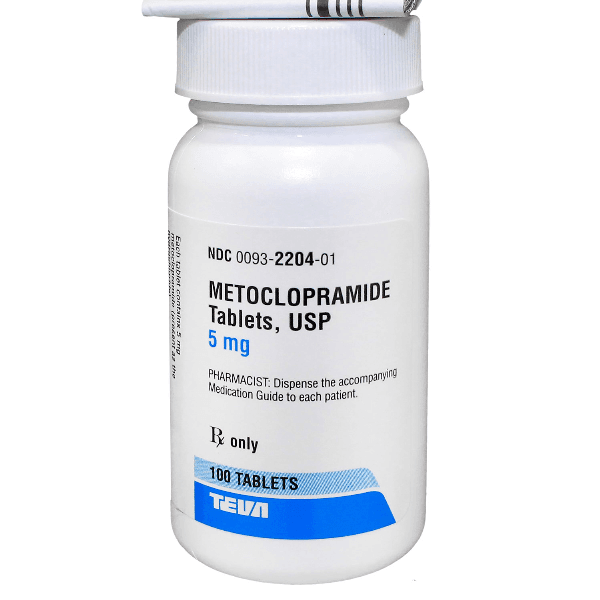

Metoclopramide
Metoclopramide: Uses, Dosage Basics, and Safety
Price:
Price range: $28.99 through $163.99
You save


Metoclopramide is a prescription medicine used to treat certain nausea symptoms and slowed stomach emptying. This page summarizes how Metoclopramide 10mg is commonly used, typical administration patterns, and key safety issues. It also covers forms, storage basics, interactions, and practical access considerations.
What Metoclopramide Is and How It Works
Metoclopramide is an antiemetic (anti-nausea medicine) and prokinetic (gut-motility stimulant). CanadianInsulin acts as a prescription referral service and may confirm details with your prescriber. Some patients explore US shipping from Canada when their prescription and local rules allow cross-border fulfillment.
This medicine works mainly by blocking dopamine (a brain chemical messenger) at D2 receptors and by increasing acetylcholine activity in the gastrointestinal tract. The combined effect can help reduce nausea and vomiting signals and improve the coordinated movement of the stomach and upper small intestine. In plain terms, it can help the stomach empty more normally in some conditions.
Metoclopramide is typically used for specific, time-limited situations rather than long-term daily symptom control. It may be prescribed for diabetic gastroparesis (delayed stomach emptying) symptoms, and it may be used for reflux symptoms in selected cases. It can also be used to prevent or treat nausea and vomiting in certain clinical settings, depending on the label and the clinician’s assessment.
Because it affects both the gut and the nervous system, careful attention to the medication guide and duration limits is important. When permitted, licensed third-party pharmacies dispense and fulfill prescriptions. The goal of the sections below is to clarify what the medication does, what to watch for, and how to discuss it safely with a clinician.
Who It’s For
In adult care, Metoclopramide 10mg may be prescribed for short-term treatment of symptoms related to delayed gastric emptying, including nausea, vomiting, early fullness, and bloating. It may also be used for reflux symptoms in certain circumstances when other measures have not been sufficient. For condition context and related treatment categories, you can browse the Gastroparesis Hub and the Nausea And Vomiting condition hub.
People searching in Spanish often ask, metoclopramide 10 mg para que sirve. At a high level, it is used to help relieve nausea and vomiting and to improve stomach emptying in selected patients. A prescriber weighs benefits against neurologic risks and usually chooses the shortest effective duration.
- Common labeled uses: diabetic gastroparesis symptoms and selected GERD cases.
- Other clinical uses: prevention or treatment of nausea in specific settings.
- Typical population: adults; pediatric use is more restricted.
Metoclopramide is not appropriate for everyone. It is generally avoided in people with suspected gastrointestinal bleeding, obstruction, or perforation because increasing gut movement could worsen complications. It may also be contraindicated in patients with pheochromocytoma and in those with a history of tardive dyskinesia or prior serious reactions to this drug class. A clinician may use extra caution in older adults, in people with Parkinson’s disease, seizure disorders, or significant mood disorders.
Dosage and Usage
Metoclopramide 10mg dosage schedules depend on the indication, kidney function, and the formulation used. For oral use, dosing is commonly timed before meals and sometimes at bedtime because symptoms often relate to eating and gastric emptying. Treatment duration is usually limited, and clinicians commonly avoid extended use due to the risk of tardive dyskinesia (involuntary movements) with longer exposure.
Tablets are swallowed with water and taken as directed on the prescription label. If drowsiness occurs, activities requiring alertness may need to be avoided until the individual response is known. For people using it for delayed stomach emptying related to diabetes, clinicians may also coordinate the plan with glucose-lowering therapy because changes in gastric emptying can affect meal timing and post-meal glucose patterns. For broader medication context, see Common Diabetes Medications.
Quick tip: Keep a simple log of dose times and symptoms to share at follow-up.
If a dose is missed, the label instructions and the prescriber’s guidance should be followed rather than doubling up. Do not change the dose, schedule, or duration without clinician input. Abrupt stopping is not always problematic, but any change should consider the reason it was started and current symptoms.
Strengths and Forms
Metoclopramide comes in several dosage forms, and selection depends on the clinical setting and the patient’s ability to take oral medication. Metoclopramide 10mg tablets are among the most commonly used outpatient forms, often listed as metoclopramide HCl 10 mg or metoclopramide hydrochloride 10 mg on pharmacy labels. Brand names in some markets may include Reglan, Plasil, or Primperan, though availability varies.
The table below summarizes common presentations described in prescribing information. Specific products and suppliers can differ by pharmacy and jurisdiction, so the prescription should match the intended form.
| Form | How it is used | Notes |
|---|---|---|
| Oral tablet | Scheduled doses by mouth | Often used outpatient |
| Oral solution | By mouth for those needing liquid | Allows dose measurement |
| Injection | IM or IV in clinical settings | Used when oral not feasible |
Clinicians may also reference injectable presentations such as 10 mg/2 mL in hospital protocols, and metoclopramide 10mg IV administration may be used in monitored settings. For related digestive medication categories, you can browse the Gastrointestinal Category hub.
Storage and Travel Basics
Store metoclopramide in the original, labeled container and follow the storage instructions on the pharmacy label. Tablets are commonly kept at controlled room temperature and protected from excess heat and moisture. Keep all medications out of reach of children, and do not share prescriptions with others, even if symptoms seem similar.
If you travel, carry the medication in a bag that stays with you and keep a copy of the prescription information available for identification. For liquids or injectable forms, handling requirements can differ, including light protection and stability after opening; follow the specific carton and pharmacy directions. Metoclopramide 10mg remains a prescription medication, so maintaining clear labeling helps prevent mix-ups during travel or in multi-medication households.
For general digestive health resources and related topics, you can browse Gastrointestinal Articles for background reading.
Side Effects and Safety
Side effects can involve the nervous system, mood, and gastrointestinal tract. Commonly reported effects may include drowsiness, fatigue, restlessness, headache, diarrhea, or dizziness. Because sedation can occur, combining this medicine with alcohol or other sedating drugs can increase impairment.
Tardive Dyskinesia Warning
Metoclopramide carries a boxed warning about tardive dyskinesia, a potentially irreversible movement disorder. Symptoms can include repetitive, involuntary movements of the face, tongue, or limbs. Risk increases with longer duration and higher cumulative exposure, so prescribers often limit treatment length and reassess regularly. If abnormal movements, muscle stiffness, or uncontrolled restlessness occur, the person taking the medication should seek medical evaluation promptly rather than trying to manage symptoms alone.
Other serious reactions can include acute dystonia (sustained muscle contractions), parkinsonism-like symptoms, neuroleptic malignant syndrome (a rare, life-threatening reaction with fever and rigidity), or mood changes such as depression. Metoclopramide 10mg pregnancy questions are common; safety depends on trimester, indication, and alternatives, so individualized counseling is important. Older adults may be more sensitive to neurologic side effects, and people with underlying neurologic disease may have higher risk.
Why it matters: Many serious effects are neurologic and may start suddenly.
Drug Interactions and Cautions
Metoclopramide can interact with medicines that affect the central nervous system or dopamine signaling. Examples include antipsychotics, some anti-nausea agents with similar mechanisms, and Parkinson’s medications such as levodopa or dopamine agonists (which can have opposing effects). Combining multiple dopamine-blocking drugs can increase the risk of movement-related side effects.
Serotonergic medications (such as some SSRIs/SNRIs, MAO inhibitors, or other agents) may raise concern for serotonin syndrome in rare cases, especially when several serotonergic drugs are used together. Sedatives, opioid pain medications, sleep aids, and alcohol can increase drowsiness and coordination problems. Metoclopramide may also change the absorption of some oral medicines by altering gastric emptying; clinicians sometimes monitor drugs with narrow therapeutic windows.
For people managing diabetes, changes in gastric emptying can complicate meal-time glucose patterns. Metoclopramide 10mg is sometimes used in diabetic gastroparesis, so it is worth reviewing the full medication list, including combination tablets. Related reading includes Acceptable Combinations Of Diabetes Medications, Understanding Janumet Dosage, and What Is Jardiance Used For.
Compare With Alternatives
The best alternative depends on the goal of therapy. For nausea and vomiting, clinicians may consider other antiemetics such as ondansetron or promethazine, depending on the setting and patient factors. For reflux symptoms, acid-suppressing therapies (such as proton pump inhibitors) and lifestyle measures are often used, and metoclopramide is typically reserved for selected situations. For condition browsing, see the Gastroesophageal Reflux Disease hub.
For gastroparesis symptoms, alternatives may include dietary adjustments (small, low-fat meals), hydration planning, and addressing contributing medications that slow motility. Some clinicians use erythromycin for motility effects, though tolerance and side effects can limit use. Domperidone is used in some countries under specific controls but is not broadly available in the U.S. outside restricted pathways. Metoclopramide is also used in veterinary settings; dosing and safety considerations differ by species, so pet owners should use veterinary-labeled products and guidance, such as items listed in the Pet Medications Category.
Pricing and Access
Metoclopramide 10mg is prescription-only, so access starts with a valid prescription that specifies the intended form and directions. Coverage and formulary placement can vary by plan, and out-of-pocket responsibility depends on the specific pharmacy channel and the patient’s benefits. For patients paying directly, including those without insurance, total expense can vary by dosage form and local dispensing fees.
Prescription documentation matters because metoclopramide use is often time-limited and may be reassessed due to neurologic risk. Cross-border fulfillment and cash-pay options depend on eligibility and local rules. If a prescriber changes the plan (for example, switching from tablet to liquid), the updated directions should be confirmed before dispensing.
Some people also look for general site-wide updates on coverage and programs; the Promotions Page may list non-time-specific information when available. When prescriptions are routed for dispensing, the final label instructions from the dispensing pharmacy should be treated as the source of truth for administration directions.
Authoritative Sources
For the U.S. prescribing information and boxed warning, review DailyMed metoclopramide listings.
For patient-focused medication guidance, see MedlinePlus metoclopramide.
When a prescription is referred and dispensed by a licensed partner pharmacy, packaging and prompt, express, cold-chain shipping may be used when required for temperature-sensitive items.
This content is for informational purposes only and is not a substitute for professional medical advice.
Express Shipping - from $25.00
Shipping with this method takes 3-5 days
Prices:
- Dry-Packed Products $25.00
- Cold-Packed Products $35.00
Standard Shipping - $15.00
Shipping with this method takes 5-10 days
Prices:
- Dry-Packed Products $15.00
- Not available for Cold-Packed products
What is metoclopramide 10 mg used for?
Metoclopramide is used to treat certain causes of nausea and vomiting and to improve symptoms linked to delayed stomach emptying (gastroparesis), especially when related to diabetes. It may also be used in selected cases of reflux symptoms when other approaches are not sufficient. The medication works by affecting dopamine signaling and by increasing gastrointestinal motility. Because it can cause neurologic side effects in some people, prescribers often choose the shortest effective duration and reassess symptoms and tolerability during treatment.
How long can I take metoclopramide safely?
Duration depends on the reason it is prescribed and your risk factors. Metoclopramide carries a boxed warning about tardive dyskinesia, a movement disorder that becomes more likely with longer exposure and higher cumulative dose. For that reason, many treatment plans are intended to be short-term, and clinicians often avoid use beyond the time limits described in the prescribing information unless benefits clearly outweigh risks. If symptoms persist, ask the prescriber about reassessment, alternatives, and a monitoring plan.
What side effects should I watch for while taking metoclopramide?
Common side effects can include sleepiness, fatigue, restlessness, headache, dizziness, or diarrhea. More serious effects are usually neurologic: involuntary facial or limb movements, muscle stiffness, tremor, agitation, or a sense of inner restlessness. Rarely, severe reactions such as neuroleptic malignant syndrome (fever, rigidity, confusion) can occur. Mood changes, including depression, have also been reported. If you notice new or worsening neurologic symptoms, seek medical evaluation promptly and bring a full medication list.
Can metoclopramide be used during pregnancy or breastfeeding?
Use in pregnancy or breastfeeding should be individualized. Metoclopramide is sometimes used for nausea and vomiting in pregnancy when other measures are insufficient, but the decision depends on gestational age, symptom severity, medical history, and alternative options. During breastfeeding, small amounts may pass into milk, and both infant effects and maternal side effects are considered. Do not start or continue it solely based on online information; discuss risks and benefits with an obstetric clinician, and ask what warning signs should prompt urgent follow-up.
Does metoclopramide interact with antidepressants or antipsychotics?
It can. Antipsychotics and other dopamine-blocking drugs may increase the chance of movement-related side effects when combined with metoclopramide. Some antidepressants and other serotonergic medicines (such as SSRIs, SNRIs, or MAO inhibitors) can raise concern for serotonin syndrome in rare cases, especially when multiple serotonergic agents are used together. Sedatives, opioids, and alcohol can also increase drowsiness. Share a complete list of prescriptions, over-the-counter products, and supplements with the prescriber and pharmacist before starting therapy.
What should I ask my clinician before starting metoclopramide?
Helpful questions include: What is the specific goal of treatment (nausea control vs improved stomach emptying)? How long is the planned course, and what is the stop date? What neurologic symptoms should I watch for, and what should I do if they occur? Do I have conditions that increase risk, such as Parkinson’s disease, seizure history, or prior medication-related movement problems? Ask how this medicine might affect other oral drugs you take, including diabetes medications, and whether any follow-up or monitoring is recommended during treatment.
Is metoclopramide the same as Reglan, Plasil, or Primperan?
They can refer to the same active ingredient. Metoclopramide is the generic name. Reglan is a brand name used in some markets, and Plasil or Primperan are brand names used in others. Pharmacies may dispense generic metoclopramide hydrochloride even if a brand name is discussed, depending on local regulations and substitution rules. The key is that the label should list metoclopramide (and the salt form, such as HCl), the strength, and the dosing directions. If the name looks unfamiliar, confirm with the pharmacist.
Rewards Program
Earn points on birthdays, product orders, reviews, friend referrals, and more! Enjoy your medication at unparalleled discounts while reaping rewards for every step you take with us.
You can read more about rewards here.
POINT VALUE
How to earn points
- 1Create an account and start earning.
- 2Earn points every time you shop or perform certain actions.
- 3Redeem points for exclusive discounts.
You Might Also Like
Select options
This product has multiple variants. The options may be chosen on the product page
Select options
This product has multiple variants. The options may be chosen on the product page
Select options
This product has multiple variants. The options may be chosen on the product page
Select options
This product has multiple variants. The options may be chosen on the product page
Related Articles
Type 2 Diabetes,
Oral Wegovy Explained: Facts, Risks, and Access Options
The phrase oral wegovy is best understood as a search term, not a settled product name. Most people use it to mean a pill version of semaglutide for weight management,…
Diabetes, General Health,
Glp-1 Drugs Over The Counter: What’s Real And What’s Not
Key Takeaways Prescription GLP-1 medicines are not sold as true OTC drugs. Many “GLP-1” supplements aim to support fullness, not mimic prescriptions. Online “no prescription” offers raise counterfeit and quality…
Diabetes, Type 2
GLP-1 Cost Without Insurance: Compare Cash-Pay Options
Key Takeaways Many people searching for glp-1 cost without insurance are trying to plan for a long-term expense. The total can change based on the drug, the pharmacy, and how…
Cardiovascular, Diabetes, Nephrology,
SGLT2 Inhibitors Drugs: Names, Uses, And Safety Notes
Key Takeaways They lower glucose by increasing urinary sugar loss. Common options include dapagliflozin, empagliflozin, canagliflozin, and ertugliflozin. Some products combine an SGLT2 inhibitor with metformin. Risks include dehydration and…