
Please note: a valid prescription is required for all prescription medication.
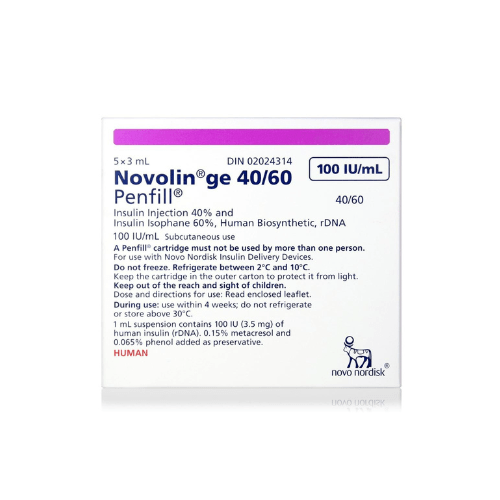
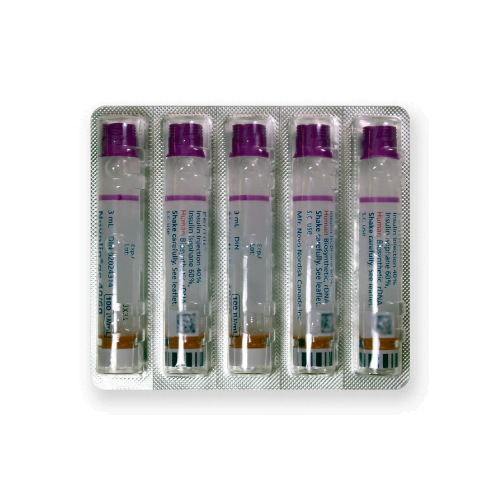
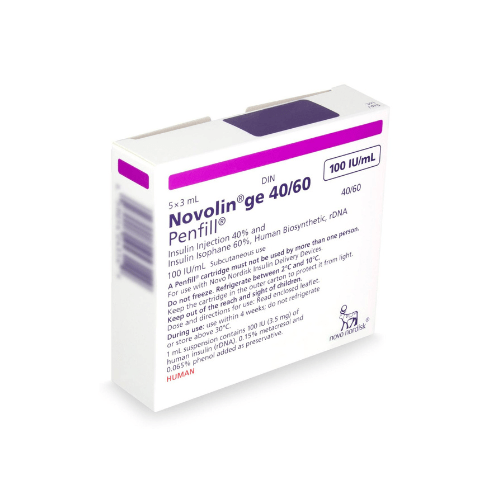
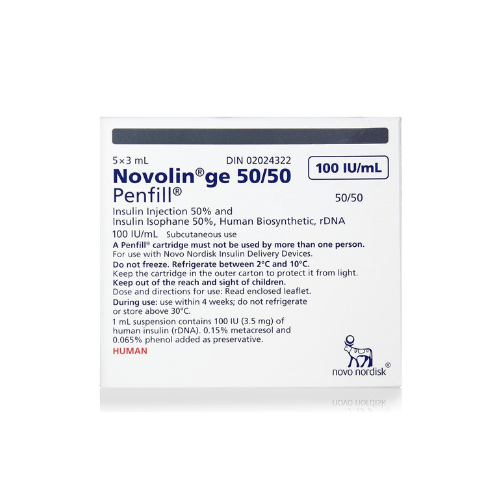
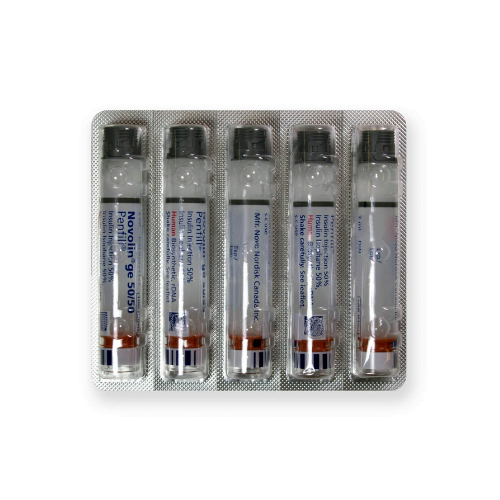
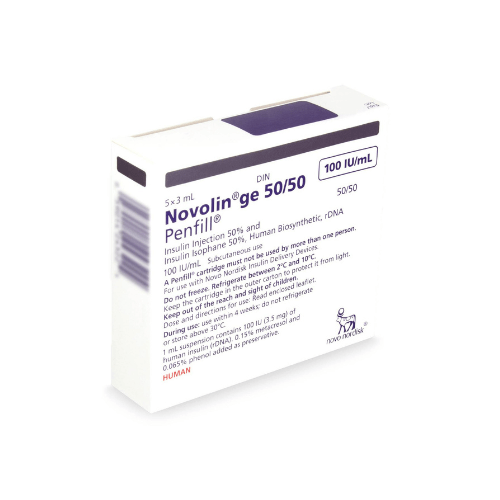
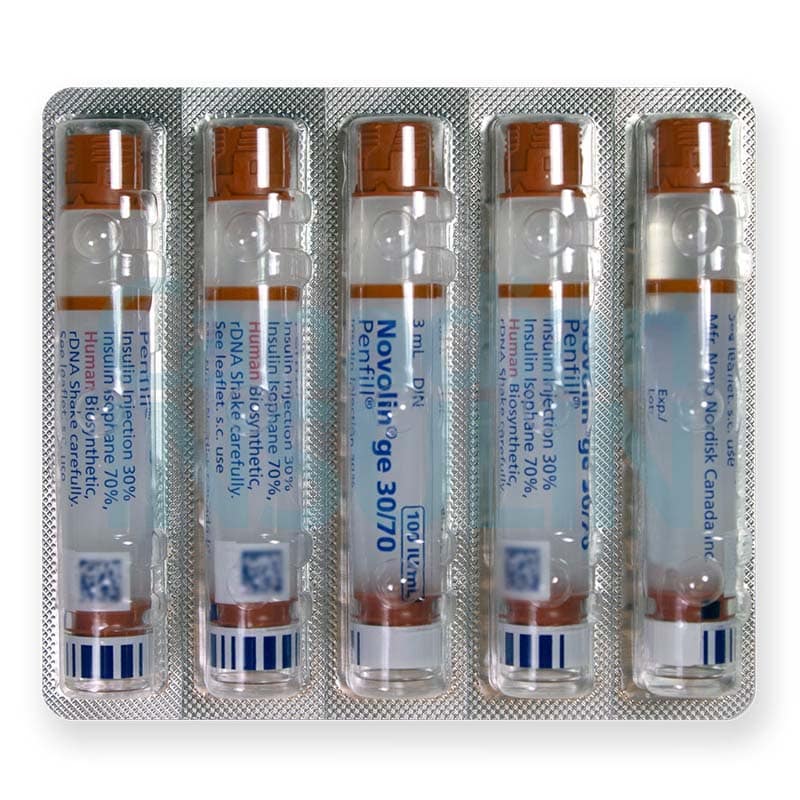
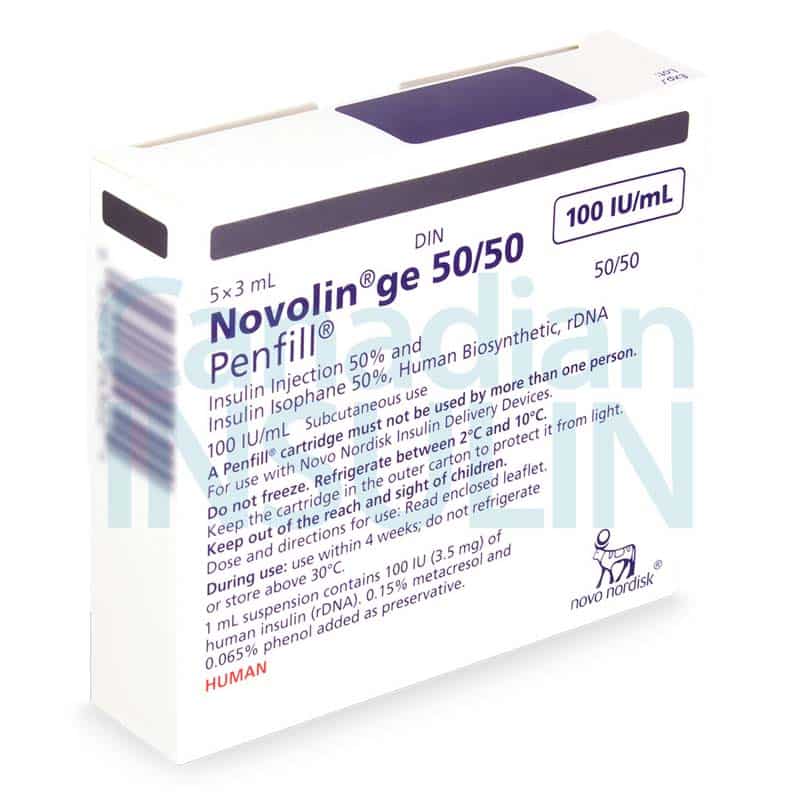
Novolin GE Penfill Cartridges
Buy Novolin GE Penfill Cartridges Online


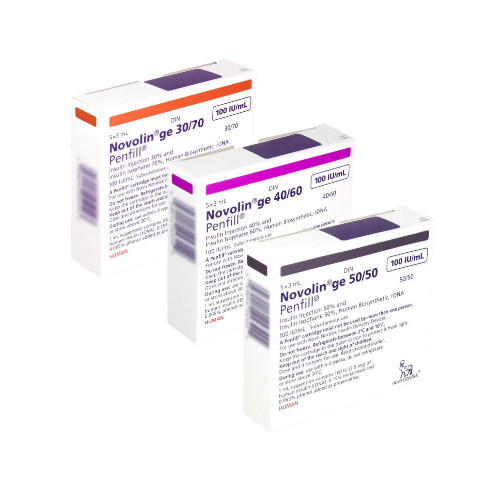
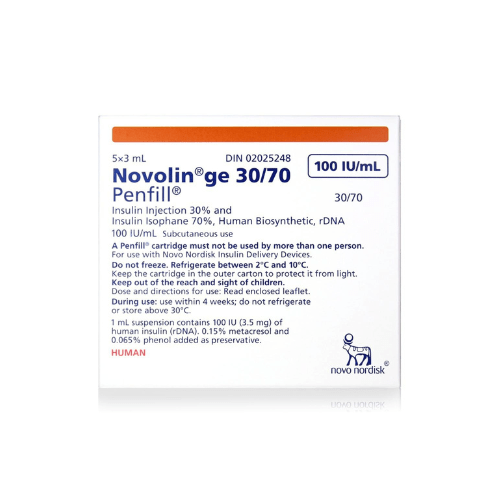
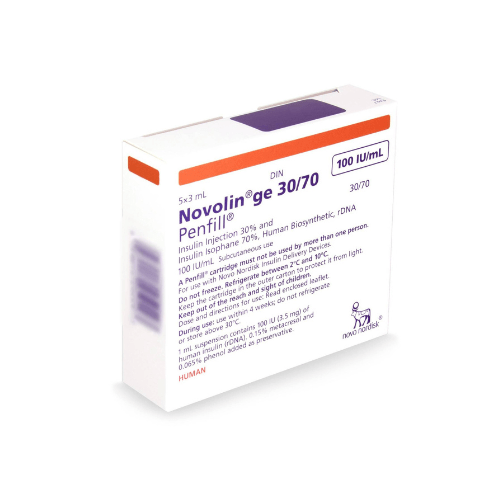
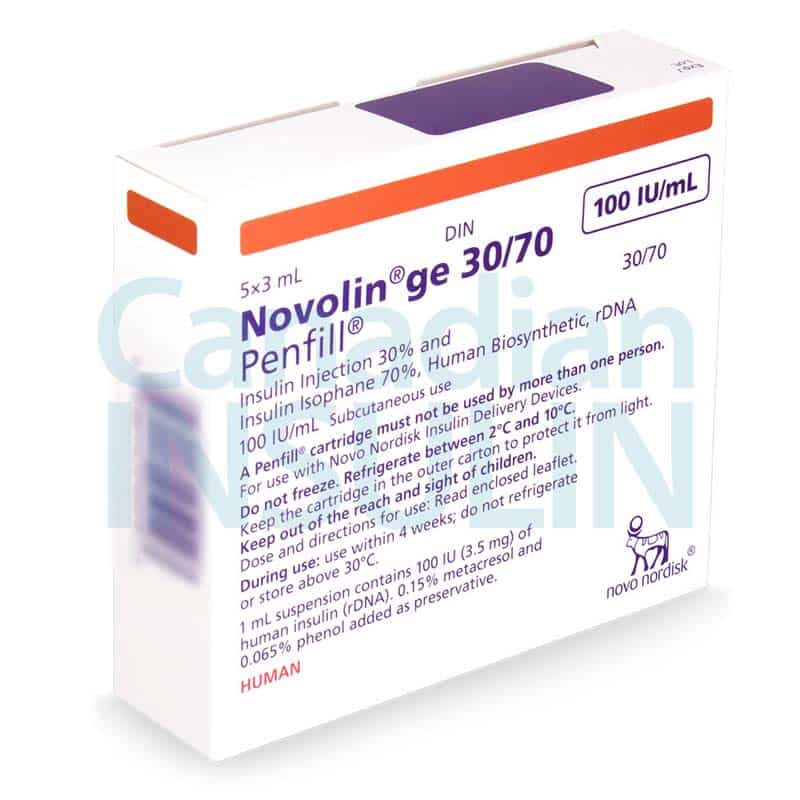
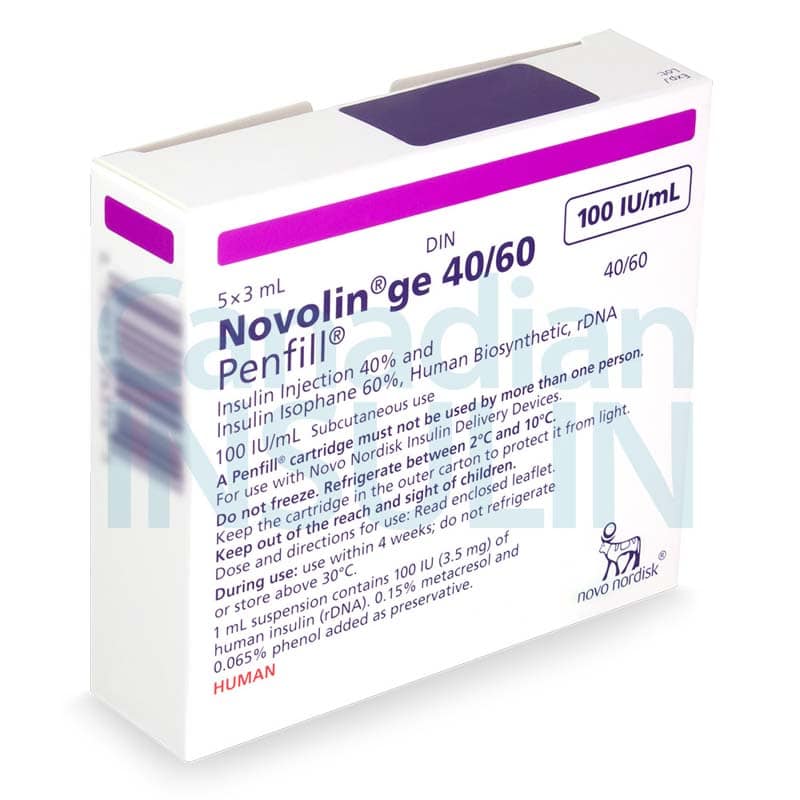
Novolin GE Penfill Cartridges are human insulin cartridges used with compatible reusable insulin pens for diabetes treatment. You can buy Novolin GE Penfill Cartridges online, view the current price for the cartridge type shown, and choose the dose or strength details that match your clinician’s directions. The cartridge name, insulin type, and any premix ratio should be matched carefully before ordering.
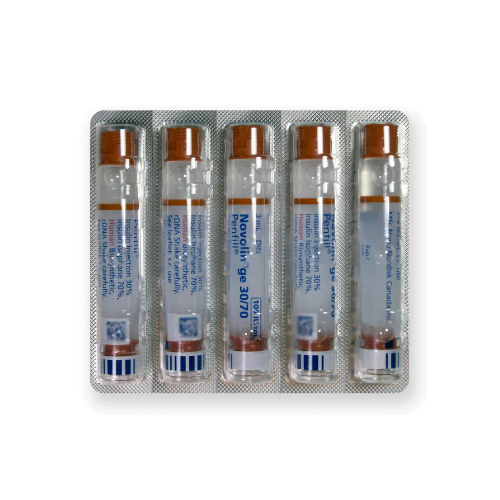
Novolin GE Penfill insulin may be supplied as NPH insulin or as a premixed human insulin cartridge, depending on what has been prescribed for your diabetes plan. Penfill cartridges are not the same as vials or disposable prefilled pens, so the container format and compatible pen system matter as much as the insulin name.
Novolin GE Penfill Cartridges Price and Cartridge Selection
The Novolin GE Penfill Cartridges price should be read together with the cartridge form, insulin type, mix ratio, quantity, and total contents. A lower or higher displayed amount may reflect a different cartridge ratio, pack count, or product format rather than a direct price difference for the same insulin. Match the full name before using the displayed amount to estimate your ongoing diabetes supply needs.
Cash-pay customers often compare Novolin GE Penfill Cartridges cost without insurance by looking at the exact insulin cartridge and quantity. This is especially important for human insulin Penfill cartridges because NPH and premixed cartridges may look similar but behave differently in the body. Do not substitute another ratio because it appears close in name or has a different cost.
Quick tip: Match the full cartridge name, insulin type, ratio, and quantity before comparing totals.
| Wording to match | What it means | Why the distinction matters |
|---|---|---|
| Novolin GE NPH Penfill | NPH or isophane human insulin cartridge | Intermediate-acting insulin differs from premixed insulin. |
| Novolin GE 30/70 Penfill Cartridge | Premixed human insulin in a 30/70 ratio | The fixed mix affects meal timing and glucose coverage. |
| Novolin GE 40/60 Penfill Cartridge | Premixed human insulin in a 40/60 ratio | It should not be treated as interchangeable with other ratios. |
| Novolin GE 50/50 Penfill Cartridge | Premixed human insulin in a 50/50 ratio | The shorter-acting and intermediate-acting balance differs. |
| Novolin GE Penfill 3 mL cartridges | Reusable pen cartridge format | Total cartridge volume is not the same as one injection dose. |
Penfill cartridges require a compatible reusable pen and separate pen needles. If your current supplies were used with vials, disposable pens, or a different cartridge system, confirm the device format before adding insulin to your cart. For broader browsing by insulin type, the insulin medications category can help you compare related insulin presentations.
How to Order Novolin GE Penfill Cartridges Online
To order Novolin GE Penfill Cartridges online, start with the exact cartridge name your clinician directed you to use. Choose the matching NPH or premixed ratio, then check the cartridge format and quantity. If you are arranging US delivery from Canada, review temperature-handling notes because insulin needs protection from heat, freezing, and prolonged exposure outside labeled storage conditions.
- Match the insulin name, including NPH or the full premix ratio.
- Choose Penfill cartridge format rather than a vial or disposable pen.
- Review quantity and expected refill timing based on your treatment plan.
- Check that you have compatible reusable pen hardware and pen needles.
- Plan for prompt, express, cold-chain shipping and quick unpacking after arrival.
Our team may review order details when clarification is needed, especially when the insulin name, quantity, or cartridge wording does not align cleanly with the information provided. Insulin is supplied through licensed pharmacy channels, and accurate medication identification helps prevent mix-ups between products that share similar names.
Novolin GE Penfill Cartridges shipped from Canada to US addresses should be handled as temperature-sensitive medicine. Keep the package out of direct sun after delivery, inspect the contents promptly, and follow the storage instructions on the label and manufacturer insert. If insulin has frozen, overheated, or appears damaged, ask a pharmacist or clinician before using it.
What This Human Insulin Is Used For
Novolin GE is a human insulin product used to help manage blood glucose in people with diabetes. It may be used in type 1 diabetes, type 2 diabetes, or other diabetes care situations when insulin therapy is part of the treatment plan. The goal is to replace or supplement insulin activity so glucose can move from the bloodstream into body tissues more effectively.
NPH insulin is an intermediate-acting insulin suspension. It is often used to provide coverage over several hours rather than immediate mealtime-only coverage. Premixed Novolin GE Penfill cartridges combine regular human insulin with NPH insulin in a fixed ratio. Regular insulin is the shorter-acting component, while NPH provides intermediate coverage.
The diabetes condition section offers general context on diabetes care. For condition-specific browsing, the type 1 diabetes and type 2 diabetes sections can help you locate related educational and treatment categories. These links do not replace individualized dosing or timing instructions from your diabetes care team.
This insulin should be used according to the plan given by a qualified healthcare professional. Meal timing, glucose targets, correction instructions, and missed-dose steps can differ based on the cartridge type and the person’s daily routine. Do not change from NPH to a premix, or from one premix ratio to another, without clinical direction.
Cartridge Forms, Ratios, and Pen Compatibility
Novolin GE reusable pen cartridges are designed for compatible insulin pen devices. They are not universal cartridges for every pen system. A cartridge should not be forced into another pen, transferred into another container, or combined with another insulin unless a qualified healthcare professional gives specific instructions.
NPH and premixed insulin are suspensions, which means insulin particles are distributed through liquid rather than fully dissolved. These cartridges often appear cloudy after proper mixing. Follow the label directions for gentle resuspension before use, and avoid harsh shaking that may create bubbles or affect dose delivery.
Premixed insulin simplifies some treatment plans by combining two insulin components in one cartridge. The tradeoff is that the ratio is fixed. A Novolin GE 30/70 Penfill Cartridge, Novolin GE 40/60 Penfill Cartridge, and Novolin GE 50/50 Penfill Cartridge each represent a different balance of regular insulin and NPH insulin. That balance can influence when the injection is taken, how meals are planned, and how blood glucose is monitored afterward.
Keep pen needles, alcohol swabs if used in your routine, glucose testing supplies, and an approved sharps container available. Cartridge insulin still requires safe injection technique, site rotation, and proper disposal of used needles. The diabetes products category can help you browse adjacent diabetes supplies and medicines.
Storage, Handling, and Travel Planning
Insulin is temperature sensitive. Unopened cartridges are commonly kept refrigerated until use, but exact storage and in-use time limits should come from the package insert and pharmacy label. Keep cartridges away from freezing temperatures, direct heat, direct sunlight, and luggage compartments that may become too hot or too cold.
After a cartridge is opened or inserted into a pen, follow the labeled in-use storage limit. Do not use insulin that has been frozen, overheated, expired, or stored outside the label directions. If a cartridge has unusual clumps, crystals, particles, discoloration, leakage, or a damaged seal, ask a pharmacist or clinician whether it should be discarded.
Why it matters: Damaged or poorly stored insulin may not lower blood glucose as expected.
- Store unopened cartridges according to the label.
- Keep in-use cartridges within the allowed time and temperature range.
- Protect insulin from cars, windowsills, heaters, and direct sun.
- Carry insulin with safe temperature control during travel.
- Write down the date a cartridge is first used.
- Inspect cloudy insulin after proper mixing and before injecting.
When traveling, keep insulin and glucose supplies accessible rather than packed in checked luggage or places exposed to extreme temperatures. Ask your care team how to manage time-zone changes, meal delays, illness, or activity changes. The diabetes articles section includes practical education on day-to-day diabetes management topics.
Side Effects, Warnings, and Monitoring
The most important insulin risk is hypoglycemia, or low blood sugar. Symptoms may include sweating, shakiness, hunger, fast heartbeat, headache, confusion, blurred vision, irritability, dizziness, or weakness. Severe hypoglycemia can cause seizure, loss of consciousness, injury, or the need for emergency treatment.
Hyperglycemia, or high blood sugar, can occur when insulin is missed, underdosed, damaged, expired, or not absorbed as expected. Warning signs may include increased thirst, frequent urination, fatigue, nausea, blurred vision, or fruity-smelling breath. Follow the sick-day, correction, or urgent-care instructions provided by your clinician, especially when vomiting, fever, infection, or reduced food intake is present.
Do not use insulin during an episode of low blood sugar. Also seek urgent help for signs of a serious allergic reaction, including trouble breathing, swelling of the face or throat, widespread rash, severe dizziness, or fainting. Injection-site effects such as redness, itching, swelling, pain, skin thickening, or skin thinning can occur, particularly when injection sites are not rotated.
Insulin can lower potassium levels in some people. This risk may be more important for people using certain medicines, those with specific heart risks, or those needing close medical monitoring. Your clinician may recommend blood glucose checks, A1C testing, potassium monitoring, kidney-related review, or other follow-up depending on your overall health.
Insulin effects can change with meals, activity, illness, alcohol intake, stress, and other medicines. Steroids, some diuretics, beta blockers, other diabetes medicines, and certain heart or blood pressure drugs may affect glucose levels or mask low-blood-sugar symptoms. Keep an updated medication list that includes nonprescription products and supplements.
Ask your diabetes care team what glucose readings should prompt a call, how to handle missed meals, whether you should carry fast-acting carbohydrate, and whether glucagon is appropriate for severe low blood sugar preparedness. If you use a continuous glucose monitor or fingerstick meter, follow the monitoring schedule you were given.
How Penfill Cartridges Compare With Other Diabetes Options
Use Novolin GE Penfill Cartridges when the intended treatment is a Novolin GE cartridge for a compatible reusable pen. Vials, disposable pens, rapid-acting analog cartridges, long-acting insulin products, and non-insulin diabetes medicines are different treatment choices. They can differ in onset, peak, duration, meal timing, storage, and required supplies.
Regular insulin, NPH insulin, premixed insulin, rapid-acting insulin analogs, and long-acting insulin are not interchangeable based on price or convenience alone. A product that looks similar may have a different action profile. Changing insulin type, cartridge ratio, injection timing, or device format can affect both low and high blood sugar risk.
The broader diabetes medications category may help you browse diabetes treatments by medication type. Educational categories for type 1 diabetes articles and type 2 diabetes articles can provide additional background on monitoring, lifestyle questions, and treatment discussions to raise with your clinician.
Authoritative Sources to Use With the Cartridge in Hand
Use the product-specific package insert, cartridge label, and pharmacy label as the main sources for concentration, mixing directions, storage limits, in-use timing, ingredients, warnings, and pen compatibility. The cartridge in your hand should match the insulin name and ratio you intended to order before it is used.
- Manufacturer or official product monograph: formulation, storage, warnings, and handling instructions.
- Clinician directions: dose timing, glucose targets, meal planning, and missed-dose steps.
- Pharmacy label: beyond-use limits, storage notes, and damaged-cartridge guidance.
Keep medication records current and bring questions to a pharmacist or clinician if the cartridge name, ratio, appearance, or pen fit seems different from what you normally use. Product packaging can change, but the insulin type, ratio, and device compatibility remain critical safety checks.
This content is for informational purposes only and is not a substitute for professional medical advice.
Blood Glucose Unit Converter
Convert glucose readings between mg/dL and mmol/L without changing the clinical value.
mg/dL
-
US reporting unit
mmol/L
-
International reporting unit
These calculations are for education only and do not replace clinical advice, diagnosis, or treatment. Always confirm medical decisions with a qualified healthcare professional.
HbA1c & eAG Calculator
Convert between HbA1c percentage and estimated average glucose using the ADAG relationship.
HbA1c
-
percentage
eAG mg/dL
-
estimated average glucose
eAG mmol/L
-
estimated average glucose
These calculations are for education only and do not replace clinical advice, diagnosis, or treatment. Always confirm medical decisions with a qualified healthcare professional.
HOMA-IR Calculator
Estimate insulin resistance from fasting glucose and fasting insulin values collected from the same blood draw.
HOMA-IR
-
screening estimate, not a diagnosis
Formula used
-
depends on glucose unit
These calculations are for education only and do not replace clinical advice, diagnosis, or treatment. Always confirm medical decisions with a qualified healthcare professional.
Carb Serving Calculator
Convert total carbohydrate grams into carb choices for meal planning and diabetes education.
Carb choices
-
total carbs divided by choice size
Rounded choices
-
nearest half choice
Carb calories
-
4 kcal per gram
These calculations are for education only and do not replace clinical advice, diagnosis, or treatment. Always confirm medical decisions with a qualified healthcare professional.
CGM Time-in-Range Summary
Summarise CGM percentages across very low, low, in-range, high, and very high glucose bands.
Entered total
-
should equal 100%
Below range
-
very low plus low
Above range
-
high plus very high
Summary
-
common adult CGM targets vary by patient
These calculations are for education only and do not replace clinical advice, diagnosis, or treatment. Always confirm medical decisions with a qualified healthcare professional.
Express Shipping - from $29.99
Shipping with this method takes 3-5 days
Prices:
- Dry-Packed Products $29.99
- Cold-Packed Products $39.99
Standard Shipping - $19.99
Shipping with this method takes 5-10 days
Prices:
- Dry-Packed Products $19.99
- Not available for Cold-Packed products
What are Novolin GE Penfill Cartridges used for?
Novolin GE Penfill Cartridges are human insulin cartridges used to help manage blood glucose in people with diabetes. They may be used when insulin therapy is part of a clinician-directed diabetes plan.
Are Novolin GE NPH and premixed Penfill cartridges the same?
No. Novolin GE NPH is intermediate-acting human insulin. Premixed cartridges combine regular human insulin with NPH in fixed ratios such as 30/70, 40/60, or 50/50. The ratios should not be substituted without clinical direction.
How should Novolin GE Penfill Cartridges be stored?
Follow the package insert and pharmacy label. Insulin generally needs protection from freezing, direct heat, and strong light. Do not use cartridges that were frozen, overheated, expired, damaged, or have unusual particles or clumps.
What supplies are needed with Penfill cartridges?
Penfill cartridges are used with compatible reusable insulin pens and separate pen needles. You may also need glucose monitoring supplies and a sharps container. Do not force a cartridge into an incompatible pen device.
What is the main safety risk with Novolin GE Penfill insulin?
The main clinically important risk is low blood sugar, or hypoglycemia. Symptoms can include sweating, shakiness, hunger, fast heartbeat, confusion, dizziness, or weakness. Severe low blood sugar can require emergency care.
Rewards Program
Earn points on birthdays, product orders, reviews, friend referrals, and more! Enjoy your medication at unparalleled discounts while reaping rewards for every step you take with us.
You can read more about rewards here.
POINT VALUE
How to earn points
- 1Create an account and start earning.
- 2Earn points every time you shop or perform certain actions.
- 3Redeem points for exclusive discounts.
You Might Also Like
Select options
This product has multiple variants. The options may be chosen on the product page
Select options
This product has multiple variants. The options may be chosen on the product page
Select options
This product has multiple variants. The options may be chosen on the product page
Select options
This product has multiple variants. The options may be chosen on the product page