
Please note: a valid prescription is required for all prescription medication.
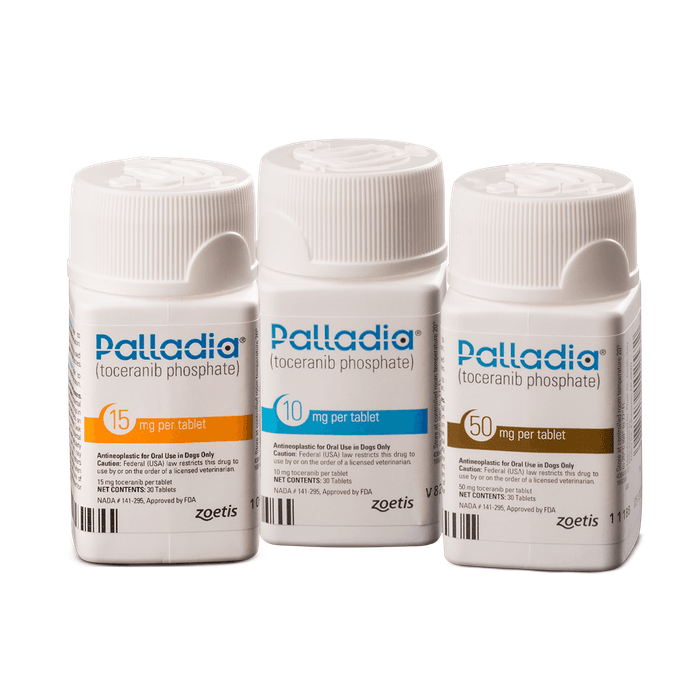
Palladia
Palladia for Dogs: Uses, Dosage Basics, and Safety
Price:
Price range: $170.99 through $588.99
You save


Palladia for dogs is a prescription veterinary cancer medicine used most commonly for certain mast cell tumors. Some patients explore Ships from Canada to US for eligible prescriptions when local access varies by jurisdiction. This page explains what it does, how it is typically used, key safety risks, and practical handling basics.
What Palladia Is and How It Works
Palladia is the brand name for toceranib phosphate, a tyrosine kinase inhibitor (a targeted cancer medicine). In dogs with mast cell tumors, abnormal signaling through receptor tyrosine kinases can help drive tumor growth and blood-vessel support. Toceranib helps block several of these signaling pathways, including KIT (a receptor often involved in mast cell disease), which may slow tumor cell activity and tumor-associated blood-vessel formation.
It is used under veterinary supervision because dosing and monitoring depend on weight, tumor type, and tolerance. Prescription details may be confirmed with the prescribing veterinarian when needed. Palladia is considered an oral chemotherapy-type agent, so safe handling matters even though it is given at home. Tablets should be handled carefully, and dosing decisions should follow the veterinary label and the treating clinician’s plan.
Who It’s For
This medicine is primarily used for dogs diagnosed with recurrent cutaneous (skin) mast cell tumors. In practice, a veterinarian may also consider toceranib for other tumor types as an off-label option when evidence supports it, but that decision is individualized. If you are learning about the diagnosis itself, the Canine Mast Cell Tumor hub can help you browse related items and background topics available on this site.
Palladia for dogs is not intended for human use or for other household pets unless specifically prescribed. It may be avoided in dogs that are breeding, pregnant, or nursing, because of potential reproductive and developmental risks. Veterinarians also use extra caution when a dog has a history of significant gastrointestinal disease, bleeding concerns, poor wound healing, or certain liver or kidney problems. Baseline bloodwork and a treatment plan for follow-up checks are usually part of safe prescribing.
Dosage and Usage
Dosing is weight-based and is commonly scheduled every other day, with adjustments made by the veterinarian based on response and side effects. For Palladia for dogs, tablets are typically given by mouth and may be given with food if recommended for stomach comfort. Do not split, crush, or manipulate tablets unless your veterinarian specifically instructs it, because that can change dosing accuracy and increase exposure risk to people in the home.
Quick tip: Use a written dosing calendar and note any vomiting or diarrhea the same day.
Monitoring during therapy
Monitoring helps detect problems early, including low white blood cells (which can raise infection risk), anemia, platelet changes, liver or kidney strain, and protein in the urine. Many clinics recheck a complete blood count and chemistry panel after starting, then repeat at intervals that match the dog’s stability and concurrent medications. If new symptoms appear between visits, the care team may recommend earlier labs or a brief pause in therapy. For a general example of how structured monitoring plans are explained on this site, see Common Diabetes Medications, which walks through how clinicians describe drug actions and follow-up.
If a dose is missed, clinics often advise giving the next dose at the next scheduled time rather than doubling. Because individualized instructions differ, any missed-dose plan should be confirmed with the prescribing veterinarian or oncology team.
Strengths and Forms
Palladia is supplied as oral tablets. Common tablet strengths include 10 mg, 15 mg, and 50 mg, and clinics may combine strengths to match a dog’s calculated dose. Availability can vary by pharmacy and jurisdiction, and packaging may differ depending on the dispensing source. Your veterinarian may specify a particular strength combination to reduce tablet splitting and improve accuracy.
Check the label each time you receive a refill so the strength and directions match the current plan. If tablets look different than expected, do not assume they are interchangeable; confirm the product name, strength in mg, and dosing schedule with the dispensing pharmacy and the prescribing clinic. Keeping a current medication list is helpful, especially when multiple cancer or supportive-care drugs are used.
Storage and Travel Basics
Store tablets at controlled room temperature unless the label states otherwise. Keep them in the original container or blister packaging to reduce mix-ups and protect from moisture. Because this is a chemotherapy-type agent, store it out of reach of children and animals, and separate it from human medications. If a tablet is broken or powder is visible, avoid direct contact and follow the clinic’s handling instructions.
For travel, keep the medicine in its labeled container and bring enough for the planned schedule plus a small buffer in case of delays. Avoid leaving it in hot cars or in direct sunlight. Carry disposable gloves and sealable bags so you can manage accidental spills. Some general travel-and-handling habits described for other medications, such as in Insulin Pen Vs Syringe, can be adapted to maintain routine and reduce handling errors.
Side Effects and Safety
Side effects can range from mild stomach upset to serious complications. Commonly reported issues include decreased appetite, vomiting, diarrhea, weight loss, tiredness, and lameness. Laboratory changes can also occur, such as lowered white blood cell counts or changes in liver enzymes, which is one reason scheduled bloodwork matters. Even when symptoms seem manageable at home, it is important to document them so the veterinarian can decide whether supportive care or a dose interruption is appropriate.
More serious problems may include persistent or bloody diarrhea, black tar-like stool, repeated vomiting, fever, marked lethargy, pale gums, abdominal pain, or signs of dehydration. Palladia for dogs can also be associated with less common but important risks like pancreatitis, gastrointestinal ulceration or perforation, significant bleeding, delayed wound healing, high blood pressure, or kidney-related protein loss. Seek urgent veterinary guidance for severe symptoms, collapse, breathing difficulty, or uncontrolled bleeding.
Why it matters: Early reporting can help prevent a mild reaction from becoming a hospitalization-level event.
If your dog is also receiving other cancer therapies, the combined burden on appetite, hydration, and blood counts may increase. Supportive medications are sometimes used to manage nausea or diarrhea, but they should be selected by the veterinary team to avoid compounding risks. For an example of how symptom patterns are organized in patient-friendly language, see Toujeo Side Effects, which demonstrates a “common versus urgent” approach to monitoring.
Drug Interactions and Cautions
Drug interaction risk depends on the full medication list, including supplements. Veterinarians often review concurrent use with NSAIDs (pain relievers), corticosteroids, anticoagulants, and other chemotherapy drugs because overlapping gastrointestinal, kidney, or bleeding risks can occur. Drugs that suppress bone marrow can also increase the chance of low blood counts when used together. Provide the clinic with all prescription and non-prescription products, including flea/tick preventives and herbal supplements.
Planned surgeries, dental procedures, or large wound repairs may require special timing because targeted cancer agents can affect healing in some patients. Households with pregnant people or immunocompromised individuals should discuss safe handling steps, since accidental exposure to crushed or broken tablets is a concern. If your dog has chronic kidney disease or significant heart disease, the clinician may choose tighter monitoring or alternative approaches; the structured-care mindset in Managing Diabetes And Hypertension reflects the same general principle of tracking labs and clinical signs over time.
Compare With Alternatives
Treatment plans for mast cell tumors often combine more than one approach. Local therapy can include surgery (removal of the tumor) and, for selected cases, radiation therapy to control residual disease. Systemic options may include traditional chemotherapy protocols (such as injectable agents used in oncology) and other targeted therapies in the same broad class as toceranib. The best comparison depends on tumor grade, location, staging results, and whether a dog can tolerate frequent visits and monitoring.
Route of administration and follow-up burden can also differ. Oral therapy may be easier for some families, but it still requires careful tracking and lab work. Injectable chemotherapy may be done less frequently at a clinic but can have different side-effect profiles. If you are browsing other oncology-related items available on this site, the Cancer Category and Cancer Articles hubs provide organized lists rather than individualized treatment recommendations.
Pricing and Access
Access typically requires a veterinary prescription, and the written directions should match the dog’s current weight and planned schedule. The overall cost can vary based on tablet strength, total dose, treatment duration, and the need for follow-up testing or supportive medications. Coverage varies across pet insurance plans, and many families use cash-pay arrangements when coverage is limited; this may matter for households managing treatment without insurance. For broader context on how medication expenses can be approached as a budgeting problem, Cut Insulin Costs offers general concepts that some readers adapt to non-human care.
CanadianInsulin operates as a prescription referral service and does not itself dispense medications. Dispensing is handled by licensed third-party pharmacies where permitted. Documentation and verification steps can include confirming the prescriber’s directions, verifying patient details, and checking whether cross-border fulfilment is allowed for the specific situation. For browsing other animal health items carried on this site, Pet Medications is a navigable product hub.
Authoritative Sources
For regulatory context and product listings, see the FDA’s animal drug database: Animal Drugs @ FDA.
For manufacturer-provided product information, see Zoetis’ Palladia resource page: Zoetis Palladia.
When fulfilment is available, pharmacies may use prompt, express, cold-chain shipping when temperature control is required.
This content is for informational purposes only and is not a substitute for professional medical advice.
Express Shipping - from $25.00
Shipping with this method takes 3-5 days
Prices:
- Dry-Packed Products $25.00
- Cold-Packed Products $35.00
Standard Shipping - $15.00
Shipping with this method takes 5-10 days
Prices:
- Dry-Packed Products $15.00
- Not available for Cold-Packed products
What is Palladia used for in dogs?
Palladia is a veterinary prescription medicine most commonly used to treat recurrent cutaneous (skin) mast cell tumors in dogs. It contains toceranib phosphate, a targeted cancer drug that works by inhibiting certain signaling pathways involved in tumor growth. A veterinarian or veterinary oncologist determines whether it fits a specific dog’s tumor type and overall health, and it may be used alone or alongside other treatments such as surgery or radiation depending on the case.
How does toceranib phosphate work?
Toceranib phosphate is classified as a tyrosine kinase inhibitor (a targeted anti-cancer medicine). Tyrosine kinases are proteins that send growth signals inside cells. In some mast cell tumors, abnormal signaling through receptors such as KIT can promote tumor growth and survival. By blocking several related receptors, toceranib may reduce tumor cell signaling and tumor-associated blood-vessel support. The exact clinical effect varies by tumor biology and the dog’s overall condition.
How is Palladia typically dosed?
Dosing is individualized and based primarily on the dog’s body weight, with many regimens using an every-other-day schedule. Veterinarians may adjust the amount, pause treatment, or change the schedule based on side effects, lab results, and how the disease behaves over time. Tablets should be given exactly as prescribed, and they should not be crushed or split unless the prescriber instructs it. If a dose is missed, follow the clinic’s guidance rather than doubling the next dose.
What monitoring is needed during Palladia treatment?
Monitoring commonly includes periodic bloodwork such as a complete blood count and chemistry panel to check white blood cells, red blood cells, platelets, liver enzymes, and kidney markers. Many clinics also monitor urine for protein and may check blood pressure, especially if a dog has prior kidney or heart concerns. The timing of rechecks depends on the dog’s stability and any concurrent medications. New vomiting, diarrhea, fever, unusual bruising, or marked fatigue should be reported promptly.
What side effects should I watch for while my dog takes Palladia?
Common side effects include decreased appetite, vomiting, diarrhea, weight loss, tiredness, and sometimes lameness. More serious concerns can include persistent vomiting or diarrhea, blood in the stool, black tar-like stools, fever, significant weakness, pale gums, unusual bleeding, or signs of dehydration. Some dogs develop lab abnormalities such as low white blood cells or changes in liver enzymes, which is why scheduled testing matters. Contact a veterinarian urgently for severe symptoms or sudden decline.
What should I ask my veterinarian before starting Palladia?
Ask what the treatment goal is for your dog’s specific tumor and how success will be assessed (tumor measurements, symptoms, imaging, or lab trends). Confirm the exact dosing schedule, what to do if vomiting occurs after a dose, and which side effects require urgent care. Discuss baseline tests (bloodwork, urinalysis, blood pressure) and the plan for follow-up monitoring. Also review all current medications and supplements to identify interaction risks and to align supportive-care options if nausea or diarrhea develops.
How should I handle and dispose of Palladia tablets safely?
Because this is a chemotherapy-type medicine, avoid direct contact with broken tablets or powder. Many clinics recommend using disposable gloves when handling tablets, washing hands afterward, and keeping the medication in its original labeled packaging. Store it out of reach of children and pets, and do not crush tablets in food unless directed. If a tablet is dropped or broken, follow your clinic’s cleanup advice. For disposal of unused tablets, use veterinary guidance or an approved medication take-back option when available.
Rewards Program
Earn points on birthdays, product orders, reviews, friend referrals, and more! Enjoy your medication at unparalleled discounts while reaping rewards for every step you take with us.
You can read more about rewards here.
POINT VALUE
How to earn points
- 1Create an account and start earning.
- 2Earn points every time you shop or perform certain actions.
- 3Redeem points for exclusive discounts.
You Might Also Like
Select options
This product has multiple variants. The options may be chosen on the product page
Select options
This product has multiple variants. The options may be chosen on the product page
Select options
This product has multiple variants. The options may be chosen on the product page
Related Articles
Type 2 Diabetes,
Oral Wegovy Explained: Facts, Risks, and Access Options
The phrase oral wegovy is best understood as a search term, not a settled product name. Most people use it to mean a pill version of semaglutide for weight management,…
Diabetes, General Health,
Glp-1 Drugs Over The Counter: What’s Real And What’s Not
Key Takeaways Prescription GLP-1 medicines are not sold as true OTC drugs. Many “GLP-1” supplements aim to support fullness, not mimic prescriptions. Online “no prescription” offers raise counterfeit and quality…
Diabetes, Type 2
GLP-1 Cost Without Insurance: Compare Cash-Pay Options
Key Takeaways Many people searching for glp-1 cost without insurance are trying to plan for a long-term expense. The total can change based on the drug, the pharmacy, and how…
Cardiovascular, Diabetes, Nephrology,
SGLT2 Inhibitors Drugs: Names, Uses, And Safety Notes
Key Takeaways They lower glucose by increasing urinary sugar loss. Common options include dapagliflozin, empagliflozin, canagliflozin, and ertugliflozin. Some products combine an SGLT2 inhibitor with metformin. Risks include dehydration and…