
Please note: a valid prescription is required for all prescription medication.
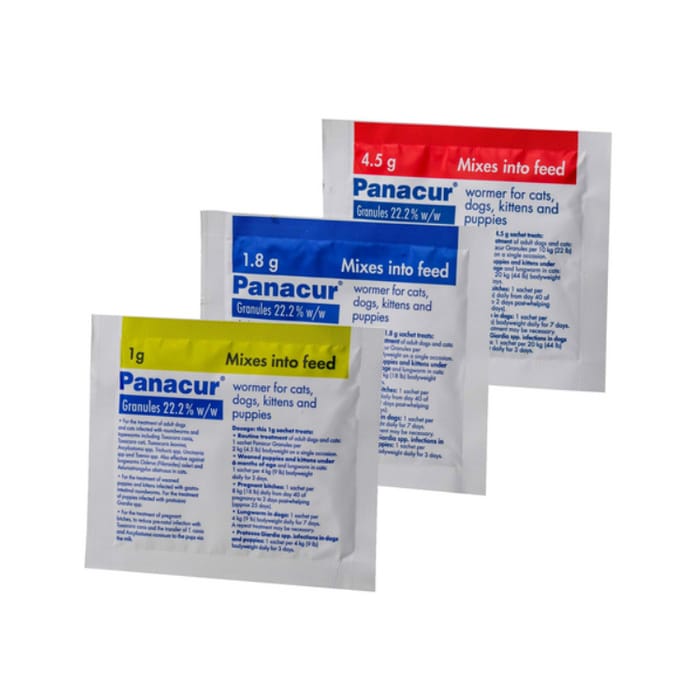
Panacur Granule Single
Panacur Granule Single Granules for Dogs: Uses and Safety
Price:
$49.99
You save


Panacur Granule Single is a veterinary dewormer that contains fenbendazole, an antiparasitic medicine. It is used to treat certain intestinal parasites in pets, based on a veterinarian’s diagnosis and the product label. This page explains how it works, how it is commonly given, key safety points, and practical handling basics.
What Panacur Granule Single Is and How It Works
This product is a granule formulation of fenbendazole, a benzimidazole anthelmintic (anti-worm medicine). It is used in veterinary care for selected intestinal parasites; the exact labeled indications can vary by country and package. CanadianInsulin supports prescription referrals; dispensing is done by licensed partner pharmacies where permitted. For condition background, you can browse the site’s hubs on Pet Intestinal Worms and Pet Giardiasis, and the Pet Medications category for related veterinary items.
Fenbendazole works by disrupting parasite cell structures involved in energy use, which can stop growth and lead to parasite death. In plain terms, it targets worms and some other gut parasites more than it affects the pet. Granules are typically mixed with a measured amount of food so the full dose is swallowed, which can be easier than tablets for some animals.
Some patients explore Ships from Canada to US for eligible prescriptions when jurisdiction rules allow. When needed, we verify prescription details directly with the prescriber. A veterinarian may also recommend hygiene steps and follow-up testing to reduce reinfection risk, especially in households with multiple pets.
Who It’s For
Fenbendazole granules are most often used for dogs and, in some labeled products, cats. A veterinarian may prescribe it when there is confirmed or suspected intestinal parasite exposure, supported by signs such as diarrhea, weight loss, or a positive fecal test. The choice of dewormer depends on which parasite is present, since different medicines target different organisms.
This medicine may be considered for puppies or kittens under veterinary guidance, but age, weight, and overall condition matter. It may not be appropriate for pets with known allergy to benzimidazoles, or for animals that are severely ill without veterinary assessment. If a pet is pregnant, nursing, or intended for breeding, the veterinarian should confirm that the specific product and schedule are appropriate for that situation.
Dosage and Usage
Dosing for fenbendazole is typically weight-based and follows the product label or a veterinarian’s instructions. Many fenbendazole protocols use once-daily dosing for multiple consecutive days, and a single packet may represent one day’s amount rather than the entire course. Do not change the number of days or the amount per dose without veterinary direction.
Quick tip: Mix the granules into a small portion of food first, then offer the rest of the meal.
General use steps often include weighing the pet as accurately as possible, measuring the correct amount from the packet, and confirming the full portion was eaten. If vomiting occurs soon after dosing, or if a dose is missed, the safest next step is to contact the veterinary clinic for instructions rather than repeating doses on your own. For some parasites, a veterinarian may recommend a repeat fecal exam after treatment and environmental cleaning to limit reinfection.
Strengths and Forms
This product is supplied as oral granules in a single-dose packet format, designed to be administered by mixing with food. Fenbendazole granule products may be sold in boxes containing multiple packets for a full treatment course. Depending on the market, the label may list a concentration (for example, some fenbendazole granules are labeled 22.2%); confirm the exact strength printed on the packet you have.
Packaging and presentation can affect how dosing is measured. Some products provide packet sizes meant for a certain weight range, while others require measuring a portion of a packet. Availability can vary by jurisdiction and pharmacy inventory, and the veterinarian’s directions should match the specific product on hand to prevent dosing confusion.
Storage and Travel Basics
Store granule packets at controlled room temperature unless the label says otherwise. Keep them dry, sealed, and away from direct heat or humidity, since moisture can cause clumping and make accurate mixing harder. Always check the expiration date, and keep all pet medications out of reach of children and other animals.
For travel, keep the packet in its original labeled packaging and bring a copy of the prescription or the clinic’s written instructions when possible. If you need general planning ideas for transporting medicines, the site’s travel-oriented resource How To Travel focuses on human prescriptions, but some organization tips can still be useful for safely carrying labeled supplies.
When handling granules, avoid creating dust and wash hands after mixing. If granules spill, wipe the area with a damp disposable towel and discard it safely. Do not prepare pet medication doses on surfaces used for human food without cleaning afterward.
Side Effects and Safety
Fenbendazole is generally well tolerated in many pets when used as directed, but side effects can occur. The most common issues are gastrointestinal, such as vomiting, soft stool, diarrhea, or reduced appetite. Mild tiredness can also happen. Giving the dose with food may help some pets, depending on the label directions.
Why it matters: Ongoing vomiting or diarrhea can lead to dehydration, especially in small pets.
Stop and seek veterinary guidance urgently if you notice signs of an allergic reaction (facial swelling, hives, trouble breathing), severe lethargy, collapse, or neurologic changes. Also contact a veterinarian if symptoms worsen, blood appears in stool, or a pet seems painful or unusually weak. A clinic may recommend reassessment for other causes of illness, co-infections, or a different parasite than originally suspected.
Drug Interactions and Cautions
Tell the veterinarian about all medicines and supplements the pet takes, including other dewormers, flea and tick preventives, and any recent antiparasitic treatment. The main concern is duplication of therapy or overlapping products that can increase stomach upset or complicate follow-up. If a pet has liver disease, significant weight loss, or chronic gastrointestinal illness, the prescriber may adjust the plan or recommend monitoring.
Published interaction data in companion animals can be limited compared with human medicines. Because of that, the safest approach is medication reconciliation: share the full list and timing of products used. If multiple pets share living areas, ask the clinic whether other animals should be tested or treated, since parasite control often requires both medication and environmental steps.
Compare With Alternatives
Parasite treatment is specific to the organism involved, so alternatives depend on the diagnosis. For example, pyrantel pamoate is often used for certain roundworms and hookworms, while praziquantel is commonly used for tapeworms. Some monthly preventives (such as products containing milbemycin oxime or moxidectin) can address selected intestinal parasites as part of broader prevention. Your veterinarian may choose based on fecal testing, exposure risk, and local parasite patterns.
Panacur Granule Single is one option when a granule-in-food approach fits the pet and the targeted parasite. Other formulations include liquids, tablets, or combination products, each with different administration considerations. Avoid combining dewormers unless the veterinarian has recommended a specific combination, since overlapping treatment can complicate side-effect assessment and follow-up decisions.
Pricing and Access
Access can depend on whether a veterinary prescription is required in your jurisdiction, the pet’s weight-based regimen, and how many packets are needed for the full course. Coverage varies widely, and many households treat pet dewormers as out-of-pocket expenses, including situations without insurance. Eligibility can involve jurisdiction rules and cross-border fulfillment documentation. For general program details on the site, see Promotions Information.
CanadianInsulin facilitates prescription referral and documentation checks, while dispensing and fulfillment are handled by licensed third-party pharmacies where allowed. If a prescription needs clarification, the pharmacy or referral team may confirm directions with the veterinary prescriber to reduce errors. Because regulations differ, requirements may include a current prescription, prescriber contact information, and complete patient and pet details.
For readers managing multiple prescriptions in the household, CanadianInsulin’s education library is largely focused on human diabetes care, but it can still help with general medication literacy and organization. Examples include Common Diabetes Medications, Insulin Pen Vs Syringe, Cut Insulin Costs, and Managing Geriatric Diabetes, as well as Living With Diabetes.
Authoritative Sources
For neutral clinical background on benzimidazole dewormers, see this veterinary reference: Merck Veterinary Manual anthelmintics overview.
For general information on veterinary medicines and regulation, see: FDA Center for Veterinary Medicine.
When temperature control is required, licensed partner pharmacies may use prompt, express, cold-chain shipping in line with regulations.
This content is for informational purposes only and is not a substitute for professional medical advice.
Express Shipping - from $25.00
Shipping with this method takes 3-5 days
Prices:
- Dry-Packed Products $25.00
- Cold-Packed Products $35.00
Standard Shipping - $15.00
Shipping with this method takes 5-10 days
Prices:
- Dry-Packed Products $15.00
- Not available for Cold-Packed products
What is Panacur Granule Single used for in pets?
Panacur Granule Single contains fenbendazole, an antiparasitic medicine used in veterinary care to treat certain intestinal parasites. Depending on the specific label and the veterinarian’s diagnosis, fenbendazole may be used for common intestinal worms and, in some settings, for Giardia-related intestinal infection. The exact organisms covered and the recommended schedule can differ by product and country. A veterinarian usually bases the plan on fecal testing, symptoms, exposure history, and the pet’s weight.
How do I give fenbendazole granules to a dog?
Granule packets are typically given by mixing the measured dose into a small amount of food and confirming the pet eats the entire portion. Some pets do better when the medicated food is offered first, followed by the rest of the meal. Avoid sprinkling it over a full bowl if the dog may not finish. Follow the label and the veterinary directions closely, since some regimens require multiple days. If vomiting occurs soon after dosing, contact the veterinary clinic for next steps.
Can Panacur granules be used for puppies or kittens?
Puppies and kittens are more vulnerable to dehydration and complications from diarrhea, so deworming plans should be age- and weight-appropriate. Fenbendazole products are often used in young animals under veterinary guidance, but the correct schedule depends on the specific product, the parasite risk, and the pet’s size. Do not estimate doses or split packets without instructions. Ask the veterinarian which parasites are being targeted, how to confirm the pet’s weight, and whether a recheck fecal test is needed.
What side effects should I watch for after giving fenbendazole?
The most common side effects are gastrointestinal, such as vomiting, soft stool, diarrhea, or reduced appetite. Mild tiredness can also occur. Contact a veterinarian promptly if side effects are severe, persist, or if the pet seems weak, painful, or unable to keep water down. Seek urgent care for possible allergic reactions, including facial swelling, hives, or breathing difficulty. If symptoms worsen during treatment, a veterinarian may reassess for a different diagnosis or concurrent illness.
What should I tell my veterinarian before using a dewormer like fenbendazole?
Share any recent deworming history, current medications (including flea and tick preventives), supplements, and known drug sensitivities. Mention pregnancy, nursing status, breeding plans, or chronic conditions such as liver disease or long-standing gastrointestinal problems. It also helps to describe household factors, like multiple pets, exposure to parks or daycare, and any recent diarrhea outbreaks. Ask which parasites are suspected, whether fecal testing is recommended, and what signs should trigger a recheck.
Do I need a prescription for Panacur granule packets?
Requirements vary by jurisdiction and by the specific product. In many cases, veterinary antiparasitic medicines may require a prescription or veterinary authorization, especially when used for a specific diagnosis or in higher-risk situations. If a prescription is involved, it should match the product form and the veterinarian’s dosing directions. On referral platforms, prescription details may be verified with the prescriber when required, and dispensing is completed by licensed pharmacies where permitted by local rules.
How should I store opened packets and dispose of leftovers?
Store packets in a dry place at room temperature unless the label states otherwise. If a packet is opened and not fully used, follow the label guidance; many granule products are intended for immediate use to avoid moisture exposure and dosing errors. Keep any partial packet secured away from children and pets. For disposal, follow local guidance for veterinary medicines, such as a pharmacy take-back program if available. Do not flush medicines unless instructions specifically allow it.
Rewards Program
Earn points on birthdays, product orders, reviews, friend referrals, and more! Enjoy your medication at unparalleled discounts while reaping rewards for every step you take with us.
You can read more about rewards here.
POINT VALUE
How to earn points
- 1Create an account and start earning.
- 2Earn points every time you shop or perform certain actions.
- 3Redeem points for exclusive discounts.
You Might Also Like
Select options
This product has multiple variants. The options may be chosen on the product page
Select options
This product has multiple variants. The options may be chosen on the product page
Timolol Maleate Ophthalmic Solution
Price range: $38.99 through $42.99
You save
- In Stock
- Express Shipping
Select options
This product has multiple variants. The options may be chosen on the product page
Select options
This product has multiple variants. The options may be chosen on the product page
Related Articles
Type 2 Diabetes,
Oral Wegovy Explained: Facts, Risks, and Access Options
The phrase oral wegovy is best understood as a search term, not a settled product name. Most people use it to mean a pill version of semaglutide for weight management,…
Diabetes, General Health,
Glp-1 Drugs Over The Counter: What’s Real And What’s Not
Key Takeaways Prescription GLP-1 medicines are not sold as true OTC drugs. Many “GLP-1” supplements aim to support fullness, not mimic prescriptions. Online “no prescription” offers raise counterfeit and quality…
Diabetes, Type 2
GLP-1 Cost Without Insurance: Compare Cash-Pay Options
Key Takeaways Many people searching for glp-1 cost without insurance are trying to plan for a long-term expense. The total can change based on the drug, the pharmacy, and how…
Cardiovascular, Diabetes, Nephrology,
SGLT2 Inhibitors Drugs: Names, Uses, And Safety Notes
Key Takeaways They lower glucose by increasing urinary sugar loss. Common options include dapagliflozin, empagliflozin, canagliflozin, and ertugliflozin. Some products combine an SGLT2 inhibitor with metformin. Risks include dehydration and…